Can AI Help Personal Trainers Earn More? 3 Takeaways From Our Interview With Agora Fitness
AAAI Fitness Podcast with Dania Valladares of Agora Fitness Business Tips
Featured Interview  •  6 min read  •  Watch the episode ↓

Most personal trainers hit the same ceiling sooner or later. Your calendar fills up, your rates are as high as your market will bear, and the only way to earn more seems to be working more hours.

On a recent episode of the AAAI Fitness Podcast, host Joe Cannon, M.S., sat down with Dania Valladares, a software engineer and the founder and CEO of Agora Fitness, to talk about how technology is changing that equation. Agora Fitness lets coaches build AI agents trained on their own methods, systems, and decision-making. Whether or not you ever use an AI platform, their conversation raised three money-making ideas every trainer should be thinking about right now.

01

Sell Your Method in More Ways Than One

Valladares summed up the traditional trainer business model in one sentence.

“Coaches have traditionally made money either by selling their time or their content.”

Dania Valladares

When the schedule fills up, the usual next step is a PDF program, an ebook, or a library of prerecorded workouts. Those products can bring in extra income, but Valladares points out that they don’t scale well and can’t adapt to a client’s needs in real time.

Selling Your Time

Your income is capped by the number of hours in your week.

Selling Static Content

PDFs and video libraries reach more people, but they can’t adjust to the person using them.

An AI agent built on your coaching adds a third option. It delivers programs that follow your rules and adjust to each client day by day. Valladares gave the example of a client who reports only four hours of sleep, which the agent can respond to by easing the session, the same way you would in person.

She also sees untapped income in the audiences many trainers have already built online. By her estimate, most trainers convert well under 1% of their social media followers into paying clients, because those followers have no way to work with a coach whose schedule is full.

0.5%is about how many followers most trainers convert today, by Valladares’s estimate.
1 to 3%is the share she believes a scalable offer could reach.
750more paying clients is what a jump from 0.5% to 2% would mean on a 50,000-follower account.
Ask Yourself
  • If your schedule were full tomorrow, what would you offer the next person who asked to train with you?
  • Which parts of your coaching could work without you in the room?
02

Turn “I’m Full” Into Your Next Sale

Telling a potential client that you have no openings usually ends the conversation, and that lost sale rarely comes back. Valladares described a different response coaches are using.

“Instead of saying, ‘Hey, I don’t have capacity for this month. Maybe come by next month.’ You can now say, ‘Hey, but in the meantime, you can get a flavor of my method, you can start training with my agent, and ask me if you have any questions.’”

Dania Valladares

Many coaches on the platform use their AI agent as the entry point to their business. A new client starts with the lower-cost digital option and gets a feel for the method. Later, they can add one or two private consultations a month or move into a spot on the trainer’s calendar when one opens.

Language is no longer a barrier either. Valladares shared that a trainer in Latin America uses the platform to coach clients in other languages without paying to translate programs, which opens up an audience well beyond the local gym.

How Agora’s Pricing Works

According to Valladares, trainers can launch their first AI agent for free, with unlimited clients, and keep 80% of every subscription they sell. Trainers set their own prices and own the client relationship. Coaches who want several specialized agents, such as separate training and nutrition coaching, can upgrade to a pro membership. Clients use the trainer’s own branded mobile app on iOS and Android.

03

Treat Your Method Like the Asset It Is

Your expertise is the product you are really selling, and most trainers have never written it down. Setting up an agent on Agora starts with the material you already have, such as client text messages, PDFs, an ebook, or recorded videos.

“You don’t have to come up with your methodology or think about or produce anything new. You just need to bring examples from interactions with your clients.”

Dania Valladares

The platform then asks follow-up questions until it understands how you coach. Valladares said several coaches were surprised to see their own progression models and decision-making laid out plainly for the first time, after years of building programs by instinct.

A documented method also gives you a stronger way to prove that it works. Cannon pointed out that trainers have traditionally relied on an “N of one,” training one or two people for free in exchange for before-and-after photos. Results gathered from a hundred or more clients following the same method make a far more convincing case on your website and in sales conversations.

Your coaching method is a business asset. Document it, protect it, and put it to work.

Valladares said protecting that asset is a top priority for the platform. An agent delivers workouts and plans without revealing the trainer’s underlying system, and one trainer’s material is never used to train another trainer’s agent.

Try This
  • Write down how you progress a new client through their first eight weeks.
  • Collect the coaching cues and phrases you use most often.
  • Track the same few results for every client so you can share real numbers.

Before You Hand Your Method to an AI

Cannon asked the questions every responsible trainer should ask before putting their name on an AI product. Valladares described three levels of safety checks. The first is the coach’s own rules, such as the populations they do not train. The second is a set of platform safety standards drawn from published research and fitness advisors. The third comes from the AI models themselves.

Scope of Practice
  • Questions outside the trainer’s expertise, such as a client asking for diabetes advice, are meant to be declined and redirected.
  • Trainers can see each client’s program and workout tracking, while the client’s chats with the agent stay private.
  • Clients accept terms of service that release the coach and the platform from responsibility, because they know they are working with an AI.

Check your liability insurance and your certification’s scope-of-practice guidelines before offering any AI-delivered coaching, especially nutrition guidance.

Adapt Without Losing the Human Touch

Cannon closed with the question many trainers are quietly asking, which is whether AI will replace them. Valladares does not think so, with one important caveat.

“I think AI would replace as a technology anyone who fundamentally doesn’t adapt for the future with this technology.”

Dania Valladares

She believes what keeps trainers valuable is what engineers call “taste,” the judgment shaped by your own experiences that no general-purpose fitness app can copy. Generic AI apps can write a workout, but they cannot coach the way you do.

The trainers who earn more in the next few years will be the ones who find new ways to deliver the coaching only they can give.

Watch the Full Episode

Hear Joe Cannon and Dania Valladares talk through AI agents, pricing, privacy, guardrails, and the future of personal training. To explore the platform, visit agora.fitness and choose Join as Trainers.

Build the Expertise Worth Scaling

Your method is only as valuable as the knowledge behind it. Explore AAAI Fitness certifications and continuing education to strengthen your coaching and grow your career.

See Upcoming Certifications

Keep Learning

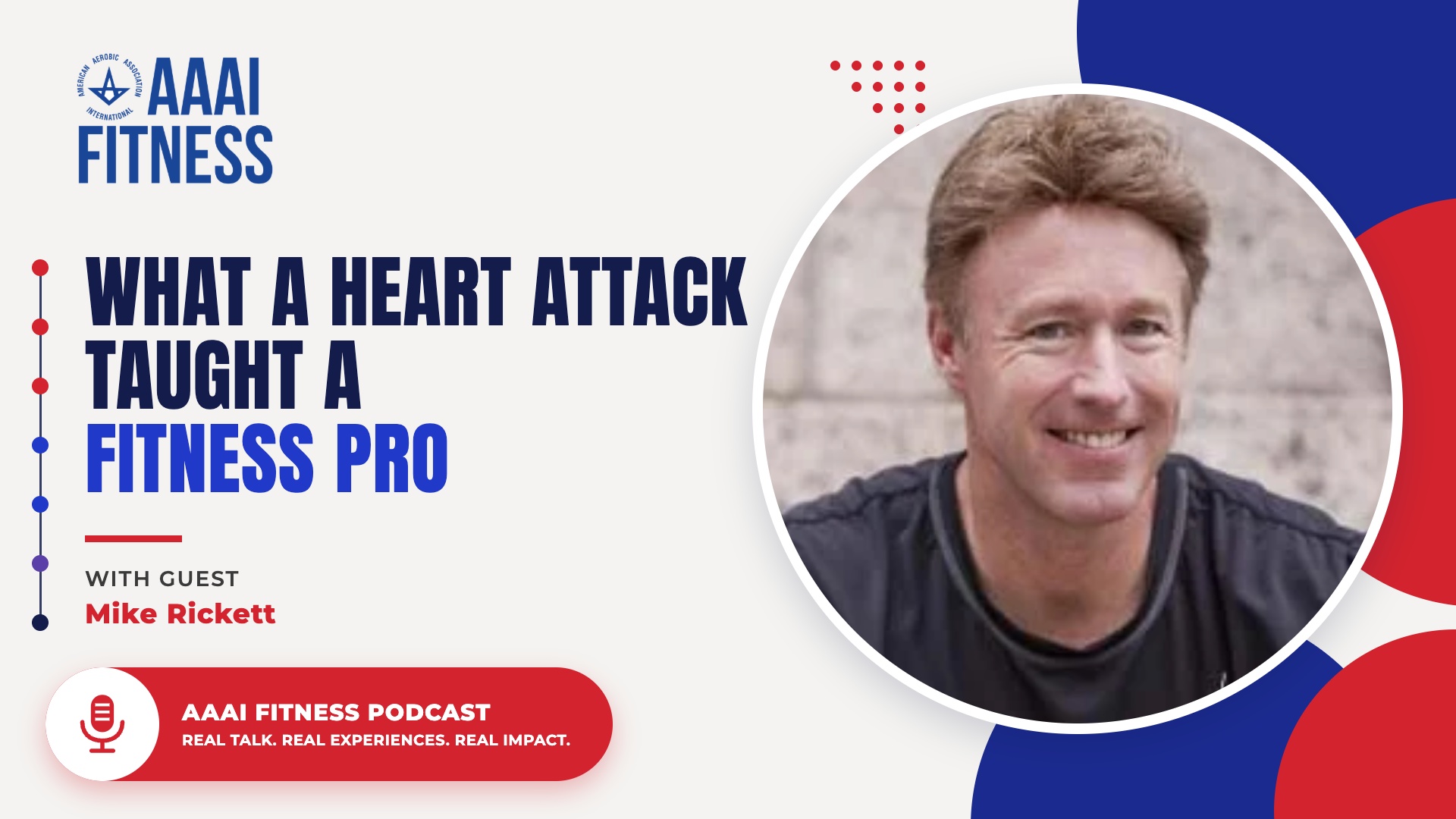
What a Heart Attack Taught a Fitness Pro

AAAI Fitness interview with Mike Rickett Featured Interview
Heart Health  •  6 min read  •  Watch the interview ↓

Fitness professionals spend their careers helping other people become stronger, healthier, and more capable. But what happens when the fitness professional suddenly becomes the person who needs to rethink everything they know about health and exercise?

For Mike Rickett, that question became very real when he went from being an experienced exercise professional to facing a quadruple bypass. Despite years of training and a lifetime of being active, Mike discovered that looking healthy on the outside does not always mean everything is healthy on the inside. His experience offers important lessons for fitness professionals about listening to the body, paying attention to health markers, adapting exercise, and understanding the emotional side of recovery.

01

Healthy Doesn’t Always Look Healthy

Mike had a significant family history working against him. Even with that history, he had spent years being active and considered himself healthy.

Mike’s Family History
  • Both grandfathers had heart attacks.
  • Both parents experienced heart attacks before age 42.
  • His mother had a triple bypass at 38.

The warning signs were subtle at first.

  1. He became unusually winded riding his bike to work.
  2. During a trip to FitnessFest in Arizona, he stopped walking to the venue and started taking an Uber because he was short of breath.
  3. Eventually, while walking through an airport, he suddenly had to stop because he could not keep going.

The next day, he felt well enough to work out.

A client does not have to look sick to have a health concern.

That is an important reminder for fitness professionals. Changes in energy, breathing, activity levels, hobbies, or normal behavior can all be worth paying attention to. Mike now encourages trainers to notice when a client says something feels different or stops doing activities they normally enjoy.

Scope of Practice

Fitness professionals are not there to diagnose medical conditions, but they are often in a unique position to notice changes in a client’s behavior and performance. Knowing when to encourage someone to seek medical evaluation is an important part of being a responsible fitness professional.

02

Know the Numbers, Not Just the Mirror

Mike’s story also highlights the importance of paying attention to health markers.

Before his surgery, his cholesterol and blood pressure were elevated. His LDL was around 150, and his blood pressure eventually reached extremely high levels. Yet he still looked and felt healthy much of the time.

What He Saw

He still looked and felt healthy much of the time.

What the Numbers Said

His LDL was around 150, and his blood pressure eventually reached extremely high levels.

For fitness professionals, this reinforces an important distinction:

Fitness and health are related, but they are not interchangeable.

Someone can exercise regularly and still have risk factors that deserve medical attention. Trainers can encourage clients to establish baseline measurements, understand their health history, and follow up with qualified healthcare professionals when something changes.

The goal is not to turn fitness professionals into diagnosticians. It is to help them become better observers and better advocates for their clients.

03

Recovery Requires More Than Exercise

4coronary arteries were completely blocked.
95%of another artery was blocked.
8 hrsof surgery ultimately included a quadruple bypass.

After discovering that four coronary arteries were completely blocked and another was 95% blocked, Mike underwent an eight-hour surgical process that ultimately included a quadruple bypass. Recovery was not simply a matter of getting back into the gym.

One of the biggest lessons came through cardiac rehabilitation. Mike initially believed he knew enough to manage his own recovery, but the rehabilitation program gave him something he couldn’t get by relying on his professional knowledge: perspective.

He saw people at different stages of recovery and learned to break goals into smaller, manageable steps. Walking became a major part of his rehabilitation, and the process helped him understand that recovery is not about proving how tough you are. It is about gradually rebuilding capacity.

For Your Clients

That lesson applies far beyond cardiac rehabilitation. Fitness professionals working with clients returning from illness, injury, surgery, or other major life events need to understand that progress may look very different from what it did before.

04

The Mental Side of Recovery Matters

Physical recovery was only part of Mike’s experience.

After major heart surgery, he experienced changes in sleep, exercise patterns, emotions, and interests. A therapist explained that recovering from such a significant event can feel like restarting an entire system. The body has been through an enormous physiological stressor, and the person may not immediately feel like the same person they were before.

For fitness professionals, this is a valuable reminder that the person standing in front of you is more than a body completing an exercise program.

A client returning after a major health event may be dealing with:

  • Fear
  • Frustration
  • Anxiety
  • Loss of confidence

Their physical limitations may be obvious, but their emotional experience may not be. Creating an environment where clients can progress without feeling pressured to perform like their former selves is part of good coaching.

05

Change the Goal, Not the Desire to Move

Mike’s training looks different now. Instead of focusing on quantity, he focuses on quality and organizes his training around different goals:

  • Building strength
  • Neurological work
  • Metabolic conditioning

He has also modified movements and activities based on what his body can tolerate. His warm-up is longer than his workout, and he focuses on joint movement, rotation, extension, flexion, and movement across the body. He also modified activities he loves, including dancing, as needed.

This is a useful lesson for every fitness professional:

Modification is not failure.

The goal of training should not always be to return someone to exactly what they did before. Sometimes the better goal is finding a new way to help them participate in the activities they love.

Ways to Modify
  • Change the exercise.
  • Reduce the intensity.
  • Adjust the volume.
  • Use different equipment.
  • Approach movement from an entirely different direction.
06

Build Capacity Before You Need It

When asked what people can do right now to improve their health, Mike highlighted three things:

1

Maintain lean body mass.

2

Pay attention to health numbers.

3

Listen to changes in the body.

For fitness professionals, that first point is especially relevant. Strength training and maintaining lean body mass are not simply about aesthetics or performance. Building physical capacity can give people a greater foundation from which to recover when life throws an unexpected challenge their way.

That does not mean exercise can prevent every illness or guarantee an easier recovery. It does mean that helping clients build strength, maintain physical function, and develop sustainable movement habits can support health across the lifespan.

07

Fitness Is About More Than the Workout

Perhaps the biggest lesson from Mike’s experience is that health is not one-dimensional.

His recovery changed how he thinks about training, but it also changed how he thinks about life. He talks about making time for experiences, relationships, travel, and the things that bring meaning and enjoyment. His book, Stronger Beyond the Storm, grew out of his experience but ultimately became a broader reflection on the different storms people face throughout their lives.

For fitness professionals, that perspective matters.

The ultimate goal is not simply to help someone lift more weight, run faster, or complete another workout. Fitness can help people participate more fully in their lives.

Sometimes the most successful program is the one that gives someone the strength and confidence to travel, play with their grandchildren, dance with a partner, return to a favorite hobby, or simply feel capable in their own body.

Mike’s story is a powerful reminder that even experienced fitness professionals can face unexpected health challenges. The lesson is not to fear what could go wrong. It is to pay attention, keep learning, adapt when necessary, and remember that being fit is only one part of living well.

Watch the Full Interview

Mike Rickett shares much more about his quadruple bypass, cardiac rehabilitation, recovery, exercise modifications, mental health, and what he learned from his experience in the full interview.

Watch the full interview below and hear his story in his own words.

Keep Growing as a Fitness Professional

Explore AAAI Fitness certifications, workshops, and continuing education opportunities to keep growing as an educator, coach, and fitness professional.

See Upcoming Workshops

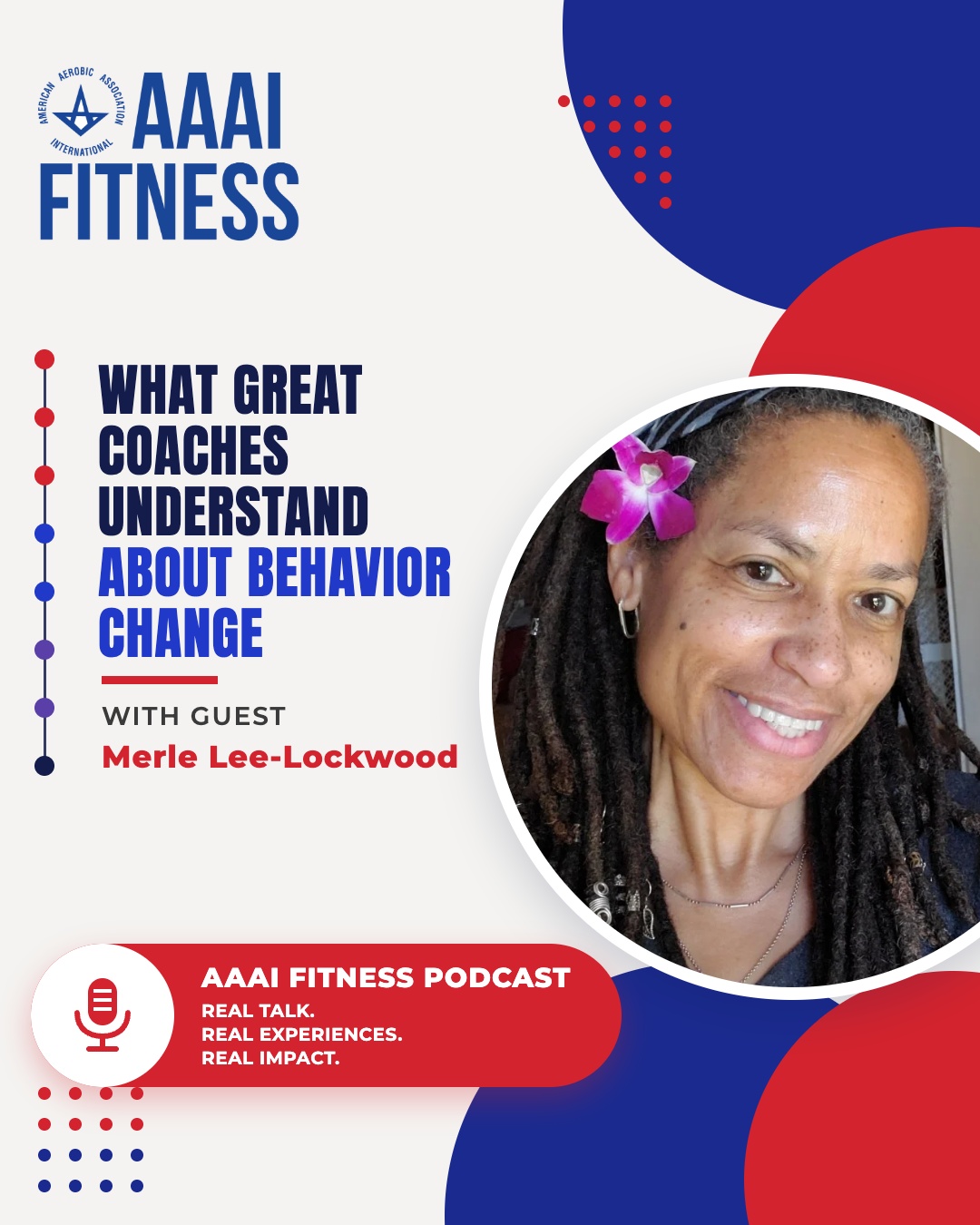
What Great Coaches Understand About Behavior Change

Personal training is about movement, but great coaching is about people.

Clients rarely walk through the gym doors with a goal that is only about exercise. They may say they want to lose weight, build muscle, get stronger, or improve their fitness, but underneath that goal is usually something more personal. They want more energy. They want to feel confident. They want to keep up with their kids or grandkids. They want to change the trajectory of their health.

Understanding that difference can change the way a fitness professional coaches.

In a recent AAAI Fitness interview, Merle Lee, a wellness coach with decades of experience in the fitness industry, shared her perspective on nutrition, behavior change, stress management, motivation, client relationships, and the importance of knowing when a client needs more than a workout.

Move Beyond the Surface-Level Goal

Fitness professionals hear the same goals over and over: “I want to lose weight,” “I want to tone up,” or “I want to get stronger.” It’s easy to hear those answers so often that they become little more than boxes to check on an intake form. Merle encourages trainers to go deeper.

Instead of stopping at the goal, ask why the goal matters.

That conversation can uncover the intrinsic motivation that helps a client stay connected to the process when motivation fluctuates. Someone who wants to lose weight may really want to feel better during daily activities. Someone who wants to get stronger may want the physical capacity to travel, hike, play with their grandchildren, or maintain independence.

Those answers create a stronger foundation for coaching than aesthetics alone. They also require patience. Clients may not immediately know their deeper reason, so listening and asking open-ended questions can be just as important as demonstrating the next exercise.

Behavior Change Is Bigger Than Willpower

Knowing what to do and actually doing it are two very different things. Fitness professionals understand this firsthand. We can know the value of exercise, recovery, nutrition, sleep, and stress management and still have days when we do not follow our own advice.

Clients are no different.

When someone struggles to follow through, it is tempting to label the problem as a lack of discipline. But behavior is influenced by environment, stress, habits, motivation, past experiences, and the meaning attached to a goal.

Merle emphasizes consistency over perfection. The goal is not for clients to execute every healthy behavior flawlessly. It is to help them make sustainable progress and develop a stronger connection to why the change matters.

That can change the coaching conversation from “Why didn’t you do it?” to “What got in the way?” The second question opens a door.

Know Your Scope

Nutrition is another area where fitness professionals frequently find themselves navigating a tricky line. Clients will ask what trainers eat, what they should eat, or whether they need to change their diet.

But being asked a question does not automatically make it part of a trainer’s professional scope.

Merle points out that trainers may be able to provide basic guidance within their education and scope, while more individualized nutrition needs may require collaboration with an appropriately qualified professional. Fitness professionals do not have to be the answer to every client need.

Knowing when to refer, collaborate, or bring another professional into the conversation is part of being a responsible coach.

Stress and Recovery Belong in the Conversation

Clients bring their entire lives into the gym. Work stress, family responsibilities, poor sleep, and countless other demands can affect how they move, recover, and follow through.

Merle emphasizes the importance of considering stress management as part of overall wellness. Breathwork is one tool discussed in the interview, including box breathing and other intentional breathing practices.

The same applies to sleep and rest.

More exercise is not automatically better exercise. A client who wants to train every day may need a coach who is willing to explain why recovery matters rather than simply saying yes because the client is enthusiastic.

Good coaching sometimes means knowing when to say, “Today, recovery is the workout.”

Coaching Is More Than Counting Reps

The fitness industry keeps evolving, but the fundamentals of coaching remain remarkably human.

Listen. Ask better questions. Understand the person behind the goal. Stay within your scope. Know when to refer. Consider the whole picture, including movement, nutrition, stress, sleep, recovery, and behavior.

The most effective trainer may not be the person with the loudest voice, the most impressive physique, or the biggest exercise library. It may be the person who knows when to stop talking, ask one more question, and listen carefully to the answer.

That is where coaching becomes more than a workout.

Watch the Full Interview

Want to hear Merle Lee’s perspective in her own words? Watch the full AAAI Fitness interview below for the complete conversation, including behavior change, nutrition, stress management, marketing, finding your ideal client, and practical advice for working with your first personal training client.

Keep Learning

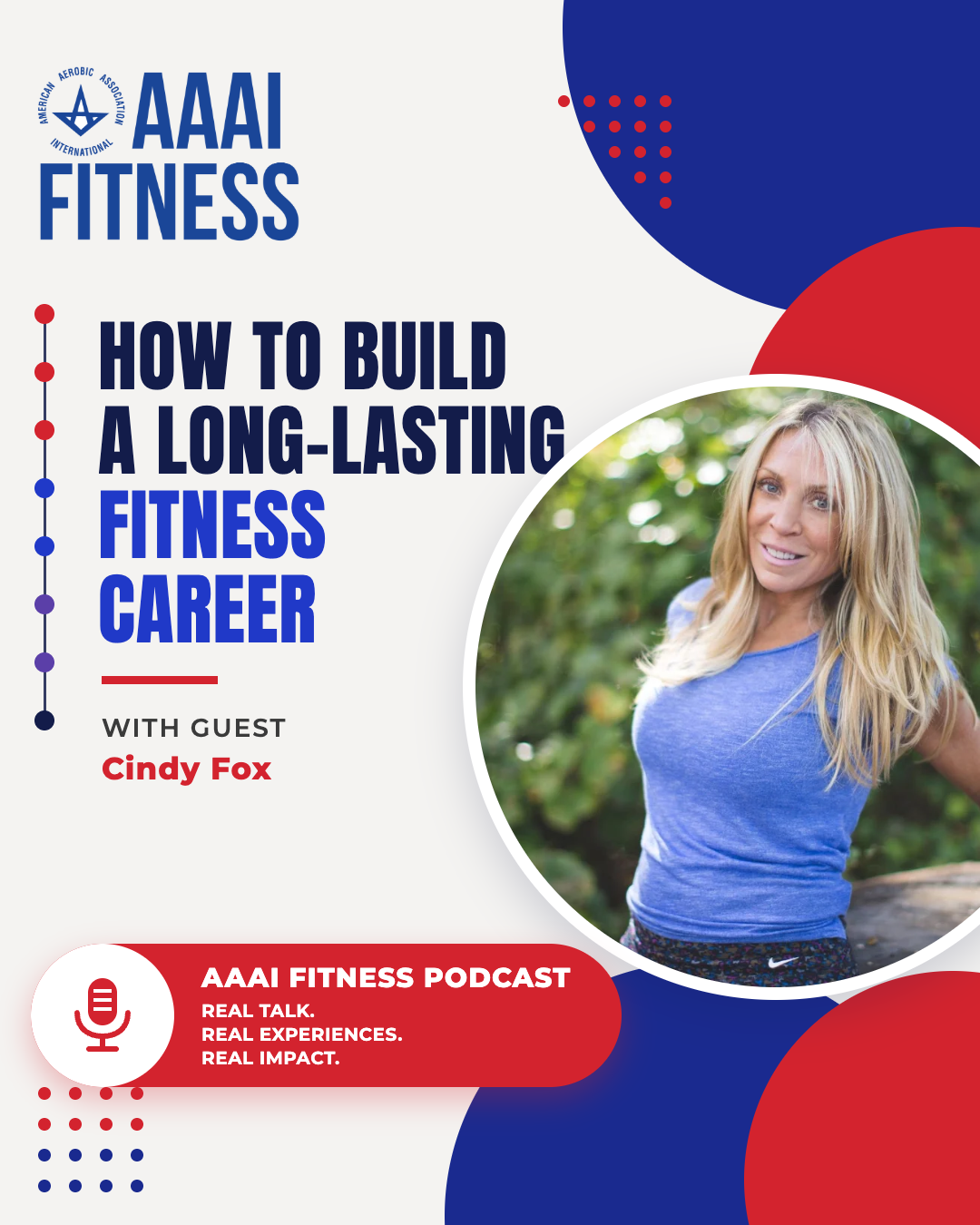
How to Build a Long-Lasting Fitness Career

What does it take to build a fitness career that lasts for decades?

Cindy Fox has some answers. With more than 40 years in the fitness industry, Cindy has watched the profession evolve from a time when certifications were barely part of the conversation to an industry filled with specialized education, technology, and new training opportunities.

Her career offers valuable lessons for anyone who wants to build a sustainable future in fitness.

Your Training Should Change as Your Clients Change

When Cindy started training, she was young, enthusiastic, and focused on fitness. Over time, her approach changed as she gained experience and began working with people at different stages of life.

One of the biggest changes was learning to think beyond whether an exercise could be performed. Today, Cindy considers whether a client is ready for it, whether it fits their goals and abilities, and whether it supports their long-term health.

She points to younger trainers working with older beginners as an example. An exercise such as a box jump might be appropriate for one person but completely inappropriate for someone who has never exercised before. A client needs the strength, mobility, coordination, and confidence to perform an exercise safely.

Experience teaches trainers to look at the whole person, not simply the exercise.

Longevity Requires Knowing Your Own Limits

Cindy also learned that a long career requires taking care of the trainer, too.

Early in her career, she could spend long days teaching classes, training clients, helping members, conducting orientations, and doing whatever else needed to be done around the facility. Eventually, she realized that working longer did not necessarily mean working better.

Knowing when you have reached your limit matters. Trainers need enough energy and attention to give clients the quality experience they deserve.

For Cindy, having other interests and responsibilities outside the gym helped her keep fitness as something she genuinely loved. That passion became an important part of her longevity.

Clients Don’t Just Buy a Certification

Certification can open the door to a career, but it does not automatically fill your schedule.

Cindy remembers building relationships with clients through group fitness, being approachable, offering advice when appropriate, and simply being visible in the gym. She encourages new trainers to talk to people, offer free sessions or educational content, use social media, and give potential clients a chance to experience what they can do.

A certificate establishes education and credibility. Your ability to communicate, connect, coach, and deliver results is what helps turn that credential into a career.

Professionalism Matters

Cindy has also seen how quickly poor decisions can damage a trainer’s reputation.

Working around a gym’s rules, making secret arrangements with members, or training clients off the books can jeopardize more than one paycheck. It can affect the trust a trainer has built with an employer, clients, and other professionals.

The same applies to how trainers approach potential clients. Being friendly and available is valuable. Being pushy is not. If someone clearly does not want to engage, respect that boundary.

Professionalism is not just about what happens during a training session. It is reflected in every interaction.

Experience Should Make You More Adaptable

Over four decades, Cindy has worked with changing populations, evolving technology, different training philosophies, and clients with increasingly diverse needs.

Her experience has made her more thoughtful, not more rigid.

That is one of the greatest advantages of building a long career in fitness. You learn what works, what does not, and when something needs to change. You become better at recognizing limitations, modifying exercises, communicating with clients, and understanding that the perfect workout is not always the hardest workout.

The Career Is Bigger Than the Workout

A successful fitness career is built on much more than sets and repetitions.

It requires education, communication, professionalism, adaptability, boundaries, and a willingness to keep learning. It also requires understanding that your clients are real people with jobs, families, stress, responsibilities, and lives outside the gym.

Cindy Fox’s 40-plus years in fitness are a reminder that longevity is not about doing the same thing for decades. It is about continuing to grow while staying connected to why you entered the profession in the first place.

Listen to Cindy’s advice below by watching her full interview.

Learn More Here

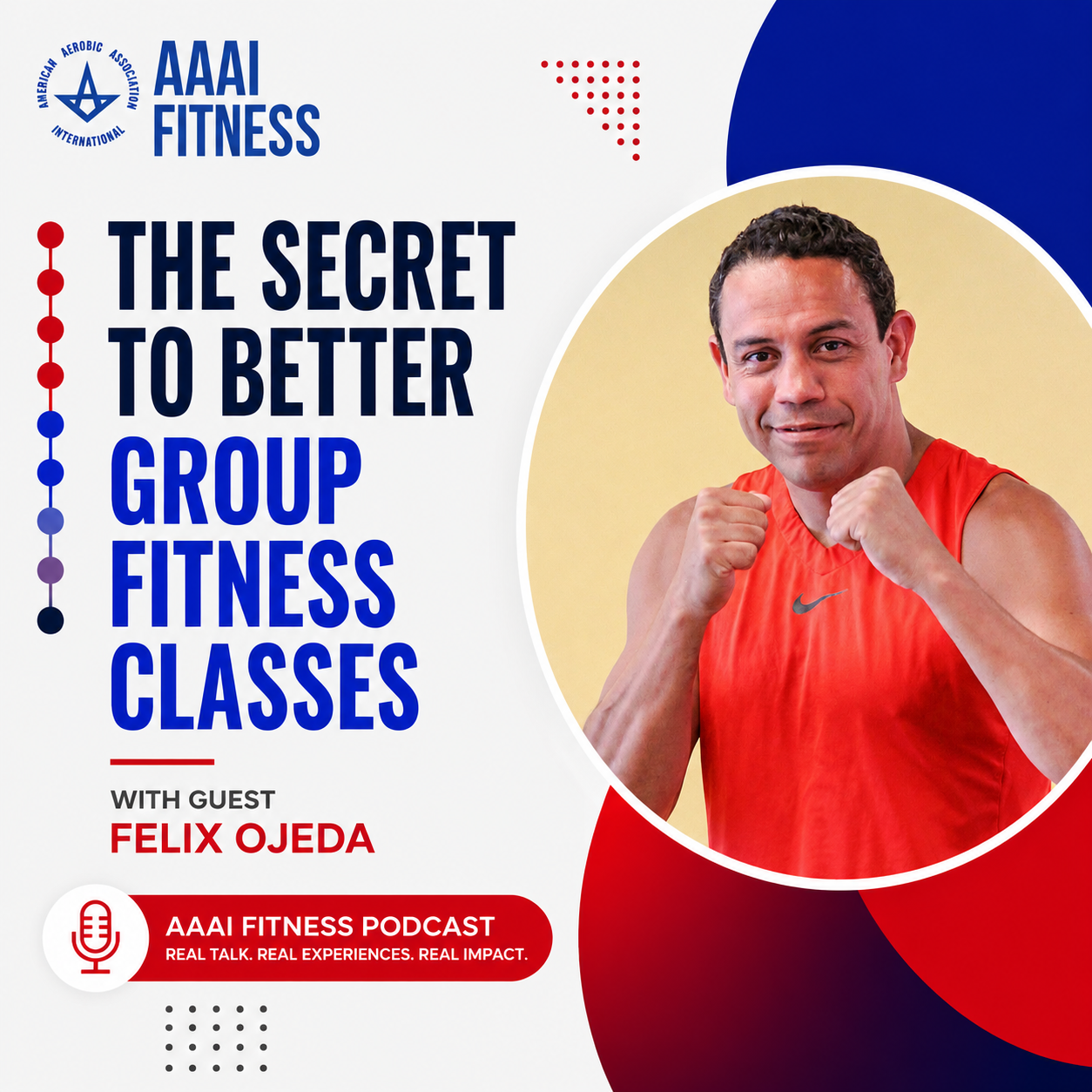
The Secret to Better Group Fitness Classes: 3 Lessons from Felix Ojeda

Every instructor has a different path into the fitness industry. Some start by earning certifications before ever stepping into the studio. Others discover their passion after years in another career.

For Felix Ojeda, founder of Palango Fitness, it started with frustration.

As a lifelong athlete with backgrounds in track and field, boxing, basketball, and business, Felix couldn’t find a workout that combined the intensity he wanted with the motivating power of music. Instead of settling, he created one. Sixteen years later, Palango Fitness has grown into an international program with loyal instructors and an impressive client retention rate.

During a recent conversation with AAAI Fitness, Felix shared several lessons that apply to every group fitness instructor, regardless of the format they teach. Whether you lead strength classes, cycling, dance fitness, boot camps, or mind-body formats, these three strategies can help you create stronger classes and build lasting relationships with participants.

1. Make Feedback Part of Your Programming

Many instructors devote hours to planning playlists, choreography, and workouts, but one of the most valuable parts of class actually begins after the music stops. When Felix first started teaching, he intentionally stayed after every class to ask participants what they enjoyed, what they struggled with, and what could be improved. More importantly, he documented their responses and used that feedback to refine his program over time.

That simple habit became one of the foundations of Palango Fitness. Instead of assuming he knew exactly what participants wanted, he allowed their experiences to shape the evolution of his classes. As a result, his workouts became more engaging, more effective, and better suited to the people attending them.

The best instructors never stop being students. They continue learning from certifications and continuing education, but they also learn from the people they teach every day.

2. Coach the Person, Not Just the Workout

Exercise is only one part of a person’s wellness journey. Felix believes instructors should recognize that clients bring far more to class than their fitness goals. They arrive carrying work stress, family responsibilities, health concerns, and countless other life experiences that influence how they move and how they feel.

While instructors are not expected to become nutritionists, therapists, or physicians, they should be prepared to support participants by listening carefully, offering encouragement, and knowing when to refer someone to another qualified professional. Sometimes the most valuable response is simply saying, “I don’t know, but I’ll find out.” That willingness to continue learning builds trust and demonstrates genuine care.

Empathy remains one of the most underrated skills in the fitness industry. Instructors who combine technical expertise with authentic human connection often develop stronger relationships, receive more referrals, and create communities that keep participants engaged for years.

3. Think Bigger Than One Class

One of Felix’s strongest messages centered on career development. He encourages instructors to think beyond teaching a single format or relying on one source of income. Expanding your knowledge through additional certifications, specialty trainings, and new teaching formats increases both your value and your opportunities within the industry.

This advice is particularly relevant for today’s fitness professionals. Facility managers consistently look for instructors who can teach multiple formats, adapt to different audiences, and step into a variety of class schedules. The more versatile you become, the more indispensable you are to your employer and your participants.

Final Thoughts

Throughout the conversation, one message remained consistent: people rarely stay because of the workout alone. They return because they feel welcomed, supported, challenged, and connected to both the instructor and the community surrounding the class.

Technical knowledge may bring participants through the door, but empathy, communication, and a genuine desire to help are what keep them coming back. Great instructors understand that every class is an opportunity to build trust, strengthen relationships, and create an experience that extends well beyond exercise.

Learn more by watching the full interview below or joining Felix and Palango! Fitness at the One World Conference in Denver.

Your Career is Waiting

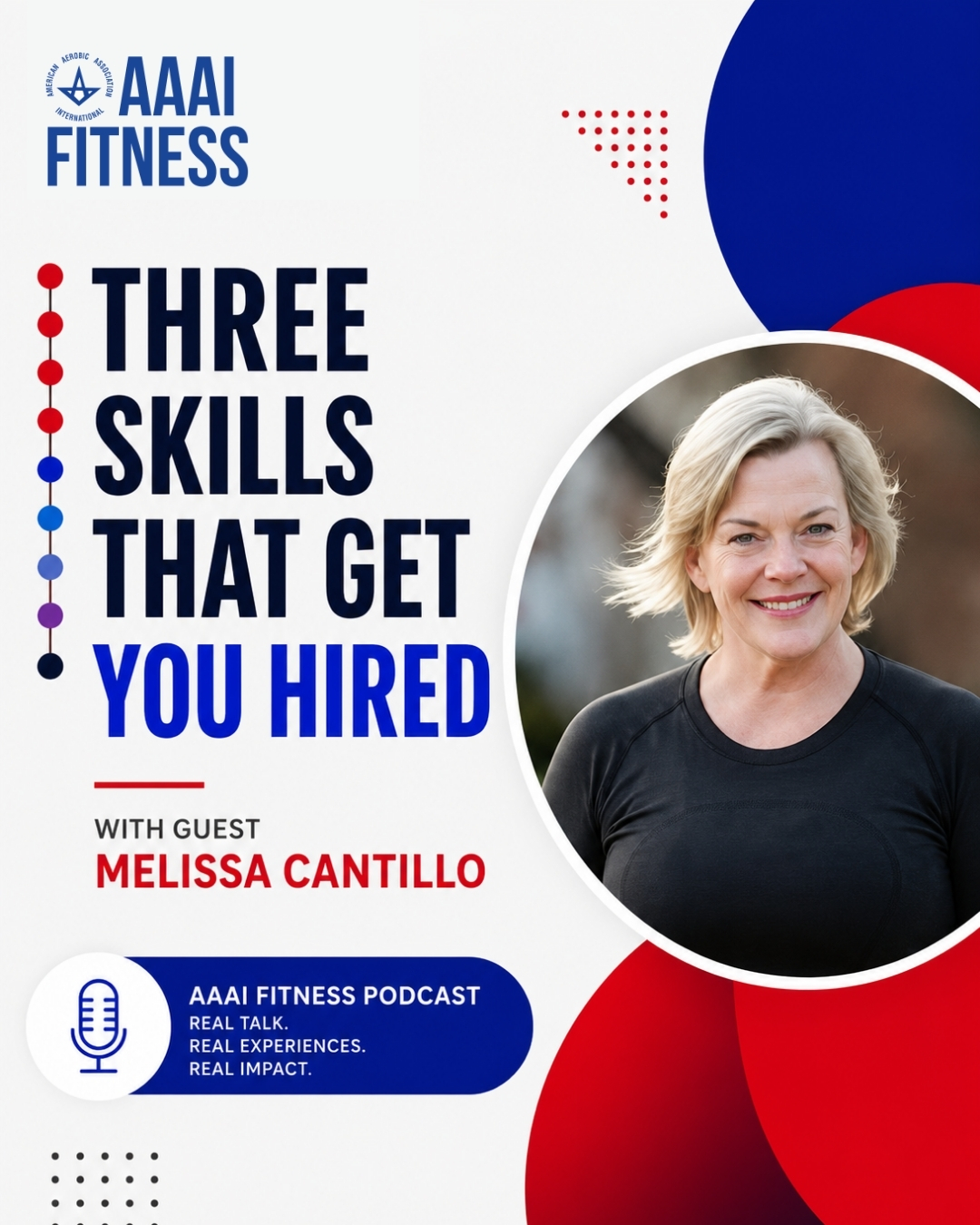
Three Skills That Get You Hired

When most fitness professionals imagine their career path, they picture working in a health club, boutique studio, or training clients one-on-one. But the fitness industry is far bigger than many realize, and some of the most rewarding opportunities exist in places many trainers never consider.

Melissa Cantillo, Fitness Manager at Canyon Ranch in Lenox, Massachusetts, knows that firsthand. After years of teaching classes at multiple facilities and living what she affectionately calls the life of a “gypsy fitness instructor,” she found a career that combined her passion for movement with whole-person wellness. Today, she leads a team of fitness professionals at one of the world’s most respected wellness resorts.

Her journey offers valuable lessons for anyone looking to build a sustainable, fulfilling career in fitness.

Tip #1: Become More Than a One-Trick Pony

One of Melissa’s strongest pieces of advice is simple: don’t limit yourself to a single specialty. While it’s important to have an area of expertise, employers often need instructors who can wear multiple hats. At Canyon Ranch, instructors may teach strength training, stretching, cycling, functional fitness, pool classes, or personal training throughout the week.

As Melissa explains, someone who only teaches one format can quickly become difficult to schedule. Instead of asking, “What’s my favorite class to teach?” ask yourself, “What else can I learn?”

Expanding your skill set makes you more employable, opens doors to leadership opportunities, and creates a career that’s more resilient when industry trends inevitably change. The fitness professionals who thrive are often the ones willing to keep learning.

Tip #2: Your Personality Matters More Than Your Resume

Certifications matter. Experience matters. But Melissa believes neither outweighs genuine passion. When interviewing candidates, she’s far less interested in hearing someone list every credential they’ve earned than she is in seeing their enthusiasm for helping people.

She looks for eye contact. Energy. Coachability. Curiosity. Can this person connect with guests? Can they continue learning? Can they create an experience that makes someone feel welcome?

Melissa shared that she’d rather hire someone who’s teachable than someone who believes they already know everything. In fact, one of her most successful trainers came into Canyon Ranch with very little industry experience. What stood out wasn’t his resume, but his willingness to learn. After extensive mentoring, he became one of their top-performing trainers.

Technical skills can be taught. Character, humility, and a genuine desire to help others are much harder to develop.

Tip #3: Build a Career, Not Just a Schedule

Many fitness professionals spend years driving from club to club, teaching scattered classes while piecing together enough work to make a living. Melissa lived that reality herself. Eventually, she realized she wanted something more sustainable.

At Canyon Ranch, she found consistent hours, benefits, paid time off, professional development, and a collaborative team environment. It transformed not only her career but also her quality of life. Her advice is to think beyond simply filling your weekly schedule.

Instead, ask yourself:

  • Where can I continue growing?
  • Does this organization invest in its people?
  • Am I building a career that I can enjoy for years?

Long-term success isn’t just about teaching more classes. It’s about finding an environment that supports your professional and personal wellbeing.

Success Is Bigger Than the Gym Floor

Perhaps the most refreshing part of Melissa’s perspective is what she doesn’t focus on. She doesn’t care what size someone is. She doesn’t expect perfection. She isn’t looking for the loudest voice or the most impressive social media following. She’s looking for people who genuinely care about others, love learning, and want to make a positive difference every day.

The fitness industry needs professionals who bring knowledge, empathy, and authenticity to every interaction. Whether your dream job is at a luxury wellness resort, a community recreation center, or your own personal training business, those qualities never go out of style.

As Melissa encourages aspiring professionals: don’t wait until you feel “ready.” Start learning. Keep growing. Expand your skills. The opportunities waiting for you may be far beyond the walls of the traditional gym.

Watch the full interview here.

What's Next?

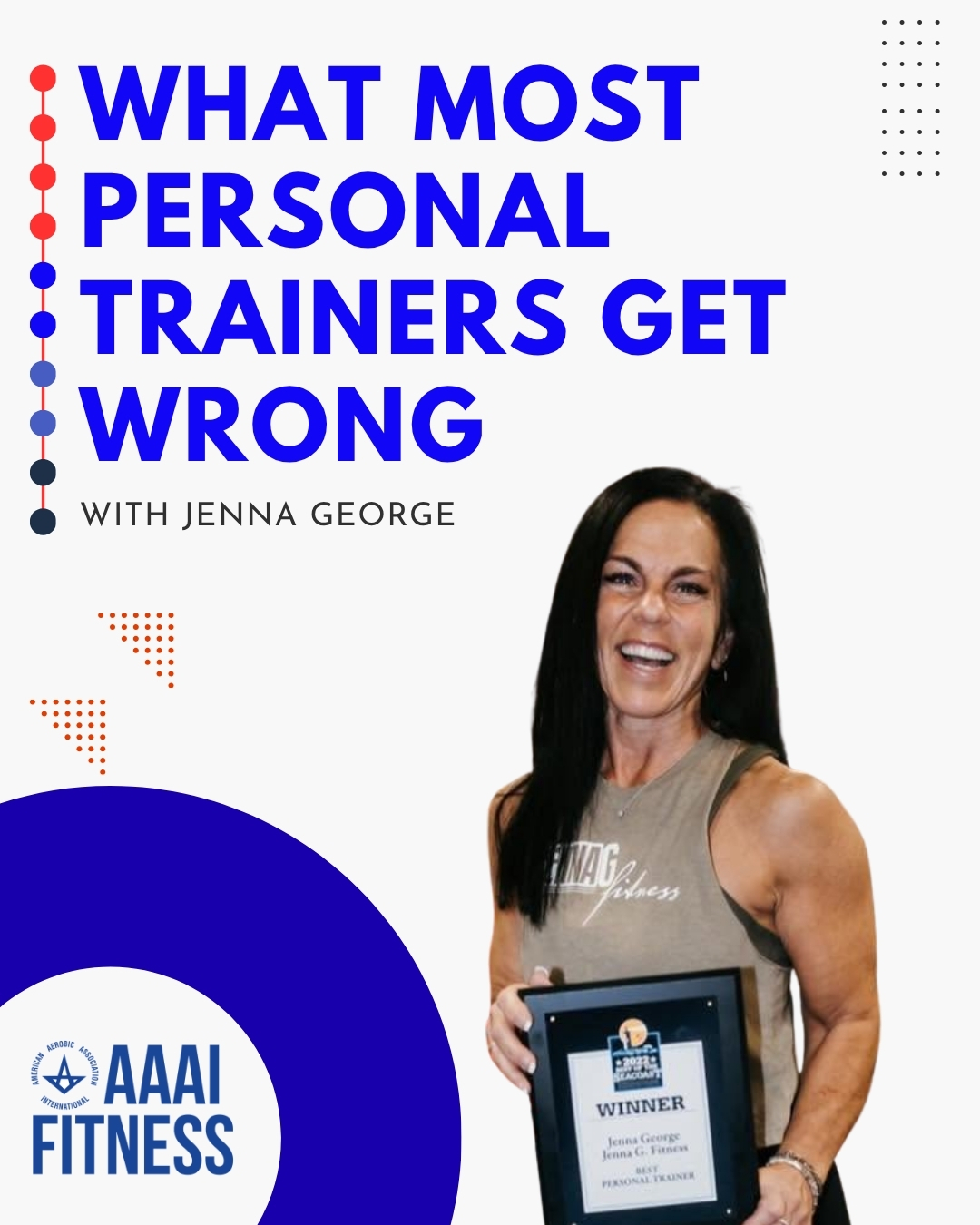
What Most Personal Trainers Get Wrong

Thirty years in the fitness industry will teach you a thing or two. Jenna George of Jenna G Fitness has done it all — group fitness, personal training, bodybuilding prep, virtual coaching, and everything in between. And the wisdom she’s picked up along the way? It’s exactly the kind of real talk that new and experienced fit pros need to hear.

Here are three things Jenna wants every personal trainer to know.

1. It’s a Relationship Business — Not a Science Experiment

You studied the textbooks. You passed the test. You know your anatomy, your physiology, and your program design. But here’s the thing — none of that is what will make or break your career.

Jenna learned this lesson early, and she hasn’t forgotten it.

“It’s a relationship. It’s a relationship industry. And that’s really what it’s all about at the end of the day. It’s not all the exercise science stuff that you learn in the big thick books.”

The most successful fit pros build trust before they build programs. They show up, they listen, and they become a genuine part of their clients’ lives. Jenna’s first two clients taught her that within the first 8 to 12 weeks — one a twenty-something guy managing work stress, the other a woman in her mid-40s navigating perimenopause. Two completely different worlds. One common thread: the emotional connection is what made the difference.

If you’re waiting for clients to come to you because of your credentials, you’re going to be waiting a long time. Get in the gym. Talk to people. Be present. Let them get to know you before they ever ask about your rates.

2. Stop Making It About You — Make It About Them

Social media is a powerful tool for personal trainers. But Jenna has noticed a troubling trend: too many trainers are using it to showcase themselves instead of their clients.

“It’s not about my clients. They’re the celebration. We’re not celebrating me. We’re celebrating what I’m getting them to do.”

Posting your personal workout, your deadlift PR, or your perfectly lit training reel might feel like marketing — but it’s not solving anyone’s problem. Jenna puts it simply: watching a trainer do a bench press isn’t going to make someone hire them. What WILL make someone hire you is seeing you work with someone who looks like them, has goals like theirs, and is getting real results.

Showcase your clients. Celebrate their wins. Solve problems in your content. Answer the questions your ideal client is already asking. That’s the kind of social media presence that builds a business — not a highlight reel.

3. Set Your Boundaries Early — And Stick to Them

One of the biggest mistakes new trainers make is being so eager to fill their schedule that they say yes to everything and everyone. Jenna has been there, and she learned the hard way that boundaries aren’t just good for your mental health — they’re good for your business.

“You’re eager to get clients. You’re eager to fill up your schedule. But don’t find yourself in a situation where you’re taking a 5 a.m. client at this club, but you’ve got to get over to a 9 a.m. client at this club and then you’re coming back.”

Set your hours. Enforce your cancellation policy. Decide when you’re available for texts and emails — and communicate that clearly. Jenna doesn’t take texts before 8 a.m. or after 8 p.m., and she built that into her client agreement. Not because she doesn’t care, but because she knows that a burned-out trainer can’t show up fully for anyone.

The trainers who last in this industry are the ones who protect their energy as fiercely as they protect their clients’ goals.


Jenna George has been doing this for three decades and she’s still learning, still growing, and still showing up every single day for her clients. That’s the kind of career worth building.

🎥 Watch the full interview below and hear more of Jenna’s story — including how she got her start, what it’s really like to coach bodybuilders, and the marketing tip she swears by.

Find Jenna on Instagram, Facebook, YouTube, and LinkedIn at @JennaGFit

What's Next?

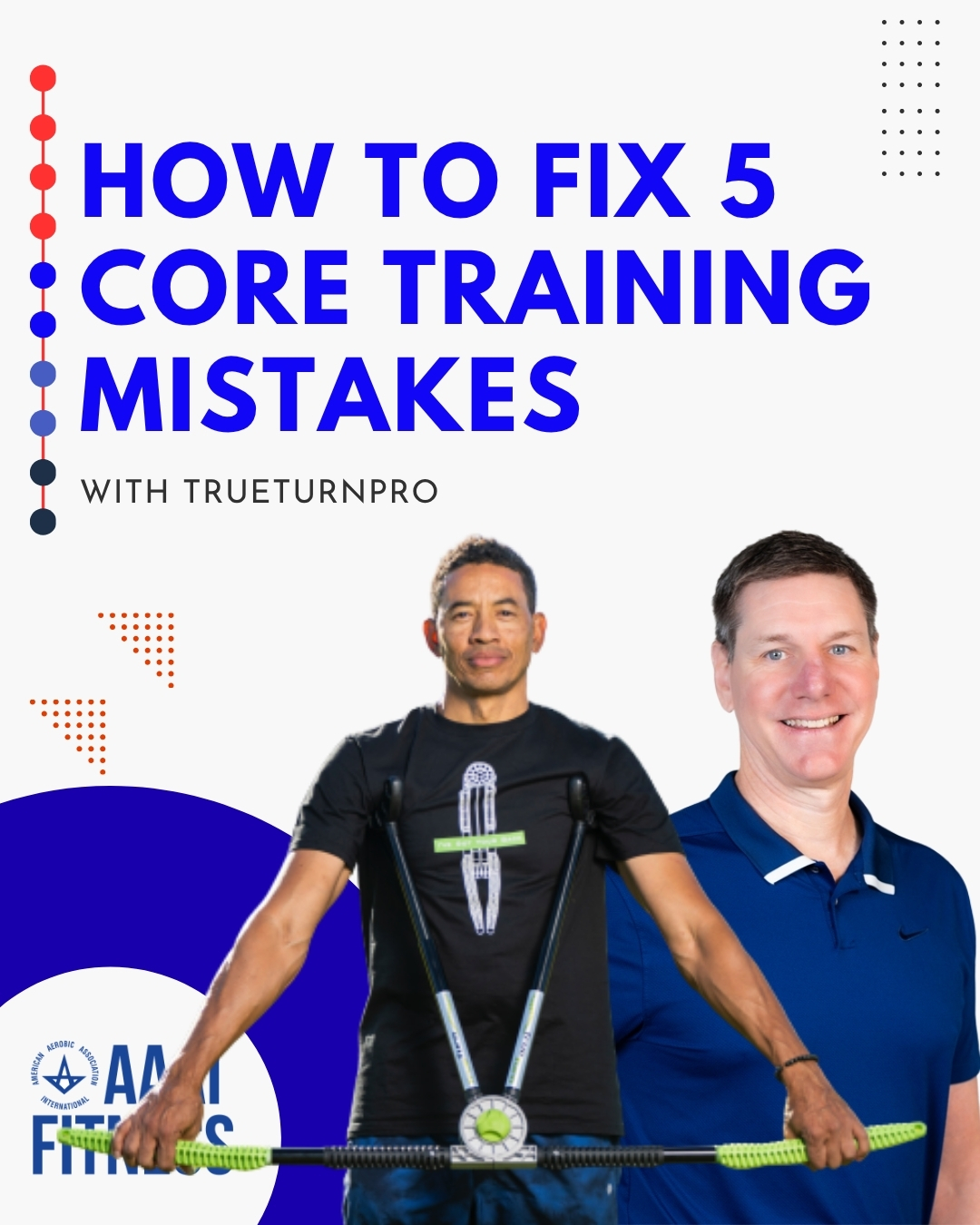
5 Core Training Mistakes Fit Pros Make — And How to Fix Them

Rotation is one of the most fundamental movements in the human body — and one of the most misunderstood in the fitness industry. We sat down with Carl Horne, former NBA strength and conditioning coach and founder of TrueTurnPro, and John Preston, MS, CSCS, Director of Education at TrueTurnPro, to talk about what trainers are getting wrong, what they should be focusing on, and why rotation is the missing piece in most training programs. Here are five takeaways every fit pro needs to hear.

1. Your Clients Are Rotating Every Day — Just Not the Right Way

Most people think of rotation as an exercise. Carl and John want you to think of it as a survival skill.

“You can’t brush your teeth, walk your dog, drive your car, go to the grocery store without rotation. You rotate whatever step you take.” — Carl Horne

The problem? The body cheats. Arms compensate for the spine constantly — and over time, that compensation leads to immobility, dysfunction, and pain. As Carl puts it, it’s a slow ticking bomb that most trainers aren’t addressing specifically enough. If you’re not intentionally training thoracic rotation with your clients, their mobility is quietly declining no matter how much they work out.

2. The Core Is Not Just Your Abs — And Crunches Are Not a Core Exercise

This one might sting a little, but it needs to be said.

“If you were to ask any trainer to list three exercises for core training, crunches is probably going to be on most people’s list. It’s an abdominal exercise, not a core exercise.” — John Preston

John and Carl stress that the industry needs to universally redefine what the core actually is. True core function involves the muscles that move and stabilize the spine — from the shoulders to the hips. Training the abdominals in isolation does not address the thoracic spine, rotational stability, or ground force reaction. If your clients are doing crunches and calling it core work, it’s time to have a conversation.

3. Most Rotational Exercises Aren’t Actually Targeting Rotation

Here’s where things get really interesting — and a little humbling.

“The fitness industry doesn’t know how to appropriately train people in the transverse plane. Instead of teaching them how to, they have tried and they’re not wrong to try. They’re attempting to do the right thing.” — John Preston

Medicine ball wall slams, dumbbell twists, squat-and-rotate combos — these exercises look like rotation, but gravity is pulling straight down, not opposing the transverse plane. That means the resistance isn’t actually challenging the muscles you’re trying to train. John and Carl aren’t throwing shade at trainers for trying — but they are asking everyone to think more critically about where the force is actually being applied.

4. Don’t Lay Fitness on Top of Dysfunction

This is one of the most powerful coaching philosophies in the interview — and it applies to every trainer, at every level.

“The goal for me has always been, don’t lay fitness on top of dysfunction. If somebody’s presenting with low back pain, we’re not trying to figure out how to increase their bench press or their squat or their deadlift. You don’t focus on the fitness until you restore the function first.” — John Preston

Before you load a client, assess them. If something is off — tight hips, weak lower abdominals, limited thoracic mobility — address it. Carl adds that nine out of ten people he examines have hip dysfunction, particularly in the psoas, that is directly contributing to low back pain. Restoration first. Fitness second.

5. The Best Trainers Personalize — Every Single Time

When asked what separates a good personal trainer from a great one, the answer was simple and direct.

“Be mindful of the person in front of you and make sure you personalize the workout to their unique needs. The good trainer knows proper technique from improper technique. The great trainer connects with what’s appropriate.” — Carl Horne

Whether you’re working with a professional athlete or someone who can barely step down one stair, the principle is the same: meet your client where they are, assess their limitations, and design accordingly. That’s not just good coaching — that’s what builds loyalty, results, and referrals.

Want to Go Deeper?

These five tips are just the beginning. Carl and John covered thoracic spine anatomy, kinetic chain mechanics, group fitness applications, and much more in our full interview.

🎥 Watch the full interview below.

And if you’re ready to experience TrueTurnPro for yourself — not just read about it — Carl and John will both be at the AAAI Fitness One World Conference in Atlantic City, June 5–7, 2026.

They’ll be teaching hands-on workshops where you’ll feel the difference in your own hands. As John says, you can’t get that online.

🎟️ Register now at AAAIFitness.com and secure your spot before it’s gone.

📅 June 5–7, 2026 | Atlantic City Convention Center, NJ

Let's Go

From Pandemic Pivot to Purpose

AAAI Fitness Podcast with Dr. Karen Fiorillo Featured Interview
Interviews  •  4 min read  •  Watch the interview ↓

When the gyms closed in March 2020, most instructors hit pause. Dr. Karen Fiorillo went live on Facebook every night and built something called Corona Aerobics, a free class for anyone who showed up that drew 600 to 800 viewers a night at its peak.

Karen is a STEM teacher, personal trainer, barre instructor, published author, and doctoral researcher. She’s been coaching through some version of adversity for most of her career. In a recent conversation with AAAI, she shared insights that go well beyond technique. Here are three that stood out.

600–800viewers a night tuned in to Corona Aerobics at its peak.
15–30minutes is how early Karen arrives before every class.
7–12contacts is how many it takes before someone says yes, by Karen’s count.
01

Your Niche Isn’t a Limitation

Karen works primarily with premenopausal, menopausal, postmenopausal, and postpartum women. She didn’t manufacture that niche. She lived it. Her own history with an eating disorder, overexercising, and the recovery that followed shaped who she is most equipped to serve.

“I’ve been through it, so I can relate to all of the things they’re going through. That’s been my advantage.”

Dr. Karen Fiorillo

She’s clear about what she’s not, too. She doesn’t try to be the trainer for someone building maximum muscle. “I’m probably not your person,” she says without hesitation. That kind of clarity is what builds trust and keeps clients coming back.

Karen’s Advice for Finding Your Niche

For coaches who feel pressure to know everything and serve everyone, Karen’s advice is simple:

  • Work with a wide range of clients for six months.
  • Pay attention to who you’re most effective with.
  • Become the authority in that space.

Your lived experience is a professional asset.

02

The Experience Before Class Matters

Karen arrives 15 to 30 minutes before every class, and she uses that time to set the tone.

Before Every Class, Karen
  • Sets up the mats.
  • Puts the weights out for each participant.
  • Has the music already running when people walk in.

That might sound like a small detail. It isn’t. One of her participants walked in, saw that every spot had weights pre-set, and was visibly stunned.

“The look of shock was unbelievable. If you set that tone from the beginning, they won’t feel uncomfortable.”

Dr. Karen Fiorillo

She also makes a point of asking at every single class, even with the same regulars, whether anyone is new to this format or new to the gym entirely. Because if something makes sense to everyone except one person, that’s not a welcoming environment.

Retention starts with how people feel, not just how hard they work.

The coaches who think about the full client experience before, during, and after class are the ones whose participants follow them from gym to gym when circumstances change.

03

You Are in Sales

Karen teaches entrepreneurship to middle schoolers and runs her own wellness business on the side. She also works the gym floor at Crunch, approaching members whose form is off and offering to help. She doesn’t see that as selling. She sees it as doing her job.

“We have to tell people what’s good for them. We are all kind of an entrepreneur even though we’re not classified as such.”

Dr. Karen Fiorillo
Karen’s Advice for the Sales Side
  • Be authentic.
  • Give value.
  • Don’t try to be who you aren’t.
  • Remember that it takes 7 to 12 contacts before someone says yes.

Persistence, delivered with honesty and care, is a professional skill.

The coaches who build strong, loyal client bases aren’t the ones with the loudest marketing. They’re the ones who show up consistently, educate their clients, and make people feel like coming back is worth it.

Built One Class at a Time

Karen’s career didn’t follow a straight line. She lost three gym homes to closures in three years, rebuilt her client base each time, and never stopped showing up early with the mats already laid out. That’s not luck. That’s the kind of professional identity that gets built one class at a time.

The fundamentals she lives by (know your niche, own the experience, and show up as both a coach and an educator) are the same ones that make a fitness career last.

Watch the Full Interview

Hear Karen’s full story, including how she built Corona Aerobics, navigated three gym closures, and thinks about coaching through adversity.

Become the Authority in Your Niche

Explore AAAI Fitness certifications and workshops to build deeper expertise with the clients you serve best.

See Upcoming Certifications
What's Next?

How Trainers Build Client Loyalty

AAAI Fitness interview with Chavez Green Featured Interview
Personal Training  •  4 min read  •  Watch the interview ↓

In the fitness industry, great workouts matter. But the trainers who truly build careers are the ones who build relationships.

In a recent interview with Chavez Green, we talked with a seasoned fitness professional about what actually keeps clients coming back year after year. His insights reveal that successful trainers aren’t just program designers. They are listeners, professionals, and problem solvers who know how to create trust.

Here are three powerful takeaways from the conversation that every trainer can use immediately.

01

Start With the Client’s “Why”

Too many trainers jump straight into programming without fully understanding the person standing in front of them. Strong relationships start with curiosity.

“Getting to know your client… getting to know who they are and why they’re there, because they’re coming to you for some type of solution.”

Chavez Green

That means asking thoughtful questions during the initial assessment and continuing those conversations over time. Clients change. Their goals evolve. Life happens.

Your role is to stay connected to their motivations so you can guide them through those shifts. He also emphasizes the importance of documenting what you learn:

“If you can’t measure it, you can’t manage it… it’s important to have those measurables and always go back to their why.”

Chavez Green
Great Coaches Don’t Rely on Memory Alone
  • They track progress.
  • They record feedback.
  • They revisit the reasons a client started in the first place.
03

Customer Service Is the Real Secret to Success

Technical skills may open the door, but customer experience is what keeps it open.

According to the interview, the most successful trainers treat personal training like the service industry that it is.

“The first thing is the customer service aspect. We’re in a service industry.”

Chavez Green

That includes everything from organization to communication and preparation.

Showing up on time, having equipment ready, and planning sessions in advance sends a powerful message to clients.

“I already had the bench set up, I had the resistance bands out already… I was already prepared so we could flow right into the workout.”

Chavez Green

When clients see that level of preparation, they know you value their time and their goals. And when communication is clear, trust grows even stronger.

“Every client should feel special… make their experience unique.”

Chavez Green

Because at the end of the day, clients aren’t just buying workouts. They’re choosing you.

Want More Insights From the Interview?

These three lessons are just a snapshot of the full conversation. Watch the complete interview to hear more practical insights on coaching, client motivation, and building a successful career in fitness.

Your next level as a coach starts with the right education.

If you’re ready to strengthen your foundation as a trainer, explore AAAI Fitness’s upcoming certifications and workshops designed to help you master coaching, program design, and client relationships.

See Upcoming Certifications
Keep Going

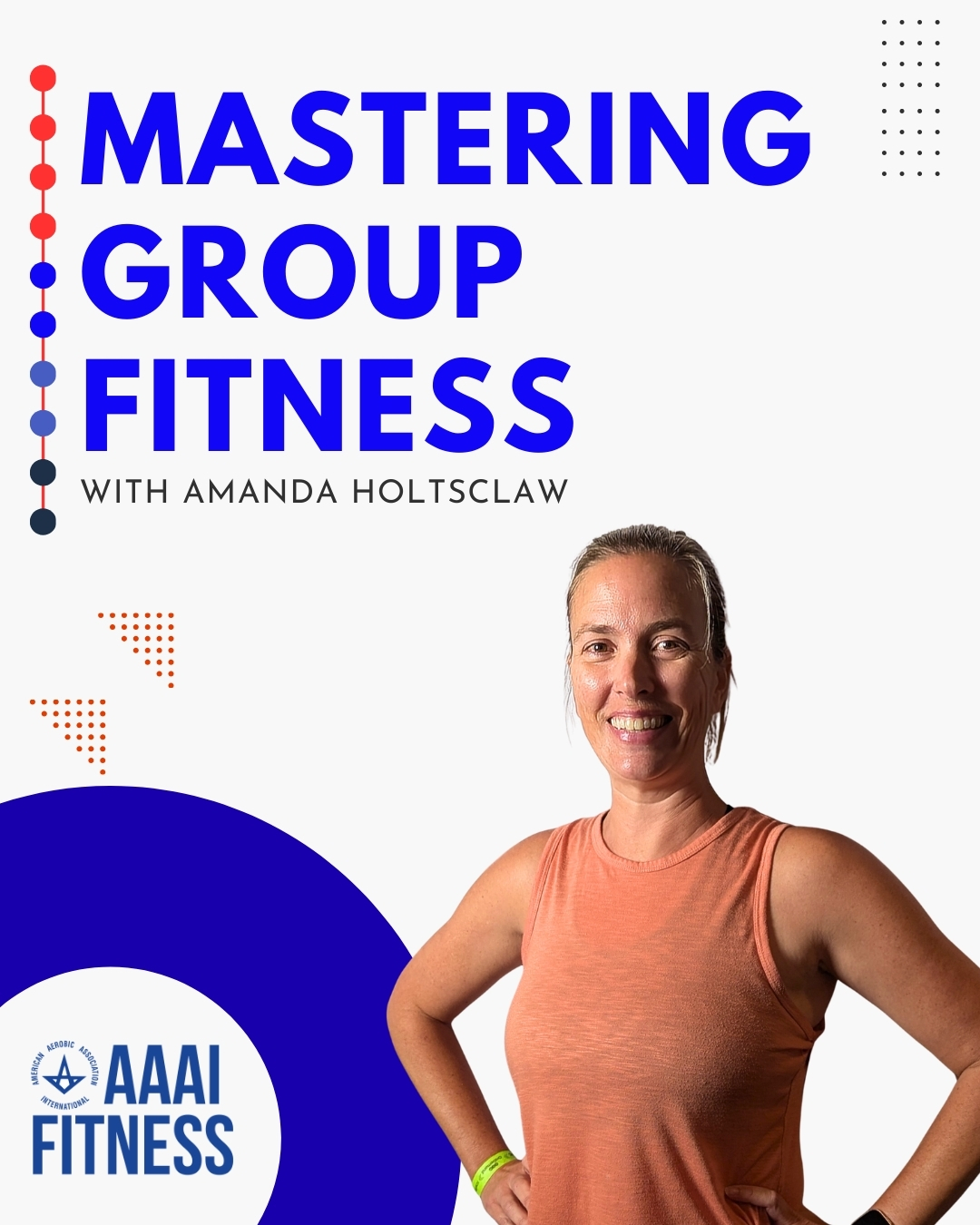
Mastering Group Fitness

Starting as a group fitness instructor can be intimidating. Amanda Holtsclaw, a seasoned group fitness and aquatics coordinator from Tennessee, draws on 15+ years of experience to help new instructors feel confident, prepared, and capable of leading classes that inspire. From handling stage fright to managing participant dynamics, Amanda emphasizes practical strategies that focus on participant experience and instructor confidence.


1. Stage Fright Is Normal — But Invisible to Participants

Amanda reminds new instructors, “Your participants are not going to know if you mess up or make a mistake unless you tell them that you have. So, my tip for that is to smile and to keep going.” She encourages having a “base move” to return to if you forget choreography or next steps, helping maintain flow and confidence during class.

2. It’s About Participants, Not the Instructor

“The class is not our workout. It’s not the instructor’s workout. The workout is for those who are participating in our class.” Amanda emphasizes that maintaining energy, motivation, and correct form is essential to supporting participants’ goals, not showcasing the instructor.

3. Prepare Thoroughly Before Class

Preparation is key to reducing stress and keeping sessions running smoothly. Amanda advises, “Always come to class prepared as much as you can…make sure you’ve got your water, restroom breaks, all of that stuff before you get going. Always make sure you do the class introduction at the beginning of class.” Clear introductions help participants feel welcomed and oriented, setting the tone for a successful session.

4. Handle Conflicts with Empathy

Fitness classes aren’t just about movement—they’re about community. Amanda explains, “Try not to take sides or stir up anything else. But just try to let them know that you understand what both people want and that you hear and understand them.” Active listening and calm conflict management keep the class environment safe and inclusive.

5. Take Care of Yourself to Take Care of Others

Instructor energy matters. Amanda stresses self-care, saying, “Make sure you take care of yourself first…so that you can also still have that energy in yourself so you can give it to others.” Eating a balanced meal, staying hydrated, and resting adequately ensures instructors can deliver high-energy, engaging classes.

Amanda’s tips provide actionable guidance for new and experienced instructors alike. By focusing on preparation, participant experience, empathy, and self-care, instructors can lead confident, fun, and sustainable classes.

Ready to elevate your skills? Watch Amanda’s full video below to see her tips in action, and check out her AAAI workshops and certifications to build a career rooted in science, safety, and success—not trends or fads.

Build a Stronger Career

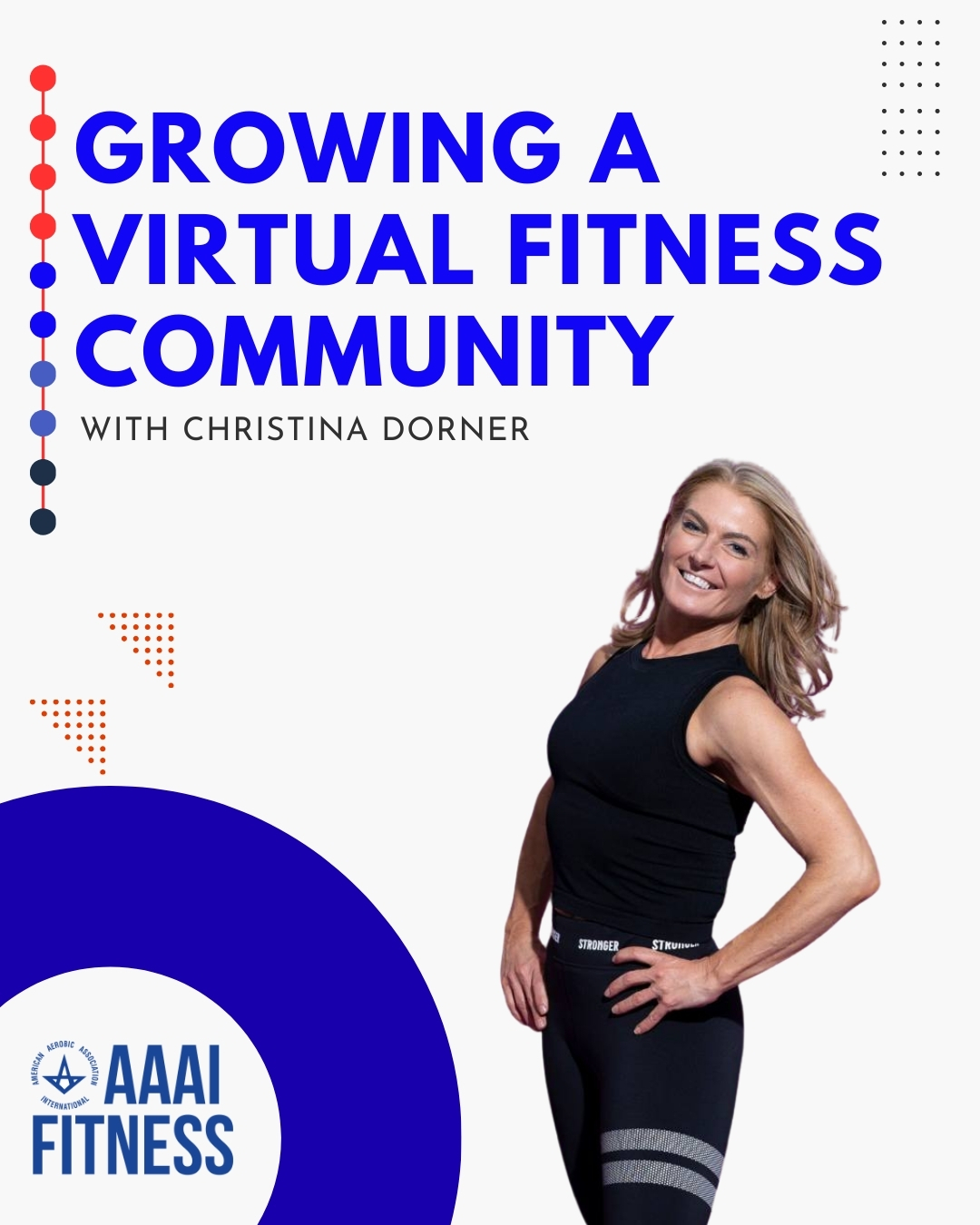
Growing a Virtual Fitness Training Community

When gyms shut their doors in 2020, thousands of fitness professionals were forced to rethink everything they knew about teaching. For Christina Dorner, longtime group fitness instructor and personal trainer, that moment became the beginning of something far bigger than a temporary pivot.

Today, Christina leads live group fitness classes on YouTube nearly every day, reaching hundreds of participants at a time and cultivating a global community that spans continents. What makes her story especially powerful is that it was not built on viral shortcuts or polished perfection. It was built on consistency, curiosity, and an unwavering commitment to being real.

Here are five lessons fitness professionals can learn from Christina Dorner about growing an online presence and building meaningful connection in a digital world.

1. Consistency Beats a Secret Formula

Many trainers search for a hidden algorithm hack or viral trick. Christina’s growth came from something far less glamorous and far more reliable: showing up.

“I just kept working at it. I was not going to give up on it. Once I started, it was just kind of like keep going.”

Christina went live day after day, learning as she went, refining her approach, and committing to the long game. It took nearly three years to reach 100,000 subscribers, a reminder that sustainable success is built through patience and persistence, not overnight wins.

Takeaway: If you want to grow online, commit to consistency before you worry about perfection.

2. Learn the Skill, Not Just the Platform

Instead of copying other fitness creators, Christina focused on understanding the tools behind the scenes. She studied how video, audio, and streaming actually work.

“I wasn’t really basing what I was doing off of what anybody else was doing, except for how to do the audio and how to do the video.”

By learning platforms like OBS and understanding basic production, she gained control over her content and confidence in her delivery. This allowed her to scale without depending on expensive teams or outsourcing.

Takeaway: Learning the fundamentals of tech empowers you to create freely and independently.

3. Design Experiences, Not Just Workouts

What sets Christina apart is that her online classes feel like walking into a live group fitness studio, not pressing play on a video.

“My workouts aren’t shot like a workout video. They’re shot like you’re in a group fitness room.”

Her schedule mirrors what members might experience in a gym, with intentional programming that balances cardio, mobility, and strength across the week. Participants do not have to guess what to do next. The structure is already there.

Takeaway: People stay when you remove friction and help them feel supported and guided.

4. Start With What You Have

Christina’s polished studio did not appear overnight. It evolved slowly, starting with moving furniture out of the living room and eventually becoming a fully built-out basement space.

“I went live on my phone for the first couple months. If that’s what you have, start using your phone.”

She emphasizes that high-end equipment is not a requirement to begin. Clear intention, a willingness to learn, and consistency matter far more than gear.

Takeaway: You do not need the perfect setup to start. You just need to start.

5. Be Human in a World of Filters and AI

One of the most compelling aspects of Christina’s platform is her authenticity. Mistakes are not edited out. Conversations are real. Community members feel seen.

“We’re just really ourselves. I don’t cut out the mistakes. People feel comfortable with that.”

In an increasingly automated and artificial digital landscape, Christina believes real connection is what keeps people coming back.

Takeaway: Authenticity builds trust, and trust builds community.

The Bigger Lesson for Fitness Professionals

Christina Dorner’s success is not about chasing views or monetization myths. It is about service, accessibility, and long-term relationship building. She intentionally keeps her workouts free on YouTube while offering optional ways for members to support the channel, ensuring that movement remains available to anyone who needs it.

Her story is a reminder that fitness professionals already possess the most important tools for online success: empathy, communication, and the ability to make people feel welcome.

In a digital world filled with noise, Christina proves that showing up, staying curious, and leading with heart still works.


Watch the Full Interview

Want to hear Christina’s full story and insights in her own words? Watch the complete interview below to dive deeper into how mentorship, adaptability, and intention can shape a sustainable fitness career.

👉 Watch the full interview below

Keep Exploring

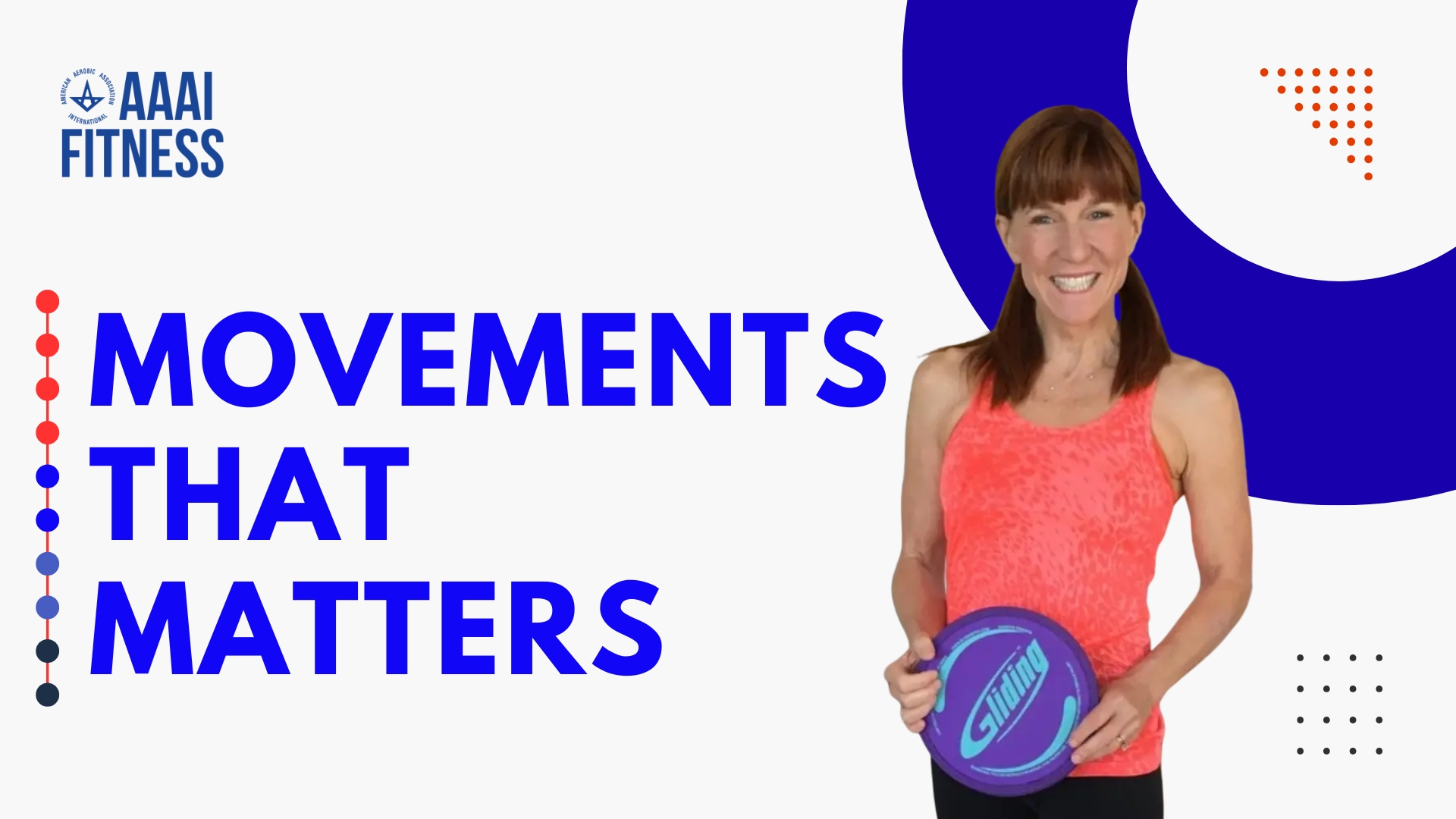
Movements That Matter

When Mindy Mylrea casually refers to herself as a “fitness fossil,” she does so with pride. She has been part of the industry since “before the fitness industry was a fitness industry,” teaching her first mother–daughter disco class at age 17 and spending decades developing programs, educating instructors, and shaping trends that still influence studios today.

From the creation of Gliding discs to her work in wellness, longevity, and active aging, Mindy’s career offers a roadmap for staying relevant in a field that changes faster than almost any other. Here are five key lessons she believes will help fitness professionals thrive for years to come.

Help People Thrive Throughout Life, Not Just During Workouts

One of the most profound shifts Mindy has witnessed is the move from aesthetics and intensity to functionality and longevity. In her words, her proudest contribution has been “creating an opportunity for people to thrive no matter what they do.”

She points to Blue Zones as a model: areas of the world where people live longer not because they spend hours in the gym, but because “they move throughout their life with grace and ease and no aches and pains hopefully till the very end.”

The future of fitness lies in everyday movement, not performance metrics. Trainers who connect exercise to well-lived lives—not just visible results—will be the ones who make the greatest impact.

Use Tools To Create Success and Confidence

When Mindy developed Gliding discs, her goal was not to add another gadget to the fitness floor—it was to make movement accessible. She wanted something “affordable, portable, storable and of course purple,” but more importantly, something that worked for every fitness level.

She reminds trainers that beginners may look at a disc and think, “This is a slippery plate… and I’m going to go right into the splits if I don’t do it correctly.” That fear is real, and trainers must recognize it.

Mindy teaches: don’t just take challenges away; replace them with something equally intentional. Adjust range of motion, remove one disc, or shorten the workload—but “never just take away a foot or take away an arm position. I would add something in return.”

Tools should build confidence, not intimidation.

Stay in Your Lane—But Venture Out

Mindy’s longevity comes from balancing authenticity with creativity. She encourages trainers to root themselves where they thrive most, rather than chasing whatever format is trending.

“You want to look at where you thrive the most,” she says, while also being open to exploring something new. Early in her career she noticed boxing growing but no one was addressing kickboxing. So she trained, launched classes, and helped open the door for what became a major trend. When others more specialized entered the space, she “ventured stage left.”

Her takeaway is simple: explore boldly, release gracefully, and stay grounded in what fuels you.

Follow The Science—Not The Hype

For Mindy, credibility comes from evidence, not excitement. Whether discussing training protocols or nutrition, she returns to one guiding principle: “Nature got it right.”

On the nutrition side, she notes that the world has become “a protein-obsessed society,” often influenced by marketing, not science. She encourages fitness professionals not to “follow the money” but to “follow the science,” emphasizing whole, close-to-source foods.

On training, she highlights similar misconceptions. True Tabata is not any 20/10 circuit—it is a specific anaerobic protocol that demands precision and recovery. In her programs, there is only one true Tabata segment per class to maintain scientific integrity and physical safety.

Education and discernment—not popularity—build trust.

The Future of Fitness Is Wellness

When asked what the next major shift in fitness will be, Mindy’s response is direct: “The next big change in the fitness industry is wellness. It is already huge.”

To her, wellness means an integrated experience where fitness, food, sleep, stress management, and social connection exist under one roof and within one conversation. In her active aging classes, she blends movement with research, reflection, community engagement, and simple take-home actions.

Gyms are validating her prediction by adding meditation rooms, nutrition programs, and holistic services. Fitness professionals who understand whole-person wellness will be positioned for greater impact and sustainability.

Final Thoughts

Mindy Mylrea’s career demonstrates that thriving in fitness requires more than choreography, trends, or intensity. It requires:

  • Training people for life, not just for workouts

  • Using tools to nurture confidence

  • Staying authentic while exploring new ideas

  • Grounding decisions in research

  • Embracing wellness as the new foundation

Her decades of influence serve as proof: when you lead with purpose, curiosity, and care—you don’t just survive the industry’s evolution. You shape it. 

Learn more by watching the full interview below.

Keep Your Career Evolving

PAR-Q vs PAR-Q+: A Practical Guide for Fitness Instructors

PAR-Q vs PAR-Q+: A Practical Guide for Fitness Instructors

PAR-Q and PAR-Q+ are widely used pre-exercise screening tools, but many fitness instructors are unclear on how they differ and when each should be used. This guide explains both questionnaires, outlines professional screening standards, and provides practical guidance for applying them in personal training, group fitness, and online coaching settings.

From Nervous to Natural

If you’re preparing to teach your first group fitness class, congratulations—you’re stepping into one of the most rewarding roles in the fitness industry. Whether your class is choreographed like a Les Mills program or freestyle, your presence, preparation, and personality will define the experience.

After 25 years of teaching, AAAI/ISMA faculty instructor Joanne Smith-Taverner shares her top tips to help new instructors lead safe, effective, and fun classes from day one.

1. Practice, Practice, Practice

This one can’t be overstated. When you’re in front of a class, you’re there to teach, not to practice. Your preparation should happen long before participants arrive.

Joanne recommends rehearsing your routines in front of a mirror while cueing—again and again—until the movements and words flow naturally. The goal is to know your material so well that you can focus fully on your participants, not on remembering what comes next.

And always have a Plan A, B, and C. Things will go wrong—music glitches, room changes, missing equipment—so stay flexible and ready to adapt with confidence.

2. Arrive Early and Set the Tone

Professionalism starts before the first song plays. Arrive early, set up your space, and greet participants as they come in. Play upbeat music before class begins—it signals that something fun and energetic is about to happen.

As Joanne says, “People come to class to forget their problems. This is their one hour of me time.” Create an environment that feels welcoming and positive. That means leaving your personal stress outside and showing up fully for your participants.

3. Build Connection and Community

New participants often feel nervous. Make it a point to introduce yourself, learn their names, and pair them with a regular who can help them feel at home. This simple act builds instant connection and increases the likelihood they’ll return.

After class, check in with newcomers: “How did that first class feel? Don’t worry if you missed a few moves—everyone starts there. You’ll get it with practice!” Encouragement creates belonging, and belonging drives consistency.

4. Communicate Clearly and Cue Early

Your communication skills will make or break the class experience. Always cue before the movement happens, not during or after. Anticipatory cues—like “In four counts, we grapevine right!”—keep everyone in sync and prevent frustration.

Visual and verbal clarity are equally important. Use phrases like “Tell, show, do”—tell them what’s coming, show it, then do it together. Move around the room so everyone can see you, and use self-checks (“Let’s all look at our knees—are they tracking over our shoelaces?”) instead of singling people out.

5. Stay Professional and Keep Learning

From your attire to your playlist, every detail contributes to your credibility. Dress appropriately for the setting, choose inclusive and upbeat music without profanity or offensive lyrics, and always model professionalism.

Finally, never stop learning. Attend other instructors’ classes, seek feedback, and keep your certifications current. Joanne reminds us that “teaching group fitness is both an art and a science.” The best instructors blend knowledge, creativity, and care to help others move better and feel stronger.

Final Thoughts

When you’re leading a class, you’re more than just a fitness instructor—you’re a motivator, educator, and role model. Prepare thoroughly, show up early, connect authentically, cue clearly, and keep growing.

Because when your participants feel seen, supported, and successful, they’ll keep coming back—and that’s where the true magic of group fitness begins.

Don't Stop Now

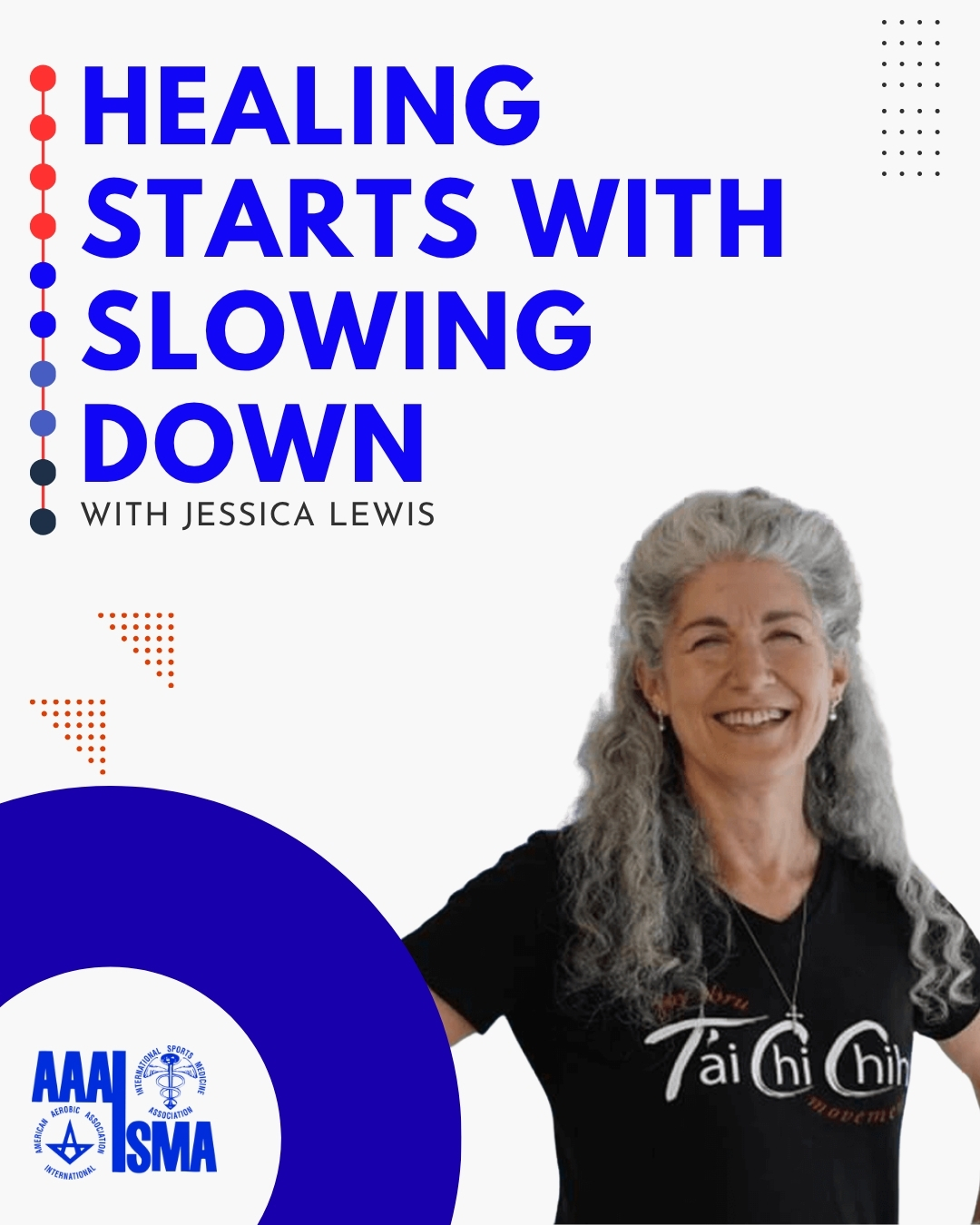
Healing Starts with Slowing Down

When it comes to helping people improve their physical, emotional, and mental well-being, certified personal trainer and wellness coach Jessica Lewis takes a holistic approach. Through her work with both veterans and civilians, Jessica uses the gentle yet powerful practice of Tai Chi Chih to promote healing, mindfulness, and connection. Here are five lessons from her conversation with AAAI that every wellness professional can learn from.

1. Meet People Where They Are

Jessica believes fitness should be accessible to everyone. “There’s nobody on the planet that I’ve ever encountered, and I can’t even imagine someone who can’t do Tai Chi Chih,” she says. By offering mindful movement that anyone can do, she creates a foundation for progress and self-confidence. Sometimes, all it takes is one small, positive habit to start a “snowball effect in which they might be more receptive to doing other things that simply make them feel good.”

2. Soften to Find Strength

Jessica’s background in karate taught her about power, but Tai Chi Chih taught her something deeper. “The biggest lesson I think I’ve taken from Tai Chi Chih is there’s often more power in being soft,” she explains. This lesson challenges the “no pain, no gain” mentality that dominates fitness culture. Through mindful movement, clients learn that gentleness can be transformative.

3. Honor Rest and Recovery

In a culture that celebrates overtraining, Jessica reminds us that recovery is essential. “Another thing in this country we simply don’t honor is the value of rest,” she says. Adding mindful movement into a training program can enhance performance, mimic some of the benefits of sleep, and support both physical and emotional recovery.

4. Mindfulness Builds Resilience

For Jessica, mindfulness isn’t just a buzzword—it’s a skill that can be trained. “Practicing mindfulness will help you train your well-being, like you’re learning a new exercise or a new skill,” she says. Tai Chi Chih helps participants become more present, focused, and compassionate toward themselves—qualities that ripple into all areas of life.

5. Healing Begins with Connection

Working with veterans, Jessica has seen how powerful connection can be in the healing process. “Veterans are six times more likely to die by suicide than in combat,” she notes. “They crave that esprit de corps that they had when they were in the military.” Through her classes, Jessica recreates that sense of community and safety—helping participants feel seen, supported, and valued.

Jessica’s story is a powerful reminder that movement is more than physical—it’s emotional, mental, and deeply human. Her work with Tai Chi Chih demonstrates that healing often begins not with intensity, but with awareness, compassion, and mindful presence.

To learn more, please watch the entire interview below.

Don't Stop Now!

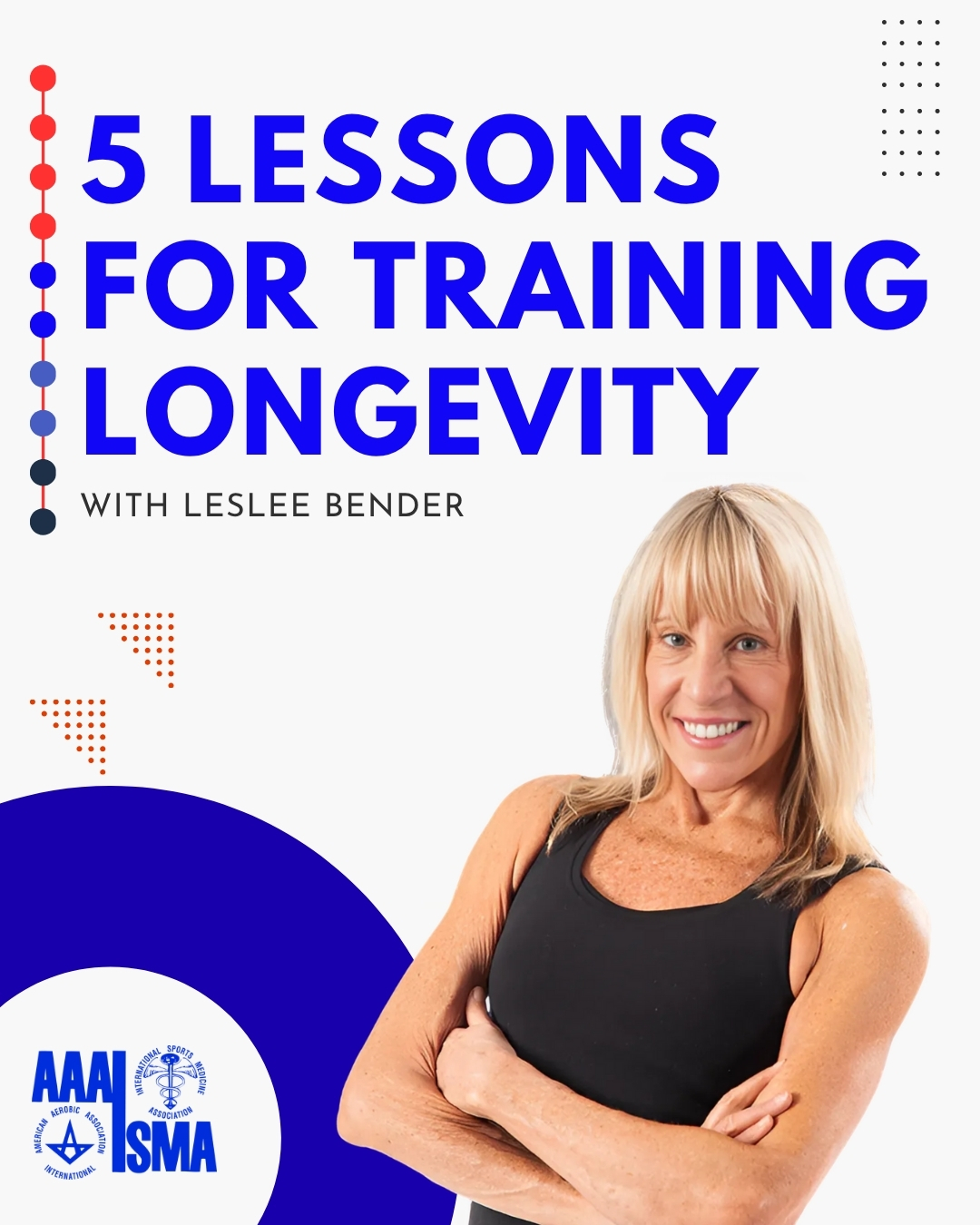
5 Lessons for Training Longevity

With over three decades of experience, countless certifications, and an unshakable passion for movement, Leslee Bender has helped shape the modern fitness landscape. As the creator of the Bender Ball Method and founder of the Ageless Training Academy, her mission has always been clear: to bridge the gap between exercise science and real-world application.

Here are five timeless lessons from Leslee’s journey that every fitness professional can learn from.

If you want to learn more from Leslee live, join her on November 8th at 11am ET for “The Ultimate Bender Ball Workshop.” Register here.

1. Find a Mentor and Get in the Trenches

“You cannot understand the complexity of the human body by a textbook. You’ve got to get into the trenches. I always recommend to a new trainer to be mentored by somebody who truly understands the biomechanics and functionality of movement.”

Leslee emphasizes that certifications provide the foundation—but true mastery comes from hands-on experience and mentorship. Learning directly from seasoned professionals allows trainers to apply science with precision and empathy, translating theory into results.

2. Learn from Your Mistakes—and Protect Your Longevity

“When I first started in this industry, I was doing all the stupid stuff—it landed me a knee replacement. Had I known then what I know now, I would have no joint issues. I simply want trainers to understand why they’re doing what they’re doing, so they have a long, healthy life without unnecessary injuries.”

Her honesty is refreshing and essential. Longevity in fitness depends not only on training clients smartly—but also training yourself with purpose and care. Understanding why you move a certain way keeps both you and your clients strong for decades to come.

3. Focus on Function, Not Fads

“We train with the fads and what’s cute—‘squeeze your booty,’ all this crazy, stupid stuff—and we’re not really looking at how our clients are moving. If you just take a moment to observe and digest, you’ll actually see where their dysfunctions are.”

Leslee challenges trainers to rise above social media trends and flashy gimmicks. True professionals assess, observe, and correct movement patterns instead of chasing the latest fitness craze. Function will always outlast fashion.

4. Treat Certification as the Starting Line

“You don’t become an accountant in a day. A certification is just your stepping point. Jump in with both feet, invest in education, and find what genre turns you on—yoga, Pilates, functional training, whatever. It has to be something you’re passionate about.”

According to Leslee, earning your certification isn’t the finish line—it’s where the real learning begins. The most successful professionals are lifelong students, constantly evolving their knowledge and staying curious about new modalities.

5. Help People Move—and Live—Pain-Free

“Most people associate foam rolling with pain. But when you ease into myofascial work and move immediately after, the pain dissipates. It’s like an intense, deep tissue massage with similar benefits. People leave my class saying, ‘I came in stressed out and left with a sense of peace.’ That’s what keeps us ageless.”

Leslee’s Ageless Training Academy focuses on sustainable, intelligent movement designed to reduce pain, restore balance, and help people thrive at any age. For her, success isn’t defined by aesthetics—it’s about helping people move well and live well.

Final Thought

From mentorship to mindfulness, Leslee Bender reminds us that fitness is more than just movement—it’s mastery, compassion, and lifelong learning.

👉 Want to hear more from Leslee?
Watch the full interview for deeper insights into her career, methods, and the future of intelligent fitness training. If you want to learn more from Leslee live, join her on November 8th at 11am ET for “The Ultimate Bender Ball Workshop.” Register here.

Keep Learning

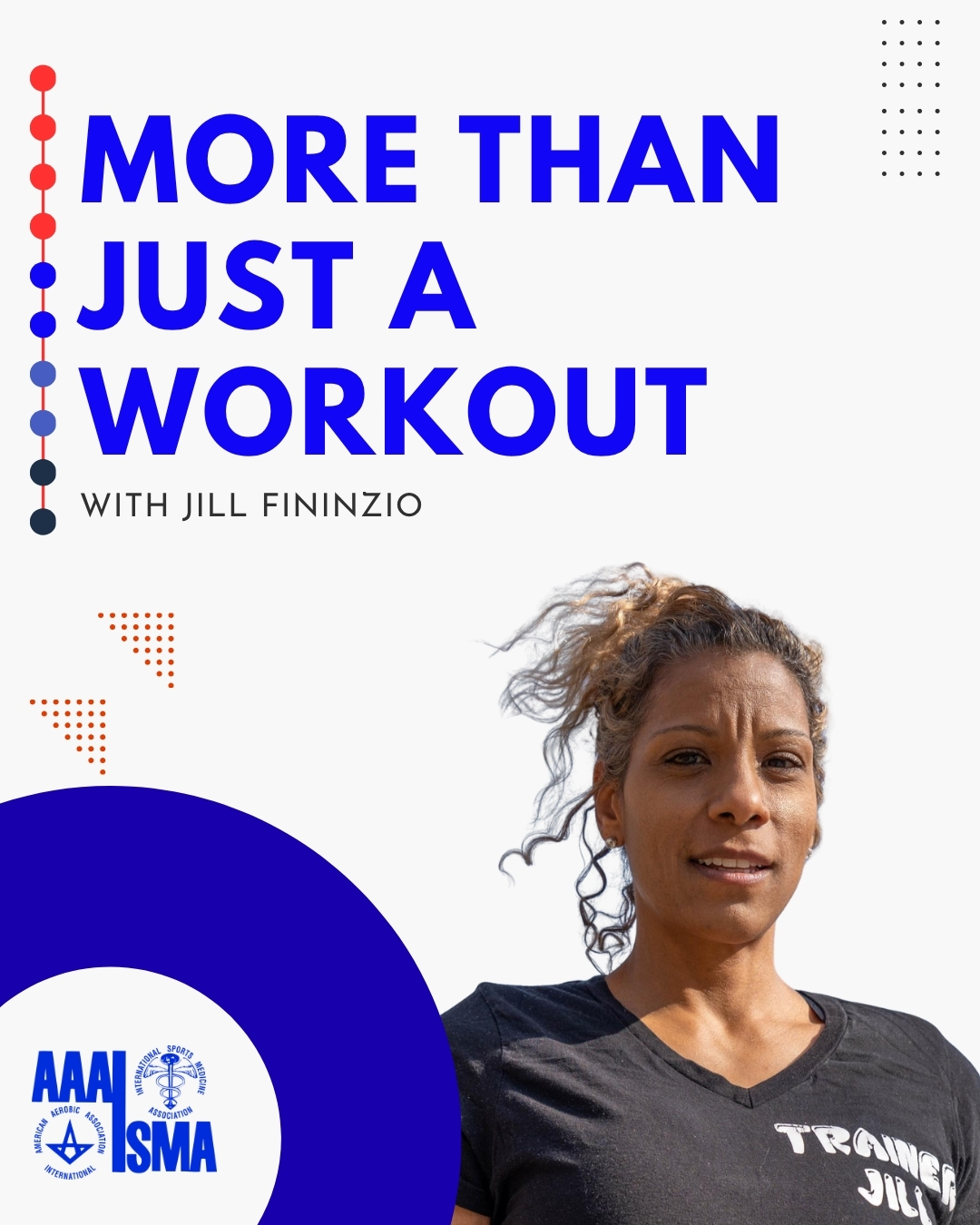
More Than Just a Workout

When gyms closed in 2020, fitness professionals everywhere faced an impossible choice: pause their passion or pivot hard. For Jill Fininzio, founder of Ladies of MaxxFit, that moment became the turning point of her career.

Instead of waiting for things to go “back to normal,” she got creative — turning her basement into a full-fledged training space, moving benches and barbells past the couch, and welcoming her most loyal clients into a completely new kind of fitness experience.

What started as a makeshift setup during lockdown has since evolved into a thriving community of women who show up not just for the workouts, but for each other. Through resilience, authenticity, and a deep belief in the power of movement, Jill built more than a business — she built belonging.

Her story is proof that long-term retention doesn’t come from fancy marketing or massive budgets. It comes from connection, consistency, and a willingness to serve.

Here are five lessons every fitness professional can learn from Jill’s journey to create a business that keeps clients coming back year after year.

1. Start Where You Are and Make It Work

When the world shut down, Jill refused to let her clients lose momentum.

“I just kind of took my business into my home and created a gym in my basement,” she recalls. “A lot of my women followed me. I had about five or six clients who were coming to the house… we brought in benches, an elliptical, a Smith machine, rubber flooring, and even used my couch for glute bridges.”

Her resourcefulness not only kept her clients active — it built unshakable trust.

Lesson: When things get tough, your clients will remember how you showed up for them.

2. Build a Community, Not Just a Client List

Jill’s retention strategy wasn’t flashy. It was human.

“I had loyal girls, loyal women that stuck with me and were dedicated to their fitness,” she says. “We still hang out. We still have social gatherings. The women that poured in and the friendships and the support in the community really made the Ladies of MaxxFit who it is.”

That sense of belonging is the foundation of her brand.
Lesson: Clients stay when they feel seen, supported, and part of something bigger than a workout.

3. Know Your Niche — and Own It

“I work well with older adults,” Jill shares. “I love older adults. I volunteer for hospice and Alzheimer’s patients. That is my passion.”

By embracing what she loves most, Jill attracts clients who value her expertise and energy. “It takes a good five years to really build a solid company,” she adds. “You just have to push forward and not give up.”

Lesson: Stop trying to appeal to everyone. The right clients will find you when you lead with authenticity.

4. Keep It Real — With Yourself and Your Clients

When asked what advice she’d give to other trainers, Jill didn’t hesitate:
“Don’t overpromise and underdeliver. You’re not going to change your body in 30, 60, or 90 days. Be patient. Be honest. I tell my clients, ‘We’re not looking at 100 pounds — that’s overwhelming. Let’s look at one to two pounds a week.’”

Lesson: Retention thrives on trust. Be the coach who tells the truth, not the one who sells the fantasy.

5. Lead with Heart, Not Just Hustle

For Jill, fitness is about purpose, not profit.
“It’s not about the money for me. I do it because I love it. I love working with my clients and seeing results. If you’re not going to commit like I am, then it’s just not a good partnership.”

That clarity — of values and vision — fuels her long-term success.

Lesson: Passion and professionalism go hand in hand. Your energy sets the tone for your entire business.

Final Thoughts

From basement workouts to a thriving brand, Jill Fininzio’s story is proof that connection, community, and consistency are the real drivers of retention.

As she says:
“You can’t build a business in a year and expect it to make millions of dollars. You have to push. You have to move. And you can’t give up.”

To hear more, watch the entire interview below.

Stop Waiting for Permission

When you meet Tarnissha “Moe” Sass, you don’t just hear her words—you feel them. She brings energy, honesty, and deep compassion into every space she enters. Known as a Vision Strategist Coach for Women, Moe helps high-achieving women create lives that feel purposeful and aligned. But her wisdom isn’t theoretical. It comes from lived experience—navigating fitness, motherhood, corporate life, loss, healing, and reinvention.

Her journey is proof that your story, no matter how messy, can become your superpower. In her AAAI interview, Moe opened up about the lessons that shaped her and now shape the women she coaches. These aren’t abstract ideas—they’re truths born out of resilience, faith, and learning to stand firm in her own worth.

Here are five powerful insights from Moe Sass’s story that every woman—and every fitness professional—can take to heart.

1. Honor Your “Why”

When Moe talks about her grandmother, her whole face lights up. Her grandmother prayed for her, believed in her, and became the foundation of her “why.”

“I never want to forget about all the things that she prayed for me to get me to where I am today.”

That “why” isn’t just sentimental—it’s a daily motivator. When Moe faces challenges, she remembers that her success is part of a bigger story, one built on the sacrifices and prayers of the women who came before her.

For all of us, this is the invitation: pause and ask, What’s my why? Who am I doing this for? That answer can fuel you on the hard days, keeping you grounded and focused when you’re tempted to quit.

2. Get Your Vision Straight

According to Moe, the biggest obstacle standing between women and fulfillment isn’t lack of talent, resources, or opportunity—it’s lack of clarity.

“If we just get the vision straight, then guess what? You’ll know what direction you’re headed in. You’ll be in alignment. And when we’re in alignment, we’re fulfilled.”

Too often, women chase every opportunity, saying yes to everything, but feeling empty. Moe reminds us that a clear vision acts like a compass. When you know where you’re going, you stop wasting time on distractions and start making decisions that truly serve you.

In her coaching, Moe helps women step back from the noise and craft a vision that excites them. Once the vision is clear, the pieces fall into place—the career path, the relationships, the habits. Everything becomes easier because it’s all connected to a bigger picture.

3. Replace “Have To” with “Get To”

Life as a woman often feels like a never-ending to-do list: work, family, fitness, caregiving, and everything in between. Moe sees this all the time with her clients. The language they use is heavy with obligation: I have to do this. I have to get that done. I have to keep pushing.

Her response? Shift the perspective.

“When we operate out of ‘I have to,’ we forget that we get to. We forget that we can choose to. And we really forget that we’re blessed to.”

That mindset shift changes everything. Suddenly, going to the gym isn’t a burden—it’s a privilege. Spending time with your family isn’t just another responsibility—it’s a gift. Even difficult tasks can be reframed as opportunities for growth.

Moe challenges women to stop living on autopilot and start seeing their daily routines as blessings they get to experience.

4. Move Trauma Out of Your Body

One of the most powerful parts of Moe’s story is how she connected fitness and healing. After experiencing personal tragedy, she discovered that unprocessed trauma wasn’t just an emotional weight—it was stuck in her body.

As a AAAI-certified yoga instructor, she began to understand that movement isn’t just about strength or flexibility—it’s about release.

“Trauma gets stuck in our bodies…when you move your body, that stagnant energy moves out so something new can come in.”

Whether it’s yoga, dance, or strength training, movement became a tool for Moe to process pain and invite in renewal. She now teaches her clients the same truth: exercise isn’t just about looking better; it’s about feeling free.

This perspective is especially powerful for fitness professionals. It’s a reminder that our work isn’t only about physical transformation. It’s about creating safe spaces where people can heal, breathe, and reclaim their bodies.

5. Don’t Wait for Permission

Moe sees a recurring pattern in the women she coaches: they’re doing all the “right things.” They’re going to therapy, attending seminars, even hiring coaches. But despite all this effort, they still feel unfulfilled.

The reason? They’re waiting for someone else to validate them.

“They’re doing all the things—therapy, coaching, seminars—and they don’t understand why they’re still unfulfilled. It’s because they’re still waiting for permission.”

Moe’s message is simple but bold: stop waiting for permission. You don’t need anyone else’s approval to live your vision. You don’t have to earn the right to be happy, or strong, or successful. The power is already in your hands.

Her story is proof of this. From being a teen mom on welfare to becoming a sought-after coach, Moe never waited for the world to tell her she was ready. She gave herself permission to step into her purpose—and now she helps other women do the same.

The Heart of Moe’s Message

At the end of the day, Moe’s warmth comes from more than her words. It’s in the way she makes you believe that change is possible. Her story is one of resilience, authenticity, and faith—but also of practical tools that anyone can use.

She teaches that your “why” will ground you. Your vision will guide you. Your mindset will transform your day-to-day. Your body can release what your heart has carried too long. And your permission slip? You write it yourself.

Moe Sass’s journey—from teen motherhood, to loss, to corporate life, to becoming a thriving Vision Strategist Coach—is a testament to the power of faith, movement, and clarity. She embodies what it means to take pain and turn it into purpose.

👉 Want to hear Moe’s full story in her own words? Watch the AAAI interview and be inspired by her warmth, wisdom, and truth.

Consistency Protects Your Future

Mike has spent decades in the fitness industry—building businesses, mentoring trainers, and learning the hard lessons that textbooks rarely cover. His insights reveal what it really takes to build a sustainable career in personal training.

Here are five powerful tips Mike shared in his recent conversation.

His journey shows that being a trainer isn’t just about sets, reps, and nutrition plans—it’s about business skills, people skills, persistence, and the courage to keep evolving. From cold-calling golfers to celebrating clients’ chemo milestones, Mike’s advice proves that success in fitness is about connection, strategy, and consistency.

1. Learn the Business Behind the Barbell

Passion alone won’t keep the lights on.
“We know how to do sets and reps… but we don’t know how to set up an LLC. We don’t know how to set up a retirement plan. We don’t know how to get clients… how to market.”

For Mike, the turning point was realizing business is part of the craft. Whether it’s creating a bank account, setting aside taxes, or tracking expenses, trainers who treat their business as seriously as their workouts last the longest.

2. Ask the Right Questions in Interviews

A good interview isn’t about having all the answers—it’s about asking the right questions.
“What would I have to do to make you feel like I’ve been successful a year from now?”

Mike believes this one question sets clear expectations from day one. Pair it with practical questions—like how trainers get clients, what the average income is, and how emergencies are handled—and you’ll stand out as someone who understands both safety and sustainability.

3. Find Your Niche and Go Where Your Clients Are

Success comes from serving the right people, not everyone.
“The biggest thing… is finding your niche… and it’s about people relationship. If you’re not hanging out where your clients hang out, you better start changing.”

Mike’s early breakthrough came from cold-calling golfers and guaranteeing a better score. Today, his advice is timeless: know who you serve, learn their world, and meet them where they are—whether it’s a golf course, a running club, or a local restaurant.

4. Keep Pushing Even When You’re Busy

Complacency is the enemy of consistency.
“When it’s at its highest time… you got to hammer the hardest then because it can change overnight.”

Mike reminds trainers that the time to market is not when you’re desperate—it’s when your schedule feels full. Clients leave, life changes, and downturns happen. The trainers who stay consistent with outreach and learning avoid the rollercoaster.

5. Don’t Take Yourself Too Seriously

At the heart of it all, fitness is about people.
“Don’t get so serious. Take yourself lightly… most people who are really good trainers are not perfect people.”

Mike emphasizes that clients connect more with authenticity than with perfection. Trainers who celebrate client wins, share real struggles, and stay human inspire loyalty that no certification can buy.

Final Takeaway

Mike’s wisdom strips away the glamour and gets to the truth: personal training is a business of relationships, resilience, and continual growth. His advice is simple but powerful—master the business, ask better questions, focus on your niche, stay consistent, and stay human.

Follow these five principles, and you won’t just survive as a trainer—you’ll thrive. And be sure to watch the full interview below for more insights and inspiration straight from Mike himself.

Learn More Here

Resilience, Confidence, and Pilates

Rebecca West Hensinger has lived a life full of achievements—from Ironman triathlons to teaching Pilates, from winning Mrs. Pennsylvania to becoming a sober advocate. Through her journey, she’s gained insights that every fitness professional and enthusiast can learn from. Here are five powerful tips she shared in her recent interview.

Her journey reminds us that achievement isn’t limited to one path or one stage of life—it’s about persistence, balance, and the courage to keep learning. From teaching her first Pilates class with nerves, to competing on stage in front of judges, to crossing Ironman finish lines with her husband, Rebecca has shown that growth happens when you commit to both the physical and mental work. Her story is not just about accomplishments—it’s about building confidence, finding joy in the process, and inspiring others to do the same.

1. Success After 30 Is Possible—and Powerful

Rebecca didn’t start building her long list of accomplishments until her mid-30s. Her story proves it’s never too late to push yourself to new levels of success.

“Everything that you’ve listed, I started in my later 30s. Once I hit around 35, something in me told me I had to be full steam ahead.”

Her message is clear: growth doesn’t have an expiration date.

2. Mental Preparation Is Just as Important as Physical Training

Whether training for an Ironman or competing in Mrs. America, Rebecca found the true challenge was in her mindset.

“The mental preparation was everything… What is the mental state that I have to be in to get the most out of this experience and walk away feeling content?”

Visualization, self-belief, and mental resilience are the foundation of achievement.

3. Stay True to Yourself

Rebecca shared a story about being told to change her hair for competition, only to realize she felt stronger when she embraced her authentic self.

“By day four I was like, I want my hair back, I want to feel like me. And I swear, people started seeing me for the first time.”

Authenticity fuels confidence—sometimes the smallest details make the biggest difference.

4. Never Stop Being a Student

Even after decades of teaching, Rebecca emphasizes the importance of continuous learning and growth.

“The ongoing training, the ongoing education, the ongoing being a student yourself is what makes you a great instructor. Be a student first.”

Her advice resonates beyond Pilates—it’s a call to keep evolving in every aspect of life.

5. Consistency Creates Transformation

Rebecca has witnessed clients go from struggling to perform simple movements to mastering advanced Pilates exercises. The secret? Showing up over time.

“I’ve watched women move from barely getting their legs to 90 degrees to touching their toes behind their head. The confidence that comes with that—priceless.”

Consistency builds both physical strength and self-belief.

Rebecca’s story is proof that resilience, authenticity, and lifelong learning can change everything. If you’re inspired, don’t just stop here—join Rebecca for her upcoming courses, including the Mat Pilates Instructor Certification, and continue your own journey of growth.

And be sure to watch the full interview below for more insights and inspiration straight from Rebecca herself.

Ready to Learn More

0