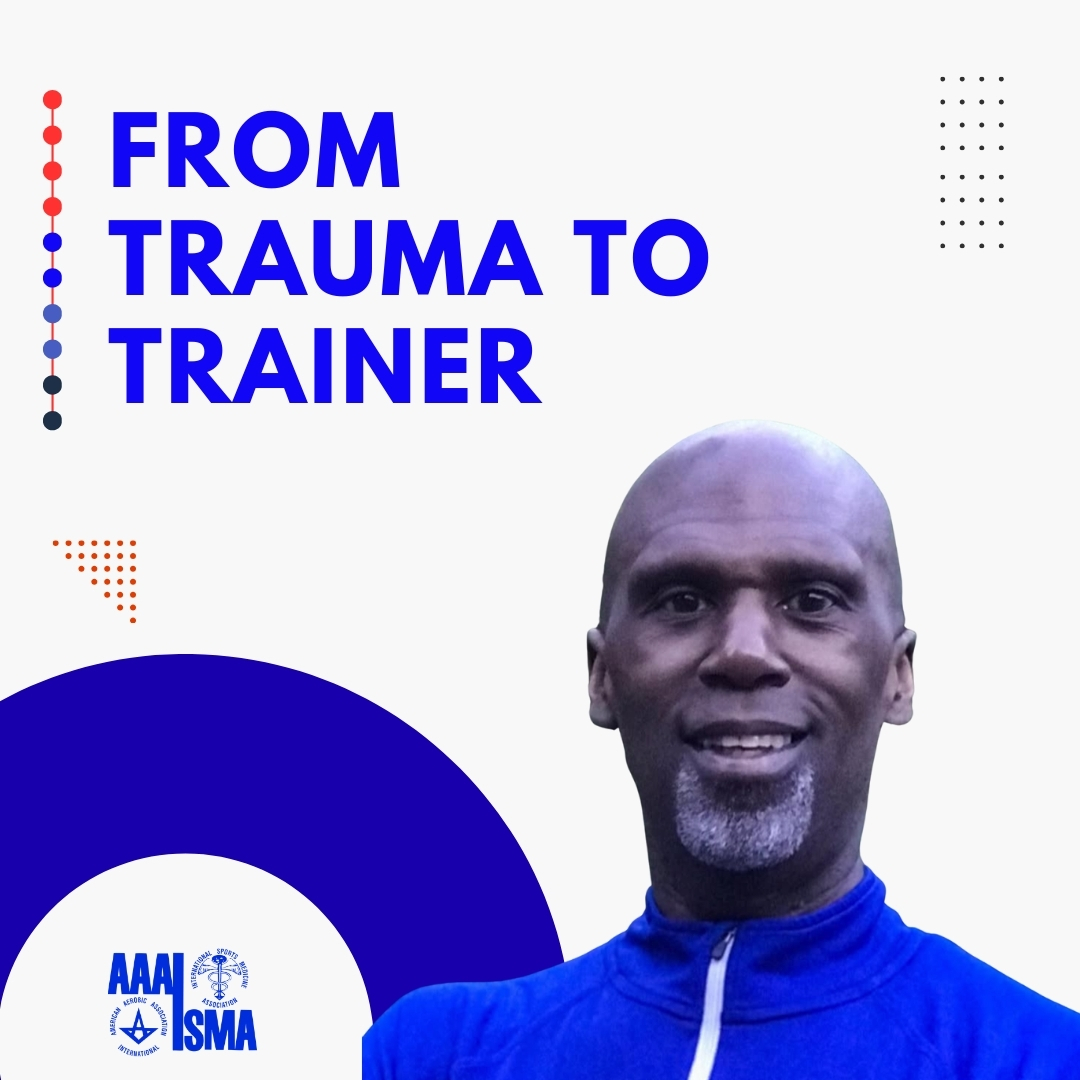
From Trauma to Trainer

When Eugene Lloyd walked into a gym on August 28, 1993, he didn’t realize that moment would set him on a path from surviving a near-amputation to losing 120 pounds—and eventually helping countless others transform their lives. Today, Eugene is a personal trainer at 713 Fitness and works with both personal training and group fitness teams at Merritt Athletic Club in Maryland. His journey wasn’t linear. It involved trauma, injury, setbacks, and even an eating disorder before he found a sustainable, balanced approach to fitness and nutrition.

Eugene’s story offers more than just inspiration—it’s a playbook for fitness professionals and clients alike. Here are five lessons you can take from his journey:
1. Listen to What Clients Say—and Don’t Say: One of Eugene’s most powerful coaching tools isn’t a barbell—it’s listening. Clients will often reveal their needs indirectly. By paying attention to both their words and what’s left unsaid, trainers can identify emotional barriers, hidden fears, or underlying struggles that may be blocking progress.

2. Create a Safe Space for Honest Conversations: Nutrition, in particular, can be a sensitive topic. Eugene learned early on that creating a judgment-free, confidential environment helps clients open up about setbacks without shame. This builds trust and allows for real, lasting change.

3. Find the “Inroad” That Unlocks Movement: One breakthrough moment came when Eugene used gardening—a client’s favorite hobby—to help them master a squat. The takeaway? Relate exercises to activities your clients enjoy. It bridges the gap between training and everyday life.

4. Keep Learning—Even in Areas You’re an Expert: Despite decades of experience, Eugene hired a nutrition coach for accountability. His advice: check your ego at the door. Even seasoned professionals can benefit from an outside perspective.

5. Remember That Communication Beats Credentials: When hiring trainers, Eugene looks first for people who can connect and converse—not just those with impressive certifications. “All the knowledge in the world won’t help you if you can’t speak to them,” he says.

Eugene’s journey proves that fitness isn’t just about sets and reps—it’s about relationships, trust, and meeting people where they are.

Want to hear the full story—including the emergency surgery that started it all and the old-school nutrition advice that helped him drop 120 pounds? Watch the full interview below.

Ready to Learn More?

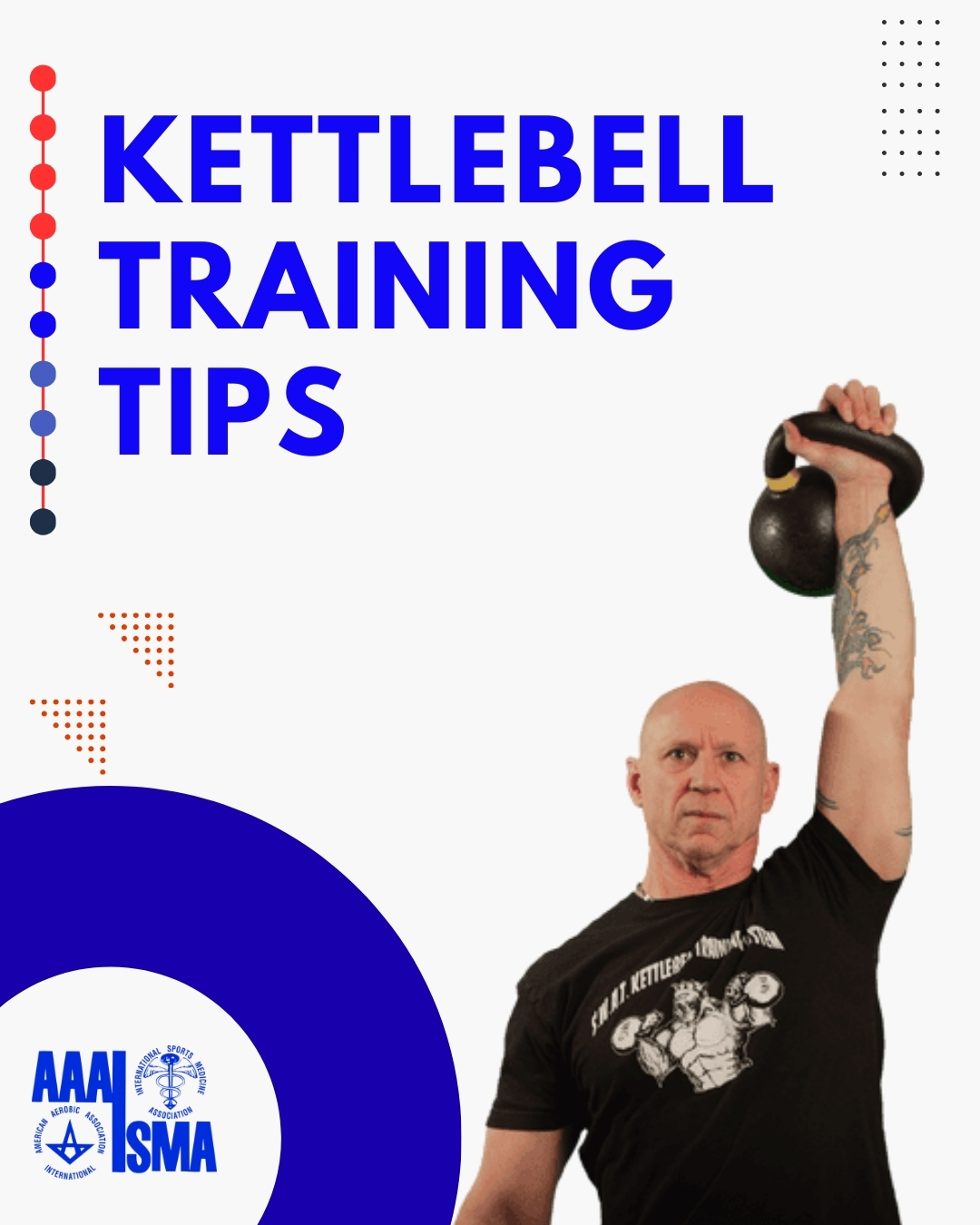
Kettlebell Training Tips

Master Phil Ross isn’t just a kettlebell coach—he’s a ninth-degree black belt, strength coach, and creator of the BodyBell Method. He’s trained everyone from special forces to clients in their 70s, and he’s seen a lot of mistakes and misconceptions about kettlebell training.

Here are five of his top tips, straight from our conversation.

1. Invest in Quality Equipment

“Most kettlebells out there are made by fitness equipment manufacturers, not by people who actually use kettlebells. The Dragon Door bells are the ones I’ve had for 20-plus years—the balance, the handle feel, the finish—it all matters. Don’t go for the rubber-coated ones thinking they’ll save your floor. Don’t drop your bell in the first place.”

2. Learn Hardstyle for the Best All-Around Results

“In hardstyle training, you’re hitting all three types of muscular fitness—strength, explosive power, and muscular endurance. You also get mobility, flexibility, cardiovascular conditioning, and body composition benefits. Plus, there’s a neuromuscular component—you have to be mentally engaged.”

3. Don’t Trust Gimmicks

“You can put a handle on a dumbbell, but it’s not the same. The kettlebell’s center of gravity is offset, and that forces your body to recruit stabilizers in ways a dumbbell never will. Same thing with adjustable or sand-filled bells—if it’s held together by a pin and you’re swinging it around, I’m not trusting that.”

4. Fix Your Form and Train Barefoot

“I see a lot of people doing cleans wrong—they’re banging their arms and putting stress on their elbows. You have to understand the back swing is the most important part for hitting the posterior chain. And if a trainer has you in thick, cushioned shoes for kettlebell work—run for the door. You want to root to the floor. I train barefoot most of the time.”

5. Keep it Safe and Simple

“Always have your kettlebells in front of you—never behind. If you lose a rep, fail backward, don’t try to save it. You don’t need a room full of bells. Four kettlebells can last you a lifetime if you know how to use them. During COVID, I got stronger with just two bells and bodyweight work because I focused on movement, not equipment.”

If you want to learn more about Phil Ross’s training, you can find his videos, certifications, and workshops at PhilRoss.com and BodyBellMethod.com. Listen to more tips in the interview below.

Ready to Learn More?

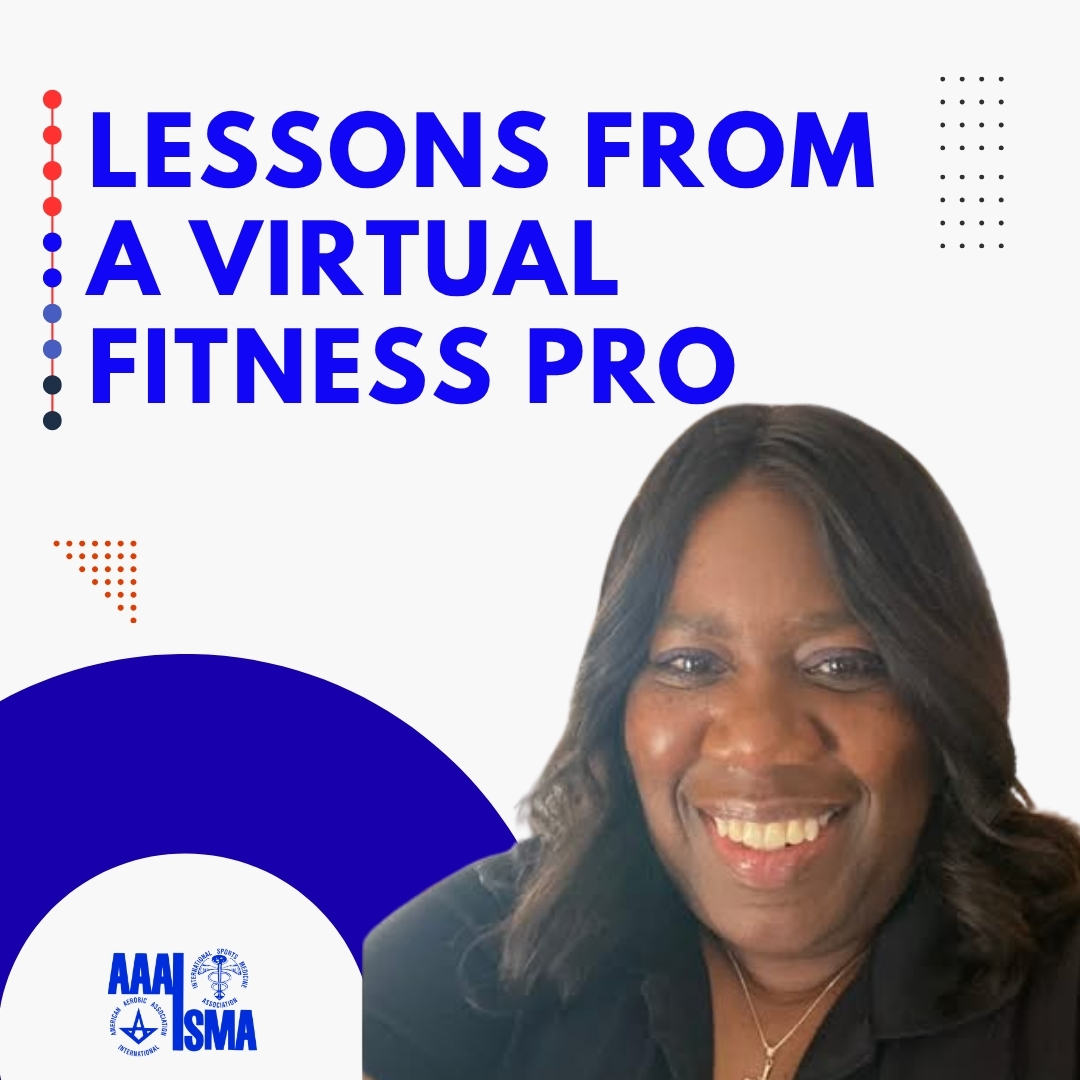
Lessons from a Virtual Fitness Pro

When Dennise Jones started teaching fitness, she never imagined she’d one day run a virtual fitness business from her living room. But after years of in-person classes and client requests for online options, the pandemic became the push she needed to finally pivot. “I didn’t choose virtual… virtual chose me,” she laughs. Like many fitness professionals, Dennise was thrown into the world of Zoom, streaming workouts, and virtual community building almost overnight. But what she discovered along the way wasn’t just a new format—it was a new future for her business.

Today, Dennise leads a thriving online fitness community, all while working a full-time corporate job. Her story is a powerful reminder that building a meaningful fitness business doesn’t require a huge budget, a massive social following, or giving up everything to go “all in.” Instead, with a little creativity and a lot of heart, you can grow a fitness career that fits your lifestyle—and serves others exactly where they are.

Lesson 1: Don’t Wait for Perfect—Start with What You Have

When Dennise first started offering classes online, she kept it incredibly simple: Zoom for live sessions, a registration system that worked for her, and easy payment collection. “You don’t need all the fancy platforms or expensive lighting,” she explains. “Start small. Focus on delivering value, not perfection.” For her clients, the experience wasn’t about flashy production—it was about showing up and moving their bodies safely and consistently.

This approach helped her overcome the trap of comparison. “I see new trainers blow their whole budget trying to look like fitness influencers,” she says. “But most of those people aren’t actually making money. You don’t need a studio or a six-pack. You just need to show up, do your job well, and care about people.” Dennise’s business grew not because of aesthetics, but because of consistency, trust, and her ability to keep things personal.

Lesson 2: You Can Build Community Through a Screen

One of Dennise’s biggest concerns was whether she could create meaningful relationships in a virtual setting. But that worry quickly disappeared. “You absolutely can build community online,” she shares. “We check in on each other, celebrate birthdays, grieve together. I know my clients’ kids’ names and what they’re dealing with. We’re still connected—just in a different way.”

In fact, going virtual made her more intentional about connection. Since she couldn’t rely on in-person energy or body language, she focused even more on personalized coaching, eye contact through the screen, and maintaining engagement. She also reminded her clients that virtual didn’t mean “less than.” They were still accountable, still supported, and still part of something bigger.

Lesson 3: Safety, Simplicity, and Adaptability Come First

One of the most impressive aspects of Dennise’s virtual studio is her commitment to safety and accessibility. As someone who began her own journey at 250 pounds, she understands how intimidating fitness can be. “I took a step class that changed my life,” she says. “I want to create that same opportunity for people—whether they’re in a gym or at home with soup cans and a chair.”

Lack of equipment isn’t a barrier in her eyes. She offers modifications for all fitness levels and encourages her clients to use whatever tools they have. And she’s serious about form and safety. “I tell people, ‘If I can’t see you, I can’t coach you.’ That’s why I ask for cameras on during workouts and give very clear cues.” Her background in in-person teaching gave her the skills to adapt her cueing style for the online space, making classes feel just as personal and effective.

Lesson 4: Build a Business That Works for You

Dennise’s story isn’t about leaving a job or scaling to a six-figure brand—it’s about creating something sustainable, meaningful, and aligned with her life. She teaches on evenings and weekends, outside of her 9–5, and keeps her business lean and protected. “Make sure your insurance covers what you’re actually doing,” she warns. “Virtual and in-home training are different—and you need to know what applies to you.”

She also urges fitness professionals not to let perfectionism delay their progress. “There’s an emotional and financial trap to trying to get everything ‘just right.’ You don’t need to go broke trying to impress people. Just serve your community well, and the rest will follow.”

Launch Your Own Fitness Career—Without the Overwhelm

Dennise’s journey proves that starting small, staying focused, and showing up for your clients can lead to real success—on your terms. Whether you’re interested in personal training, teaching group fitness, or adding specialty certifications to your toolkit, AAAI/ISMA is here to help.

For over 35 years, AAAI/ISMA has helped fitness professionals launch and grow their careers through accessible, affordable, and high-quality education. With in-person and virtual certifications across 30+ specialties, we’re committed to giving you the tools you need to build a business that works for you.

🔗 Get certified or add a new specialty today

📣 Connect with Dennise: https://dennisejonesfitness.com

Real Advice for Thriving in the Fitness Industry

Let’s face it: the fitness industry is full of passion, energy, and purpose—but it’s also full of burnout. Whether you’re a personal trainer juggling clients, a studio owner trying to make the numbers work, or a group fitness instructor wearing way too many hats, the pressure is real. In a powerful interview, fitness business strategist Jessica H. Maurer shares what it really takes to build a sustainable and profitable fitness career—without losing your mind (or your motivation). Here are some key takeaways from her conversation:

1. The “No Pain, No Gain” Mentality Needs to Go
That old-school mindset doesn’t just hurt clients—it hurts your business. Jessica explains that when we push a “grind at all costs” culture, we alienate new clients and create an unsustainable environment for ourselves. She puts it bluntly: “Fitness is about finding joy in movement. So anything we can do to increase that level of joy—we should be doing.” That includes creating welcoming environments, using motivating music, and ditching one-size-fits-all programming. 

2. Sustainable Success Starts with Systems
If your business is constantly reacting instead of planning, burnout is right around the corner. Jessica encourages fitness professionals to create systems that support efficiency, client retention, and personal boundaries. “If you can’t sit down and assess your business habits,” she warns, “you don’t actually know the health of your business.” Just like we ask our clients about sleep, hydration, and movement habits, we should be checking in with our own business routines. Her strategy? Create consistency in your weekly schedule and always carve out time for the future: “Once a day, you need to do something your future self will thank you for.”

3. Connection Beats Content
Struggling with social media fatigue? You’re not alone. Jessica believes real-life relationships are more effective (and less exhausting) than constantly churning out content. “Instagram’s not going to fix your lead generation problem,” she says. “You being a human—that is going to fix your lead generation problem.” In other words, don’t underestimate grassroots marketing. Get out in your community, show up to events, and build authentic, local connections.

4. Understand Your Rights (and Risks)
From music licensing to insurance coverage, many fitness pros operate without fully understanding the legal side of their career. Jessica breaks down the risks in simple terms. “If the facility lets their [music] license lapse, the facility is on the hook—not you,” she says. But instructors should still ask about licensing, and if none exists, “you need to be using royalty-free music.” She also touches on the importance of contracts, clear employment status, and liability insurance—areas many pros overlook until it’s too late.

5. Don’t Be Afraid to Ask for More
Yes, you can negotiate better pay and perks. And yes, you should. “You always have negotiation room,” Jessica says. “Especially right now. The fitness industry is starving for professionals.” If direct compensation isn’t flexible, she suggests negotiating for benefits like education stipends, free memberships, or even massage credits. “Compensation doesn’t always mean money. It means time, effort, energy—and opportunity.”

Whether you’re new to the industry or decades in, Jessica’s message is clear: burnout isn’t a badge of honor—it’s a business risk. With smarter systems, stronger connections, and clearer boundaries, fitness professionals can build careers that feel as good as they look.

🎥 Want the full conversation? Watch the entire interview below and hear Jessica dive into music licensing, instructor pay structures, client retention, and the power of nostalgia in class programming.

0