 Wellness
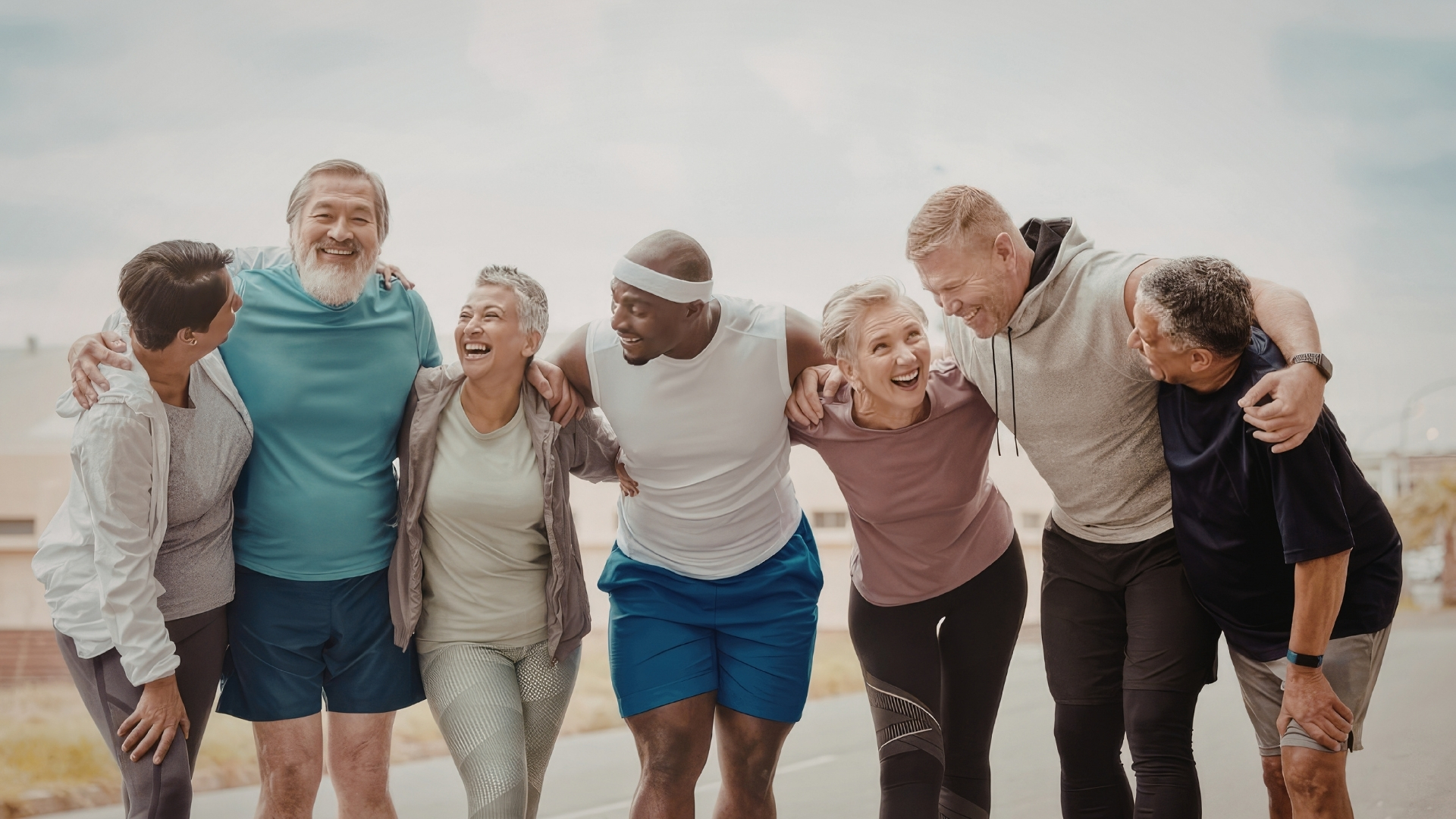
Every instructor has seen it happen. A new participant slips into the back row, watches the first few minutes closely, and modifies every move without saying a word. They may be the oldest person in the room, and they are quietly deciding whether this class is for them. How you respond in the next forty-five minutes can determine whether they ever come back.
Older adults are often some of the most loyal, consistent members a facility has. They show up, they build friendships, and they bring their friends. But many of them have walked into a fitness space at some point and felt like it was built for someone younger, faster, and already fit.
As a fitness professional, you have the power to change that experience. Serving older adults well starts with paying closer attention to what each person needs to feel safe, capable, and welcome, whether you train clients one-on-one or teach a packed group class.
Train for the Life They Want to Live
For many older adults, the most meaningful goals happen outside the gym. They want to keep traveling, gardening, playing with grandchildren, carrying their own groceries, and getting up off the floor without help. When you connect exercises to those goals, the workout starts to make sense in a new way.
Squats are practice for standing up from a chair or getting out of the car.
Carries prepare clients to bring in the groceries or lift a suitcase.
Step-ups make the stairs at home feel easier and steadier.
- Tell participants how a movement helps in daily life, such as “This is the same motion you use to get out of the car.”
- Ask clients which everyday tasks feel harder than they used to, then build those movements into their program.
- Celebrate wins outside the gym, like taking the stairs without stopping or carrying a heavy bag with ease.
Offer Options Without Singling Anyone Out
Few things make a participant feel more out of place than being singled out for the “easy version.” Even with good intentions, calling attention to one person’s modification in front of the group can make them feel like they do not belong. A better approach is to teach every option as a valid choice for everyone in the room.
- Demonstrate a few levels at once and invite everyone to choose.
- Use neutral labels like “option one” and “option two” in place of “beginner” and “advanced.”
- Make chairs, walls, and other supports available to the whole class.
- Check in quietly and privately when someone seems to be struggling.
The same principle applies in one-on-one training. Present progressions and regressions as steps on the same path, so a client never feels like they are falling behind.
Build Confidence Before Intensity
Many older adults arrive carrying memories of old injuries, fears, or past fitness experiences that did not go well. Before they are ready to work harder, they need to believe they can succeed.
Start with movements they can perform well, and progress gradually as their strength and comfort grow. Give specific, positive feedback about what they are doing right. Small successes in the first few sessions can build the trust that keeps someone coming back for years.
Confidence is what brings them back next week.
Fear of falling can limit how someone moves long before a fall ever happens. Practicing balance in a safe, supported way, such as near a wall or with a chair close by, can help participants feel steadier in class and at home.
Make Connection Part of the Program
For many older adults, the social side of fitness matters as much as the workout itself. A class or a standing training appointment may be one of the few places during the week where they see friendly, familiar faces and feel part of a community.
- Learn names and use them.
- Add partner or small-group activities.
- Leave a few minutes before or after class for conversation.
- Notice when a regular is missing, and check in when they return.
Partner activities like the ones in our article on why dual-tasking belongs in every fitness program can add laughter and conversation to almost any class while giving the brain a workout, too.
Know When to Refer
Older adults are more likely to be managing health conditions or taking medications that can affect exercise. Pre-exercise screening tools like the PAR-Q+ can help you identify when additional caution or medical input may be appropriate. Our practical guide to the PAR-Q and PAR-Q+ walks through how to use them.
Fitness professionals are not expected to diagnose conditions or provide medical treatment. When a client reports new pain, dizziness, chest discomfort, or a recent change in their health, pause their progression and encourage them to check in with their healthcare provider.
Teach for the Long Game
Working with older adults asks you to slow down, pay attention, and see the whole person in front of you. Those same skills make you a better coach for every client and participant you serve. For more on training across the lifespan, read our interview with Leslee Bender, 5 Lessons for Training Longevity.
The client who trusts you at seventy may still be training with you at eighty.
Jessica H. Maurer is an award-winning keynote speaker and the author of The Happiness Handbook: A Guide to Designing Joy. Named the 2026 IDEA Fitness Leader of the Year, she has spent her career educating fitness professionals as a master trainer and course creator, and she now helps organizations move their people from exhausted to energized. Her guided journal pairs the science of happiness with small, everyday actions that make joy easier to find.
Grow Your Expertise With Older Adults
Learn how to design safe, effective, and engaging programs for older adults with these upcoming AAAI Fitness workshops.
- Older Adult Fitness Trainer Certification · Dec. 5
- Chair Yoga Instructor Certification · Jan. 9
- Stretching for Flexibility, Function & Strength · Dec. 13 and Jan. 24