Every instructor has a different path into the fitness industry. Some start by earning certifications before ever stepping into the studio. Others discover their passion after years in another career.

For Felix Ojeda, founder of Palango Fitness, it started with frustration.

As a lifelong athlete with backgrounds in track and field, boxing, basketball, and business, Felix couldn’t find a workout that combined the intensity he wanted with the motivating power of music. Instead of settling, he created one. Sixteen years later, Palango Fitness has grown into an international program with loyal instructors and an impressive client retention rate.
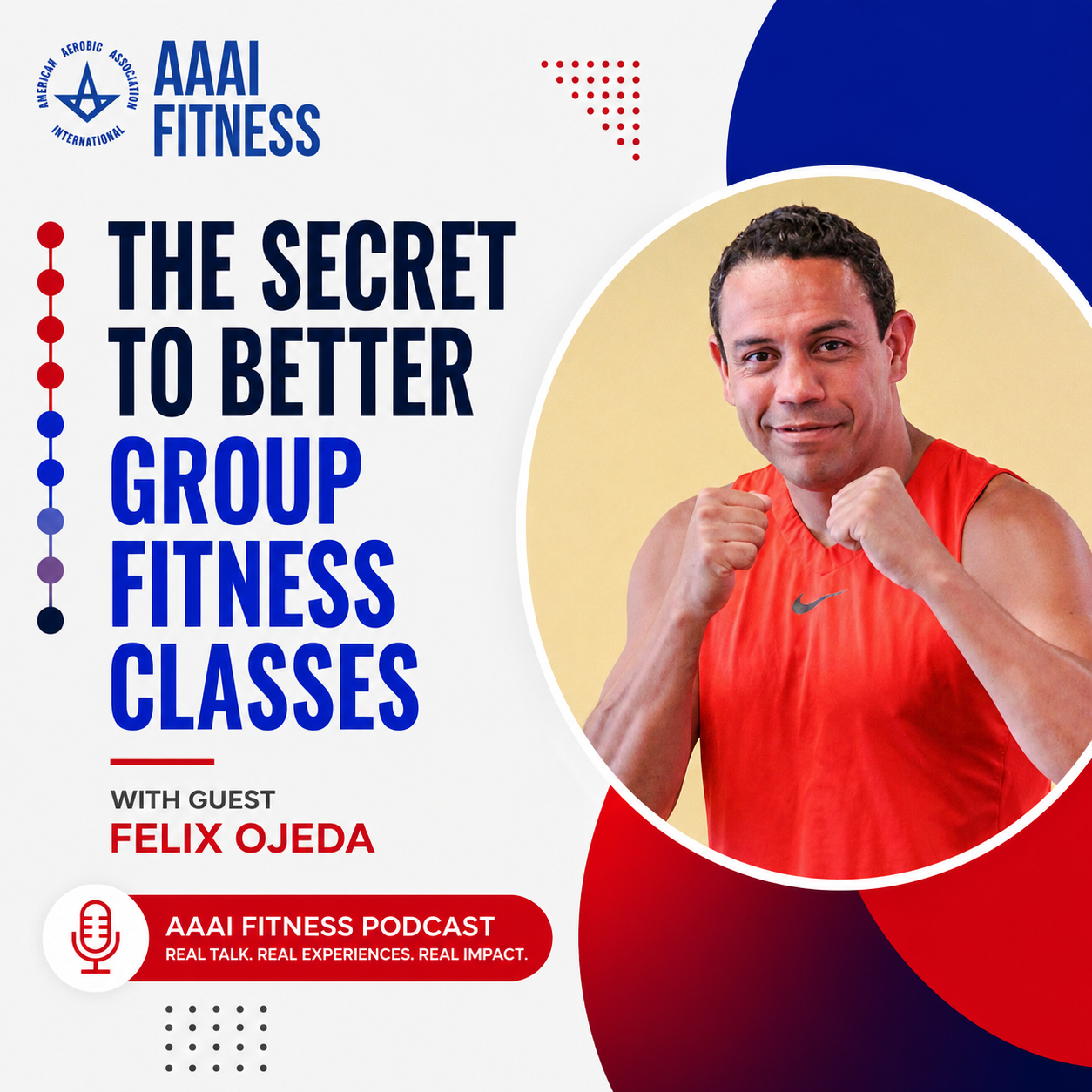
During a recent conversation with AAAI Fitness, Felix shared several lessons that apply to every group fitness instructor, regardless of the format they teach. Whether you lead strength classes, cycling, dance fitness, boot camps, or mind-body formats, these three strategies can help you create stronger classes and build lasting relationships with participants.

1. Make Feedback Part of Your Programming

Many instructors devote hours to planning playlists, choreography, and workouts, but one of the most valuable parts of class actually begins after the music stops. When Felix first started teaching, he intentionally stayed after every class to ask participants what they enjoyed, what they struggled with, and what could be improved. More importantly, he documented their responses and used that feedback to refine his program over time.

That simple habit became one of the foundations of Palango Fitness. Instead of assuming he knew exactly what participants wanted, he allowed their experiences to shape the evolution of his classes. As a result, his workouts became more engaging, more effective, and better suited to the people attending them.

The best instructors never stop being students. They continue learning from certifications and continuing education, but they also learn from the people they teach every day.

2. Coach the Person, Not Just the Workout

Exercise is only one part of a person’s wellness journey. Felix believes instructors should recognize that clients bring far more to class than their fitness goals. They arrive carrying work stress, family responsibilities, health concerns, and countless other life experiences that influence how they move and how they feel.

While instructors are not expected to become nutritionists, therapists, or physicians, they should be prepared to support participants by listening carefully, offering encouragement, and knowing when to refer someone to another qualified professional. Sometimes the most valuable response is simply saying, “I don’t know, but I’ll find out.” That willingness to continue learning builds trust and demonstrates genuine care.

Empathy remains one of the most underrated skills in the fitness industry. Instructors who combine technical expertise with authentic human connection often develop stronger relationships, receive more referrals, and create communities that keep participants engaged for years.

3. Think Bigger Than One Class

One of Felix’s strongest messages centered on career development. He encourages instructors to think beyond teaching a single format or relying on one source of income. Expanding your knowledge through additional certifications, specialty trainings, and new teaching formats increases both your value and your opportunities within the industry.

This advice is particularly relevant for today’s fitness professionals. Facility managers consistently look for instructors who can teach multiple formats, adapt to different audiences, and step into a variety of class schedules. The more versatile you become, the more indispensable you are to your employer and your participants.

Final Thoughts

Throughout the conversation, one message remained consistent: people rarely stay because of the workout alone. They return because they feel welcomed, supported, challenged, and connected to both the instructor and the community surrounding the class.

Technical knowledge may bring participants through the door, but empathy, communication, and a genuine desire to help are what keep them coming back. Great instructors understand that every class is an opportunity to build trust, strengthen relationships, and create an experience that extends well beyond exercise.

Learn more by watching the full interview below or joining Felix and Palango! Fitness at the One World Conference in Denver.

Your Career is Waiting

How to Ask for a Raise as a Group Fitness Instructor

How to Ask for a Raise as a Group Fitness Instructor

You enjoy teaching group ex classes. You are reliable, show up on time, and members show up for your classes each week. And, you’ve gone the extra mile, taking on extra responsibilities and filling in for other instructors when they are sick or go on vacation. There...
5 Ways to Bust Out of a Coaching Rut

5 Ways to Bust Out of a Coaching Rut

Even the most experienced fitness professionals can get stuck in a rut. You know the feeling. You walk into class, teach the same format, use the same cues, reach for the same exercises, and suddenly realize you could probably teach the entire session on autopilot....
How to Build a Long-Lasting Fitness Career

How to Build a Long-Lasting Fitness Career

What does it take to build a fitness career that lasts for decades? Cindy Fox has some answers. With more than 40 years in the fitness industry, Cindy has watched the profession evolve from a time when certifications were barely part of the conversation to an industry...

0