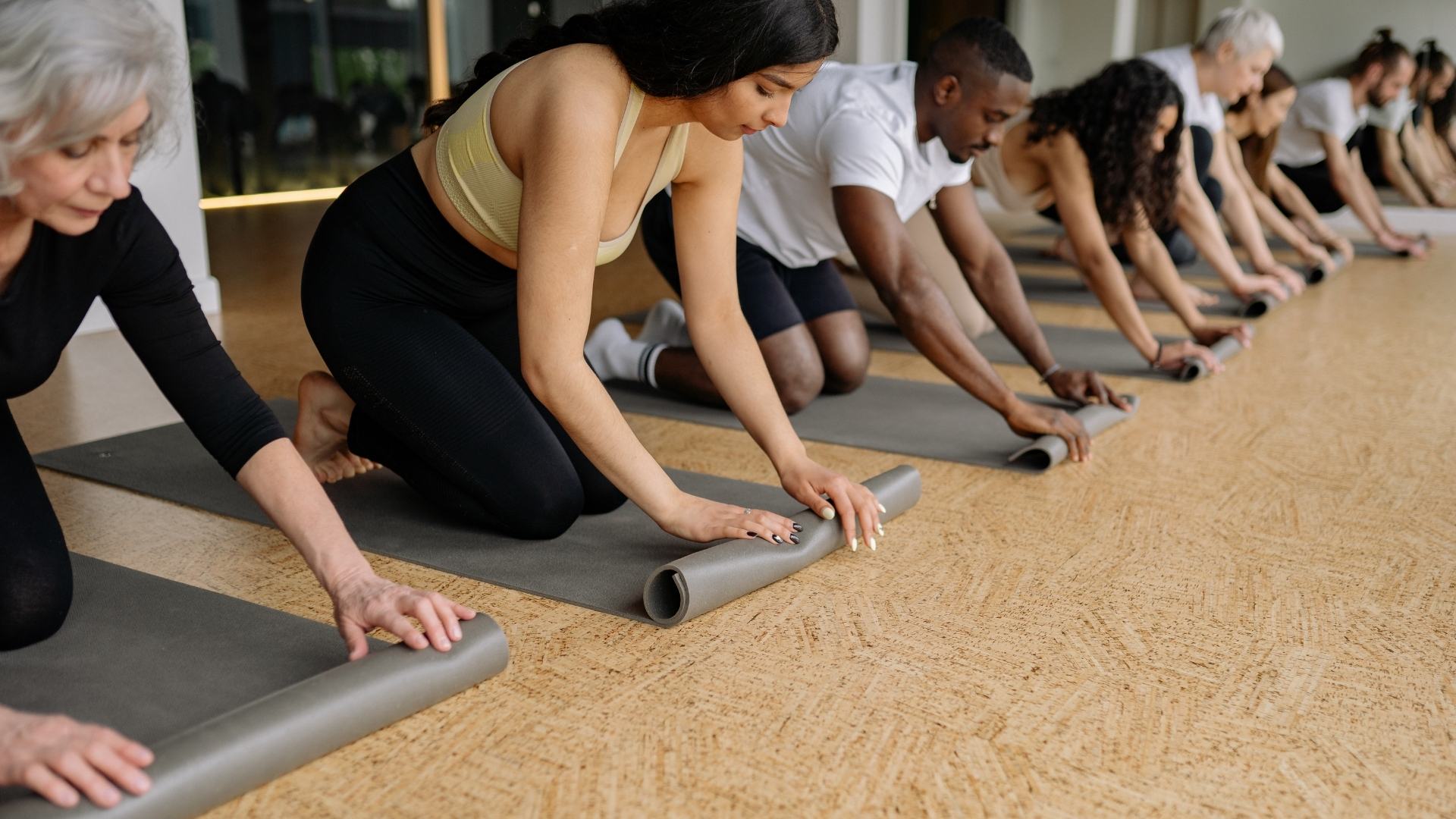
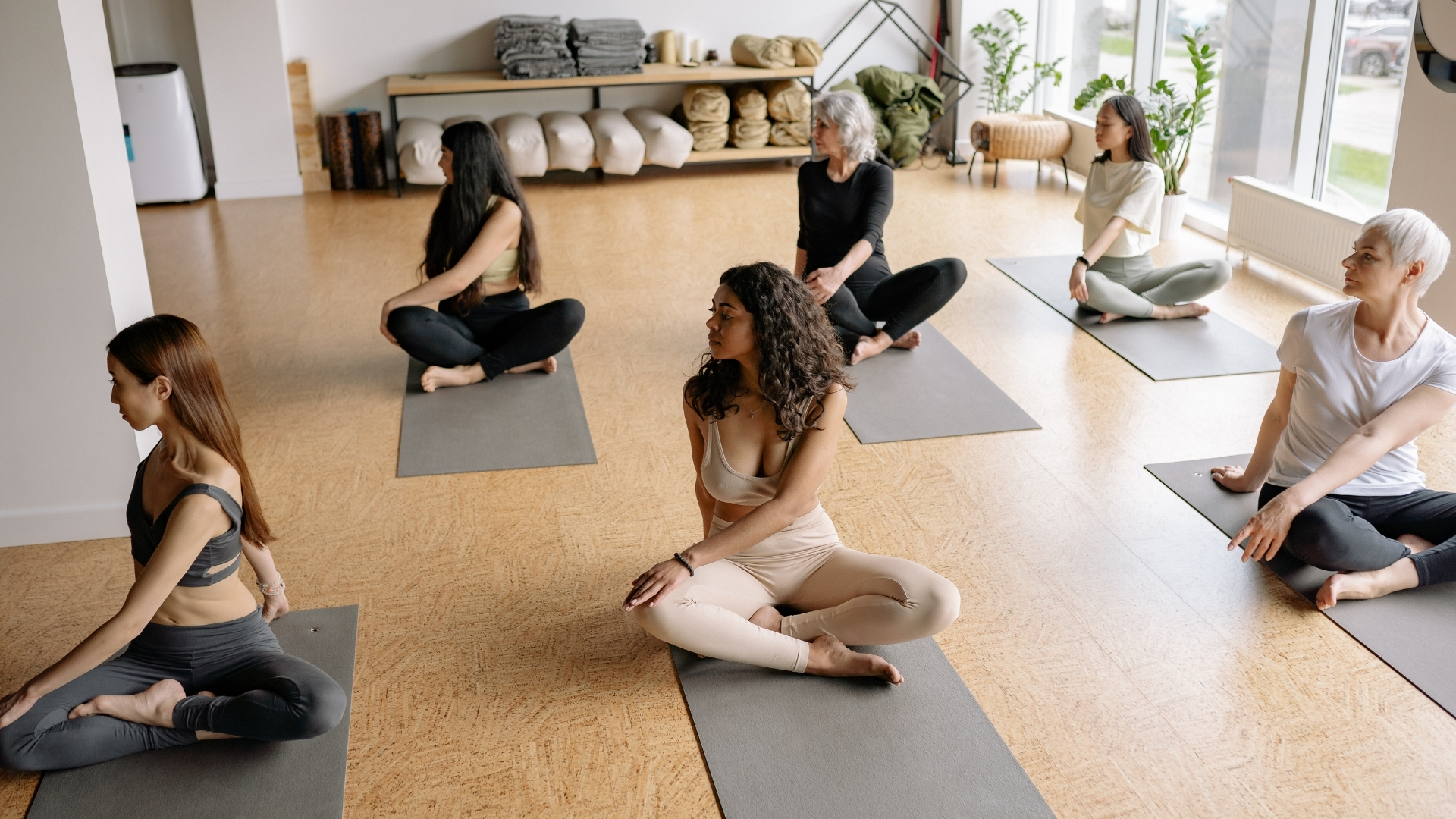
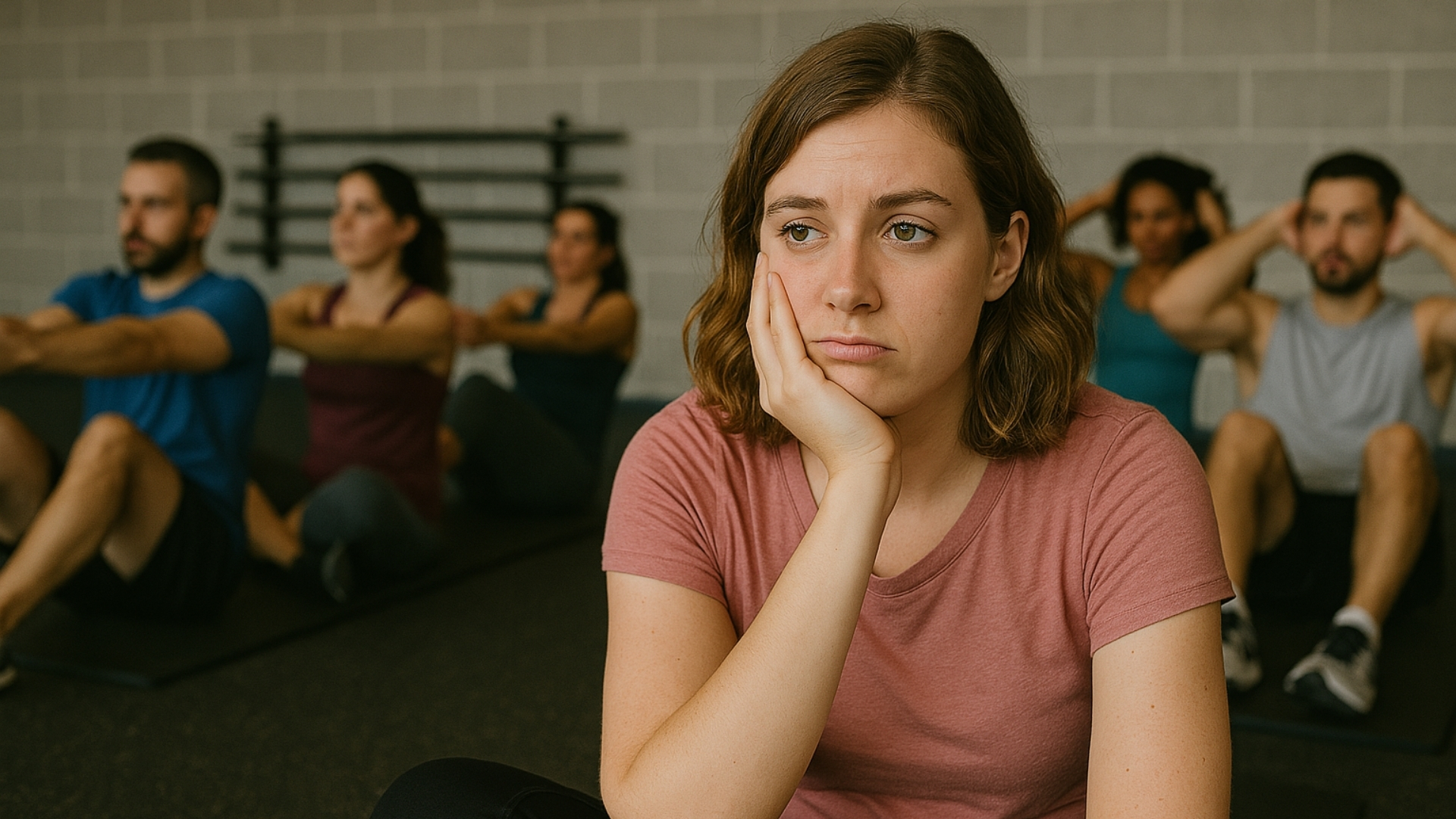
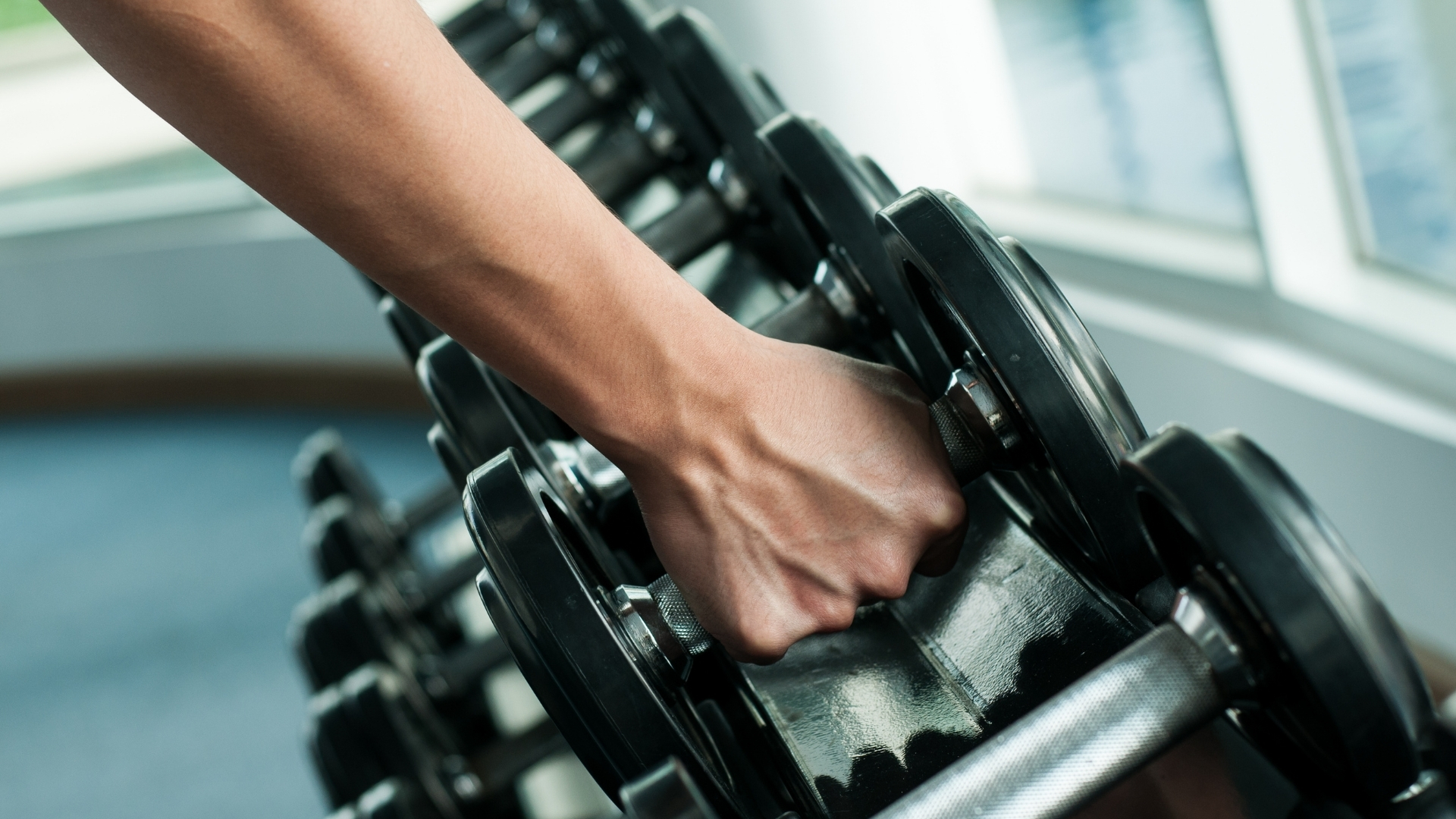
Every instructor has seen it happen. A new participant slips into the back row, watches the first few minutes closely, and modifies every move without saying a word. They may be the oldest person in the room, and they are quietly deciding whether this class is for them. How you respond in the next forty-five minutes can determine whether they ever come back.
Older adults are often some of the most loyal, consistent members a facility has. They show up, they build friendships, and they bring their friends. But many of them have walked into a fitness space at some point and felt like it was built for someone younger, faster, and already fit.
As a fitness professional, you have the power to change that experience. Serving older adults well starts with paying closer attention to what each person needs to feel safe, capable, and welcome, whether you train clients one-on-one or teach a packed group class.
01
Train for the Life They Want to Live
For many older adults, the most meaningful goals happen outside the gym. They want to keep traveling, gardening, playing with grandchildren, carrying their own groceries, and getting up off the floor without help. When you connect exercises to those goals, the workout starts to make sense in a new way.
Squats
Squats are practice for standing up from a chair or getting out of the car.
Carries
Carries prepare clients to bring in the groceries or lift a suitcase.
Step-Ups
Step-ups make the stairs at home feel easier and steadier.
Try This
Tell participants how a movement helps in daily life, such as “This is the same motion you use to get out of the car.”
Ask clients which everyday tasks feel harder than they used to, then build those movements into their program.
Celebrate wins outside the gym, like taking the stairs without stopping or carrying a heavy bag with ease.
02
Offer Options Without Singling Anyone Out
Few things make a participant feel more out of place than being singled out for the “easy version.” Even with good intentions, calling attention to one person’s modification in front of the group can make them feel like they do not belong. A better approach is to teach every option as a valid choice for everyone in the room.
Ways to Offer Options
Demonstrate a few levels at once and invite everyone to choose.
Use neutral labels like “option one” and “option two” in place of “beginner” and “advanced.”
Make chairs, walls, and other supports available to the whole class.
Check in quietly and privately when someone seems to be struggling.
The same principle applies in one-on-one training. Present progressions and regressions as steps on the same path, so a client never feels like they are falling behind.
03
Build Confidence Before Intensity
Many older adults arrive carrying memories of old injuries, fears, or past fitness experiences that did not go well. Before they are ready to work harder, they need to believe they can succeed.
Start with movements they can perform well, and progress gradually as their strength and comfort grow. Give specific, positive feedback about what they are doing right. Small successes in the first few sessions can build the trust that keeps someone coming back for years.
Confidence is what brings them back next week.
Fear of falling can limit how someone moves long before a fall ever happens. Practicing balance in a safe, supported way, such as near a wall or with a chair close by, can help participants feel steadier in class and at home.
04
Make Connection Part of the Program
For many older adults, the social side of fitness matters as much as the workout itself. A class or a standing training appointment may be one of the few places during the week where they see friendly, familiar faces and feel part of a community.
Simple Ways to Build Connection
Learn names and use them.
Add partner or small-group activities.
Leave a few minutes before or after class for conversation.
Notice when a regular is missing, and check in when they return.
Older adults are more likely to be managing health conditions or taking medications that can affect exercise. Pre-exercise screening tools like the PAR-Q+ can help you identify when additional caution or medical input may be appropriate. Our practical guide to the PAR-Q and PAR-Q+ walks through how to use them.
Scope of Practice
Fitness professionals are not expected to diagnose conditions or provide medical treatment. When a client reports new pain, dizziness, chest discomfort, or a recent change in their health, pause their progression and encourage them to check in with their healthcare provider.
Teach for the Long Game
Working with older adults asks you to slow down, pay attention, and see the whole person in front of you. Those same skills make you a better coach for every client and participant you serve. For more on training across the lifespan, read our interview with Leslee Bender, 5 Lessons for Training Longevity.
The client who trusts you at seventy may still be training with you at eighty.
About the Author
Jessica H. Maurer is an award-winning keynote speaker and the author of The Happiness Handbook: A Guide to Designing Joy. Named the 2026 IDEA Fitness Leader of the Year, she has spent her career educating fitness professionals as a master trainer and course creator, and she now helps organizations move their people from exhausted to energized. Her guided journal pairs the science of happiness with small, everyday actions that make joy easier to find.
Grow Your Expertise With Older Adults
Learn how to design safe, effective, and engaging programs for older adults with these upcoming AAAI Fitness workshops.
You enjoy teaching group ex classes. You are reliable, show up on time, and members show up for your classes each week. And, you’ve gone the extra mile, taking on extra responsibilities and filling in for other instructors when they are sick or go on vacation. There is just one problem: your pay has not changed since the day your employment began
Asking for a raise can feel uncomfortable, especially if this is your first fitness job. You may worry that asking will make you look ungrateful or put your classes at risk. Instead of looking at a raise as asking for a favor, look at it as a business conversation. Your job is to show how your value has increased and why your current pay may no longer match the work you are doing.
Quick Answer: How to Ask for a Raise as a Group Fitness Instructor
Ask for a short meeting with your manager and make a simple business case for higher pay.
Show how your responsibilities, skills, class attendance, reliability, or value to the facility have increased. Research what comparable fitness facilities in your area pay and decide on a specific rate you would like to receive.
Don’t make your argument mainly about higher rent, gas prices, groceries, or needing more money. Those things matter to you, but they don’t explain why your employer should increase your pay.
A stronger argument is:
I provide more value now than I did when my current rate was set.
Watch: How to Ask for a Raise as a Group Fitness Instructor
Are You Being Underpaid as a Group Fitness Instructor?
Before asking for more money, find out whether your current rate is competitive.
According to the U.S. Bureau of Labor Statistics, the median hourly wage for exercise trainers and group fitness instructors was $22.67 in May 2025. The average hourly wage was $25.20.
While these numbers are useful, don’t treat them as the rate every group fitness instructor should receive.
Something else: the BLS combines exercise trainers and group fitness instructors into one category. In other words, it doesn’t specifically tell us what group fitness instructors make. How much you can make will also vary based on location, employer, your experience and credentials, the number of classes you teach, and yourjob responsibilities. So use the BLS information as a starting point, not the final answer.
Compare Your Pay With Local Group Fitness Jobs
Your local job market may tell you more than a national average.
Look at current job openings at:
Health clubs
YMCAs
Recreation centers
Boutique fitness studios
Universities
Corporate fitness centers
Community centers
Medical fitness facilities
Sometimes a simple online search for “fitness jobs + your zip code” can give you a lot of insights.
Try to compare jobs that resemble yours.
For example, a position requiring several years of experience and multiple certifications isn’t a fair comparison if you were certified six months ago. Likewise, don’t assume a $50 class rate is automatically better than a $30 hourly rate.
Don’t Confuse the Class Rate With Your Real Hourly Pay
Suppose a facility pays you $30 to teach a one-hour class.
10 minutes cleaning up and talking with members afterward
You have now worked for 1 hour and 45 minutes.
Your effective pay for that $30 class is about $17.14 per hour, before you even consider travel time.
This matters when comparing jobs.
One gym might offer $35 per class but pay nothing for meetings. Another might offer a lower class rate but pay for preparation, staff meetings, training, and other work you do. Find out what you are actually being paid for.
Should You Compare Your Pay With Other Instructors?
Knowing what other instructors make can give you useful information, but don’t assume another instructor’s rate is what you should make too.
That person may have:
More experience
More certifications
A specialty credential (example, AED/CPR, First Aid)
Different responsibilities
A harder-to-fill class
So instead of walking into your manager’s office and saying:
“Sarah makes $35, so I should make $35.”
Make your case around your own value and what comparable employers are paying.
A better argument is:
“I’ve looked at similar group fitness positions in this area, and several are paying between $28 and $35 for instructors with similar responsibilities.”
Do You Have a Good Reason to Ask for a Raise?
Wanting more money and having a good case for a raise are two different things.
Your strongest argument is evidence that you are more valuable to the facility than when your current pay was established.
What Strengthens Your Case for a Raise?
Examples include:
Your classes consistently have good attendance.
Class attendance has increased since you started.
Members regularly return to your classes.
Members give you positive feedback.
You arrive on time and rarely miss classes.
You regularly substitute for other instructors.
You have taken on more classes since you started.
You now program workouts that you did not program when hired.
Your job now includes more responsibilities than when you were hired.
You have earned relevant certifications.
You can teach additional class formats.
You help with special events or other facility programs.
You don’t need to check all these boxes, but you do need enough evidence to show that the instructor who is asking for a raise today brings more value than the instructor who was originally hired.
Does Another Fitness Certification Justify Getting a Raise?
Another certification can strengthen your case, but don’t assume it automatically means you deserve more money.
Explain to your manager what your additional education allows you to do.
Maybe you can now teach another class format. Perhaps you are better prepared to work with older adults, modify exercises, or serve members with different fitness levels.
Those skills can make you more useful to your employer.
Attending live fitness education classes can be especially valuable because instructors often learn practical skills that go beyond what they learned from a textbook or online test. That may include coaching, class management, exercise modifications, communication, and working with real-world situations.
Don’t simply tell your manager:
“I earned another certification.”
Explain what the gym gains from it.
When Should a Group Fitness Instructor Ask for a Raise?
There is no rule that instructors must wait one year.
Six or seven months may be too soon for one instructor and reasonable for another.
Ask yourself what has changed since you accepted the job.
Maybe you started at an entry-level rate because you were newly certified. Since then, you may have developed a strong class following, taken on more classes, gained experience, or become the person management regularly calls when someone needs a substitute.
Good times to discuss a raise may include:
After you have established a record of strong performance
When your responsibilities increase
After earning a relevant credential
During a performance review
When your employer is planning a new budget
When your current role has grown beyond the job you originally accepted
Avoid surprising your manager with the request while they are rushing between classes or dealing with members. Ask for a short meeting.
How Much of a Raise Should You Ask For?
There is no standard raise that every group fitness instructor should request.
Start by looking locally.
Suppose you currently make $20 an hour and comparable facilities in your area are advertising similar positions for $25 to $30.
That gives you a reasonable basis for asking for more.
Remember to consider your responsibilities too.
If your original job was primarily teaching classes but you now spend extra time programming workouts, helping with events, covering instructors, or teaching new instructors, your compensation should be evaluated against the job you performnow.
Before the meeting, choose a specific amount you are looking for.
For example:
“I’d like to discuss increasing my rate from $20 to $25 an hour.”
That’s much stronger than:
“Can I get a raise?”
Your manager may counter with another number. That’s fine. At least you have given the conversation a starting point.
How to Prepare Before Asking for a Raise
Don’t walk into the meeting and try to remember every reason you deserve more money.
Instead, saying, “My Tuesday class averaged 12 participants when I started and has averaged 21 over the past three months” gives your manager something concrete.
Research What Other Gyms Are Paying
Look at current job listings before the meeting.
Try to find several comparable positions instead of relying on one unusually high-paying job.
This gives you a better idea of what your local market actually pays.
Decide What Pay Rate You Will Ask For
Know what you want before you attend the meeting.
Also think about what you would consider acceptable.
If you earn $20 and want $25, would you accept $23?
What if your manager can’t increase your class rate but offers paid programming time?
There isn’t one correct answer.
Knowing your priorities ahead of time prevents you from having to make every decision while sitting across from your manager.
What Should You Say When Asking for a Raise?
You don’t need a long speech.
Just keep it professional and make your case.
For example:
“When I started, I was new to the position and understood that I was coming in at the starting rate. Since then, I’ve taken on more classes and responsibilities, my attendance has been strong, and I’ve become someone you can rely on to cover classes when needed. I’ve also looked at rates for similar positions in this area. Based on my current responsibilities and the local market, I’d like to discuss increasing my rate from $20 to $25 an hour.”
Then stop.
Let your manager respond.
Some people become uncomfortable with silence and start weakening their own argument by saying things like:
“But I understand if you can’t…”
“It’s really not a big deal…”
“I was just wondering…”
You don’t need to apologize for asking.
Make a reasonable request and give your manager time to answer it.
Nervous About Asking for a Raise?
Many group fitness instructors can confidently lead 30 people through a workout but feel very different when they have to sit down with a manager and talk about money.
That’s understandable.
But think about what you are actually doing.
You are not demanding money.
You are asking your employer to review your compensation based on your current performance, responsibilities, and market value.
Your manager might say yes.
Your manager might offer less than you requested.
Your manager might say there isn’t room in the budget.
None of these possibilities makes it wrong to ask for a raise.
Your employer may not even realize that you are unhappy with your current pay unless you start the conversation.
Sometimes you just have to ask.
What Not to Say When Asking for a Raise
Some reasons for wanting more money are completely legitimate but still make weak negotiating arguments.
Don’t Base Your Raise on Personal Expenses
Maybe your rent increased.
Groceries cost more.
Gas is expensive and you drive 30 minutes each way to teach one class.
Those costs matter, but they don’t really explain why the facility should pay more for your work.
Compare these two statements:
“I need a raise because gas and rent have gone up.”
with:
“My responsibilities have increased, my classes are performing well, and similar facilities are paying more for comparable work.”
The second statement gives the manager a business reason to consider your request.
Don’t Threaten to Quit Unless You Mean It
Avoid saying things like:
“If I don’t get $30, I’m leaving.”
Unless you are REALLY prepared to resign.
A credible outside offer from another gym can give you negotiating leverage, but don’t bluff.
Once you issue an ultimatum, your manager may accept it.
How Group Fitness Instructors Demonstrate Value to the Gym
Your value doesn’t stop when the class ends.
A good group fitness instructor can help build relationships between members and the facility.
Think about the member who comes to the gym every Tuesday because they don’t want to miss your class.
Or the member who brings a friend to your class.
Or the person who was nervous about joining a gym but now feels comfortable because they found a class and instructor they enjoy.
Those relationships can affect member retention.
You probably can’t calculate exactly how many membership dollars your class generates, but you may be able to show signs of your value through:
Consistent attendance
Growing class attendance
Waitlists
Repeat participants
Member comments
Referrals
Requests for additional classes
These things matter to a fitness facility.
What If Your Gym Manager Says No to Your Raise?
A no doesn’t have to mean the conversation is over.
Find out why.
Ask:
“What would I need to accomplish to be considered for an increase in pay?”
If your manager says attendance needs to improve, ask what numbers they would like to see.
If the problem is experience, ask when it would make sense to have another conversation about a raise.
If the problem is simply the current budget, ask when the next employee review will occur.
Try to leave the meeting with a measurable goal and a date rather than:
“We’ll talk about it sometime.”
If the facility can’t increase your base rate, you can also discuss other forms of compensation.
Depending on the gym, some possibilities might include:
A higher rate for teaching last-minute substitute classes
A guaranteed minimum payment if a class has low attendance
Compensation for training/mentoring new instructors
Mileage or travel reimbursement if you teach at multiple locations
Reimbursement for certification or continuing education
Opportunities for higher-paying responsibilities
A dollar isn’t the only thing that has value.
Should You Leave If Your Gym Won’t Pay More?
Sometimes asking for a raise helps you discover something important.
Your employer may simply be unwilling or unable to pay the market rate for your work.
That doesn’t automatically mean you should quit.
You may value your schedule, coworkers, members, location, benefits, or flexibility enough to stay.
But look at the entire situation.
Suppose you have demonstrated your value, taken on more work, researched the market, asked professionally for an increase, and discovered that nearby employers consistently pay substantially more.
At some point, it makes sense to ask yourself:
Would I be better off working somewhere else?
You don’t have to resign first. In fact, it’s probably in your best interest not to do that.
Don’t quit your day job immediately.
Look at available local positions at other facilities.
Sometimes the best raise comes from your current employer.
Sometimes it comes from your next one.
Start Tracking Your Value Before You Ask For a Raise
Don’t wait until you want more money to begin gathering evidence.
Keep a simple record of your accomplishments throughout the year.
Track things such as:
Class attendance
Positive member comments
Classes you cover
New certifications
Continuing education
Additional responsibilities
New class formats you’ve learned to teach
Special programs or events you manage or help with
That record can also help you during annual reviews or when applying for another position.
When the time comes to discuss compensation, you won’t have to say:
“I feel like I deserve more.” You can show your manager why.
Bottom Line: Asking for a Raise as a Group Fitness Instructor
If you believe you are underpaid, don’t build your case around how much money you need.
Build it around the value you provide to the gym and its members.
Research what comparable instructors in your area make. Look at how much time you really spend doing the job. Keep track of attendance, reliability, responsibilities, education, and other ways you help the facility.
Then ask for a specific rate and explain why you believe it is reasonable.
Your manager can still say no.
But being nervous about the conversation shouldn’t make the decision for you.
Written by Joe Cannon, MS, a fitness educator with over 30 years of experience hiring, training, and mentoring personal trainers in commercial gyms and private facilities.
Even the most experienced fitness professionals can get stuck in a rut. You know the feeling. You walk into class, teach the same format, use the same cues, reach for the same exercises, and suddenly realize you could probably teach the entire session on autopilot.
You may still love what you do, but the excitement and curiosity that once came naturally can start to feel a little harder to find. That doesn’t necessarily mean you’re burned out or that you’ve lost your passion for fitness. Sometimes, you simply need a fresh perspective.
As fitness professionals, we spend a lot of time helping our clients and participants break through plateaus. We change exercises, introduce new challenges, adjust training variables, and encourage them to stay curious about what their bodies can do.
We need to be willing to do the same thing for ourselves.
If your coaching feels a little stale lately, here are five ways to shake things up, find new inspiration, and rediscover your enthusiasm for teaching.
01
Attend Someone Else’s Class
One of the best ways to become a better instructor is to become a participant again. Take a class taught by someone else and resist the urge to analyze every second of it. Instead, experience the class from the other side of the room and notice what it feels like to be coached.
Notice what makes you feel engaged. You may discover a cue, teaching strategy, movement pattern, or class structure that you want to experiment with in your own sessions. You may also discover things that don’t work particularly well for you, which can be just as valuable when you’re developing your own coaching style.
Don’t limit yourself to formats you already teach. Try something completely outside your normal wheelhouse:
Yoga
Dance
Strength training
Pilates
Cycling
Mobility
You don’t have to copy what another instructor does. Instead, look for ideas that expand your coaching toolbox and challenge you to think differently about how you teach.
02
Refresh Your Playlist
Music can completely change the energy of a class, and sometimes what feels like a coaching rut is actually a playlist rut. If you’ve been relying on the same songs for months, creating a new soundtrack for your sessions may be enough to make an old format feel fresh again.
Explore music from different decades, genres, tempos, or artists. Think about how different musical styles affect the way you move and teach. A song with a strong beat might change the rhythm of a strength sequence, while something more unexpected could encourage you to approach a familiar movement in a completely different way.
Sometimes changing one variable is enough to get your creative brain moving again.
03
Invest in New Education
When you’re feeling uninspired, learning something new can be one of the fastest ways to reignite your curiosity. Fitness is constantly evolving, and continuing education gives you an opportunity to explore new research, training approaches, populations, equipment, and coaching strategies.
Ways to Keep Learning
Take a workshop.
Complete a continuing education course.
Attend a conference.
Read an article about a topic outside your specialty.
Learn more about working with a population you’ve never trained before.
Even revisiting a familiar subject from a different perspective can help you see your current coaching practices in a new way.
Good education doesn’t just give you more information. It gives you more ways to think.
As a fitness professional, that ability to keep learning and adapting is one of the most valuable tools you can develop.
04
Try New Equipment
Sometimes all it takes to shake up your coaching is a new piece of equipment. Props and tools can create opportunities to explore familiar movements in unfamiliar ways, giving both you and your participants something new to think about.
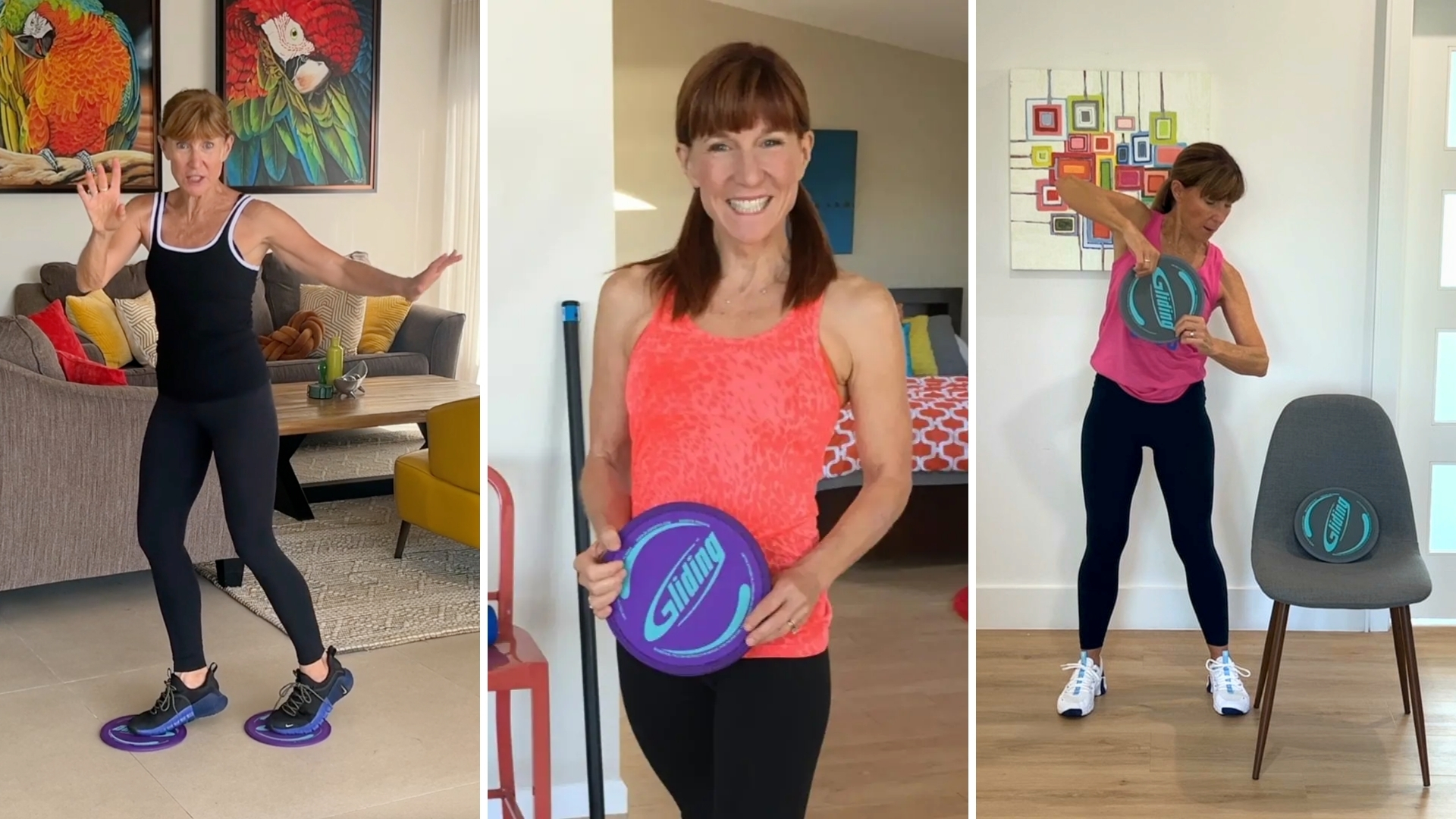
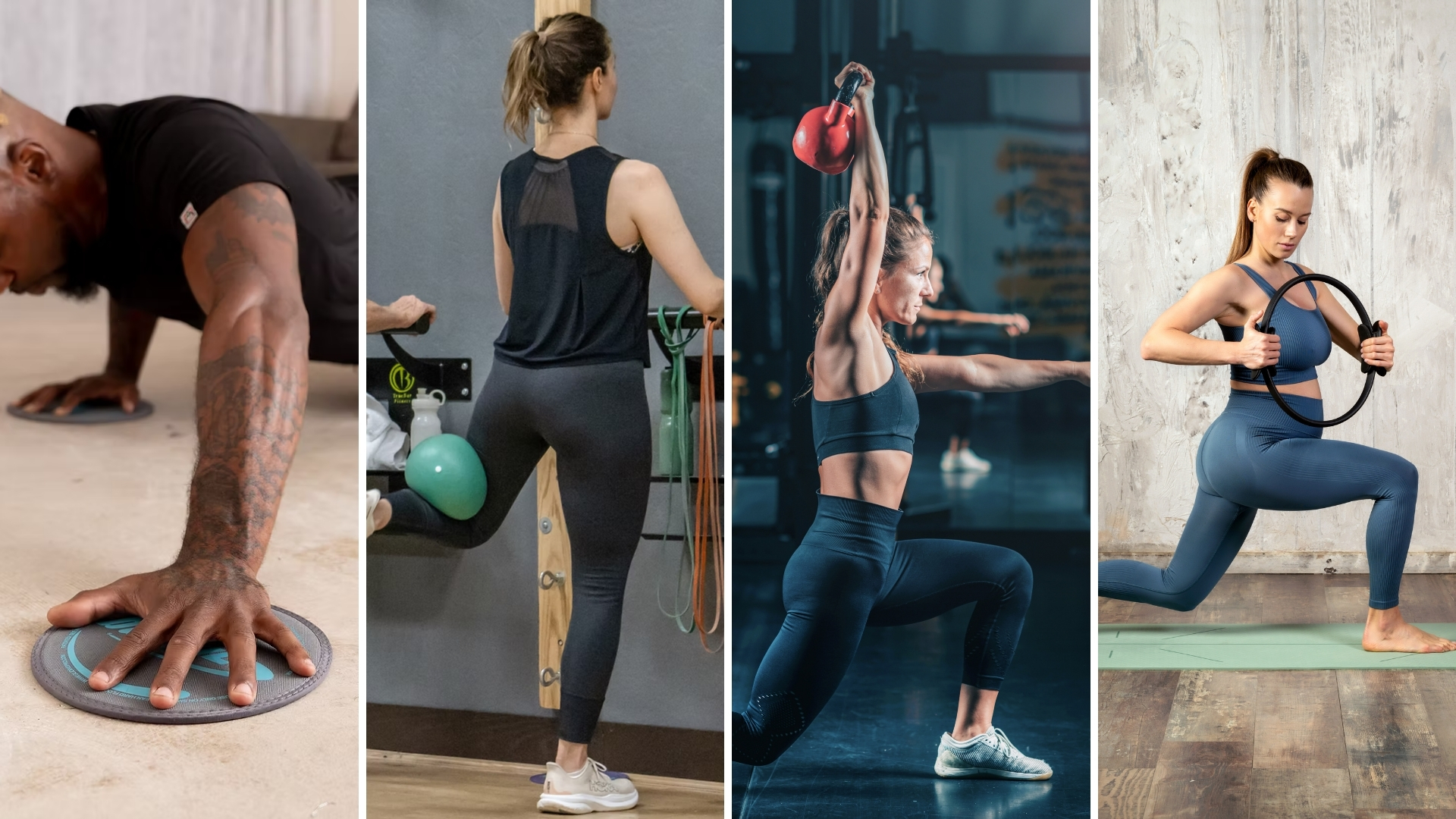
Gliding Discs
Gliding discs can add new challenges to strength and core exercises.
Small Balls
Small balls such as the Bender Ball can change positioning, stability, balance, and body awareness.
Bands, Suspension Trainers, and Steps
These and other tools can add another variable when designing a class or training session.
The important part is not simply adding equipment because it looks fun. Ask yourself what the tool actually changes.
Ask What the Tool Changes
Does it alter stability?
Does it increase or decrease resistance?
Does it change the range of motion?
Does it provide feedback?
Does it make an exercise more accessible?
Does it create a new coaching opportunity?
And don’t underestimate the value of novelty. A new prop can encourage participants to explore movement differently and give them a reason to pay closer attention. Sometimes a small change is enough to make a familiar exercise feel like a completely new experience.
05
Get Creative Outside of Fitness
If your entire life revolves around fitness, it can eventually become the only place you look for inspiration. Sometimes the best way to refresh your coaching is to step completely outside the industry and give your brain something different to work with. Try something you’ve always been curious about but never had a reason to attempt.
Cook something new
Pick up a craft project
Visit a museum
Listen to new music
Read a book
Take photographs
Draw
Garden
Rearrange your workspace
Creativity doesn’t always have to look productive. Giving your brain space to wander can be incredibly valuable. When you stop actively trying to come up with your next great class idea, your brain has an opportunity to make connections between seemingly unrelated experiences.
Mix and Match Your Inspiration
You don’t have to overhaul your entire coaching approach to get out of a rut. In fact, trying to completely reinvent yourself overnight may create more pressure than inspiration. Instead, start small and experiment with one or two changes.
Start Small
Take a class you’ve never tried.
Put together a new playlist.
Sign up for a workshop.
Pull an unfamiliar piece of equipment out of your closet.
Spend an afternoon doing something creative that has absolutely nothing to do with fitness.
You may find that one change leads naturally to another. A new class gives you an idea for a different teaching strategy. That strategy inspires you to change a workout. The new workout makes you rethink your music. Before you know it, you’re experimenting again, not because you have to, but because you’re curious about what might happen.
That curiosity is worth protecting throughout your career.
About the Author
Jessica H. Maurer is an award-winning keynote speaker and the author of The Happiness Handbook: A Guide to Designing Joy. Named the 2026 IDEA Fitness Leader of the Year, she has spent her career educating fitness professionals as a master trainer and course creator, and she now helps organizations move their people from exhausted to energized. Her guided journal pairs the science of happiness with small, everyday actions that make joy easier to find.
Find Your Next Spark
Explore AAAI Fitness certifications and workshops to learn something new and bring fresh ideas back to your clients and classes.
Dual-tasking is the practice of performing two tasks at the same time, combining physical movement with a cognitive challenge. It might mean walking while talking, stepping side to side while counting, or learning a movement pattern while responding to questions.
While dual-tasking can be especially valuable as we age, its benefits extend across the lifespan. Adding cognitive challenges to physical activity can make workouts more engaging while challenging attention, coordination, balance, memory, and adaptability. For fitness professionals, it is also a simple way to make classes more interactive, social, and fun.
The Science Behind Dual-Tasking
Our brains rarely operate separately from our bodies. Everyday movement often requires us to think, react, remember, communicate, and make decisions while we are moving.
Dual-tasking recreates some of these real-world demands in a controlled fitness environment. Walking while carrying on a conversation, changing direction when you hear a cue, or performing a movement sequence while remembering a pattern requires the brain to divide attention between multiple demands.
These activities can challenge cognitive skills such as attention, working memory, processing speed, and decision-making while also requiring physical coordination and motor control. The result is a workout that engages both the body and brain.
The goal is not to make an activity complicated for its own sake. Effective dual-tasking should provide an appropriate challenge while allowing participants to move safely and successfully.
Why Dual-Tasking Matters for Everyone
Dual-tasking is not reserved for older adults or people working specifically on balance. It can benefit anyone looking for a more mentally engaging fitness experience.
1. It Challenges Cognitive Function
Traditional exercise provides physical stimulation, but adding a cognitive task asks participants to think while they move.
Remembering a sequence, responding to numbers, identifying colors, or changing movements based on verbal cues can challenge attention, memory, and mental flexibility.
2. It Improves Coordination
Movement becomes more complex when the brain has to process another task at the same time. Participants must coordinate their physical actions while maintaining attention to something else.
A basic step pattern can suddenly become a brain workout when participants have to reverse the sequence, respond to a cue, or remember what comes next.
3. It Challenges Balance and Body Awareness
Many everyday activities involve divided attention. We walk while talking, carry groceries while navigating around people, and climb stairs while thinking about what we need to do next.
Dual-tasking can introduce similar demands into a fitness setting. When appropriate for the participant and exercise, combining movement with a cognitive task can challenge balance, coordination, and body awareness.
4. It Builds Adaptability
Fitness is not always about performing the same movement perfectly. Sometimes the body needs to respond to something unexpected.
Changing directions, reacting to a new cue, remembering a different movement, or switching between tasks challenges participants to adapt. That ability to adjust can make exercise more functional and mentally stimulating.
Try These Dual-Tasking Exercises
The possibilities are almost endless, and many require little or no equipment.
Counting and Stepping: Step side to side while counting by twos, threes, or fours. For an added challenge, change direction when you reach a particular number.
Tossing and Naming: Toss a lightweight ball with a partner while naming items within a category, such as fruits, animals, cities, or movies. The physical and cognitive tasks create a social challenge.
Movement and Memory: Teach a short sequence of movements. Once participants learn it, ask them to perform the sequence while remembering an additional word, number, or movement cue.
React and Respond: Assign different movements to different verbal cues. For example, “one” could mean a squat, “two” could mean a side step, and “three” could mean a knee lift. Change the order as participants become comfortable.
Choreography and Reversal: Teach a simple movement combination and then challenge participants to perform it backward or change the sequence. This adds memory, coordination, and problem-solving to the physical challenge.
The Fun and Social Side of Dual-Tasking
One of the biggest advantages of dual-tasking is that it can make exercise feel less like a workout and more like an experience.
A cognitive challenge can create moments of surprise, laughter, and friendly competition. Participants may discover that an exercise they could perform easily suddenly becomes much harder when they have to count backward or remember a sequence.
Dual-tasking can also encourage interaction. Partner activities, group challenges, and team-based games create opportunities for participants to communicate and connect while they move.
That social component matters. People are more likely to stay engaged with fitness when they enjoy the experience and feel connected to the people around them.
How to Add Dual-Tasking to Your Classes
Start simple. Choose a familiar movement and add one cognitive challenge, rather than introducing a complicated physical and mental task at once.
For example, begin with marching in place and responding to verbal cues. Once participants understand the pattern, add counting, memory, direction changes, or partner interaction.
Keep safety at the center. Cognitive challenges should never compromise movement quality or create unnecessary risk. If the physical task requires significant balance or technical skill, keep the cognitive challenge simple. Always provide an option to reduce the complexity.
You can also use dual-tasking throughout a class rather than creating an entire workout around it. A few minutes of cognitive movement during a warm-up, conditioning segment, or cool-down can add variety without taking over the session.
Make the Brain Part of the Workout
Fitness does not have to be divided into physical and mental exercise. The two can work together.
Dual-tasking gives fitness professionals a practical way to challenge participants beyond muscles and cardiovascular capacity. It can add variety, coordination, cognitive engagement, social connection, and fun to almost any class.
Whether you are teaching a group fitness class, working one-on-one with a client, or designing a program for a diverse population, consider giving participants something to think about while they move.
Sometimes the best way to make a workout more challenging is not to add another pound, repetition, or minute. It is to give the brain a job, too.
If you love movement, music, and motivating others, group fitness is the perfect path to channel your passion. But enthusiasm alone isn’t enough to lead safe, effective, and unforgettable classes. That’s where a Group Fitness Instructor Certification comes in—and here are five reasons why investing in this credential will take your teaching to the next level.
1. It Gives You a Science-Backed Foundation
A strong instructor isn’t just inspirational—they’re informed. AAAI Fitness’s Group Fitness Instructor Certification grounds you in exercise science, biomechanics, anatomy, and safe training principles. This means your workouts won’t just look good—they’ll be good, reducing injury risk while boosting results for your participants.
2. It Builds Confidence and Credibility
Whether you’re brand new to fitness or transitioning from participant to leader, certification validates your expertise and gives you the confidence to command the room. Clients, gyms, and studios recognize certified professionals as trusted, qualified, and capable—a huge step toward building a successful career in fitness.
3. It Sharpens Your Teaching and Coaching Skills
From cueing and communication to class structure and music integration, this certification teaches you how to lead engaging, safe, and well-rounded classes. You’ll learn how to read the room, adapt on the fly, and create a welcoming experience that meets participants where they are—whether you’re teaching cardio dance, strength, HIIT, or anything in between.
4. It Expands Your Career Opportunities
Holding a nationally recognized credential like AAAI/ISMA opens the door to more than just teaching at your local gym. You’ll be eligible for roles in wellness centers, corporate fitness programs, active aging communities, and virtual platforms. Certification also lays the groundwork for further specialties like older adult fitness, personal training, or strength and conditioning.
5. It Connects You to a Community of Experts and Mentors
One of the most overlooked benefits of certification is the community you join. When you certify through AAAI Fitness, you learn from and alongside professionals who’ve shaped the industry for decades. This mentorship helps you grow faster, stay accountable, and get inspired by others who are just as passionate as you are.
You are worried your clients are bored. That is why you keep changing every session, rotating new exercises, and refreshing routines that were working just fine. You tell yourself you are keeping things fresh. You tell yourself variety is the point.
Here is the secret nobody is going to tell you: your clients are not bored. You are.
And that distinction matters more than you might think. Because the changes you are making to solve your problem are quietly working against the results your clients are paying you for. Progress does not come from novelty. It comes from repetition, consistency, and the steady accumulation of work under a program that has time to actually do its job. What feels stale to you is often exactly what your clients need more of.
So before you overhaul another program, let’s talk about what is really going on — and what to do about it.
How Boredom Can Turn Into Burnout
When a coach gets bored, the instinct is to create. New programming. New exercises. New complexity. A fresh warm-up for every client, a novel finisher, a constantly rotating menu of movements designed to keep the coach engaged. It feels productive. It feels like the opposite of phoning it in.
It is also how many coaches end up in burnout.
Overcreation is exhausting in a way that consistency is not. Every new program is prep time, mental load, and a fresh set of variables to track. Multiply that across a full client roster and the coach who was merely bored is now depleted, having generated an enormous amount of work to solve an internal problem by changing external things that did not need to change.
There is a second cost that matters more. Your clients do not need novelty. They need consistency. Progress comes from repeating a movement enough times to actually adapt to it, from the steady accumulation of reps under a stable program. The client who gets a brand-new workout every session is not getting a better experience. They are getting a coach’s boredom disguised as innovation, and their results suffer. What bores the coach is often the very thing that works for the client.
So the coach is stuck between two bad options. Stay bored and risk disengagement, or chase novelty and risk both burnout and worse client outcomes. The way out is a third option that most new coaches never get taught.
Move the Challenge From the Program to Yourself
The fix is to stop trying to make the workout more interesting and start making your own coaching more difficult. Keep the client’s program stable. Put the novelty where it belongs — on you — in the form of deliberate constraints that sharpen your craft without touching the thing that is working for the client.
Here is what that looks like in practice.
Film your sessions for a week and identify the cue you lean on most. Everyone has one: the phrase that comes out of your mouth on autopilot twenty times a day. Then give yourself a rule — you cannot use that phrase for one week. You will be astonished at how much this forces you to actually see the movement in front of you and find a new way to communicate the same correction. Your cueing vocabulary will double, and the client never knows anything has changed except that their coach has gotten sharper.
Keep the workout identical but rebuild the warm-up. The main work remains consistent because it drives the client’s adaptation, but the warm-up becomes your sandbox. New movement prep, new activation patterns, and new ways to open the session. The client gets variety in the place where variety costs them nothing, and you get a small creative problem to solve every day.
Give yourself a coaching lens for the week. Coach everything unilaterally rather than bilaterally, and watch how it changes what you notice about your clients’ asymmetries. Or remove propulsion from the movements entirely and find other variables — tempo, range, position — to keep things progressive. The client’s program still makes sense and continues to advance. You are just running it through a constraint that makes you think harder about the levers you have.
None of these changes the fundamental reason the client is there. All of them turn a repetitive day into a deliberate practice session for your own development.
The Real Fix: Get Back in a Room With Other Coaches
There is another solution to boredom that no amount of self-imposed constraint can fully replace — and that is being around other fitness professionals who challenge, inspire, and reignite your passion for this work.
One of the fastest ways to break out of a coaching rut is to show up somewhere that reminds you how much there is still to learn. New perspectives. New tools. New ways of thinking about movement, clients, and your career. That kind of energy does not come from scrolling social media. It comes from being in the room.
September 18–20, 2026 at the stunning Gaylord Rockies Resort and Convention Center, the One World Conference brings together some of the most innovative and experienced educators in the fitness industry for three days of hands-on certifications, master classes, and workshops that will challenge your thinking, sharpen your skills, and remind you exactly why you chose this career.
Whether you are looking to earn a new certification, discover a new modality, or simply spend three days learning from people who are as passionate about this industry as you are — One World is where coaches go to stay great.
📅 September 18–20, 2026 📍 Gaylord Rockies Resort and Convention Center · Denver, CO
Why This Is a Career Skill, Not Just a Personal One
This is not a wellness tip about staying motivated. It is one of the first real professional competencies a new coach can build, and it shows up directly in the length and quality of a coaching career.
The coaches who burn out early are very often the ones who never learned to separate their own need for stimulation from their clients’ need for consistency. They either went numb or they overexerted themselves into exhaustion. The coaches who last built a private practice of self-imposed challenges that kept them engaged for years while their clients received the stable, repetitive, effective programming that actually produced results.
Boredom is coming. It is part of the job. What you do with it is up to you.
And if you are ready to invest in your career in a real and meaningful way — we will see you in Denver this September.
At AAAI Fitness, we believe great classes are about more than exercises, sets, and movement patterns. Every class is an opportunity to create an experience that leaves participants feeling empowered, connected, and eager to return. While technical knowledge and sound programming are essential, the most memorable instructors understand that lasting impact comes from how they make people feel.
Whether you’re teaching active agers, beginners, or lifelong exercisers, the difference between a good class and an unforgettable one often comes down to the details. Here are five ways to elevate your classes and create experiences that keep participants engaged for years to come.
1. Master the Fundamentals First
Before you can create memorable experiences, you need a strong foundation. Effective instructors understand exercise science, movement mechanics, safety considerations, and program design. They know how to offer modifications, progressions, and regressions that meet participants where they are.
When you feel confident in your knowledge and class structure, you create space to focus on participant engagement, connection, and creativity. A strong foundation allows you to be fully present rather than worrying about what’s coming next.
2. Use Language That Encourages and Empowers
The words you choose can dramatically influence how participants experience your class. Positive, inclusive language helps individuals feel capable and supported regardless of their fitness level or physical ability.
Instead of focusing on limitations, emphasize possibilities. Replace judgment with encouragement. Use cues that help participants feel successful while reinforcing their autonomy and confidence. Thoughtful communication fosters trust, and trust is the cornerstone of participant retention.
3. Make Transitions Part of the Experience
Transitions are often overlooked, but they can significantly impact the flow and comfort of a class. Smooth transitions help participants feel safe, organized, and confident throughout the workout.
Whether you’re moving from standing exercises to seated work, changing equipment, or shifting intensity levels, clear and intentional transitions reduce uncertainty and maintain momentum. For active aging populations in particular, well-planned transitions can improve both safety and enjoyment.
4. Build Community Through Connection
People may initially attend for fitness, but they often stay because of the relationships they develop. Creating opportunities for connection transforms a class from a workout into a community.
Simple actions such as greeting participants by name, celebrating milestones, encouraging interaction, and acknowledging individual successes help foster a sense of belonging. When participants feel connected to the instructor and to one another, attendance becomes about more than exercise. It becomes part of their lifestyle.
5. Inspire More Than Physical Change
Exercise has the power to improve strength, balance, mobility, and cardiovascular health. It can also improve confidence, resilience, and overall well-being.
Take opportunities to share messages that encourage healthy habits, positive thinking, and personal growth. A brief reminder about perseverance, gratitude, consistency, or self-care can resonate far beyond the class itself. These moments help participants connect their physical efforts to a larger purpose and remind them of the value they bring to their own wellness journey.
The Bottom Line
Exceptional classes are built on a combination of science, strategy, and human connection. While exercise programming matters, the experiences you create are what participants remember most.
As fitness professionals, we have the opportunity to do more than lead workouts. We can inspire confidence, foster community, and create environments where people feel stronger, healthier, and more connected.
The most memorable classes aren’t simply measured by calories burned or repetitions completed. They’re measured by the positive impact they have on the lives of the people who attend them.
There’s a question that separates the good from the great in the fitness industry. It’s not about your certification. It’s not about your Instagram following. It’s not even about how many clients you have.
It’s this: Are you still showing up to learn?
The most successful fitness professionals in the industry have one thing in common. They never stop being students. They attend conferences. They seek out mentors. They put themselves in rooms with people who challenge their thinking and push their craft forward. And then they take what they learn and they show up even better for their clients.
It sounds simple. But it’s rarer than you think.
The Comfort Zone Is a Career Killer
It’s easy to get comfortable. You’ve got your clients. You’ve got your programming. You’ve got your routine. And routine feels safe.
But the fitness industry doesn’t stand still. New research emerges. New tools hit the market. Client expectations evolve. The trainer who was ahead of the curve five years ago can quickly fall behind if they stop investing in their education.
The best fit pros know this. And it’s why they keep showing up — year after year — to events, conferences, and workshops that challenge everything they think they know.
What Showing Up Actually Looks Like
Showing up isn’t just about physically being in the room. It’s about being present, being open, and being willing to be a beginner again even when you’re an expert.
It looks like a trainer with 20 years of experience sitting in a workshop and taking notes like it’s their first day. It looks like a new fit pro nervously walking into a networking lunch and leaving with three new colleagues and a mentor. It looks like someone who drove four hours to a conference, stayed in a hotel room they stretched their budget for, and came home on fire with ideas that transformed their business.
That’s what showing up looks like. And it changes careers.
The Connections You Can’t Get Online
Here’s something the most successful fit pros will tell you — almost every major opportunity in their career came from a person, not a search engine.
A referral from someone they met at a conference. A collaboration that started over lunch at an expo. A mentor who pulled them aside after a session and changed the way they thought about their work forever.
You cannot manufacture those moments online. They happen in person. They happen when you show up.
What One World Offers You
The AAAI Fitness One World Conference in Atlantic City this June 5–7 is exactly the kind of room the most successful fit pros put themselves in.
Three days of hands-on certifications, workshops, and sessions led by some of the most respected names in the fitness industry. An expo floor full of the products and companies shaping the future of fitness. And hundreds of fellow fit pros who love this industry just as much as you do.
This is where careers are built. This is where ideas are born. This is where the best in the business come to get better.
The Choice Is Yours
You can keep doing what you’re doing. And maybe that’s working just fine.
Or you can show up. You can invest in yourself, your skills, and your career in a way that pays dividends for years to come. You can be the fit pro who never stops learning — because that’s exactly the kind of trainer clients want to work with, refer their friends to, and stay loyal to for life.
The most successful fit pros don’t wait for the perfect moment. They make the moment by showing up.
Will you show up this June?
🎟️ Register now and join us at the One World Conference in Atlantic City.
📅 June 5–7, 2026 📍 Atlantic City Convention Center, NJ 🏨 Sheraton Atlantic City — connected via skywalk
Gliding Discs may seem like simple tools, but they offer significant benefits for various fitness levels. This portable and versatile equipment can increase intensity, engage muscles differently, and enhance stability during workouts. From improving strength to adding variety to your exercise routine, gliding discs are a powerful addition to any fitness program.
1. Low Impact, High Engagement
One of the primary benefits of Gliding Discs is their ability to deliver a low-impact workout that’s easy on the joints yet highly effective. Unlike exercises that lift your feet off the ground, gliding discs allow you to maintain contact with the floor, reducing stress on your knees, hips, and ankles. This makes them ideal for people who need to minimize joint stress, whether due to injury, age, or personal preference.
Gliding Discs require significant muscle engagement despite their low impact, particularly of the stabilizing muscles. As you slide in and out of different movements, your core, hips, and other stabilizers must control the motion, strengthening these often underused muscles. This not only improves overall strength but also enhances balance and coordination.
2. Increased Core Activation
The Gliding motion required for Gliding Discs makes them an excellent tool for core workouts. Whether you’re performing mountain climbers, plank variations, or Gliding lunges, controlling your body through dynamic movements forces your core muscles to work harder. Unlike traditional static exercises, gliding discs require continuous core engagement, particularly the deeper stabilizing muscles such as the transverse abdominis.
For example, a traditional mountain climber performs without sliders, focusing on hip flexion and extension. But when you introduce Gliding Discs, the movement becomes smoother, and you must use your core muscles to control the Gliding motion, amplifying the challenge. This increased engagement makes it easier to develop a strong and stable core, essential for overall fitness, injury prevention, and improved posture.
3. Versatility and Full-Body Workouts
Gliding Discs are incredibly versatile and can be incorporated into nearly any type of workout—strength training, HIIT, Pilates, or even yoga. With just a small pair of discs, you can perform various exercises that target the entire body.
For lower-body strength, you can use Gliding Discs for lunges, squats, and hamstring curls. These exercises take on new dimensions with Gliding Discs, as they introduce an element of instability that requires greater focus on form and balance. In the upper body, exercises like Gliding push-ups or chest flies challenge your muscles in new ways, forcing them to stabilize while moving through a wider range of motion.
For example, a Gliding lunge requires you to focus on the lunge movement and control the leg gliding on the floor. This adds a stability challenge to your core and engages muscles throughout the body, making a simple exercise more dynamic and effective.
4. Engages Multiple Muscle Groups Simultaneously
Using Gliding Discs challenges multiple muscle groups simultaneously, helping you build strength and endurance more efficiently. For example, during a Gliding lunge, you’ll work your quads and glutes and engage your hamstrings, calves, and core for stabilization. This multi-muscle activation helps you get the most out of each exercise, making your workouts more efficient and effective.
Since Gliding Discs engage stabilizer muscles and primary movers, they’re excellent for building functional strength that translates to real-world activities. This is especially beneficial for athletes and anyone looking to improve their overall movement quality.
Gliding Discs may be small, but they pack a powerful punch to enhance your fitness routine. Whether you’re looking for low-impact, joint-friendly options or want to challenge your strength and stability, these discs offer a versatile and effective solution. By incorporating them into your workouts, you’ll improve core strength, increase flexibility, engage multiple muscle groups, and enjoy a convenient, full-body workout that’s fun and challenging.
Ready to expand your knowledge of what Gliding Discs can do? Mindy Mylrea, the creator of the Gliding Discs, will be leading a 4-hour workshop on Friday from 1-4pm at the One World Conference. Register today to save your spot!
In the fitness industry, it can feel like success is all about doing more. More classes. More certifications. More social media content. More clients. More responsibility. But growth only works when it’s built on a strong foundation. Without it, even the most ambitious efforts can stall under the weight of scattered priorities and competing demands.
Your primary group fitness certification is that foundation. It’s not just a credential—it’s your roadmap to confidence, safety, credibility, and career growth. Here’s why investing in a comprehensive certification matters more than ever for fitness professionals:
1. Build Confidence With Knowledge
Confidence is more than just showing up for class with energy. True confidence comes from knowing exactly what you’re teaching, why it works, and how to adjust it for every participant. A primary group fitness certification gives you the science behind the cues, the anatomy behind the movements, and the structure behind the class flow. When you understand why an exercise works and how to safely progress or modify it, you step onto the floor with authority. You can respond to unexpected challenges, guide participants effectively, and feel secure in your ability to lead. Confidence isn’t learned overnight—it’s earned through education and practice, and a primary certification sets that foundation.
2. Enhance Safety and Protect Your Participants
Every class you teach carries responsibility. When participants trust you with their time, energy, and bodies, you owe them more than enthusiasm—you owe them safety. A primary certification teaches you the proper biomechanics, alignment, and progression strategies to prevent injury and maximize results. You’ll learn how to assess participant readiness, adapt exercises for diverse abilities, and design programs that are both challenging and safe. In a profession where one miscue can have real consequences, this knowledge isn’t optional—it’s essential.
3. Elevate Your Professional Credibility
The fitness industry is crowded. Trends come and go, and anyone can post themselves teaching online. But a recognized primary certification sets you apart. It shows peers, employers, and clients that you’ve invested in real education, that your skills are grounded in science, and that you take your role as a fitness professional seriously. Certification communicates credibility in a way marketing alone never can. It tells the world: you aren’t just passionate—you’re prepared, qualified, and committed to excellence.
4. Support Career Growth and Long-Term Success
Finally, a primary certification opens doors. It’s the key to teaching in studios, gyms, corporate wellness programs, and community spaces. It allows you to lead workshops, mentor other instructors, and expand into new markets with authority. More importantly, it gives you a framework to keep growing without burning out. When your foundation is solid, adding specialty certifications, leadership roles, or new formats becomes intentional rather than reactive. You’re not just surviving in the industry—you’re building a career designed to last.
Choosing the right certification isn’t about checking a box. It’s about deciding what kind of professional you want to be and laying the groundwork to get there. And the best way to do that is with a live, immersive experience that lets you learn, practice, and connect with experts in real time.
If you have ever noticed clients leaving your high-intensity classes exhausted but not stronger, you are not alone. This pattern is showing up across group fitness, and it is rarely the result of lack of effort. More often, programming fails for predictable, human reasons. Energy fluctuates. Stress accumulates. Recovery is neglected. What once felt motivating can quickly become overwhelming.
The problem is not intensity. The problem is design.
Group fitness isn’t just about keeping the heart rate high. It’s about designing classes that build strength, control, and resilience—for the body and the nervous system. Instructors who embrace this approach create sessions that are engaging, sustainable, and results-driven.
The strategies below reflect how professional instructors can structure group fitness classes that deliver impact without burnout.
1. Combine High-Intensity With Mindful Movement
Many instructors default to nonstop energy. But members are increasingly blending HIIT with Pilates, yoga, and recovery-focused exercises.
Integrating mindful movement into high-intensity sessions improves core strength and alignment, supports mobility and flexibility, and reduces nervous system stress. Classes that combine challenge with restoration give clients results they can feel and sustain, while also reducing the risk of injury and dropout.
2. Prioritize Nervous System Balance
Energy is not unlimited. Pushing clients at peak intensity every session can lead to burnout. Professional instructors recognize the importance of nervous system recovery.
Techniques include:
Breathwork cues between sets or rounds
Short mobility breaks to reset posture and alignment
Low-intensity “reset” blocks in the middle or end of class
By programming with the nervous system in mind, instructors maintain engagement and improve performance, even on lower-energy days.
3. Structure Classes With Intentional Sequencing
Strength, control, and recovery aren’t separate—they are interdependent. Strategic sequencing ensures clients get the benefits of each.
Consider starting your classes with activation and mobility before progressing into strength or HIIT segments. Finally, focus on ending with restorative or stability-focused work
Thoughtful sequencing transforms classes from chaotic to cohesive, making movement feel manageable, effective, and rewarding.
4. Normalize Variability in Energy and Performance
Consistency doesn’t require maximum effort every session. When instructors insist on nonstop intensity, members disengage during low-energy days.
Professional programming accounts for variability. High-intensity sessions should still challenge strength, posture and alignment, just as lower-intensity classes do.
This approach removes guilt, preserves momentum, and reinforces the principle that staying connected matters more than intensity alone.
5. Build Classes That Adapt to Real Life
Life interruptions are inevitable. Members may arrive tired, stressed, or distracted. Rigid programming fails; flexible programming thrives.
Adaptable classes:
Include built-in recovery blocks
Offer alternative movements for different energy levels
Encourage clients to focus on effort and engagement, not perfection
Flexibility in class design allows instructors to deliver results in real-world conditions, keeping members motivated and retained.
Why This Approach Matters
These strategies prioritize sustainability over short-term intensity. They reduce cognitive load, protect energy, and make clients feel capable rather than overwhelmed.
Instructors who blend strength, control, and recovery are not just teaching exercises—they are building trust, consistency, and long-term adherence. Classes become more than workouts; they become experiences that support clients’ lives.
Expanding your skills with AAAI Fitness certifications and workshops in yoga, Pilates, and stress relief. These courses equip instructors to lead in this new era. These programs provide the knowledge and tools to design balanced, high-impact classes that meet members’ evolving needs, protect the body, and foster engagement.
The future of group fitness rewards instructors who program with intention, balance, and adaptability. Those who embrace this shift will keep clients coming back, improve outcomes, and thrive in a competitive industry.
For decades, the fitness industry has relied on a familiar script. Push harder. Toughen up. Suffer now, succeed later.
Phrases like “No pain, no gain” and “No one’s coming to save you” are often framed as motivation, meant to spark discipline and grit.
But in practice, these messages are doing the opposite.
They are driving burnout, increasing dropout rates, and alienating the very people fitness professionals are trying to serve.
In group fitness, especially, fear-based motivation and punishment-centered messaging fail to create consistency, connection, or long-term adherence. The industry must move beyond scare tactics toward an approach grounded in stress relief, emotion regulation, and immediate positive reinforcement.
Because motivation does not grow from threat. It grows from feeling better.
Fear Creates Compliance. Not Commitment.
Scare tactics may generate short-term compliance. A client might show up for a few weeks out of guilt, shame, or fear of falling behind. But fear-based motivation is fragile.
When life stress increases, motivation built on punishment collapses.
Group fitness participants are not lacking discipline. They are navigating demanding jobs, caregiving roles, financial pressure, health concerns, and emotional fatigue. When fitness is positioned as another source of stress, pressure, or inadequacy, it becomes the first thing to be dropped.
Messages like “If you really wanted it, you’d make time” or “No excuses” ignore the reality of human nervous systems under chronic stress.
Fear does not regulate the nervous system. It dysregulates it. And dysregulated people do not stay consistent.
Pain Is Not Proof of Progress
The “no pain, no gain” mentality equates discomfort with effectiveness. While challenge is a necessary component of adaptation, pain is not a prerequisite for progress.
In group fitness settings, pain-centered coaching often leads to:
Increased injury risk
Heightened anxiety around movement
Poor body awareness
Reduced long-term attendance
Pain activates threat responses. When participants associate movement with punishment, they unconsciously avoid it. Over time, even highly motivated individuals disengage.
Sustainable fitness does not punish the body into change. It invites the body into consistency.
Motivation Comes From Immediate Positive Feedback
The most overlooked truth in fitness is this: humans repeat what feels good now, not what promises rewards later. Long-term outcomes like weight loss, strength gains, or improved health are abstract. Immediate experiences like stress relief, improved mood, energy shifts, and emotional release are tangible.
Fitness is uniquely positioned to deliver instant positive feedback. A workout can lower stress after a long day and movement can create a sense of accomplishment. When participants leave class or the session feeling calmer, lighter, or more energized, motivation becomes automatic. They return not because they “should,” but because they want to. That is real motivation.
Fitness Is Stress Relief, Not Punishment
In today’s world, fitness must be positioned as a resource, not a demand. Fitness professionals who prioritize emotional safety, adaptability, and enjoyment consistently see higher retention. They coach intensity without intimidation and challenge without shame.
This does not mean lowering standards. It means raising awareness. Effective instructors and trainers understand that motivation and energy will fluctuate each day. Consistency is built through trust, not pressure.
When fitness supports the nervous system, people show up more often, not less.
What This Means for Fitness Leaders
The future of fitness leadership is not louder motivation or harsher accountability. It is smarter coaching grounded in behavior science and human psychology.
Professionals who thrive long term:
Emphasize how movement improves mood and stress resilience
Normalize modification and choice
Frame effort as information, not judgment
Create environments where participants feel capable, not coerced
Whether in a group class or one-on-one setting, the message remains the same:
Fitness should make life easier, not harder.
A Better Question to Ask
Instead of asking clients, “Are you working hard enough?” Ask, “Do you feel better than when you walked in?” If the answer is yes, motivation will take care of itself.
Because people do not quit fitness because it is ineffective. They quit because it feels like punishment.
And punishment has never been a sustainable strategy for change.
Next Steps
Building a successful career in fitness requires more than intensity, trends, or motivational slogans. It requires education grounded in science, professionalism, and an understanding of how people actually change.
AAAI Fitness workshops and certifications are designed to help group fitness instructors and personal trainers lead with confidence, clarity, and credibility. Our programs focus on evidence-based coaching, sustainable programming, and real-world application—so you can support clients effectively without relying on fear, punishment, or fleeting trends.
If you are ready to grow a career rooted in science, integrity, and long-term impact, explore AAAI’s workshops and certifications and take the next step toward a sustainable future in fitness.
There is so much magic that happens within a group fitness class. A good instructor will lead you through a great workout, but an exceptional instructor will guide you through an amazing experience.
The exceptional instructor appreciates that fitness is more than sweat and reps; it’s about connection and community. A great fitness class is one where the experience is memorable. So how can you focus more on tying people together and less on what comes next?
Be prepared.
While it’s not as easy as a two-word sentence, it can be fairly simple once you have the right tools and a system.
Before You Start
You need to know the goal and target market of the class before you begin this process. Those topics are not covered in this article, so we assume you know the workout’s purpose and are ready to start planning.
01
A Construct System
Fitness thrives on consistency. We see improvement and growth when we can practice and perfect movements. This is why a structured and repeatable class construct can help your participants see their progress.
A class construct is a simple recipe for a great experience. Take some time to brainstorm what ingredients should be used in your warm-up, the body of class, and the cool down.
Warm-Up
Which ingredients prepare the body for the work ahead?
Body of Class
Which ingredients deliver the class’s main purpose?
Cool Down
Which ingredients bring participants back to rest?
Think of these ingredients as buckets of content. Keep each bucket broad so that many movements can fit inside it. This allows you to plug in different exercises to add variety to your class.
Too Specific
“Standing Cat and Cow”
A Bucket
“Thoracic Spinal Movements”
Once you know the ingredients, design it. Use a chart-building tool to help you graphically design your construct. Programs like Google Slides and Canva can help you put your thoughts into a plug-and-play chart. This chart will be vital to the next stages of your class planning.
02
An Exercise Library System
Now it’s time to build the specifics of your ingredient buckets. You need a way to list all of the exercises you are about to collect in this step. Your List Builder can be as simple as a Word or Google Doc, or a Trello board where you can create a checklist for each ingredient bucket.
Research and brainstorm as many exercises as possible for each bucket. If one of your buckets is “Lateral Moving Cardio,” draft a list of as many different examples as you can. If you can’t think of many, start researching the movement pattern to find new ideas.
Where to Find New Ideas
Exercise libraries provided by equipment and education companies
Exercise libraries shared by industry experts
Targeted workshops and trainings that expand your knowledge base
Make sure you log what you learn in your List Builder before you forget.
03
A Rotation System
Yes, consistency is key to fitness improvement, but variety is the spice of life, right? To help you quickly create new classes based on your class construct, create a bucket rotation system.
By using the class construct and exercise library, you can quickly plug in new movements without having to create and memorize an entirely new class plan. This allows you to keep consistency throughout each class while still offering “new” ideas for you and your participants.
Sample Four-Week Rotation
Week 1
Change the exercises in the warm-up buckets only.
Week 2
Change the exercises in one bucket from the class body.
Week 3
Change the exercises in another bucket from the class body.
Week 4
Change the exercises in the cool-down buckets only.
The class construct and buckets (the ingredients) remain the same, while the exercises themselves change. Without a checklist, it’s hard to track what you changed the week prior. Create a quick list with your rotation, keeping in mind that it can be as long as you want or need. You can add this checklist to the top of your List Builder or as an additional chart in your Chart Design to help you track.
04
A Storage System
Have you heard of the four Rs? Not only will they save the planet, but they will also save your time, effort, and energy.
Recycle
Reuse
Reduce
Repurpose
It bears repeating that consistency is the key to fitness improvement. The Rotation System above helps you maintain consistency and variety, and it’s important to remember that you can absolutely repeat an entire class plan. You just need a system to store your class plans.
Try This
Type or write the exercises into your chart so you can quickly print it to take to class for guidance.
If you use a chart builder like Google Slides, create a new slide for each class so all of your plans are saved in one location.
If you print your class plans, store them in a binder or folder.
05
A Rating System
Once you teach a class, make sure to write notes to your future self. Having a rating system allows your future self to decide which class plans to repeat and what to change to make a class plan successful.
Notes to Your Future Self
What about the class plan was great?
What needed improvement?
What should change the next time you teach this class?
Don’t depend on your memory to keep all of this information. Write it down, rate the class, and store it for later use.
Spend Your Time Where the Magic Happens
By using all of these systems, you can create a class in minutes. Use your saved creation time to focus on crafting the experiential pieces of your class:
Class welcome
New cues
Music playlist
Partner or group activities
Class questions
Focused mantras
Meditations or endings
The magic of group fitness happens during those moments in class, not by your new choreography or exercise selection.
About the Author
Jessica H. Maurer is an award-winning keynote speaker and the author of The Happiness Handbook: A Guide to Designing Joy. Named the 2026 IDEA Fitness Leader of the Year, she has spent her career educating fitness professionals as a master trainer and course creator, and she now helps organizations move their people from exhausted to energized. Her guided journal pairs the science of happiness with small, everyday actions that make joy easier to find.
Lead Classes People Remember
Build the foundation for confident, well-planned classes with the AAAI Fitness Group Fitness Instructor Certification, offered virtually and in person.
Every fitness professional has seen it happen. A client shows up consistently. They train hard. They follow the plan. And then one day, the progress stops.
They’re not getting weaker or less motivated, but the results slow down, stall, or completely plateau. And no matter how many times you adjust reps, sets, or load, nothing seems to break through.
The truth is simple:
Many clients aren’t missing intensity. They’re missing mobility, stability, and intentional recovery.
These three foundational pillars are not “extras” or “nice-to-have” components of fitness. They are the missing link preventing many clients from moving better, feeling better, and unlocking their full performance potential. Let’s break down why.
01
Mobility Unlocks Access to Movement
Mobility isn’t just flexibility. It’s functional movement quality, the ability to access a range of motion with control.
When clients lack mobility, they compensate.
Tight Hips
Tight hips lead to low-back pain.
Limited Thoracic Rotation
Limited thoracic rotation leads to shoulder issues.
Immobile Ankles
Immobile ankles lead to poor squats and inefficient gait.
And here’s the catch:
You can’t strengthen a range that doesn’t exist.
Improved Mobility Helps Clients
Move with greater ease
Reduce pain and stiffness
Improve form and technique
Increase the effectiveness of strength training
No mobility, no progress.
02
Stability Is the Foundation for Strength
Stability is what allows clients to control movement under load. It’s the difference between “doing the exercise” and “owning the exercise.”
Without Proper Stability, Clients Experience
Energy leaks
Compensatory patterns
Poor alignment
Increased injury risk
Most plateaus stem from the body protecting itself, stopping progress when it senses instability.
By improving core strength, joint stability, muscle activation, and motor control, clients can safely generate more power, move more confidently, and finally break through those plateaus.
03
Recovery Creates Adaptation
Clients often assume that more work equals more results. But fitness professionals know the truth:
Training creates stress. Recovery creates progress.
When clients don’t incorporate recovery practices such as stretching, breathwork, mobility flows, meditation, or restorative movement, their nervous system stays stuck in “go mode.” This prevents the body from repairing tissue, restoring energy, and integrating strength gains.
Intentional Recovery
Enhances performance
Improves sleep and mood
Reduces chronic tension
Supports mental wellness
Helps clients stay consistent
Better recovery equals better results, every time.
04
Why Mind-Body Training Is Essential for Every Fitness Professional
Clients aren’t looking for more “hard work.” They’re looking for:
Reduced stress
Fewer aches and pains
Better energy
Improved movement
Sustainable long-term progress
Mobility, stability, and recovery-based modalities like yoga, Pilates, and guided stretching fill the gaps traditional training leaves behind.
When you understand the principles behind mind-body movement, you elevate your coaching, enhance your programming, and give clients what they actually need to thrive.
About the Author
Jessica H. Maurer is an award-winning keynote speaker and the author of The Happiness Handbook: A Guide to Designing Joy. Named the 2026 IDEA Fitness Leader of the Year, she has spent her career educating fitness professionals as a master trainer and course creator, and she now helps organizations move their people from exhausted to energized. Her guided journal pairs the science of happiness with small, everyday actions that make joy easier to find.
Ready to Help Clients Break Through Plateaus for Good?
Expand your expertise with certifications that strengthen movement quality, enhance recovery, and improve long-term results.
Yoga Instructor Certification
Power Vinyasa Yoga Certification
Mat Pilates Certification
Stretching for Flexibility, Function & Strength Certification
94%of personal training clients regularly discuss nutrition, stress, sleep, and injury with their trainers.
78%of people prioritize exercise for mental and emotional well-being.
89%of peer-reviewed studies confirm a positive, statistically significant link between physical activity and mental health.
These numbers tell a clear story: fitness professionals are already at the forefront of mental wellness. Clients aren’t just showing up for physical transformation, they’re seeking emotional balance, stress relief, and resilience. Yet, most trainers were never formally educated on how to support these needs.
It’s time to redefine what it means to be a fitness professional. By understanding the science of mental wellness and incorporating evidence-based strategies for movement, nutrition, social connection, and mindfulness, trainers can expand their influence far beyond the gym floor.
01
The Dual-Continuum Model of Mental Wellness
Traditionally, mental health has been understood on a single horizontal axis from illness to wellness. But this limited view suggests that being well simply means being free from mental illness.
The dual-continuum model offers a deeper, more dynamic understanding. It introduces a second, vertical axis representing mental wellness, from languishing at the bottom to flourishing at the top.
Mental illness and mental wellness sit on two separate axes.
Flourishing
Individuals who are thriving, fulfilled, and resilient, living with purpose and emotional vitality.
Languishing
Individuals who may not have a diagnosable condition but still feel disconnected, stagnant, or unmotivated.
This model highlights a critical truth:
It’s possible to experience mental health challenges while still living a thriving life and to feel off even without clinical illness.
For fitness professionals, this means your role extends beyond physical conditioning. You have the power to help clients move from languishing to flourishing through the science of movement, connection, and recovery.
02
The Research Behind Movement and Mental Wellness
Research from the Global Wellness Institute and leaders like Dr. Gerry Bodeker demonstrates how fitness-related practices can support both axes of mental health, reducing illness while promoting flourishing.
Key Evidence-Based Pillars Every Trainer Should Understand
1
Exercise
Exercise is one of the most powerful tools for mental health.
Studies including the John W. Brick Foundation’s Move Your Mental Health report show that regular aerobic and strength training can reduce symptoms of depression and anxiety by up to 25%.
Physical activity boosts neurotransmitters like serotonin and dopamine, which regulate mood, motivation, and energy levels.
2
Nutrition
Nutrition has a strong connection to mental wellness.
Research from the Journal of Clinical Psychiatry (2017) shows that omega-3 fatty acids reduce depressive symptoms.
Studies in Nature Microbiology (2019) highlight how improving gut health can ease anxiety and depression.
Scope of Practice
Trainers can use this information to guide general nutrition conversations within their scope of practice.
3
Mindfulness and Meditation
Mindfulness-based practices like yoga, breathwork, and guided meditation help reduce stress and increase emotional regulation.
A JAMA Internal Medicine (2014) meta-analysis confirmed that regular mindfulness programs significantly decrease anxiety and depression.
Try This
Integrating a mindful minute at the start or end of class can enhance both physical and mental outcomes.
4
Social Connection
Humans thrive in connection.
Group fitness, partner workouts, and community-building events improve adherence and elevate mood and emotional well-being.
When clients feel seen and supported, they are more likely to flourish in and out of the gym.
03
Bridging the Gap: Fitness Professionals as Mental Wellness Advocates
Fitness professionals are uniquely positioned to support both axes of mental wellness:
Mental Illness Prevention
Helping reduce stress, anxiety, and burnout
Mental Flourishing
Helping clients build joy, purpose, and resilience
By combining movement science with empathy, structure, and community, trainers can influence total well-being, not just body composition. Your work already supports mental wellness, now it’s time to do it intentionally, confidently, and within your professional scope.
Conclusion
Mental wellness is not just the absence of struggle, it’s the presence of vitality, balance, and joy. The dual-continuum model helps us see that true well-being involves both preventing mental illness and promoting human flourishing.
As fitness professionals, you are in a powerful position to guide that journey. By integrating exercise science with holistic wellness practices, you can help every client move closer to thriving in body, mind, and spirit.
It’s time to redefine what fit really means.
About the Author
Jessica H. Maurer is an award-winning keynote speaker and the author of The Happiness Handbook: A Guide to Designing Joy. Named the 2026 IDEA Fitness Leader of the Year, she has spent her career educating fitness professionals as a master trainer and course creator, and she now helps organizations move their people from exhausted to energized. Her guided journal pairs the science of happiness with small, everyday actions that make joy easier to find.
Keep Growing as a Fitness Professional
Explore AAAI Fitness certifications, workshops, and continuing education opportunities to keep growing as an educator, coach, and fitness professional.
As a fitness professional, you know that results are not just about strength, endurance, or flexibility. True transformation happens when clients feel confident. Confident clients push themselves further, stick to their routines, and share their progress with friends. Fitness equipment like yoga mats, magic circles, Bender Balls, Gliding Discs, and kettlebells can help your clients feel capable, empowered, and excited to return to your classes. At the same time, offering these types of equipment-based workouts can help you grow your business by attracting new clients, opening additional locations, and creating more class opportunities.
Why Equipment Builds Confidence
Yoga Mats: The foundation of any mindful practice, a quality yoga mat creates a personal space where clients feel secure and grounded. It allows them to explore new poses without fear of slipping or losing balance. This sense of safety encourages clients to challenge themselves and notice progress, building self-confidence over time.
Magic Circles: Lightweight and versatile, magic circles help clients engage core muscles, improve posture, and refine alignment. They provide gentle resistance that allows clients to feel the effectiveness of each movement. Successfully using this equipment can give participants a sense of accomplishment and empowerment.
Bender Balls: These small but powerful props can be used to improve strength, balance, and coordination. Bender Balls challenge clients in new ways while providing a safe and supportive tool. When clients achieve movements they once thought were difficult, their confidence grows, motivating them to continue improving.
Gliding Discs: Perfect for low-impact, full-body workouts, gliding discs encourage dynamic movements such as lunges, planks, and slides. The novelty and fluidity of these exercises keep workouts fun and engaging. Clients often experience the satisfaction of mastering challenging moves, which reinforces their confidence.
Kettlebells: Strength training with kettlebells is a powerful way for clients to feel strong and capable. Learning proper technique allows participants to lift, swing, and move with control. As their strength improves, clients feel more empowered both in and out of class, and they begin to trust in their own abilities.
Business Benefits: More Locations, Classes, and Clients
Incorporating equipment into your classes does more than help clients. It makes your studio or program stand out. Unique, equipment-based workouts attract attention, increase attendance, and give you the flexibility to run classes in multiple locations. Confident clients often become your best advocates. They bring friends, share their progress, and increase class enrollment. As you introduce more varied classes using these tools, you create opportunities for expansion and growth in your business.
Take the Next Step: Upcoming Workshops
If you want to take your classes to the next level, AAAI offers workshops designed to help you master these tools and grow your business:
Yoga Instructor Certification:Gain a deeper understanding of yoga’s history and philosophy while exploring foundational practices like class structure, relaxation, and meditation techniques.
Power Vinyasa Yoga Workshop: Elevate your yoga classes with energizing flows that leave clients feeling strong and capable.
Kettlebell Basics 2: Build your skills and empower clients through proper kettlebell instruction.
Investing in your knowledge and in your clients’ confidence is a win-win. Equip your classes with the right tools, inspire your participants, and watch your business expand.
The expectations, goals, and challenges your clients face have evolved dramatically. Today’s fitness participant is less motivated by scale-based wins and more invested in whole-person wellness. As a fitness professional, your role goes far beyond the workout floor. You are a mentor, motivator, and guide, helping clients navigate the stressors and demands of modern life. This expanded influence makes it critical to refresh your motivational strategies and coaching techniques.
Shifting Away From Outdated Tactics
Traditional approaches—like scare tactics or “no pain, no gain” messaging—fall short in today’s culture. Clients are busy, overwhelmed with information, and juggling countless responsibilities. They don’t just need a trainer; they need a coach who can connect with their deeper aspirations. AAAI/ISMA education emphasizes innovative strategies that resonate with clients and create lasting motivation, helping you grow your impact while elevating your professionalism.
Five Fresh Coaching Approaches
Gamification: Add fun, energy, and a little healthy competition through challenges, leaderboards, or rewards. Whether it’s a monthly attendance contest or facility scavenger hunt, gamification creates a sense of accomplishment that keeps clients engaged.
Mindfulness & Mental Health Integration: Incorporate simple practices like breathwork, visualization, or meditation into your sessions. Supporting mental balance makes workouts more meaningful and encourages consistency.
Community & Connection: Clients who feel supported by their peers stick around longer. Host social events, group challenges, or workshops to foster belonging. AAAI/ISMA research shows that social support significantly increases retention.
Holistic Wellness Coaching: Beyond sets and reps, touch on stress management, sleep hygiene, and lifestyle choices—while staying within your scope. Pairing AAAI/ISMA certifications with partnerships from local experts positions you as a trusted, well-rounded resource.
Celebration & Recognition: Recognize not only physical wins but also milestones like class attendance, improved energy, or bringing in a friend. Celebrations reinforce progress, boost confidence, and keep clients motivated to continue.
The Bigger Picture
Fitness today isn’t just about physical achievement—it’s about building lives filled with energy, resilience, and purpose. By embracing these motivational techniques, you’ll not only strengthen client results but also set yourself apart as a leader in the field. AAAI/ISMA certifications and workshops give you the tools to continually evolve and deliver the kind of coaching today’s clients need.
Your ability to adapt is what ensures your success in this industry. By leading with positive, innovative approaches, you’ll inspire clients to move beyond workouts into truly transformative wellness journeys.
As fitness professionals, we often focus on sets, reps, heart rate zones, and performance goals. But one of the most impactful tools we can add to every workout—whether in a group class or one-on-one session—is mindfulness.
Mindful moments don’t require an entire meditation practice. They can be as simple as guiding clients to take a breath, notice how their bodies feel, or bring awareness to the intention behind a movement. These small pauses shift a workout from being something clients “get through” to something they fully experience.
Why Mindful Moments Matter
Enhances Connection: When clients pay attention to their bodies, they learn to listen to cues, recognize progress, and respect limitations.
Supports Mental Wellness: Exercise is already proven to reduce stress and improve mood. Adding intentional mindfulness amplifies these benefits, creating a stronger mind-body connection.
Improves Movement Quality: A client who is focused on form and breath is less likely to rush through exercises, which can reduce injury risk and improve results.
Increases Client Retention: Memorable, intentional workouts that prioritize both body and mind stand out. Clients are more likely to return when they feel cared for on multiple levels.
Easy Ways to Integrate Mindfulness
Begin class with a 30-second grounding breath.
Cue clients to notice the muscles working during specific exercises.
Encourage gratitude at the end of a session—one thing their body allowed them to do today.
Add a brief cool-down stretch with guided awareness, rather than just rushing to finish.
The Bigger Picture
Fitness is about more than physical strength; it’s about creating sustainable, holistic well-being. By weaving mindful moments into our programs, we give clients tools they can carry beyond the gym—tools that help them manage stress, build confidence, and live healthier lives.
As leaders in the industry, it’s our responsibility not just to train bodies, but to elevate the whole person. Mindfulness isn’t extra—it’s essential.
Ready to bring more mindfulness into your coaching? AAAI offers upcoming workshops like Breathtopia, Stress Reduction, Relaxation and Meditation Certification, Yoga Instructor Certifications, and more. Each course is designed to help you expand your skills, support client well-being, and grow as a fitness professional. Join us today.
You started strong. Maybe you were teaching packed classes or training clients back-to-back. But now things feel… stuck. If your fitness career has lost its spark, you’re not alone. Many instructors and trainers hit a wall at some point—whether it’s burnout, lack of direction, or just the changing industry.
Here’s the good news: your passion didn’t disappear—it just needs a new plan. Let’s break down 5 common reasons fitness careers stall—and how to get back on track.
1. You’re Relying on One Certification or Format
You got certified. You started working. But now you feel boxed in. Sound familiar?
Many pros make the mistake of staying in their original lane—never branching into new populations, modalities, or specialties. But growth in the fitness industry often means expanding your skillset.
Restart Strategy: Consider adding certifications that open up new opportunities. AAAI/ISMA offers more than 30 live workshops, including:
Older Adult Fitness Trainer Certification – Tap into one of the fastest-growing populations in fitness.
Strength & Weight Training Consultant Certification – Learn to design and teach strength programs for all levels confidently.
Expanding your toolbox means increasing your income and impact.
2. You’re Burned Out or Bored
Even when you love what you do, the grind of teaching and training can wear you down. Especially if you’re repeating the same format, playlist, and style every week.
Restart Strategy: Get re-inspired with a specialty certification that shifts your energy. Learning something new, like Personal Fitness Training or virtual training methods, can reignite your creativity—and remind you why you started.
Pro tip: Take a workshop with a passionate educator. AAAI/ISMA’s faculty all have advanced degrees and real-world experience. You’ll leave feeling fired up, not drained.
3. You’re Not Keeping Up with Industry Changes
What worked in 2015 doesn’t always work in 2025. Clients are looking for hybrid options, inclusive language, mental health awareness, and real-life solutions.
Restart Strategy: Make it your mission to stay current. Certifications aren’t just for beginners—they’re for professionals who want to stay relevant. Attend a live AAAI/ISMA workshop to stay connected with what’s now—not what’s old.
4. You’ve Been Playing It Safe
Are you stuck in the same classes or clients out of comfort? Growth doesn’t come from routine—it comes from taking strategic risks.
Restart Strategy: Try teaching in a new environment (like corporate wellness or virtual classes), training a new population (older adults, strength beginners, postnatal clients), or even offering something solo, like a bootcamp or specialty series.
Certifications can give you the confidence and credibility to make that leap—without guesswork.
5. You’re Missing Community + Support
Being a fitness pro can be isolating—especially if you’re freelance or teaching on your own. And when you’re in your head all the time, it’s easy to lose momentum.
Restart Strategy: Surround yourself with others who are in it with you. AAAI/ISMA workshops aren’t just educational—they’re energizing. You’ll meet other passionate pros, share ideas, and walk away with more than just CEUs—you’ll gain momentum.
Final Thoughts
If your career feels stuck, it doesn’t mean you’ve failed—it means you’ve outgrown the old version of your work. And that’s a good thing. With the right support, education, and strategy, you can reinvent your fitness journey without starting from scratch.
Despite decades of progress in fitness education, strength training is still surrounded by outdated myths that prevent people from getting started—or getting the most from their workouts. Whether you’re a seasoned fitness pro or just stepping into your certification journey, it’s time to set the record straight.
Here are the top 3 myths we hear over and over—and the truth every AAAI/ISMA-certified professional should know and share.
Myth #1: Strength Training Makes You Bulky
This is the myth that just won’t die—especially among women. But here’s the truth: building large muscle mass requires intentional programming, high training volumes, and significant caloric surplus. For the average person doing resistance training a few times per week, the real benefits include:
Increased muscle tone and definition
Improved metabolism and fat loss
Greater bone density and injury prevention
If you’re educating clients or just starting to train, the AAAI/ISMA Personal Fitness Trainer Certification equips you with the tools to confidently address common concerns and build individualized strength-based programs that support long-term success.
Myth #2: You Have to Lift Heavy to See Results
Yes, progressive overload is key to muscle growth and strength gains—but that doesn’t always mean maxing out. Lifting heavy is just one tool in the toolbox. Strength can be developed through:
Bodyweight exercises
Resistance bands
Light-to-moderate loads with higher volume
Unilateral training that challenges stability and control
For those working with diverse populations—especially aging clients or individuals with mobility challenges—the Older Adult Fitness Trainer Certification teaches how to safely modify strength workouts and deliver powerful results without heavy loads. It’s ideal for trainers who want to support functional aging through safe, scalable movement.
Myth #3: Cardio Is Better for Fat Loss Than Strength Training
While cardio can burn more calories in the moment, strength training provides a longer-term metabolic benefit by building lean muscle mass. That muscle mass increases resting metabolic rate—meaning your body burns more calories at rest.
Plus, strength training improves insulin sensitivity, hormonal balance, posture, and joint health—all key elements in sustainable fat loss and overall wellness.
The Strength & Weight Training Consultant Certification goes deeper into the science of resistance training, including how to strategically build programs for fat loss, performance, and muscular development. This is the next step for anyone looking to specialize in progressive strength programming and offer more advanced support to clients.
Final Thoughts for Fitness Pros
As AAAI/ISMA-certified professionals, part of our job is myth-busting. When we educate clients with clarity and confidence, we help them make informed choices—and we position ourselves as trusted guides in their fitness journey.
Strength training is one of the most valuable tools we have. Let’s use it—and teach it—with accuracy, purpose, and passion.
Whether you’re just starting out or looking to level up, explore certifications like:
Personal Fitness Trainer Certification
Older Adult Fitness Trainer Certification
Strength & Weight Training Consultant Certification
These courses aren’t just about credentials—they’re about confidence, credibility, and creating lasting client impact.

 Wellness