Fitness Beyond Strength and Cardio

When we hear terms like flexibility, mobility, and balance, they’re often associated with older adults or recovery routines. But the truth is, these foundational components of fitness are essential for everyone—from athletes to weekend warriors to desk-dwellers and beyond.

These three pillars don’t just keep us moving—they help us move better, reduce injury risk, and improve performance in everything from squats to sleep. Whether you’re lifting heavy, running long, or chasing kids around the house, flexibility, mobility, and balance should be part of your fitness equation.
Here are 5 powerful reasons to prioritize them in your own training—and how you can help others do the same.

1. Better Movement = Better Performance

When your joints are mobile, your muscles are flexible, and your balance is on point, every movement becomes more efficient. You’ll squat deeper, lift safer, and recover faster. Whether you’re teaching a class or taking one, these skills enhance overall function and performance.

2. Injury Prevention Starts Here

Poor mobility and limited flexibility often lead to compensation—and that’s where injury risk skyrockets. A well-rounded approach to stretching and alignment helps your body move the way it was designed to, reducing strain on muscles and joints.

3. Improved Posture and Alignment

Mobility and flexibility training reinforce healthy movement patterns and posture. This is especially important in today’s tech-heavy world, where rounded shoulders and tight hips are common. Balanced posture not only looks better, but also prevents long-term dysfunction.

4. Enhanced Mind-Body Connection

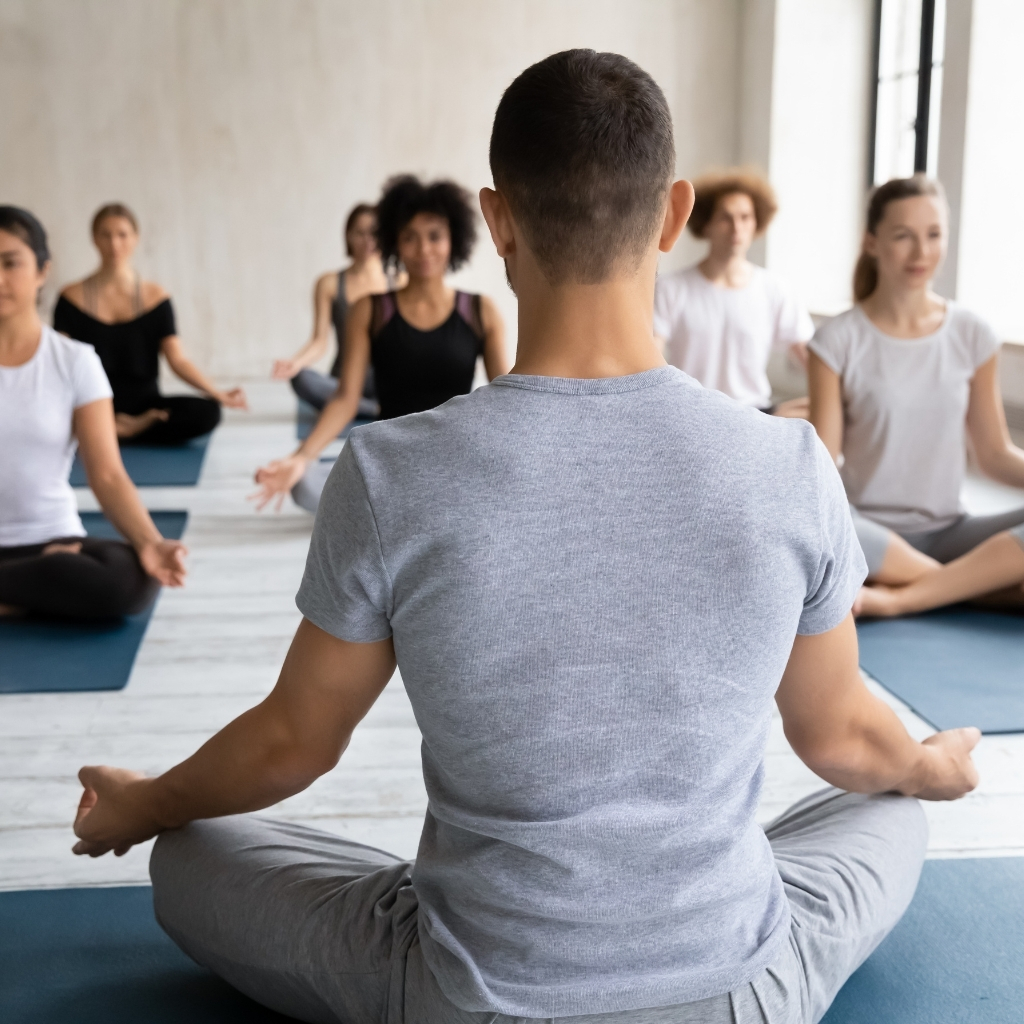
Practices that focus on flexibility and balance—like yoga, Pilates, and mindful stretching—build greater awareness of breath, form, and alignment. This connection boosts coordination, reduces stress, and helps you feel more grounded both in and out of the gym.

5. They’re the Key to Longevity in Fitness

Flexibility, mobility, and balance are the foundation for lifelong movement. As we age, these skills determine how well we can continue doing the things we love—whether that’s dancing, lifting, hiking, or simply getting on and off the floor with ease.

Ready to Bring These Skills to Life in Your Classes?

AAAI Fitness offers nationally recognized certifications to help you master and teach these essential components of fitness. Whether you’re just getting started or ready to deepen your expertise, these trainings give you the tools to make a lasting impact:

Restorative Yoga Instructor Certification

Learn asanas and techniques that restore vitality, support the health of internal organs, and create balance in the body and mind. This course includes yoga cleansing practices and sequences designed to support long-term well-being.

Mat Pilates Instructor Certification

Master the foundations of Pilates mat work, focusing on spinal alignment, breath, smooth transitions, and modifications suitable for all populations. You’ll leave with a successful, repeatable class structure that promotes core strength, flexibility, and posture.

Stretching for Flexibility, Function & Strength Certification

Explore full-body stretching techniques—from head to toe—with special emphasis on mindful breathing, anatomy, and sport-specific programming. This course combines flexibility training with functional movement to help you support a diverse range of clients.

Join us and expand your impact as an instructor.
Whether you’re helping clients feel better in their bodies or elevating your own training, flexibility, mobility, and balance are your secret weapons for success. Explore upcoming certifications and register today here.


5 Reasons a Certification Will Make You a Better Fitness Coach

Anyone can lead a workout. But coaching? That takes knowledge, skill, strategy—and heart. If you’re passionate about fitness and helping others reach their goals, a personal training certification isn’t just a box to check—it’s your gateway to true coaching excellence. Here’s why:

1. It Deepens Your Understanding of the Human Body

To coach effectively, you need more than just a love of movement—you need to understand how the body works. A quality certification like the AAAI/ISMA Personal Fitness Trainer course gives you a foundational education in muscle anatomy, physiology, kinesiology, and biomechanics. This means you’ll know why an exercise works, how to cue it safely, and what modifications are best for each individual. That kind of knowledge builds confidence—for you and your clients.

2. It Moves You Beyond Generic Workouts to Personalized Programs

With certification, you’ll go from dishing out cookie-cutter routines to designing effective, personalized programs. Through the AAAI/ISMA course, you’ll learn program design, including reps, sets, loads, and periodization strategies. You’ll understand how to tailor fitness plans to match your client’s goals, limitations, and fitness levels—and how to evolve those plans over time.

3. It Sharpens Your Assessment and Coaching Skills

A great coach doesn’t just lead movement—they evaluate it. Certified trainers are trained in fitness assessments, giving you the tools to observe movement patterns, identify imbalances, and measure progress. The AAAI course covers client evaluation techniques, helping you turn observations into clear strategies and coaching cues that improve form, reduce injury risk, and boost results.

4. It Equips You with Science-Based Knowledge, Not Guesswork

Coaching with confidence means understanding the why behind your choices. AAAI’s certification includes exercise physiology, cardiovascular conditioning, and nutrition basics, so your decisions are rooted in real science—not just trends or hearsay. This level of professionalism separates credible coaches from enthusiastic hobbyists.

5. It Establishes Trust and Credibility with Clients and Employers

Would you trust a dentist without a license? Probably not—and clients feel the same about personal trainers. A certification from a recognized organization like AAAI shows that you’re educated, committed, and serious about your role. It gives clients peace of mind and gives you the credibility to work in gyms, studios, or even launch your own training business.

The Bottom Line:
Getting certified is the first step to becoming a great coach—not just someone who leads workouts but inspires, educates, and transforms lives.

The AAAI Fitness Personal Fitness Trainer Certification is a powerful launchpad for this journey. It delivers the tools, science, and structure you need to coach with excellence—starting with the essentials and building toward a lifelong, rewarding career in fitness.

Ready to level up? Your coaching evolution starts here.

3 Ways Breathwork Can Enhance Your Fitness Sessions

As fitness professionals, we often focus on reps, sets, form, and tempo—but there’s a powerful tool hiding in plain sight that can deepen results, elevate the experience, and boost client engagement: breathwork. Conscious breathing techniques aren’t just for yoga or meditation—they have a rightful place in strength, cardio, and mobility sessions too. Here’s how incorporating breathwork can transform your classes and sessions:

1. Enhances Focus and Mind-Body Connection

Teaching clients to connect their breath with movement helps shift them out of autopilot and into intentional movement. Instead of simply going through the motions, breathwork grounds them in the present moment, increasing awareness of how their body moves and feels. This is especially effective during balance, core work, and slow tempo strength training. Breath cues become powerful anchors, improving coordination and alignment—two keys to both safety and performance.

Try this: Start your sessions with 60 seconds of deep diaphragmatic breathing. It calms the nervous system and helps clients mentally transition into “workout mode.”

2. Boosts Performance and Endurance

Breathing deeply and efficiently improves oxygen delivery to muscles, reduces fatigue, and helps regulate heart rate during intense intervals. Teaching your clients to exhale during effort and inhale during recovery not only increases power output but also makes high-intensity work feel more sustainable.

Bonus: Breath control can reduce the chance of holding tension in the shoulders and neck—common problem areas during strength or cardio training.

Try this: Coach your clients to exhale during exertion (like pushing a weight or rising from a squat) and inhale during the return. Over time, this will feel more intuitive and lead to better rhythm and flow.

3. Promotes Recovery and Reduces Stress

The way your clients breathe after a workout can make or break their recovery process. Shallow chest breathing keeps them in a sympathetic (fight-or-flight) state, which delays muscle repair and contributes to lingering stress. On the other hand, guided breathwork post-session helps downshift the nervous system into parasympathetic (rest-and-digest) mode—ideal for recovery and stress relief.

Try this: End your class with 2–3 minutes of guided breathing, such as box breathing or extended exhales, to promote relaxation and mindfulness.

Final Thoughts

Breathwork is free, accessible, and incredibly powerful. It enhances performance, focus, recovery, and the overall experience for your clients. By incorporating even a few minutes of intentional breathing into your classes or sessions, you’re not just training bodies—you’re empowering minds.

Ready to take a deep breath and upgrade your coaching? Try adding one of these techniques this week—and notice the difference it makes.

Ready to Learn More?

If you’re inspired to dive deeper into the power of breath, guided relaxation, and meditation, don’t miss the opportunity to train with Ian Heim in the Stress Reduction, Relaxation & Meditation Certification. Whether you want to teach these powerful techniques to others or simply enrich your own wellness practice, this course provides practical tools you can use immediately.

You’ll learn how to teach:

  • Pranayama breathing techniques

  • Creative visualization

  • Positive self-affirmations

  • Meditation methods for all levels

  • The powerful Hands of Light Meditation

Join us for a transformative experience that will elevate your coaching, support your clients’ well-being, and help you find more peace and presence in your own life.

Breathe deep. Teach confidently. Live fully.

Let's Learn More

5 Mental Wellness Benefits of Movement for Active Agers

As we age, prioritizing physical movement becomes more than just a strategy for maintaining physical health—it’s a powerful tool for fostering mental wellness. Exercise has long been touted for its ability to enhance mood, sharpen cognitive function, and reduce stress, making it an essential element in the lives of active agers. Understanding the mental health benefits of movement can help individuals stay motivated and incorporate regular physical activity into their daily routines.

Enhanced Mood and Stress Reduction

One of the most immediate benefits of exercise is its ability to improve mood and alleviate stress. When you engage in physical activity, your body releases endorphins, often called “feel-good” hormones. These chemicals interact with receptors in the brain, reducing pain perception and triggering a positive feeling. For active agers, this release of endorphins can be especially beneficial as it helps mitigate feelings of anxiety, stress, and even depression.

As we age, managing stress becomes more crucial for overall well-being. The pressures of life may evolve, including health concerns, changes in living situations, or the loss of loved ones. Exercise serves as a natural outlet to manage these stresses. It allows the mind to shift away from worries, providing a reprieve and creating space for clarity and peace. Movement becomes a potent strategy for managing mental health and maintaining emotional equilibrium, whether it’s a walk in the park, a yoga session, or a strength training class.

Improved Cognitive Function

Regular physical activity isn’t just good for the body—it’s great for the brain, too. Studies have shown that exercise enhances cognitive function, including memory, attention, and problem-solving skills. This is especially important for active agers, as cognitive decline is a common concern as we age. Incorporating movement into daily life can help protect against the natural aging process in the brain.

Physical activities that require coordination, balance, and quick decision-making are particularly beneficial. For example, dance classes or group fitness sessions that involve learning new routines engage the brain in ways that stimulate cognitive growth. These activities challenge the mind while providing the body with the physical benefits of exercise, creating a holistic approach to health.

Reduced Risk of Specific Diseases

When we exercise, blood flow to the brain increases, supplying it with more oxygen and nutrients. This increased circulation stimulates the growth of new brain cells and improves connections between existing ones. Regular physical activity has even been linked to a decreased risk of developing neurodegenerative diseases like Alzheimer’s and dementia. In essence, movement can act as a protective shield for the mind, helping to preserve mental sharpness and cognitive function as we age.

Better Sleep Quality

Sleep is a cornerstone of good health, yet many older adults struggle with sleep disturbances. Whether it’s difficulty falling asleep, waking up during the night, or feeling unrested in the morning, sleep issues can significantly affect mental wellness. Physical movement, however, can be a natural remedy.

Regular exercise has been shown to improve sleep quality by helping the body regulate its circadian rhythms. When we move our bodies, we expend energy, which makes it easier to fall asleep at night and promotes deeper, more restorative sleep. For active agers, this improvement in sleep can profoundly affect overall well-being.

Increased Self-Esteem and Confidence

Maintaining a sense of independence and self-confidence is critical for mental well-being as we age. Regular exercise can play a vital role in fostering these feelings, providing physical and psychological benefits that bolster self-esteem.

Exercise, especially when performed consistently, can improve strength, flexibility, and mobility, making daily tasks easier. This sense of physical capability can have a direct impact on mental wellness. For active agers, feeling strong and capable promotes a sense of control over their bodies and lives, which is key to building and maintaining self-confidence.

The social aspects of exercise also contribute to increased self-esteem. Group fitness classes, for example, offer a supportive environment where active agers can connect with others, form friendships, and share in mutual goals. These social bonds enhance feelings of belonging and reduce the sense of isolation that many older adults face. Combining physical achievement and social interaction creates a positive feedback loop reinforcing confidence and self-worth.


Movement as a Foundation for Mental Wellness

Incorporating regular movement into the lives of active agers is not just about improving physical health—it’s about creating a foundation for sustained mental wellness. Whether it’s a structured exercise program or simply increasing daily activity, movement acts as a multifaceted tool for improving mood, cognitive function, sleep, and self-esteem. For active agers, these mental health benefits are invaluable, helping them navigate the challenges and changes that come with aging.

Ready to Make a Bigger Impact?
If you’re passionate about helping others live longer, stronger, and happier lives, now is the time to level up your skills. With the Baby Boomer generation redefining what it means to age, there’s never been a greater demand for fitness professionals who truly understand the unique needs of active agers.

Our Older Adult Fitness Trainer Certification gives you the tools to confidently train adults 65+ by addressing the physical, mental, and emotional shifts of aging. You’ll learn how to design effective, safe, and inspiring programs that empower your clients to move with purpose, improve their health, and take back control of their lives.

Whether you’re working with sedentary beginners or seasoned athletes, this course will elevate your expertise and expand your reach. Join the movement—and be the difference in someone’s second act. Register today.

3 Reasons Every Fitness Professional Should Have a Yoga Certification

Whether you teach HIIT, strength, dance, or bootcamp, having a yoga certification in your professional toolbox can be a game-changer. Yoga is no longer a niche modality—it’s a respected, science-backed practice that enhances everything from mobility and recovery to mental resilience and client retention. For fitness professionals looking to stay relevant and create sustainable careers, yoga education is no longer optional—it’s essential.

Here are three reasons why you should invest in a yoga certification—and why the AAAI-ISMA Yoga Certification at the One World Conference is the perfect opportunity to do it.


1. Yoga Enhances Every Modality You Teach

Yoga isn’t just about sun salutations and holding Warrior II. A quality yoga education dives deep into breathing mechanics, body awareness, and joint mobility—tools that translate directly into better performance and safety in any other format you teach. Whether your clients are lifting, jumping, dancing, or recovering, the principles of yoga improve alignment, prevent injury, and support longevity. As a trainer or instructor, integrating yoga concepts makes your programming more intelligent and well-rounded.

2. Expand Your Client Reach and Retention

Offering yoga increases your versatility and broadens your audience. From active agers and pre/postnatal clients to weekend warriors and overtrained athletes, almost everyone benefits from the slower, more mindful approach yoga provides. Plus, yoga classes often promote a sense of community and personal growth, keeping clients coming back—not just for the workout, but for the experience. In a saturated industry, being able to offer restorative or gentle yoga alongside your high-intensity formats sets you apart and boosts your income potential.

3. Support Mental Health and Emotional Wellness

Fitness is evolving to include more than just physical goals—and yoga is at the heart of that transformation. With its focus on breathwork, mindfulness, and stress relief, yoga supports the emotional and mental well-being of your clients. For fitness professionals, having tools to help clients manage anxiety, improve focus, and regulate their nervous system is an invaluable asset in today’s world. Adding yoga to your skillset positions you as a holistic coach, not just a workout instructor.

Get Certified at One World Conference

The AAAI-ISMA Yoga Certification and Chair Yoga Certification at the One World Fitness Conference, June 6–8 in Atlantic City, NJ, is your chance to gain a respected credential and hands-on experience from seasoned professionals. This certification covers foundational postures, alignment principles, breathing techniques, and how to safely instruct all levels.

Whether you’re looking to teach full yoga classes or simply integrate elements into your current sessions, this training will equip you with practical skills you can apply right away.

Don’t miss your chance to elevate your coaching and open new doors in your fitness career. Join us at One World Conference and walk away with the tools, confidence, and certification to make yoga a valuable part of your professional journey.

3 Benefits of Using the Magic Ring in Your Pilates Classes

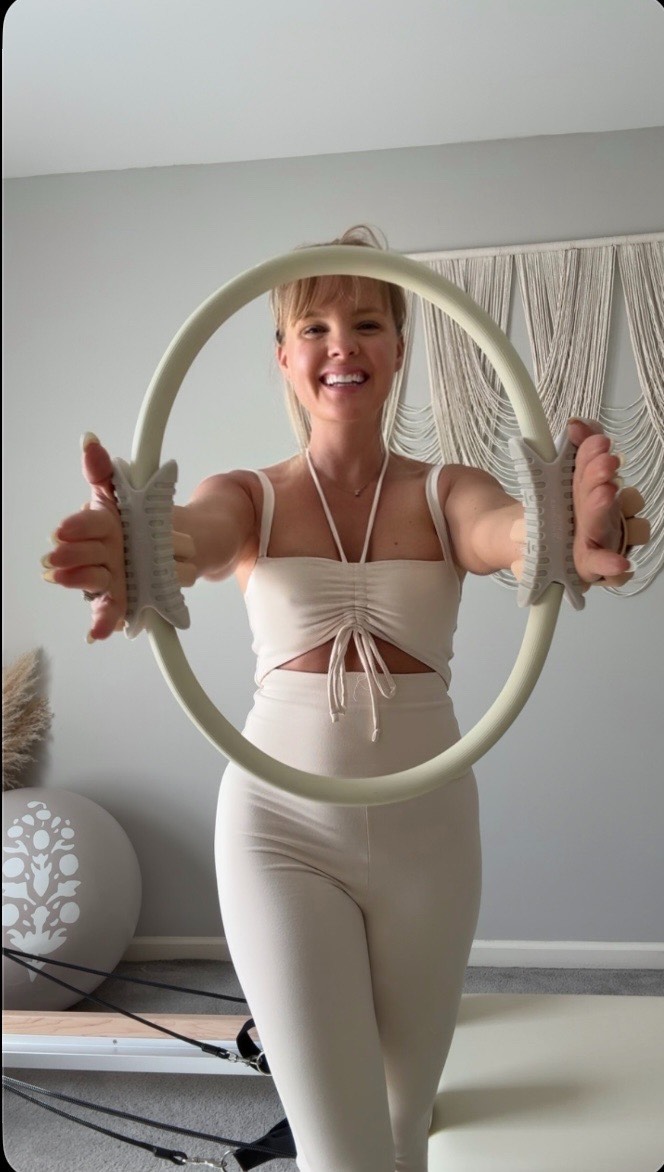
If you’ve ever gripped a Pilates Magic Circle—also known as the “ring of fire”—you know it’s no ordinary piece of equipment. Though it looks simple, this lightweight tool offers deep resistance and feedback that can completely transform your Pilates practice.

Whether you’re leading beginner clients or seasoned movers, incorporating the Magic Circle into your classes can bring three powerful benefits:

1. Increased Muscle Activation with Minimal Equipment

The Magic Circle provides gentle yet effective resistance that activates muscles often overlooked in traditional mat work. Whether it’s targeting the inner thighs, glutes, chest, or core, this compact tool makes muscles “wake up” without needing bulky gym equipment. The ring adds just enough resistance to deepen engagement while keeping the focus on form and control—a hallmark of Pilates.

2. Improved Alignment and Body Awareness

One of the most valuable (and underrated) functions of the Magic Circle is its ability to provide feedback. When placed between the hands, knees, or ankles, the ring gives clients an instant sense of their body positioning and movement quality. This tactile cue promotes better alignment, symmetry, and control throughout the exercises—key components for injury prevention and long-term mobility.

3. Endless Variety and Challenge

Pilates instructors know the power of novelty when it comes to client engagement. The Magic Circle introduces fresh variations that can both simplify and intensify familiar movements. It’s a versatile addition to any session, helping clients feel challenged without overwhelmed. And for instructors, it keeps programming exciting while offering layered options to meet diverse needs.


Ready to Add Some Magic to Your Movement?

Join us live in PA and virtually on May 10th for a dynamic and informative Pilates Magic Circle Workshop with the knowledgeable and inspiring Rebecca West Hensinger, BA. Whether you’re a curious beginner or a seasoned instructor, this workshop will explore:

  • Full-body exercises that strengthen, stretch, and stabilize

  • Adaptable techniques you can apply immediately to elevate your group classes

You’ll leave with a deeper appreciation for this classic tool, new exercises to challenge your clients, and teaching strategies that add variety and precision to your programming.

Perfect for: Pilates enthusiasts, instructors, and movement professionals looking to expand their toolbox and elevate their class experience.

Don’t miss your chance to bring the magic back into your movement.
Reserve your spot today—spaces are limited! Join us live in PA and virtually on May 10th.

5 Ways to Improve Your Cool Down

A great workout doesn’t just start strong—it should end strong too. Your cool-down is the final impression you leave on your clients; when done right, it can transform how they feel long after class. Instead of treating the cool-down as an afterthought, use it as an opportunity to promote recovery, connection, and motivation.

 Here are five simple yet powerful ways to improve your cool-down and make every class experience more impactful.

Set the Mood with the Right Music

Just as upbeat tracks drive energy during a workout, cool-down music helps shift your clients into a more relaxed state. The transition from high-intensity movement to recovery should feel seamless, and music plays a huge role.

What to play:

–Soft instrumental tracks that create a calming atmosphere

–Slow-tempo acoustic or indie songs to bring the heart rate down gradually

–Lofi beats or chill R&B for a modern, soothing vibe

The right playlist helps signal to the body that it’s time to recover, making your cool-down feel intentional and complete.


End with an Empowering Walk-Away Message

Your last words matter. The cool-down is the perfect moment to reinforce confidence and leave your clients feeling strong, successful, and motivated to return. Instead of just saying, “Great job, see you next time,” use this moment to uplift and inspire.

Try saying something like:

— Take a second to thank yourself for showing up today. Your effort, no matter how big or small, is what matters most.


— Your body is stronger because of what you did today—carry that strength into the rest of your day.


— The hardest part is showing up, and you did that. Keep that momentum going.

A simple but powerful closing statement can make clients feel accomplished and excited to come back.


Stretch with Purpose

Not all stretches are created equal. A great cool-down includes targeted movements based on the workout you just completed, rather than a generic routine.

Match stretches to the workout:

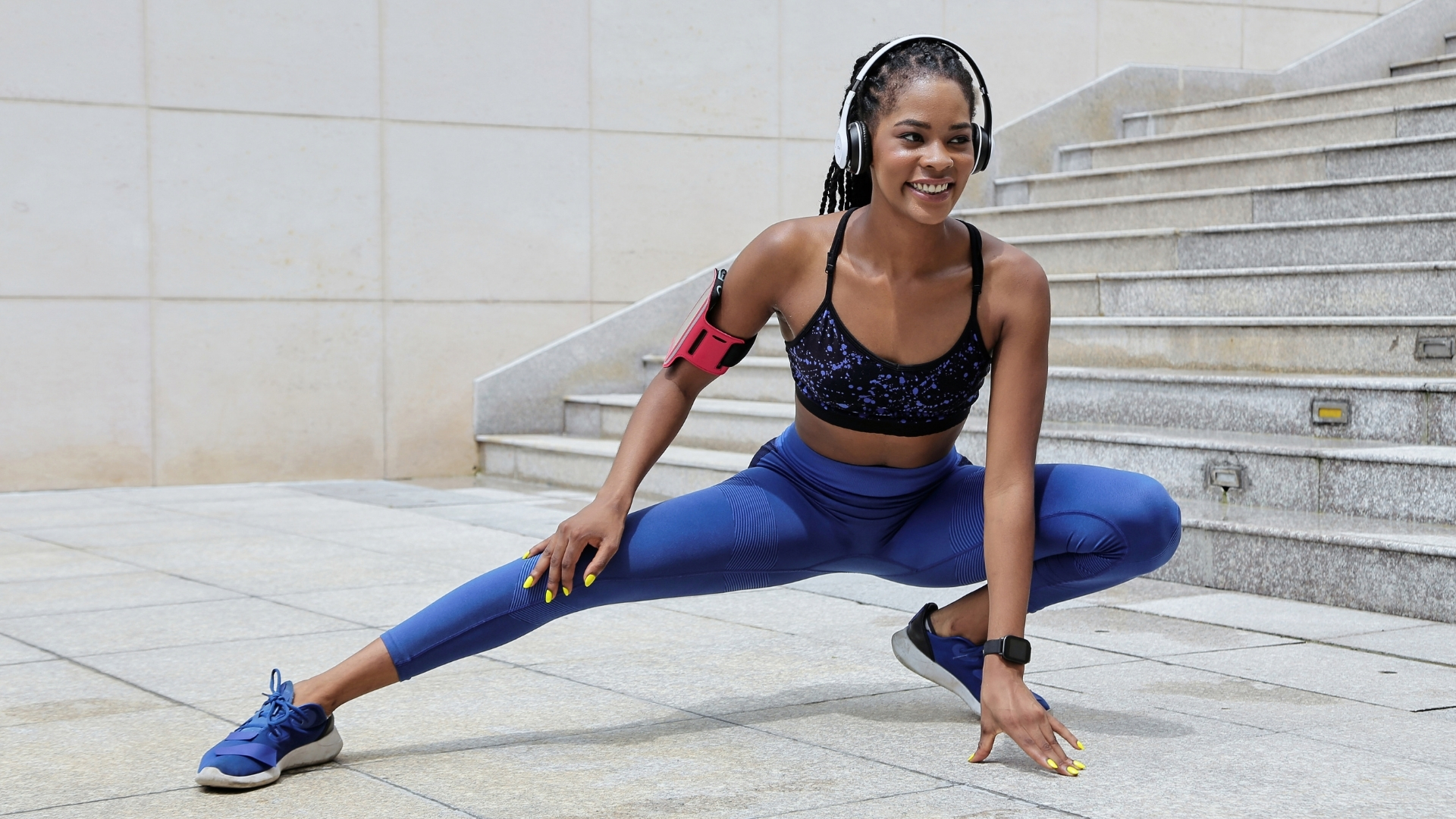
–After HIIT or cardio, prioritize hamstring, calf, and hip flexor stretches to release tension.


–After strength training, focus on the muscles that were worked (chest openers after upper body, quad and glute stretches after lower body).


–After yoga or Pilates, encourage deep, restorative stretches like seated forward folds or spinal twists to seal the session.

By tailoring stretches to the workout, you help prevent soreness and give clients a sense of intentional recovery.


Remind Clients of What’s Coming Up

Your cool-down is a prime time to remind your clients about upcoming events, new classes, or any special promotions at your studio. Since they’re already in the room, engaged, and listening, this is your opportunity to build community and encourage participation in future offerings.

Examples:

— If you loved today’s class, join us for Strength & Stretch this Thursday—same time, same place.


— We’ve got a fun themed class coming up next week—bring a friend and let’s make it even better.


— Our next wellness workshop is happening Saturday morning—sign up at the front before you go.

A quick reminder keeps your clients informed and increases their likelihood of staying engaged with your studio’s offerings.


Invite Them Back Before They Walk Out the Door

Retention starts before your clients leave the studio. A warm, genuine invitation to return goes a long way in keeping them connected to your classes.

Make it personal:

— I can’t wait to see you all again next week—same energy, same vibe.


— Let’s keep this momentum going. Who’s coming back for round two on Wednesday?


— If today felt good, keep showing up, and let’s do this together.

Acknowledging their effort and making them feel valued ensures they leave feeling like part of a community, not just another class attendee.

How you close your class is just as important as how you start it. Integrating intentional music, personalized stretches, empowering words, and a welcoming atmosphere creates an experience that makes clients feel valued, inspired, and excited to return.

Ready to Lead the Pack?
Become a certified Group Fitness Instructor through AAAI Fitnessand turn your love of movement into a powerful career. This certification equips you with the tools to design safe, effective, and engaging classes for all fitness levels.

With hands-on training and expert guidance, you’ll learn how to cue, coach, and inspire—whether you’re teaching HIIT, dance, strength, or circuit formats. It’s time to step to the front of the room and lead with confidence.

Register today!

Let's Keep Going

0