Your Guide to Stress-Free Class Prep

There is so much magic that happens within a group fitness class. A good instructor will lead you through a great workout, but an exceptional instructor will guide you through an amazing experience. The exceptional instructor appreciates that fitness is more than sweat and reps; it’s about connection & community. A great fitness class is one where the experience is memorable. So how can you focus more on tying people together and less on what comes next?

Be Prepared

While it’s not as easy as a two-word sentence, it can be fairly simple once you have the right tools and a system. Before you start this next process, you need to know the goal and target market of the class; however, those topics are not covered in this article. At this point, we assume you know the workout’s purpose and are ready to implement class planning.

Here Are 5 Tools To Use For Successful Class Planning:

1. Construct System

Fitness thrives off of consistency. We see improvement and growth when we can practice and perfect movements. This is why a structured and repeatable class construct can help your participants see their progress.

A class construct is a simple recipe for a great experience. Take some time to brainstorm on what ingredients should be used in your warm-up, the body of class, and the cool down. Think of these ingredients as buckets of content. In other words, don’t be specific as to “Standing Cat and Cow” but rather “Thoracic Spinal Movements” so that many elements can fit into your ingredients bucket. This allows you to plug in different movements to add variety to your class.

Once you know the ingredients, design it.

Use a chart-building tool to help you graphically design your construct. Programs like Google Slides and Canva can help you put your thoughts into a plug-and-play chart. This chart will be vital to the next stages of your class planning.

2. An Exercise Library System

Now it’s time to build the specifics of your ingredient buckets. You need a way to list all of the exercises you are about to collect in this step. Your List Builder can be as simple as a Word/Google Document or a Trello board where you can create a checklist for each ingredient bucket.

Research and brainstorm as many exercises as possible for each bucket. If one of your buckets is “Lateral Moving Cardio”, then draft a list of as many different examples as you can. If you can’t think of many, start researching the movement pattern to find new ideas. Consider using exercise libraries provided by equipment and education companies, as well as by industry experts. Take targeted workshops and training to expand your knowledge base, and make sure you log what you learn in your List Builder before you forget.

3. A Rotation System

Yes, consistency is key to fitness improvement, but variety is the spice of life, right? To help you quickly create new classes based on your class construct, create a bucket rotation system. By using the class construct and exercise library, you can quickly plug in new movements without having to create and memorize an entirely new class plan. This allows for you to keep consistency throughout each class, while still offering “new” ideas for you and your participants.

For example:

Week 1 – Change exercises for the Warm-Up buckets only

Week 2 – Change the exercises of 1 bucket from the class body

Week 3 – Change the exercises of another bucket from the class body

Week 4 – Change the exercises of the cool down buckets only

The class construct & buckets will remain the same (the ingredients) while the exercises themselves will change. Without a checklist, it’s hard to track what you changed the week prior. So create a quick list with your rotation – keeping in mind, it can be as long as you want/need. You can add this checklist to the top of your List Builder or as an additional chart in your Chart Design to help you track.

4. A Storage System

Have you heard of the 4 Rs? Recycle, Reuse, Reduce and Repurpose. Not only will these save the planet, but they will also save your time, effort, and energy. It bears repeating that consistency is the key to fitness improvement. While we discussed above a Rotation System that helps you maintain consistency and variety, it’s important to remember that you can absolutely repeat an entire class plan. But you need a system to store the class plans.

As you create your classes, type or write the exercises into your chart so you can quickly print it to take to class for guidance. If you are using a chart builder like Google Slides, you can create a new slide within the document so that all class plans are saved in one location. If you are printing your class plans, you can store them in a binder or folder.

5. A Rating System

Once you teach a class, make sure to write notes to your future self. What about the class plan was great, needed improvement, or should be changed the next time you teach that particular class. Having a rating system allows your future self to decide what class plans to repeat and what to change about a class plan to make it successful. Don’t depend on your memory to keep all of this information – write it down, rate the class, and store it for later use. By using all of these systems, you can quickly create a class in minutes.

Use your saved creation time to focus on crafting the following experiential pieces of your class: class welcome, new cues, music playlist, partner or group-based activities, class questions, focused mantras and meditations or endings. Remember, the magic of group fitness happens during those moments in class, not by your new choreography or exercise selection.

Learn More

The Power of Gliding Discs

The Power of Gliding Discs

Gliding Discs may seem like simple tools, but they offer significant benefits for various fitness levels. This portable and versatile equipment can increase intensity, engage muscles differently, and enhance stability during workouts. From improving strength to adding...

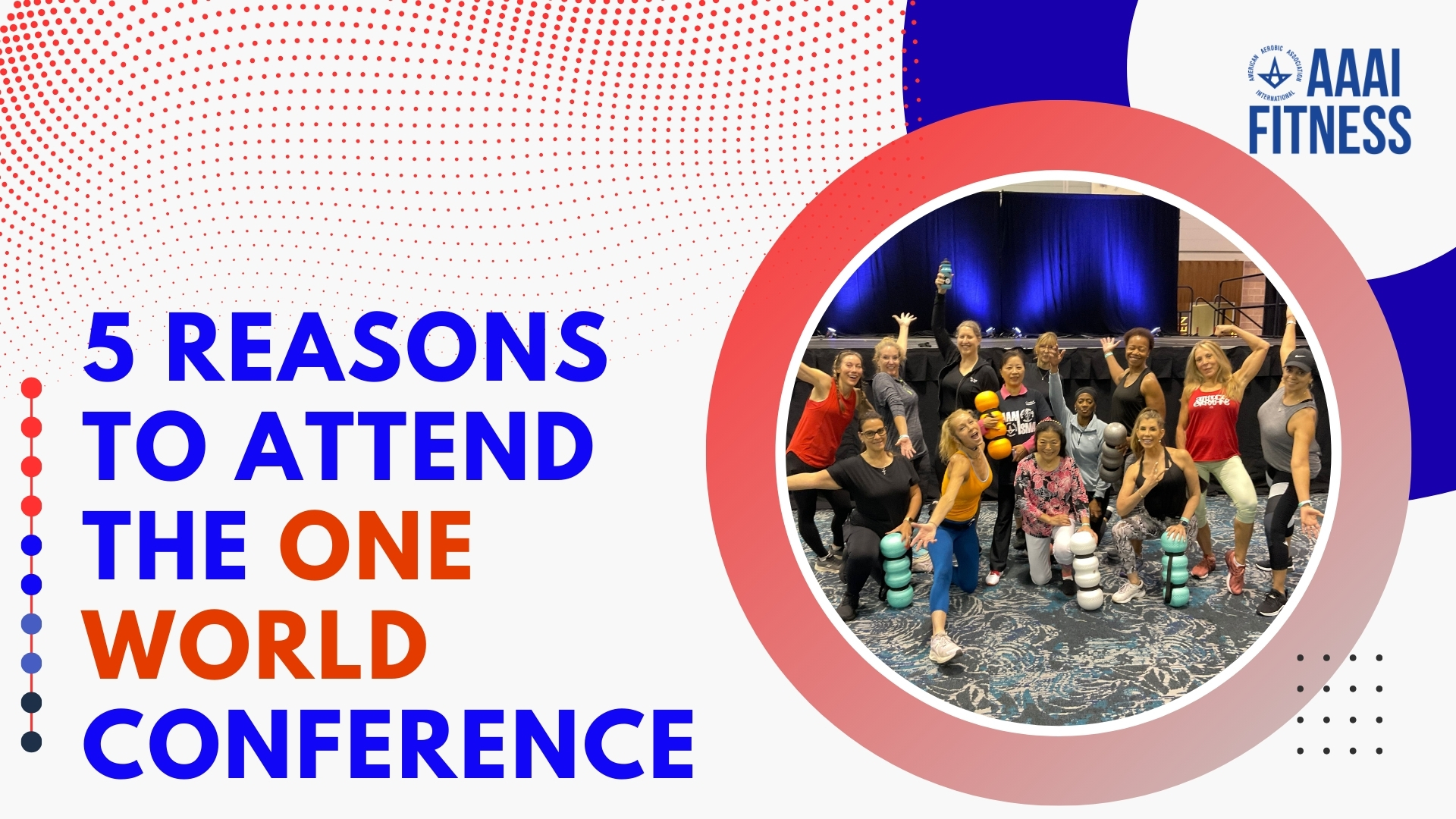
Still on the Fence About the One World Conference? Read This First.

Still on the Fence About the One World Conference? Read This First.

We get it. Life is busy. Money is real. Time off isn't always easy to come by. And with so many online courses, webinars, and virtual certifications available at the click of a button — it's easy to talk yourself out of showing up in person. But before you close that...

5 Core Training Mistakes Fit Pros Make — And How to Fix Them

5 Core Training Mistakes Fit Pros Make — And How to Fix Them

Rotation is one of the most fundamental movements in the human body — and one of the most misunderstood in the fitness industry. We sat down with Carl Horne, former NBA strength and conditioning coach and founder of TrueTurnPro, and John Preston, MS, CSCS, Director of...

The Missing Link in Client Results

Every fitness professional has seen it happen. A client shows up consistently. They train hard. They follow the plan. And then one day — the progress stops.

They’re not getting weaker or less motivated, but the results slow down, stall, or completely plateau. And no matter how many times you adjust reps, sets, or load, nothing seems to break through.

The truth is simple: Many clients aren’t missing intensity.
They’re missing mobility, stability, and intentional recovery.

These three foundational pillars are not “extras” or “nice-to-have” components of fitness. They are the missing link preventing many clients from moving better, feeling better, and unlocking their full performance potential.

Let’s break down why.

1. Mobility Unlocks Access to Movement

Mobility isn’t just flexibility. It’s functional movement quality — the ability to access a range of motion with control.

When clients lack mobility, they compensate.
Tight hips lead to low-back pain. Limited thoracic rotation leads to shoulder issues. Immobile ankles lead to poor squats and inefficient gait.

And here’s the catch: You can’t strengthen a range that doesn’t exist.

Improved mobility helps clients:

  • Move with greater ease

  • Reduce pain and stiffness

  • Improve form and technique

  • Increase the effectiveness of strength training

No mobility, no progress.

2. Stability Is the Foundation for Strength

Stability is what allows clients to control movement under load. It’s the difference between “doing the exercise” and “owning the exercise.”

Without proper stability, clients experience:

  • Energy leaks

  • Compensatory patterns

  • Poor alignment

  • Increased injury risk

Most plateaus stem from the body protecting itself — stopping progress when it senses instability.

By improving core strength, joint stability, muscle activation, and motor control, clients can safely generate more power, move more confidently, and finally break through those plateaus.

3. Recovery Creates Adaptation

Clients often assume that more work equals more results.
But fitness professionals know the truth:

Training creates stress.
Recovery creates progress.

When clients don’t incorporate recovery practices such as stretching, breathwork, mobility flows, meditation, or restorative movement, their nervous system stays stuck in “go mode.” This prevents the body from repairing tissue, restoring energy, and integrating strength gains.

Intentional recovery:

  • Enhances performance

  • Improves sleep and mood

  • Reduces chronic tension

  • Supports mental wellness

  • Helps clients stay consistent

Better recovery equals better results — every time.

Why Mind-Body Training Is Essential for Every Fitness Professional

Clients aren’t looking for more “hard work.”
They’re looking for:

  • Reduced stress

  • Fewer aches and pains

  • Better energy

  • Improved movement

  • Sustainable long-term progress

Mobility, stability, and recovery-based modalities like yoga, Pilates, and guided stretching fill the gaps traditional training leaves behind.

When you understand the principles behind mind-body movement, you elevate your coaching, enhance your programming, and give clients what they actually need to thrive.

Ready to Help Clients Break Through Plateaus for Good?

Expand your expertise with certifications that strengthen movement quality, enhance recovery, and improve long-term results.

🔹 Yoga Instructor Certification
🔹 Power Vinyasa Yoga Certification
🔹 Mat Pilates Certification
🔹 Stretching for Flexibility, Function & Strength Certification

Register today and start offering the missing link your clients have been waiting for.

Expand Your Career

The Power of Gliding Discs

The Power of Gliding Discs

Gliding Discs may seem like simple tools, but they offer significant benefits for various fitness levels. This portable and versatile equipment can increase intensity, engage muscles differently, and enhance stability during workouts. From improving strength to adding...

Still on the Fence About the One World Conference? Read This First.

Still on the Fence About the One World Conference? Read This First.

We get it. Life is busy. Money is real. Time off isn't always easy to come by. And with so many online courses, webinars, and virtual certifications available at the click of a button — it's easy to talk yourself out of showing up in person. But before you close that...

5 Core Training Mistakes Fit Pros Make — And How to Fix Them

5 Core Training Mistakes Fit Pros Make — And How to Fix Them

Rotation is one of the most fundamental movements in the human body — and one of the most misunderstood in the fitness industry. We sat down with Carl Horne, former NBA strength and conditioning coach and founder of TrueTurnPro, and John Preston, MS, CSCS, Director of...

From Nervous to Natural

If you’re preparing to teach your first group fitness class, congratulations—you’re stepping into one of the most rewarding roles in the fitness industry. Whether your class is choreographed like a Les Mills program or freestyle, your presence, preparation, and personality will define the experience.

After 25 years of teaching, AAAI/ISMA faculty instructor Joanne Smith-Taverner shares her top tips to help new instructors lead safe, effective, and fun classes from day one.

1. Practice, Practice, Practice

This one can’t be overstated. When you’re in front of a class, you’re there to teach, not to practice. Your preparation should happen long before participants arrive.

Joanne recommends rehearsing your routines in front of a mirror while cueing—again and again—until the movements and words flow naturally. The goal is to know your material so well that you can focus fully on your participants, not on remembering what comes next.

And always have a Plan A, B, and C. Things will go wrong—music glitches, room changes, missing equipment—so stay flexible and ready to adapt with confidence.

2. Arrive Early and Set the Tone

Professionalism starts before the first song plays. Arrive early, set up your space, and greet participants as they come in. Play upbeat music before class begins—it signals that something fun and energetic is about to happen.

As Joanne says, “People come to class to forget their problems. This is their one hour of me time.” Create an environment that feels welcoming and positive. That means leaving your personal stress outside and showing up fully for your participants.

3. Build Connection and Community

New participants often feel nervous. Make it a point to introduce yourself, learn their names, and pair them with a regular who can help them feel at home. This simple act builds instant connection and increases the likelihood they’ll return.

After class, check in with newcomers: “How did that first class feel? Don’t worry if you missed a few moves—everyone starts there. You’ll get it with practice!” Encouragement creates belonging, and belonging drives consistency.

4. Communicate Clearly and Cue Early

Your communication skills will make or break the class experience. Always cue before the movement happens, not during or after. Anticipatory cues—like “In four counts, we grapevine right!”—keep everyone in sync and prevent frustration.

Visual and verbal clarity are equally important. Use phrases like “Tell, show, do”—tell them what’s coming, show it, then do it together. Move around the room so everyone can see you, and use self-checks (“Let’s all look at our knees—are they tracking over our shoelaces?”) instead of singling people out.

5. Stay Professional and Keep Learning

From your attire to your playlist, every detail contributes to your credibility. Dress appropriately for the setting, choose inclusive and upbeat music without profanity or offensive lyrics, and always model professionalism.

Finally, never stop learning. Attend other instructors’ classes, seek feedback, and keep your certifications current. Joanne reminds us that “teaching group fitness is both an art and a science.” The best instructors blend knowledge, creativity, and care to help others move better and feel stronger.

Final Thoughts

When you’re leading a class, you’re more than just a fitness instructor—you’re a motivator, educator, and role model. Prepare thoroughly, show up early, connect authentically, cue clearly, and keep growing.

Because when your participants feel seen, supported, and successful, they’ll keep coming back—and that’s where the true magic of group fitness begins.

Don't Stop Now

The Power of Gliding Discs

The Power of Gliding Discs

Gliding Discs may seem like simple tools, but they offer significant benefits for various fitness levels. This portable and versatile equipment can increase intensity, engage muscles differently, and enhance stability during workouts. From improving strength to adding...

Still on the Fence About the One World Conference? Read This First.

Still on the Fence About the One World Conference? Read This First.

We get it. Life is busy. Money is real. Time off isn't always easy to come by. And with so many online courses, webinars, and virtual certifications available at the click of a button — it's easy to talk yourself out of showing up in person. But before you close that...

5 Core Training Mistakes Fit Pros Make — And How to Fix Them

5 Core Training Mistakes Fit Pros Make — And How to Fix Them

Rotation is one of the most fundamental movements in the human body — and one of the most misunderstood in the fitness industry. We sat down with Carl Horne, former NBA strength and conditioning coach and founder of TrueTurnPro, and John Preston, MS, CSCS, Director of...

What Every Trainer Should Know About Mental Wellness

The Numbers Don’t Lie

  • 94% of personal training clients regularly discuss nutrition, stress, sleep, and injury with their trainers.

  • 78% of people prioritize exercise for mental and emotional well-being.

  • 89% of peer-reviewed studies confirm a positive, statistically significant link between physical activity and mental health.

These numbers tell a clear story: fitness professionals are already at the forefront of mental wellness. Clients aren’t just showing up for physical transformation, they’re seeking emotional balance, stress relief, and resilience. Yet, most trainers were never formally educated on how to support these needs.

It’s time to redefine what it means to be a fitness professional. By understanding the science of mental wellness and incorporating evidence-based strategies for movement, nutrition, social connection, and mindfulness, trainers can expand their influence far beyond the gym floor.

The Dual-Continuum Model of Mental Wellness

Traditionally, mental health has been understood on a single horizontal axis from illness to wellness. But this limited view suggests that being well simply means being free from mental illness.

The dual-continuum model offers a deeper, more dynamic understanding. It introduces a second, vertical axis representing mental wellness, from languishing at the bottom to flourishing at the top.

  • Flourishing: Individuals who are thriving, fulfilled, and resilient, living with purpose and emotional vitality.

  • Languishing: Individuals who may not have a diagnosable condition but still feel disconnected, stagnant, or unmotivated.

This model highlights a critical truth: it’s possible to experience mental health challenges while still living a thriving life and to feel off even without clinical illness.

For fitness professionals, this means your role extends beyond physical conditioning. You have the power to help clients move from languishing to flourishing through the science of movement, connection, and recovery.

The Research Behind Movement and Mental Wellness

Research from the Global Wellness Institute and leaders like Dr. Gerry Bodeker demonstrates how fitness-related practices can support both axes of mental health, reducing illness while promoting flourishing.

Key Evidence-Based Pillars Every Trainer Should Understand

1. Exercise: Exercise is one of the most powerful tools for mental health.

  • Studies including the John W. Brick Foundation’s Move Your Mental Health report show that regular aerobic and strength training can reduce symptoms of depression and anxiety by up to 25%.

  • Physical activity boosts neurotransmitters like serotonin and dopamine, which regulate mood, motivation, and energy levels.

2. Nutrition: Nutrition has a strong connection to mental wellness.

  • Research from the Journal of Clinical Psychiatry (2017) shows that omega-3 fatty acids reduce depressive symptoms.

  • Studies in Nature Microbiology (2019) highlight how improving gut health can ease anxiety and depression.

  • Trainers can use this information to guide general nutrition conversations within their scope of practice.

3. Mindfulness and Meditation: Mindfulness-based practices like yoga, breathwork, and guided meditation help reduce stress and increase emotional regulation.

  • A JAMA Internal Medicine (2014) meta-analysis confirmed that regular mindfulness programs significantly decrease anxiety and depression.

  • Integrating a mindful minute at the start or end of class can enhance both physical and mental outcomes.

4. Social Connection: Humans thrive in connection.

  • Group fitness, partner workouts, and community-building events improve adherence and elevate mood and emotional well-being.

  • When clients feel seen and supported, they are more likely to flourish in and out of the gym.

Bridging the Gap: Fitness Professionals as Mental Wellness Advocates

Fitness professionals are uniquely positioned to support both axes of mental wellness:

  • Helping reduce stress, anxiety, and burnout (mental illness prevention)

  • Helping clients build joy, purpose, and resilience (mental flourishing)

By combining movement science with empathy, structure, and community, trainers can influence total well-being, not just body composition. Your work already supports mental wellnes, now it’s time to do it intentionally, confidently, and within your professional scope.

Conclusion

Mental wellness is not just the absence of struggle, it’s the presence of vitality, balance, and joy. The dual-continuum model helps us see that true well-being involves both preventing mental illness and promoting human flourishing.

As fitness professionals, you are in a powerful position to guide that journey. By integrating exercise science with holistic wellness practices, you can help every client move closer to thriving in body, mind, and spirit.

It’s time to redefine what fit really means.

Keep Reading

The Power of Gliding Discs

The Power of Gliding Discs

Gliding Discs may seem like simple tools, but they offer significant benefits for various fitness levels. This portable and versatile equipment can increase intensity, engage muscles differently, and enhance stability during workouts. From improving strength to adding...

Still on the Fence About the One World Conference? Read This First.

Still on the Fence About the One World Conference? Read This First.

We get it. Life is busy. Money is real. Time off isn't always easy to come by. And with so many online courses, webinars, and virtual certifications available at the click of a button — it's easy to talk yourself out of showing up in person. But before you close that...

5 Core Training Mistakes Fit Pros Make — And How to Fix Them

5 Core Training Mistakes Fit Pros Make — And How to Fix Them

Rotation is one of the most fundamental movements in the human body — and one of the most misunderstood in the fitness industry. We sat down with Carl Horne, former NBA strength and conditioning coach and founder of TrueTurnPro, and John Preston, MS, CSCS, Director of...

Healing Starts with Slowing Down

When it comes to helping people improve their physical, emotional, and mental well-being, certified personal trainer and wellness coach Jessica Lewis takes a holistic approach. Through her work with both veterans and civilians, Jessica uses the gentle yet powerful practice of Tai Chi Chih to promote healing, mindfulness, and connection. Here are five lessons from her conversation with AAAI that every wellness professional can learn from.

1. Meet People Where They Are

Jessica believes fitness should be accessible to everyone. “There’s nobody on the planet that I’ve ever encountered, and I can’t even imagine someone who can’t do Tai Chi Chih,” she says. By offering mindful movement that anyone can do, she creates a foundation for progress and self-confidence. Sometimes, all it takes is one small, positive habit to start a “snowball effect in which they might be more receptive to doing other things that simply make them feel good.

2. Soften to Find Strength

Jessica’s background in karate taught her about power, but Tai Chi Chih taught her something deeper. “The biggest lesson I think I’ve taken from Tai Chi Chih is there’s often more power in being soft,” she explains. This lesson challenges the “no pain, no gain” mentality that dominates fitness culture. Through mindful movement, clients learn that gentleness can be transformative.

3. Honor Rest and Recovery

In a culture that celebrates overtraining, Jessica reminds us that recovery is essential. “Another thing in this country we simply don’t honor is the value of rest,” she says. Adding mindful movement into a training program can enhance performance, mimic some of the benefits of sleep, and support both physical and emotional recovery.

4. Mindfulness Builds Resilience

For Jessica, mindfulness isn’t just a buzzword—it’s a skill that can be trained. “Practicing mindfulness will help you train your well-being, like you’re learning a new exercise or a new skill,” she says. Tai Chi Chih helps participants become more present, focused, and compassionate toward themselves—qualities that ripple into all areas of life.

5. Healing Begins with Connection

Working with veterans, Jessica has seen how powerful connection can be in the healing process. “Veterans are six times more likely to die by suicide than in combat,” she notes. “They crave that esprit de corps that they had when they were in the military.” Through her classes, Jessica recreates that sense of community and safety—helping participants feel seen, supported, and valued.

Jessica’s story is a powerful reminder that movement is more than physical—it’s emotional, mental, and deeply human. Her work with Tai Chi Chih demonstrates that healing often begins not with intensity, but with awareness, compassion, and mindful presence.

To learn more, please watch the entire interview below.

Don't Stop Now!

The Power of Gliding Discs

The Power of Gliding Discs

Gliding Discs may seem like simple tools, but they offer significant benefits for various fitness levels. This portable and versatile equipment can increase intensity, engage muscles differently, and enhance stability during workouts. From improving strength to adding...

Still on the Fence About the One World Conference? Read This First.

Still on the Fence About the One World Conference? Read This First.

We get it. Life is busy. Money is real. Time off isn't always easy to come by. And with so many online courses, webinars, and virtual certifications available at the click of a button — it's easy to talk yourself out of showing up in person. But before you close that...

5 Core Training Mistakes Fit Pros Make — And How to Fix Them

5 Core Training Mistakes Fit Pros Make — And How to Fix Them

Rotation is one of the most fundamental movements in the human body — and one of the most misunderstood in the fitness industry. We sat down with Carl Horne, former NBA strength and conditioning coach and founder of TrueTurnPro, and John Preston, MS, CSCS, Director of...

Props That Pay Off

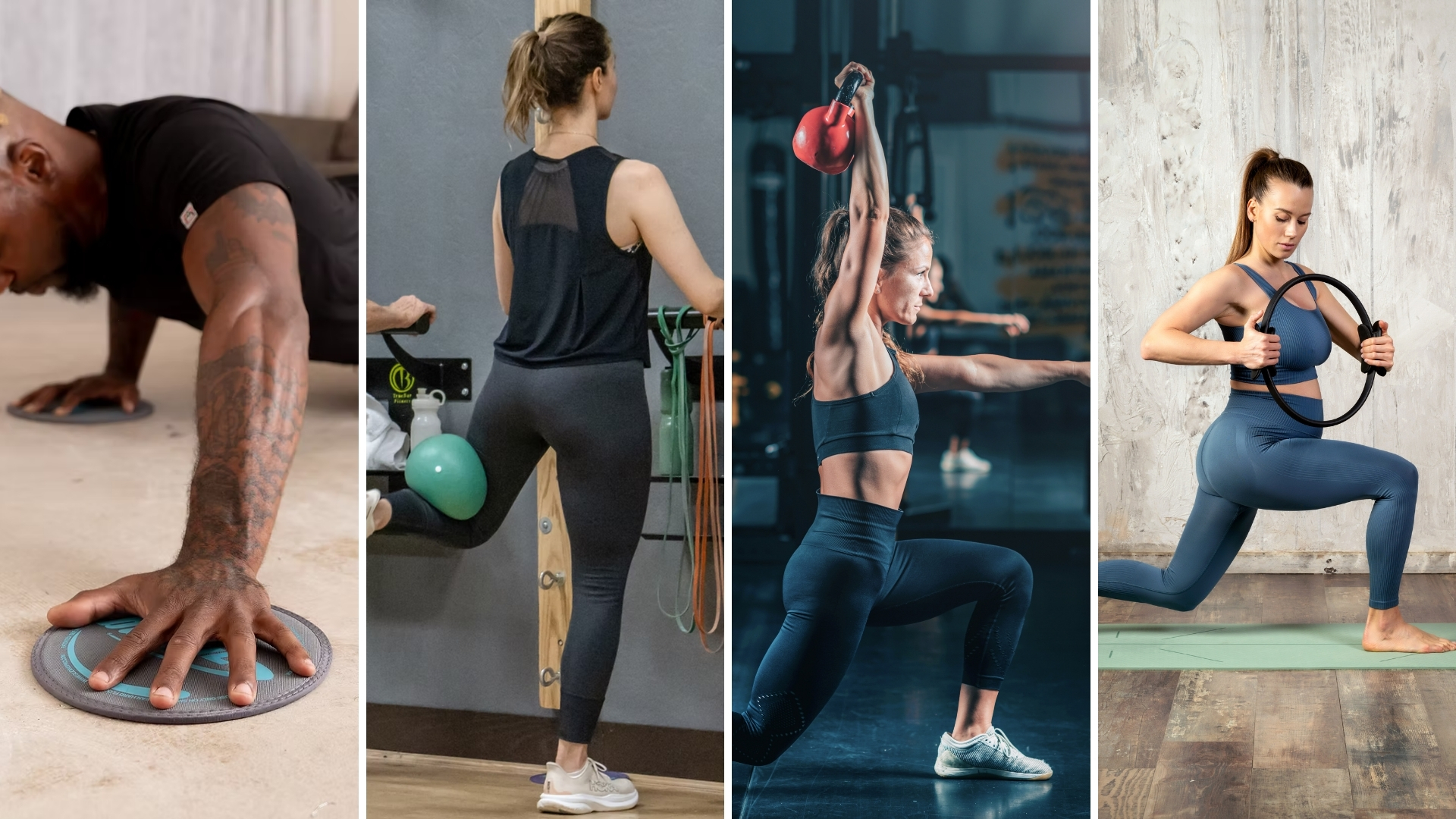
As a fitness professional, you know that results are not just about strength, endurance, or flexibility. True transformation happens when clients feel confident. Confident clients push themselves further, stick to their routines, and share their progress with friends. Fitness equipment like yoga mats, magic circles, Bender Balls, Gliding Discs, and kettlebells can help your clients feel capable, empowered, and excited to return to your classes. At the same time, offering these types of equipment-based workouts can help you grow your business by attracting new clients, opening additional locations, and creating more class opportunities.

Why Equipment Builds Confidence

  1. Yoga Mats: The foundation of any mindful practice, a quality yoga mat creates a personal space where clients feel secure and grounded. It allows them to explore new poses without fear of slipping or losing balance. This sense of safety encourages clients to challenge themselves and notice progress, building self-confidence over time.

  2. Magic Circles: Lightweight and versatile, magic circles help clients engage core muscles, improve posture, and refine alignment. They provide gentle resistance that allows clients to feel the effectiveness of each movement. Successfully using this equipment can give participants a sense of accomplishment and empowerment.

  3. Bender Balls: These small but powerful props can be used to improve strength, balance, and coordination. Bender Balls challenge clients in new ways while providing a safe and supportive tool. When clients achieve movements they once thought were difficult, their confidence grows, motivating them to continue improving.

  4. Gliding Discs: Perfect for low-impact, full-body workouts, gliding discs encourage dynamic movements such as lunges, planks, and slides. The novelty and fluidity of these exercises keep workouts fun and engaging. Clients often experience the satisfaction of mastering challenging moves, which reinforces their confidence.

  5. Kettlebells: Strength training with kettlebells is a powerful way for clients to feel strong and capable. Learning proper technique allows participants to lift, swing, and move with control. As their strength improves, clients feel more empowered both in and out of class, and they begin to trust in their own abilities.

Business Benefits: More Locations, Classes, and Clients

Incorporating equipment into your classes does more than help clients. It makes your studio or program stand out. Unique, equipment-based workouts attract attention, increase attendance, and give you the flexibility to run classes in multiple locations. Confident clients often become your best advocates. They bring friends, share their progress, and increase class enrollment. As you introduce more varied classes using these tools, you create opportunities for expansion and growth in your business.

Take the Next Step: Upcoming Workshops

If you want to take your classes to the next level, AAAI offers workshops designed to help you master these tools and grow your business:

Investing in your knowledge and in your clients’ confidence is a win-win. Equip your classes with the right tools, inspire your participants, and watch your business expand.

Keep Learning

The Power of Gliding Discs

The Power of Gliding Discs

Gliding Discs may seem like simple tools, but they offer significant benefits for various fitness levels. This portable and versatile equipment can increase intensity, engage muscles differently, and enhance stability during workouts. From improving strength to adding...

Still on the Fence About the One World Conference? Read This First.

Still on the Fence About the One World Conference? Read This First.

We get it. Life is busy. Money is real. Time off isn't always easy to come by. And with so many online courses, webinars, and virtual certifications available at the click of a button — it's easy to talk yourself out of showing up in person. But before you close that...

5 Core Training Mistakes Fit Pros Make — And How to Fix Them

5 Core Training Mistakes Fit Pros Make — And How to Fix Them

Rotation is one of the most fundamental movements in the human body — and one of the most misunderstood in the fitness industry. We sat down with Carl Horne, former NBA strength and conditioning coach and founder of TrueTurnPro, and John Preston, MS, CSCS, Director of...

5 Lessons for Training Longevity

With over three decades of experience, countless certifications, and an unshakable passion for movement, Leslee Bender has helped shape the modern fitness landscape. As the creator of the Bender Ball Method and founder of the Ageless Training Academy, her mission has always been clear: to bridge the gap between exercise science and real-world application.

Here are five timeless lessons from Leslee’s journey that every fitness professional can learn from.

If you want to learn more from Leslee live, join her on November 8th at 11am ET for “The Ultimate Bender Ball Workshop.” Register here.

1. Find a Mentor and Get in the Trenches

“You cannot understand the complexity of the human body by a textbook. You’ve got to get into the trenches. I always recommend to a new trainer to be mentored by somebody who truly understands the biomechanics and functionality of movement.”

Leslee emphasizes that certifications provide the foundation—but true mastery comes from hands-on experience and mentorship. Learning directly from seasoned professionals allows trainers to apply science with precision and empathy, translating theory into results.

2. Learn from Your Mistakes—and Protect Your Longevity

“When I first started in this industry, I was doing all the stupid stuff—it landed me a knee replacement. Had I known then what I know now, I would have no joint issues. I simply want trainers to understand why they’re doing what they’re doing, so they have a long, healthy life without unnecessary injuries.”

Her honesty is refreshing and essential. Longevity in fitness depends not only on training clients smartly—but also training yourself with purpose and care. Understanding why you move a certain way keeps both you and your clients strong for decades to come.

3. Focus on Function, Not Fads

“We train with the fads and what’s cute—‘squeeze your booty,’ all this crazy, stupid stuff—and we’re not really looking at how our clients are moving. If you just take a moment to observe and digest, you’ll actually see where their dysfunctions are.”

Leslee challenges trainers to rise above social media trends and flashy gimmicks. True professionals assess, observe, and correct movement patterns instead of chasing the latest fitness craze. Function will always outlast fashion.

4. Treat Certification as the Starting Line

“You don’t become an accountant in a day. A certification is just your stepping point. Jump in with both feet, invest in education, and find what genre turns you on—yoga, Pilates, functional training, whatever. It has to be something you’re passionate about.”

According to Leslee, earning your certification isn’t the finish line—it’s where the real learning begins. The most successful professionals are lifelong students, constantly evolving their knowledge and staying curious about new modalities.

5. Help People Move—and Live—Pain-Free

“Most people associate foam rolling with pain. But when you ease into myofascial work and move immediately after, the pain dissipates. It’s like an intense, deep tissue massage with similar benefits. People leave my class saying, ‘I came in stressed out and left with a sense of peace.’ That’s what keeps us ageless.”

Leslee’s Ageless Training Academy focuses on sustainable, intelligent movement designed to reduce pain, restore balance, and help people thrive at any age. For her, success isn’t defined by aesthetics—it’s about helping people move well and live well.

Final Thought

From mentorship to mindfulness, Leslee Bender reminds us that fitness is more than just movement—it’s mastery, compassion, and lifelong learning.

👉 Want to hear more from Leslee?
Watch the full interview for deeper insights into her career, methods, and the future of intelligent fitness training. If you want to learn more from Leslee live, join her on November 8th at 11am ET for “The Ultimate Bender Ball Workshop.” Register here.

Keep Learning

The Power of Gliding Discs

The Power of Gliding Discs

Gliding Discs may seem like simple tools, but they offer significant benefits for various fitness levels. This portable and versatile equipment can increase intensity, engage muscles differently, and enhance stability during workouts. From improving strength to adding...

Still on the Fence About the One World Conference? Read This First.

Still on the Fence About the One World Conference? Read This First.

We get it. Life is busy. Money is real. Time off isn't always easy to come by. And with so many online courses, webinars, and virtual certifications available at the click of a button — it's easy to talk yourself out of showing up in person. But before you close that...

5 Core Training Mistakes Fit Pros Make — And How to Fix Them

5 Core Training Mistakes Fit Pros Make — And How to Fix Them

Rotation is one of the most fundamental movements in the human body — and one of the most misunderstood in the fitness industry. We sat down with Carl Horne, former NBA strength and conditioning coach and founder of TrueTurnPro, and John Preston, MS, CSCS, Director of...

More Than Just a Workout

When gyms closed in 2020, fitness professionals everywhere faced an impossible choice: pause their passion or pivot hard. For Jill Fininzio, founder of Ladies of MaxxFit, that moment became the turning point of her career.

Instead of waiting for things to go “back to normal,” she got creative — turning her basement into a full-fledged training space, moving benches and barbells past the couch, and welcoming her most loyal clients into a completely new kind of fitness experience.

What started as a makeshift setup during lockdown has since evolved into a thriving community of women who show up not just for the workouts, but for each other. Through resilience, authenticity, and a deep belief in the power of movement, Jill built more than a business — she built belonging.

Her story is proof that long-term retention doesn’t come from fancy marketing or massive budgets. It comes from connection, consistency, and a willingness to serve.

Here are five lessons every fitness professional can learn from Jill’s journey to create a business that keeps clients coming back year after year.

1. Start Where You Are and Make It Work

When the world shut down, Jill refused to let her clients lose momentum.

“I just kind of took my business into my home and created a gym in my basement,” she recalls. “A lot of my women followed me. I had about five or six clients who were coming to the house… we brought in benches, an elliptical, a Smith machine, rubber flooring, and even used my couch for glute bridges.”

Her resourcefulness not only kept her clients active — it built unshakable trust.

Lesson: When things get tough, your clients will remember how you showed up for them.

2. Build a Community, Not Just a Client List

Jill’s retention strategy wasn’t flashy. It was human.

“I had loyal girls, loyal women that stuck with me and were dedicated to their fitness,” she says. “We still hang out. We still have social gatherings. The women that poured in and the friendships and the support in the community really made the Ladies of MaxxFit who it is.”

That sense of belonging is the foundation of her brand.
Lesson: Clients stay when they feel seen, supported, and part of something bigger than a workout.

3. Know Your Niche — and Own It

“I work well with older adults,” Jill shares. “I love older adults. I volunteer for hospice and Alzheimer’s patients. That is my passion.”

By embracing what she loves most, Jill attracts clients who value her expertise and energy. “It takes a good five years to really build a solid company,” she adds. “You just have to push forward and not give up.”

Lesson: Stop trying to appeal to everyone. The right clients will find you when you lead with authenticity.

4. Keep It Real — With Yourself and Your Clients

When asked what advice she’d give to other trainers, Jill didn’t hesitate:
“Don’t overpromise and underdeliver. You’re not going to change your body in 30, 60, or 90 days. Be patient. Be honest. I tell my clients, ‘We’re not looking at 100 pounds — that’s overwhelming. Let’s look at one to two pounds a week.’”

Lesson: Retention thrives on trust. Be the coach who tells the truth, not the one who sells the fantasy.

5. Lead with Heart, Not Just Hustle

For Jill, fitness is about purpose, not profit.
“It’s not about the money for me. I do it because I love it. I love working with my clients and seeing results. If you’re not going to commit like I am, then it’s just not a good partnership.”

That clarity — of values and vision — fuels her long-term success.

Lesson: Passion and professionalism go hand in hand. Your energy sets the tone for your entire business.

Final Thoughts

From basement workouts to a thriving brand, Jill Fininzio’s story is proof that connection, community, and consistency are the real drivers of retention.

As she says:
“You can’t build a business in a year and expect it to make millions of dollars. You have to push. You have to move. And you can’t give up.”

To hear more, watch the entire interview below.

Keep Learning

The Power of Gliding Discs

The Power of Gliding Discs

Gliding Discs may seem like simple tools, but they offer significant benefits for various fitness levels. This portable and versatile equipment can increase intensity, engage muscles differently, and enhance stability during workouts. From improving strength to adding...

Still on the Fence About the One World Conference? Read This First.

Still on the Fence About the One World Conference? Read This First.

We get it. Life is busy. Money is real. Time off isn't always easy to come by. And with so many online courses, webinars, and virtual certifications available at the click of a button — it's easy to talk yourself out of showing up in person. But before you close that...

5 Core Training Mistakes Fit Pros Make — And How to Fix Them

5 Core Training Mistakes Fit Pros Make — And How to Fix Them

Rotation is one of the most fundamental movements in the human body — and one of the most misunderstood in the fitness industry. We sat down with Carl Horne, former NBA strength and conditioning coach and founder of TrueTurnPro, and John Preston, MS, CSCS, Director of...

Elevating Motivation in Today’s Fitness Industry

The expectations, goals, and challenges your clients face have evolved dramatically. Today’s fitness participant is less motivated by scale-based wins and more invested in whole-person wellness. As a fitness professional, your role goes far beyond the workout floor. You are a mentor, motivator, and guide, helping clients navigate the stressors and demands of modern life. This expanded influence makes it critical to refresh your motivational strategies and coaching techniques.

Shifting Away From Outdated Tactics

Traditional approaches—like scare tactics or “no pain, no gain” messaging—fall short in today’s culture. Clients are busy, overwhelmed with information, and juggling countless responsibilities. They don’t just need a trainer; they need a coach who can connect with their deeper aspirations. AAAI/ISMA education emphasizes innovative strategies that resonate with clients and create lasting motivation, helping you grow your impact while elevating your professionalism.

Five Fresh Coaching Approaches

  • Gamification: Add fun, energy, and a little healthy competition through challenges, leaderboards, or rewards. Whether it’s a monthly attendance contest or facility scavenger hunt, gamification creates a sense of accomplishment that keeps clients engaged.

  • Mindfulness & Mental Health Integration: Incorporate simple practices like breathwork, visualization, or meditation into your sessions. Supporting mental balance makes workouts more meaningful and encourages consistency.
  • Community & Connection: Clients who feel supported by their peers stick around longer. Host social events, group challenges, or workshops to foster belonging. AAAI/ISMA research shows that social support significantly increases retention.

  • Holistic Wellness Coaching: Beyond sets and reps, touch on stress management, sleep hygiene, and lifestyle choices—while staying within your scope. Pairing AAAI/ISMA certifications with partnerships from local experts positions you as a trusted, well-rounded resource.

  • Celebration & Recognition: Recognize not only physical wins but also milestones like class attendance, improved energy, or bringing in a friend. Celebrations reinforce progress, boost confidence, and keep clients motivated to continue.

The Bigger Picture

Fitness today isn’t just about physical achievement—it’s about building lives filled with energy, resilience, and purpose. By embracing these motivational techniques, you’ll not only strengthen client results but also set yourself apart as a leader in the field. AAAI/ISMA certifications and workshops give you the tools to continually evolve and deliver the kind of coaching today’s clients need.

Your ability to adapt is what ensures your success in this industry. By leading with positive, innovative approaches, you’ll inspire clients to move beyond workouts into truly transformative wellness journeys.

Learn More Here

The Power of Gliding Discs

The Power of Gliding Discs

Gliding Discs may seem like simple tools, but they offer significant benefits for various fitness levels. This portable and versatile equipment can increase intensity, engage muscles differently, and enhance stability during workouts. From improving strength to adding...

Still on the Fence About the One World Conference? Read This First.

Still on the Fence About the One World Conference? Read This First.

We get it. Life is busy. Money is real. Time off isn't always easy to come by. And with so many online courses, webinars, and virtual certifications available at the click of a button — it's easy to talk yourself out of showing up in person. But before you close that...

5 Core Training Mistakes Fit Pros Make — And How to Fix Them

5 Core Training Mistakes Fit Pros Make — And How to Fix Them

Rotation is one of the most fundamental movements in the human body — and one of the most misunderstood in the fitness industry. We sat down with Carl Horne, former NBA strength and conditioning coach and founder of TrueTurnPro, and John Preston, MS, CSCS, Director of...

Stop Waiting for Permission

When you meet Tarnissha “Moe” Sass, you don’t just hear her words—you feel them. She brings energy, honesty, and deep compassion into every space she enters. Known as a Vision Strategist Coach for Women, Moe helps high-achieving women create lives that feel purposeful and aligned. But her wisdom isn’t theoretical. It comes from lived experience—navigating fitness, motherhood, corporate life, loss, healing, and reinvention.

Her journey is proof that your story, no matter how messy, can become your superpower. In her AAAI interview, Moe opened up about the lessons that shaped her and now shape the women she coaches. These aren’t abstract ideas—they’re truths born out of resilience, faith, and learning to stand firm in her own worth.

Here are five powerful insights from Moe Sass’s story that every woman—and every fitness professional—can take to heart.

1. Honor Your “Why”

When Moe talks about her grandmother, her whole face lights up. Her grandmother prayed for her, believed in her, and became the foundation of her “why.”

“I never want to forget about all the things that she prayed for me to get me to where I am today.”

That “why” isn’t just sentimental—it’s a daily motivator. When Moe faces challenges, she remembers that her success is part of a bigger story, one built on the sacrifices and prayers of the women who came before her.

For all of us, this is the invitation: pause and ask, What’s my why? Who am I doing this for? That answer can fuel you on the hard days, keeping you grounded and focused when you’re tempted to quit.

2. Get Your Vision Straight

According to Moe, the biggest obstacle standing between women and fulfillment isn’t lack of talent, resources, or opportunity—it’s lack of clarity.

“If we just get the vision straight, then guess what? You’ll know what direction you’re headed in. You’ll be in alignment. And when we’re in alignment, we’re fulfilled.”

Too often, women chase every opportunity, saying yes to everything, but feeling empty. Moe reminds us that a clear vision acts like a compass. When you know where you’re going, you stop wasting time on distractions and start making decisions that truly serve you.

In her coaching, Moe helps women step back from the noise and craft a vision that excites them. Once the vision is clear, the pieces fall into place—the career path, the relationships, the habits. Everything becomes easier because it’s all connected to a bigger picture.

3. Replace “Have To” with “Get To”

Life as a woman often feels like a never-ending to-do list: work, family, fitness, caregiving, and everything in between. Moe sees this all the time with her clients. The language they use is heavy with obligation: I have to do this. I have to get that done. I have to keep pushing.

Her response? Shift the perspective.

“When we operate out of ‘I have to,’ we forget that we get to. We forget that we can choose to. And we really forget that we’re blessed to.”

That mindset shift changes everything. Suddenly, going to the gym isn’t a burden—it’s a privilege. Spending time with your family isn’t just another responsibility—it’s a gift. Even difficult tasks can be reframed as opportunities for growth.

Moe challenges women to stop living on autopilot and start seeing their daily routines as blessings they get to experience.

4. Move Trauma Out of Your Body

One of the most powerful parts of Moe’s story is how she connected fitness and healing. After experiencing personal tragedy, she discovered that unprocessed trauma wasn’t just an emotional weight—it was stuck in her body.

As a AAAI-certified yoga instructor, she began to understand that movement isn’t just about strength or flexibility—it’s about release.

“Trauma gets stuck in our bodies…when you move your body, that stagnant energy moves out so something new can come in.”

Whether it’s yoga, dance, or strength training, movement became a tool for Moe to process pain and invite in renewal. She now teaches her clients the same truth: exercise isn’t just about looking better; it’s about feeling free.

This perspective is especially powerful for fitness professionals. It’s a reminder that our work isn’t only about physical transformation. It’s about creating safe spaces where people can heal, breathe, and reclaim their bodies.

5. Don’t Wait for Permission

Moe sees a recurring pattern in the women she coaches: they’re doing all the “right things.” They’re going to therapy, attending seminars, even hiring coaches. But despite all this effort, they still feel unfulfilled.

The reason? They’re waiting for someone else to validate them.

“They’re doing all the things—therapy, coaching, seminars—and they don’t understand why they’re still unfulfilled. It’s because they’re still waiting for permission.”

Moe’s message is simple but bold: stop waiting for permission. You don’t need anyone else’s approval to live your vision. You don’t have to earn the right to be happy, or strong, or successful. The power is already in your hands.

Her story is proof of this. From being a teen mom on welfare to becoming a sought-after coach, Moe never waited for the world to tell her she was ready. She gave herself permission to step into her purpose—and now she helps other women do the same.

The Heart of Moe’s Message

At the end of the day, Moe’s warmth comes from more than her words. It’s in the way she makes you believe that change is possible. Her story is one of resilience, authenticity, and faith—but also of practical tools that anyone can use.

She teaches that your “why” will ground you. Your vision will guide you. Your mindset will transform your day-to-day. Your body can release what your heart has carried too long. And your permission slip? You write it yourself.

Moe Sass’s journey—from teen motherhood, to loss, to corporate life, to becoming a thriving Vision Strategist Coach—is a testament to the power of faith, movement, and clarity. She embodies what it means to take pain and turn it into purpose.

👉 Want to hear Moe’s full story in her own words? Watch the AAAI interview and be inspired by her warmth, wisdom, and truth.

Ready to Learn More?

The Power of Gliding Discs

The Power of Gliding Discs

Gliding Discs may seem like simple tools, but they offer significant benefits for various fitness levels. This portable and versatile equipment can increase intensity, engage muscles differently, and enhance stability during workouts. From improving strength to adding...

Still on the Fence About the One World Conference? Read This First.

Still on the Fence About the One World Conference? Read This First.

We get it. Life is busy. Money is real. Time off isn't always easy to come by. And with so many online courses, webinars, and virtual certifications available at the click of a button — it's easy to talk yourself out of showing up in person. But before you close that...

5 Core Training Mistakes Fit Pros Make — And How to Fix Them

5 Core Training Mistakes Fit Pros Make — And How to Fix Them

Rotation is one of the most fundamental movements in the human body — and one of the most misunderstood in the fitness industry. We sat down with Carl Horne, former NBA strength and conditioning coach and founder of TrueTurnPro, and John Preston, MS, CSCS, Director of...

The Power of Mindful Moments in Fitness

As fitness professionals, we often focus on sets, reps, heart rate zones, and performance goals. But one of the most impactful tools we can add to every workout—whether in a group class or one-on-one session—is mindfulness.

Mindful moments don’t require an entire meditation practice. They can be as simple as guiding clients to take a breath, notice how their bodies feel, or bring awareness to the intention behind a movement. These small pauses shift a workout from being something clients “get through” to something they fully experience.

Why Mindful Moments Matter

Enhances Connection: When clients pay attention to their bodies, they learn to listen to cues, recognize progress, and respect limitations.

Supports Mental Wellness: Exercise is already proven to reduce stress and improve mood. Adding intentional mindfulness amplifies these benefits, creating a stronger mind-body connection.

Improves Movement Quality: A client who is focused on form and breath is less likely to rush through exercises, which can reduce injury risk and improve results.

Increases Client Retention: Memorable, intentional workouts that prioritize both body and mind stand out. Clients are more likely to return when they feel cared for on multiple levels.

Easy Ways to Integrate Mindfulness

  • Begin class with a 30-second grounding breath.

  • Cue clients to notice the muscles working during specific exercises.

  • Encourage gratitude at the end of a session—one thing their body allowed them to do today.

  • Add a brief cool-down stretch with guided awareness, rather than just rushing to finish.

The Bigger Picture

Fitness is about more than physical strength; it’s about creating sustainable, holistic well-being. By weaving mindful moments into our programs, we give clients tools they can carry beyond the gym—tools that help them manage stress, build confidence, and live healthier lives.

As leaders in the industry, it’s our responsibility not just to train bodies, but to elevate the whole person. Mindfulness isn’t extra—it’s essential.

Ready to bring more mindfulness into your coaching? AAAI offers upcoming workshops like Breathtopia, Stress Reduction, Relaxation and Meditation Certification, Yoga Instructor Certifications, and more. Each course is designed to help you expand your skills, support client well-being, and grow as a fitness professional.  Join us today.

Ready to Learn More?

The Power of Gliding Discs

The Power of Gliding Discs

Gliding Discs may seem like simple tools, but they offer significant benefits for various fitness levels. This portable and versatile equipment can increase intensity, engage muscles differently, and enhance stability during workouts. From improving strength to adding...

Still on the Fence About the One World Conference? Read This First.

Still on the Fence About the One World Conference? Read This First.

We get it. Life is busy. Money is real. Time off isn't always easy to come by. And with so many online courses, webinars, and virtual certifications available at the click of a button — it's easy to talk yourself out of showing up in person. But before you close that...

5 Core Training Mistakes Fit Pros Make — And How to Fix Them

5 Core Training Mistakes Fit Pros Make — And How to Fix Them

Rotation is one of the most fundamental movements in the human body — and one of the most misunderstood in the fitness industry. We sat down with Carl Horne, former NBA strength and conditioning coach and founder of TrueTurnPro, and John Preston, MS, CSCS, Director of...

Consistency Protects Your Future

Mike has spent decades in the fitness industry—building businesses, mentoring trainers, and learning the hard lessons that textbooks rarely cover. His insights reveal what it really takes to build a sustainable career in personal training.

Here are five powerful tips Mike shared in his recent conversation.

His journey shows that being a trainer isn’t just about sets, reps, and nutrition plans—it’s about business skills, people skills, persistence, and the courage to keep evolving. From cold-calling golfers to celebrating clients’ chemo milestones, Mike’s advice proves that success in fitness is about connection, strategy, and consistency.

1. Learn the Business Behind the Barbell

Passion alone won’t keep the lights on.
“We know how to do sets and reps… but we don’t know how to set up an LLC. We don’t know how to set up a retirement plan. We don’t know how to get clients… how to market.”

For Mike, the turning point was realizing business is part of the craft. Whether it’s creating a bank account, setting aside taxes, or tracking expenses, trainers who treat their business as seriously as their workouts last the longest.

2. Ask the Right Questions in Interviews

A good interview isn’t about having all the answers—it’s about asking the right questions.
“What would I have to do to make you feel like I’ve been successful a year from now?”

Mike believes this one question sets clear expectations from day one. Pair it with practical questions—like how trainers get clients, what the average income is, and how emergencies are handled—and you’ll stand out as someone who understands both safety and sustainability.

3. Find Your Niche and Go Where Your Clients Are

Success comes from serving the right people, not everyone.
“The biggest thing… is finding your niche… and it’s about people relationship. If you’re not hanging out where your clients hang out, you better start changing.”

Mike’s early breakthrough came from cold-calling golfers and guaranteeing a better score. Today, his advice is timeless: know who you serve, learn their world, and meet them where they are—whether it’s a golf course, a running club, or a local restaurant.

4. Keep Pushing Even When You’re Busy

Complacency is the enemy of consistency.
“When it’s at its highest time… you got to hammer the hardest then because it can change overnight.”

Mike reminds trainers that the time to market is not when you’re desperate—it’s when your schedule feels full. Clients leave, life changes, and downturns happen. The trainers who stay consistent with outreach and learning avoid the rollercoaster.

5. Don’t Take Yourself Too Seriously

At the heart of it all, fitness is about people.
“Don’t get so serious. Take yourself lightly… most people who are really good trainers are not perfect people.”

Mike emphasizes that clients connect more with authenticity than with perfection. Trainers who celebrate client wins, share real struggles, and stay human inspire loyalty that no certification can buy.

Final Takeaway

Mike’s wisdom strips away the glamour and gets to the truth: personal training is a business of relationships, resilience, and continual growth. His advice is simple but powerful—master the business, ask better questions, focus on your niche, stay consistent, and stay human.

Follow these five principles, and you won’t just survive as a trainer—you’ll thrive. And be sure to watch the full interview below for more insights and inspiration straight from Mike himself.

Learn More Here

The Power of Gliding Discs

The Power of Gliding Discs

Gliding Discs may seem like simple tools, but they offer significant benefits for various fitness levels. This portable and versatile equipment can increase intensity, engage muscles differently, and enhance stability during workouts. From improving strength to adding...

Still on the Fence About the One World Conference? Read This First.

Still on the Fence About the One World Conference? Read This First.

We get it. Life is busy. Money is real. Time off isn't always easy to come by. And with so many online courses, webinars, and virtual certifications available at the click of a button — it's easy to talk yourself out of showing up in person. But before you close that...

5 Core Training Mistakes Fit Pros Make — And How to Fix Them

5 Core Training Mistakes Fit Pros Make — And How to Fix Them

Rotation is one of the most fundamental movements in the human body — and one of the most misunderstood in the fitness industry. We sat down with Carl Horne, former NBA strength and conditioning coach and founder of TrueTurnPro, and John Preston, MS, CSCS, Director of...

5 Strategies to Work Smarter, Not Harder

Every fitness professional has likely worked with a client who just doesn’t feel like the right fit. On paper, it might look like an ideal match—the work is meaningful, the program is strong, and the potential for results is high. Yet something feels off. The truth is, not every client is the “dream client,” and trying to serve everyone often leaves instructors drained and less effective. Successful pros know that saying no to the wrong clients makes space for the right ones.

Here are five things fitness professionals should stop doing in order to attract the clients—and career opportunities—that truly align with their strengths.

Stop Saying You’re for Everyone
Too often, new and experienced instructors alike try to cast the widest net possible, claiming they can train anyone and everyone. While this may sound good in theory, it usually results in watered-down services that don’t resonate with anyone in particular. Instead, fitness professionals should clearly define their dream clients. Are they training older adults looking for functional fitness? Are they working with beginners trying to build confidence? Or are they targeting athletes looking for performance gains? By narrowing the scope and identifying a specific demographic, instructors free up time and energy to serve the people they connect with most—and who will value their expertise the highest.

Stop Throwing Spaghetti at the Wall
Many fitness pros make the mistake of constantly chasing the next trend—offering every new workout format, jumping from one program idea to the next, or trying to mimic what competitors are doing. While innovation has its place, a career built on scattered decisions often leads to burnout and confusion for clients. Instead, fitness professionals should take time to analyze what works, build systems around those successes, and go deeper with the programs their target audience actually needs. Clients don’t want a little bit of everything; they want consistency and expertise in the areas that matter most to them.

Stop Focusing Only on Yourself
It’s easy for instructors to think in terms of what they want to teach, but long-term career success comes from focusing on what clients are actively seeking. What problems are they trying to solve? What barriers do they face in starting or sticking with a fitness routine? Fitness professionals should create content, classes, and programs that answer those pain points. This client-first approach positions the instructor as the go-to resource—not just another trainer trying to promote their favorite workout style.

Stop Comparing Yourself to Others
Social media can be a dangerous trap for fitness pros, making it seem like everyone else is more successful, more in shape, or more innovative. The reality is, comparison steals focus and energy that could be spent on personal growth. Instead of measuring success against the highlight reels of others, fitness professionals should define their own goals—whether it’s building a loyal small-group program, improving client retention, or earning a new certification. Progress in this field doesn’t happen overnight; it’s about steady, intentional steps toward the career you want.

Stop Doing It All Alone
No one builds a thriving fitness career in isolation. The most successful professionals seek out mentors, coaches, and peer support to help them navigate challenges and celebrate wins. Whether it’s investing in continuing education, joining a professional association, or finding a business coach, asking for help isn’t a weakness—it’s a smart strategy. Collaborating with others not only accelerates growth but also builds the kind of community that keeps fitness professionals inspired and motivated for the long run.

Fitness is a career built on passion, but passion alone isn’t enough. By letting go of the habits that hold them back and focusing on strategies that align with their ideal clients, fitness professionals can build businesses that are sustainable, rewarding, and impactful.

Ready to Learn More?

The Power of Gliding Discs

The Power of Gliding Discs

Gliding Discs may seem like simple tools, but they offer significant benefits for various fitness levels. This portable and versatile equipment can increase intensity, engage muscles differently, and enhance stability during workouts. From improving strength to adding...

Still on the Fence About the One World Conference? Read This First.

Still on the Fence About the One World Conference? Read This First.

We get it. Life is busy. Money is real. Time off isn't always easy to come by. And with so many online courses, webinars, and virtual certifications available at the click of a button — it's easy to talk yourself out of showing up in person. But before you close that...

5 Core Training Mistakes Fit Pros Make — And How to Fix Them

5 Core Training Mistakes Fit Pros Make — And How to Fix Them

Rotation is one of the most fundamental movements in the human body — and one of the most misunderstood in the fitness industry. We sat down with Carl Horne, former NBA strength and conditioning coach and founder of TrueTurnPro, and John Preston, MS, CSCS, Director of...

Resilience, Confidence, and Pilates

Rebecca West Hensinger has lived a life full of achievements—from Ironman triathlons to teaching Pilates, from winning Mrs. Pennsylvania to becoming a sober advocate. Through her journey, she’s gained insights that every fitness professional and enthusiast can learn from. Here are five powerful tips she shared in her recent interview.

Her journey reminds us that achievement isn’t limited to one path or one stage of life—it’s about persistence, balance, and the courage to keep learning. From teaching her first Pilates class with nerves, to competing on stage in front of judges, to crossing Ironman finish lines with her husband, Rebecca has shown that growth happens when you commit to both the physical and mental work. Her story is not just about accomplishments—it’s about building confidence, finding joy in the process, and inspiring others to do the same.

1. Success After 30 Is Possible—and Powerful

Rebecca didn’t start building her long list of accomplishments until her mid-30s. Her story proves it’s never too late to push yourself to new levels of success.

“Everything that you’ve listed, I started in my later 30s. Once I hit around 35, something in me told me I had to be full steam ahead.”

Her message is clear: growth doesn’t have an expiration date.

2. Mental Preparation Is Just as Important as Physical Training

Whether training for an Ironman or competing in Mrs. America, Rebecca found the true challenge was in her mindset.

“The mental preparation was everything… What is the mental state that I have to be in to get the most out of this experience and walk away feeling content?”

Visualization, self-belief, and mental resilience are the foundation of achievement.

3. Stay True to Yourself

Rebecca shared a story about being told to change her hair for competition, only to realize she felt stronger when she embraced her authentic self.

“By day four I was like, I want my hair back, I want to feel like me. And I swear, people started seeing me for the first time.”

Authenticity fuels confidence—sometimes the smallest details make the biggest difference.

4. Never Stop Being a Student

Even after decades of teaching, Rebecca emphasizes the importance of continuous learning and growth.

“The ongoing training, the ongoing education, the ongoing being a student yourself is what makes you a great instructor. Be a student first.”

Her advice resonates beyond Pilates—it’s a call to keep evolving in every aspect of life.

5. Consistency Creates Transformation

Rebecca has witnessed clients go from struggling to perform simple movements to mastering advanced Pilates exercises. The secret? Showing up over time.

“I’ve watched women move from barely getting their legs to 90 degrees to touching their toes behind their head. The confidence that comes with that—priceless.”

Consistency builds both physical strength and self-belief.

Rebecca’s story is proof that resilience, authenticity, and lifelong learning can change everything. If you’re inspired, don’t just stop here—join Rebecca for her upcoming courses, including the Mat Pilates Instructor Certification, and continue your own journey of growth.

And be sure to watch the full interview below for more insights and inspiration straight from Rebecca herself.

Ready to Learn More

The Power of Gliding Discs

The Power of Gliding Discs

Gliding Discs may seem like simple tools, but they offer significant benefits for various fitness levels. This portable and versatile equipment can increase intensity, engage muscles differently, and enhance stability during workouts. From improving strength to adding...

Still on the Fence About the One World Conference? Read This First.

Still on the Fence About the One World Conference? Read This First.

We get it. Life is busy. Money is real. Time off isn't always easy to come by. And with so many online courses, webinars, and virtual certifications available at the click of a button — it's easy to talk yourself out of showing up in person. But before you close that...

5 Core Training Mistakes Fit Pros Make — And How to Fix Them

5 Core Training Mistakes Fit Pros Make — And How to Fix Them

Rotation is one of the most fundamental movements in the human body — and one of the most misunderstood in the fitness industry. We sat down with Carl Horne, former NBA strength and conditioning coach and founder of TrueTurnPro, and John Preston, MS, CSCS, Director of...

Growing Through Mistakes as a Fitness Professional

We’ve all heard that mistakes are essential for growth. In fact, most fitness professionals can probably name a few “career speed bumps” that taught them more than any certification or training ever could. Missed opportunities, tough client experiences, failed class launches, or professional missteps aren’t signs that you don’t belong in this industry—they’re part of the journey.

The truth is, mistakes make us more resilient, more creative, and more impactful leaders. But let’s be honest: in the moment, they can feel frustrating and discouraging.

Whether you stayed at a toxic facility too long, overtrained a client, didn’t prepare enough for a class, or launched a program that didn’t attract participants, you’ve likely been there. No one builds a career in fitness without stumbling now and then. The real question is: How do you get up and move forward?

Here are five tips for growing through mistakes in the fitness industry:

1. Search for the Mistake

Sometimes we don’t even realize we’ve made a mistake until we feel the ripple effects. For example, maybe you notice class attendance dropping or a client disengaging. The real mistake might not be the result you’re seeing—but something further upstream, like lack of planning, unclear communication, or failing to evolve your programming.

Just like you encourage clients to track progress and check in regularly, you should “audit” your own professional life. Ask:

  • Are you truly serving your clients’ needs?

  • Are your classes energizing or stagnant?

  • Are your business practices aligned with your long-term vision?

Reflection is your diagnostic tool. Find the root issue before it becomes a bigger problem.

2. Search the Why

Once you identify the mistake, ask why it happened. Did you lack the right tools, resources, or training? Did you misinterpret your audience’s needs?

For example, maybe your small group training didn’t take off—not because your workouts weren’t good, but because your marketing message wasn’t clear. Or maybe client retention dropped because you didn’t invest enough time in building relationships, not because your programming was ineffective.

Get curious, not critical. Understanding why the mistake happened gives you the power to make meaningful changes.

3. Search for Education

Awareness alone isn’t enough. To grow, you need education. That might mean:

  • Taking a new certification to strengthen your knowledge base.

  • Learning more about business, marketing, or communication skills.

  • Seeking mentorship from experienced professionals.

For instance, if you realize your cueing doesn’t connect with clients, it’s not enough to notice the issue—you need to study communication strategies, watch other instructors, and practice refining your delivery.

Education turns mistakes into stepping stones for mastery.

4. Search for the Fit

Not every strategy works for every professional. Just as no two clients respond the same way to a workout, no two instructors or trainers need the same tools to succeed.

Some experts will tell you to focus on digital programs, others on in-person experiences. Some certifications might emphasize strength coaching while others dive into mind-body approaches. Both may be valuable, but you need to choose the ones that fit your goals, your clients, and your style.

If something doesn’t resonate with you, it doesn’t mean it’s wrong—it just means it’s not your fit.

5. Search for Small Steps

Finally, resist the urge to overhaul everything at once. Progress—whether for your clients or your career—comes from small, consistent actions.

If your last program launch failed because of weak marketing, don’t try to become an overnight marketing expert. Instead, start small:

  • Write better class descriptions this week.

  • Next week, experiment with social media promotion.

  • The following week, reach out personally to past clients.

One improvement at a time leads to sustainable growth.

The Takeaway

As a fitness professional, mistakes aren’t signs of failure—they’re opportunities to refine your skills, better serve your clients, and grow your career. With awareness, education, and small consistent steps, every misstep can become momentum forward.

Want to Learn More?

The Power of Gliding Discs

The Power of Gliding Discs

Gliding Discs may seem like simple tools, but they offer significant benefits for various fitness levels. This portable and versatile equipment can increase intensity, engage muscles differently, and enhance stability during workouts. From improving strength to adding...

Still on the Fence About the One World Conference? Read This First.

Still on the Fence About the One World Conference? Read This First.

We get it. Life is busy. Money is real. Time off isn't always easy to come by. And with so many online courses, webinars, and virtual certifications available at the click of a button — it's easy to talk yourself out of showing up in person. But before you close that...

5 Core Training Mistakes Fit Pros Make — And How to Fix Them

5 Core Training Mistakes Fit Pros Make — And How to Fix Them

Rotation is one of the most fundamental movements in the human body — and one of the most misunderstood in the fitness industry. We sat down with Carl Horne, former NBA strength and conditioning coach and founder of TrueTurnPro, and John Preston, MS, CSCS, Director of...

From Trauma to Trainer

When Eugene Lloyd walked into a gym on August 28, 1993, he didn’t realize that moment would set him on a path from surviving a near-amputation to losing 120 pounds—and eventually helping countless others transform their lives. Today, Eugene is a personal trainer at 713 Fitness and works with both personal training and group fitness teams at Merritt Athletic Club in Maryland. His journey wasn’t linear. It involved trauma, injury, setbacks, and even an eating disorder before he found a sustainable, balanced approach to fitness and nutrition.

Eugene’s story offers more than just inspiration—it’s a playbook for fitness professionals and clients alike. Here are five lessons you can take from his journey:

1. Listen to What Clients Say—and Don’t Say: One of Eugene’s most powerful coaching tools isn’t a barbell—it’s listening. Clients will often reveal their needs indirectly. By paying attention to both their words and what’s left unsaid, trainers can identify emotional barriers, hidden fears, or underlying struggles that may be blocking progress.

2. Create a Safe Space for Honest Conversations: Nutrition, in particular, can be a sensitive topic. Eugene learned early on that creating a judgment-free, confidential environment helps clients open up about setbacks without shame. This builds trust and allows for real, lasting change.

3. Find the “Inroad” That Unlocks Movement: One breakthrough moment came when Eugene used gardening—a client’s favorite hobby—to help them master a squat. The takeaway? Relate exercises to activities your clients enjoy. It bridges the gap between training and everyday life.

4. Keep Learning—Even in Areas You’re an Expert: Despite decades of experience, Eugene hired a nutrition coach for accountability. His advice: check your ego at the door. Even seasoned professionals can benefit from an outside perspective.

5. Remember That Communication Beats Credentials: When hiring trainers, Eugene looks first for people who can connect and converse—not just those with impressive certifications. “All the knowledge in the world won’t help you if you can’t speak to them,” he says.

Eugene’s journey proves that fitness isn’t just about sets and reps—it’s about relationships, trust, and meeting people where they are.

Want to hear the full story—including the emergency surgery that started it all and the old-school nutrition advice that helped him drop 120 pounds? Watch the full interview below.

Ready to Learn More?

The Power of Gliding Discs

The Power of Gliding Discs

Gliding Discs may seem like simple tools, but they offer significant benefits for various fitness levels. This portable and versatile equipment can increase intensity, engage muscles differently, and enhance stability during workouts. From improving strength to adding...

Still on the Fence About the One World Conference? Read This First.

Still on the Fence About the One World Conference? Read This First.

We get it. Life is busy. Money is real. Time off isn't always easy to come by. And with so many online courses, webinars, and virtual certifications available at the click of a button — it's easy to talk yourself out of showing up in person. But before you close that...

5 Core Training Mistakes Fit Pros Make — And How to Fix Them

5 Core Training Mistakes Fit Pros Make — And How to Fix Them

Rotation is one of the most fundamental movements in the human body — and one of the most misunderstood in the fitness industry. We sat down with Carl Horne, former NBA strength and conditioning coach and founder of TrueTurnPro, and John Preston, MS, CSCS, Director of...

Kettlebell Training Tips

Master Phil Ross isn’t just a kettlebell coach—he’s a ninth-degree black belt, strength coach, and creator of the BodyBell Method. He’s trained everyone from special forces to clients in their 70s, and he’s seen a lot of mistakes and misconceptions about kettlebell training.

Here are five of his top tips, straight from our conversation.

1. Invest in Quality Equipment

“Most kettlebells out there are made by fitness equipment manufacturers, not by people who actually use kettlebells. The Dragon Door bells are the ones I’ve had for 20-plus years—the balance, the handle feel, the finish—it all matters. Don’t go for the rubber-coated ones thinking they’ll save your floor. Don’t drop your bell in the first place.”

2. Learn Hardstyle for the Best All-Around Results

“In hardstyle training, you’re hitting all three types of muscular fitness—strength, explosive power, and muscular endurance. You also get mobility, flexibility, cardiovascular conditioning, and body composition benefits. Plus, there’s a neuromuscular component—you have to be mentally engaged.”

3. Don’t Trust Gimmicks

“You can put a handle on a dumbbell, but it’s not the same. The kettlebell’s center of gravity is offset, and that forces your body to recruit stabilizers in ways a dumbbell never will. Same thing with adjustable or sand-filled bells—if it’s held together by a pin and you’re swinging it around, I’m not trusting that.”

4. Fix Your Form and Train Barefoot

“I see a lot of people doing cleans wrong—they’re banging their arms and putting stress on their elbows. You have to understand the back swing is the most important part for hitting the posterior chain. And if a trainer has you in thick, cushioned shoes for kettlebell work—run for the door. You want to root to the floor. I train barefoot most of the time.”

5. Keep it Safe and Simple

“Always have your kettlebells in front of you—never behind. If you lose a rep, fail backward, don’t try to save it. You don’t need a room full of bells. Four kettlebells can last you a lifetime if you know how to use them. During COVID, I got stronger with just two bells and bodyweight work because I focused on movement, not equipment.”

If you want to learn more about Phil Ross’s training, you can find his videos, certifications, and workshops at PhilRoss.com and BodyBellMethod.com. Listen to more tips in the interview below.

Ready to Learn More?

The Power of Gliding Discs

The Power of Gliding Discs

Gliding Discs may seem like simple tools, but they offer significant benefits for various fitness levels. This portable and versatile equipment can increase intensity, engage muscles differently, and enhance stability during workouts. From improving strength to adding...

Still on the Fence About the One World Conference? Read This First.

Still on the Fence About the One World Conference? Read This First.

We get it. Life is busy. Money is real. Time off isn't always easy to come by. And with so many online courses, webinars, and virtual certifications available at the click of a button — it's easy to talk yourself out of showing up in person. But before you close that...

5 Core Training Mistakes Fit Pros Make — And How to Fix Them

5 Core Training Mistakes Fit Pros Make — And How to Fix Them

Rotation is one of the most fundamental movements in the human body — and one of the most misunderstood in the fitness industry. We sat down with Carl Horne, former NBA strength and conditioning coach and founder of TrueTurnPro, and John Preston, MS, CSCS, Director of...

5 Reasons Your Fitness Career Stalled (and How to Restart It)

You started strong. Maybe you were teaching packed classes or training clients back-to-back. But now things feel… stuck. If your fitness career has lost its spark, you’re not alone. Many instructors and trainers hit a wall at some point—whether it’s burnout, lack of direction, or just the changing industry.

Here’s the good news: your passion didn’t disappear—it just needs a new plan. Let’s break down 5 common reasons fitness careers stall—and how to get back on track.


1. You’re Relying on One Certification or Format

You got certified. You started working. But now you feel boxed in. Sound familiar?

Many pros make the mistake of staying in their original lane—never branching into new populations, modalities, or specialties. But growth in the fitness industry often means expanding your skillset.

Restart Strategy:
Consider adding certifications that open up new opportunities. AAAI/ISMA offers more than 30 live workshops, including:

Older Adult Fitness Trainer Certification – Tap into one of the fastest-growing populations in fitness.

Strength & Weight Training Consultant Certification – Learn to design and teach strength programs for all levels confidently.

Expanding your toolbox means increasing your income and impact.

2. You’re Burned Out or Bored

Even when you love what you do, the grind of teaching and training can wear you down. Especially if you’re repeating the same format, playlist, and style every week.

Restart Strategy:
Get re-inspired with a specialty certification that shifts your energy. Learning something new, like Personal Fitness Training or virtual training methods, can reignite your creativity—and remind you why you started.

Pro tip: Take a workshop with a passionate educator. AAAI/ISMA’s faculty all have advanced degrees and real-world experience. You’ll leave feeling fired up, not drained.

3. You’re Not Keeping Up with Industry Changes

What worked in 2015 doesn’t always work in 2025. Clients are looking for hybrid options, inclusive language, mental health awareness, and real-life solutions.

Restart Strategy:
Make it your mission to stay current. Certifications aren’t just for beginners—they’re for professionals who want to stay relevant. Attend a live AAAI/ISMA workshop to stay connected with what’s now—not what’s old.

4. You’ve Been Playing It Safe

Are you stuck in the same classes or clients out of comfort? Growth doesn’t come from routine—it comes from taking strategic risks.

Restart Strategy:
Try teaching in a new environment (like corporate wellness or virtual classes), training a new population (older adults, strength beginners, postnatal clients), or even offering something solo, like a bootcamp or specialty series.

Certifications can give you the confidence and credibility to make that leap—without guesswork.

5. You’re Missing Community + Support

Being a fitness pro can be isolating—especially if you’re freelance or teaching on your own. And when you’re in your head all the time, it’s easy to lose momentum.

Restart Strategy:
Surround yourself with others who are in it with you. AAAI/ISMA workshops aren’t just educational—they’re energizing. You’ll meet other passionate pros, share ideas, and walk away with more than just CEUs—you’ll gain momentum.


Final Thoughts

If your career feels stuck, it doesn’t mean you’ve failed—it means you’ve outgrown the old version of your work. And that’s a good thing. With the right support, education, and strategy, you can reinvent your fitness journey without starting from scratch.

Explore upcoming workshops and certifications from AAAI/ISMA

You don’t need to hustle harder—you just need a new direction. Let’s help you find it.

Ready to Learn More?

The Power of Gliding Discs

The Power of Gliding Discs

Gliding Discs may seem like simple tools, but they offer significant benefits for various fitness levels. This portable and versatile equipment can increase intensity, engage muscles differently, and enhance stability during workouts. From improving strength to adding...

Still on the Fence About the One World Conference? Read This First.

Still on the Fence About the One World Conference? Read This First.

We get it. Life is busy. Money is real. Time off isn't always easy to come by. And with so many online courses, webinars, and virtual certifications available at the click of a button — it's easy to talk yourself out of showing up in person. But before you close that...

5 Core Training Mistakes Fit Pros Make — And How to Fix Them

5 Core Training Mistakes Fit Pros Make — And How to Fix Them

Rotation is one of the most fundamental movements in the human body — and one of the most misunderstood in the fitness industry. We sat down with Carl Horne, former NBA strength and conditioning coach and founder of TrueTurnPro, and John Preston, MS, CSCS, Director of...

Busting 3 Strength Training Myths

Despite decades of progress in fitness education, strength training is still surrounded by outdated myths that prevent people from getting started—or getting the most from their workouts. Whether you’re a seasoned fitness pro or just stepping into your certification journey, it’s time to set the record straight.

Here are the top 3 myths we hear over and over—and the truth every AAAI/ISMA-certified professional should know and share.

Myth #1: Strength Training Makes You Bulky

This is the myth that just won’t die—especially among women. But here’s the truth: building large muscle mass requires intentional programming, high training volumes, and significant caloric surplus. For the average person doing resistance training a few times per week, the real benefits include:

  • Increased muscle tone and definition

  • Improved metabolism and fat loss

  • Greater bone density and injury prevention

If you’re educating clients or just starting to train, the AAAI/ISMA Personal Fitness Trainer Certification equips you with the tools to confidently address common concerns and build individualized strength-based programs that support long-term success.

Myth #2: You Have to Lift Heavy to See Results

Yes, progressive overload is key to muscle growth and strength gains—but that doesn’t always mean maxing out. Lifting heavy is just one tool in the toolbox. Strength can be developed through:

  • Bodyweight exercises

  • Resistance bands

  • Light-to-moderate loads with higher volume

  • Unilateral training that challenges stability and control

For those working with diverse populations—especially aging clients or individuals with mobility challenges—the Older Adult Fitness Trainer Certification teaches how to safely modify strength workouts and deliver powerful results without heavy loads. It’s ideal for trainers who want to support functional aging through safe, scalable movement.

Myth #3: Cardio Is Better for Fat Loss Than Strength Training

While cardio can burn more calories in the moment, strength training provides a longer-term metabolic benefit by building lean muscle mass. That muscle mass increases resting metabolic rate—meaning your body burns more calories at rest.

Plus, strength training improves insulin sensitivity, hormonal balance, posture, and joint health—all key elements in sustainable fat loss and overall wellness.

The Strength & Weight Training Consultant Certification goes deeper into the science of resistance training, including how to strategically build programs for fat loss, performance, and muscular development. This is the next step for anyone looking to specialize in progressive strength programming and offer more advanced support to clients.

Final Thoughts for Fitness Pros

As AAAI/ISMA-certified professionals, part of our job is myth-busting. When we educate clients with clarity and confidence, we help them make informed choices—and we position ourselves as trusted guides in their fitness journey.

Strength training is one of the most valuable tools we have. Let’s use it—and teach it—with accuracy, purpose, and passion.

Whether you’re just starting out or looking to level up, explore certifications like:

  • Personal Fitness Trainer Certification

  • Older Adult Fitness Trainer Certification

  • Strength & Weight Training Consultant Certification

These courses aren’t just about credentials—they’re about confidence, credibility, and creating lasting client impact.

👉 Learn more or register today.

Lessons from a Virtual Fitness Pro

When Dennise Jones started teaching fitness, she never imagined she’d one day run a virtual fitness business from her living room. But after years of in-person classes and client requests for online options, the pandemic became the push she needed to finally pivot. “I didn’t choose virtual… virtual chose me,” she laughs. Like many fitness professionals, Dennise was thrown into the world of Zoom, streaming workouts, and virtual community building almost overnight. But what she discovered along the way wasn’t just a new format—it was a new future for her business.

Today, Dennise leads a thriving online fitness community, all while working a full-time corporate job. Her story is a powerful reminder that building a meaningful fitness business doesn’t require a huge budget, a massive social following, or giving up everything to go “all in.” Instead, with a little creativity and a lot of heart, you can grow a fitness career that fits your lifestyle—and serves others exactly where they are.

Lesson 1: Don’t Wait for Perfect—Start with What You Have

When Dennise first started offering classes online, she kept it incredibly simple: Zoom for live sessions, a registration system that worked for her, and easy payment collection. “You don’t need all the fancy platforms or expensive lighting,” she explains. “Start small. Focus on delivering value, not perfection.” For her clients, the experience wasn’t about flashy production—it was about showing up and moving their bodies safely and consistently.

This approach helped her overcome the trap of comparison. “I see new trainers blow their whole budget trying to look like fitness influencers,” she says. “But most of those people aren’t actually making money. You don’t need a studio or a six-pack. You just need to show up, do your job well, and care about people.” Dennise’s business grew not because of aesthetics, but because of consistency, trust, and her ability to keep things personal.

Lesson 2: You Can Build Community Through a Screen

One of Dennise’s biggest concerns was whether she could create meaningful relationships in a virtual setting. But that worry quickly disappeared. “You absolutely can build community online,” she shares. “We check in on each other, celebrate birthdays, grieve together. I know my clients’ kids’ names and what they’re dealing with. We’re still connected—just in a different way.”

In fact, going virtual made her more intentional about connection. Since she couldn’t rely on in-person energy or body language, she focused even more on personalized coaching, eye contact through the screen, and maintaining engagement. She also reminded her clients that virtual didn’t mean “less than.” They were still accountable, still supported, and still part of something bigger.

Lesson 3: Safety, Simplicity, and Adaptability Come First

One of the most impressive aspects of Dennise’s virtual studio is her commitment to safety and accessibility. As someone who began her own journey at 250 pounds, she understands how intimidating fitness can be. “I took a step class that changed my life,” she says. “I want to create that same opportunity for people—whether they’re in a gym or at home with soup cans and a chair.”

Lack of equipment isn’t a barrier in her eyes. She offers modifications for all fitness levels and encourages her clients to use whatever tools they have. And she’s serious about form and safety. “I tell people, ‘If I can’t see you, I can’t coach you.’ That’s why I ask for cameras on during workouts and give very clear cues.” Her background in in-person teaching gave her the skills to adapt her cueing style for the online space, making classes feel just as personal and effective.

Lesson 4: Build a Business That Works for You

Dennise’s story isn’t about leaving a job or scaling to a six-figure brand—it’s about creating something sustainable, meaningful, and aligned with her life. She teaches on evenings and weekends, outside of her 9–5, and keeps her business lean and protected. “Make sure your insurance covers what you’re actually doing,” she warns. “Virtual and in-home training are different—and you need to know what applies to you.”

She also urges fitness professionals not to let perfectionism delay their progress. “There’s an emotional and financial trap to trying to get everything ‘just right.’ You don’t need to go broke trying to impress people. Just serve your community well, and the rest will follow.”

Launch Your Own Fitness Career—Without the Overwhelm

Dennise’s journey proves that starting small, staying focused, and showing up for your clients can lead to real success—on your terms. Whether you’re interested in personal training, teaching group fitness, or adding specialty certifications to your toolkit, AAAI/ISMA is here to help.

For over 35 years, AAAI/ISMA has helped fitness professionals launch and grow their careers through accessible, affordable, and high-quality education. With in-person and virtual certifications across 30+ specialties, we’re committed to giving you the tools you need to build a business that works for you.

🔗 Get certified or add a new specialty today

📣 Connect with Dennise: https://dennisejonesfitness.com

Ready to Learn More?

The Power of Gliding Discs

The Power of Gliding Discs

Gliding Discs may seem like simple tools, but they offer significant benefits for various fitness levels. This portable and versatile equipment can increase intensity, engage muscles differently, and enhance stability during workouts. From improving strength to adding...

Still on the Fence About the One World Conference? Read This First.

Still on the Fence About the One World Conference? Read This First.

We get it. Life is busy. Money is real. Time off isn't always easy to come by. And with so many online courses, webinars, and virtual certifications available at the click of a button — it's easy to talk yourself out of showing up in person. But before you close that...

5 Core Training Mistakes Fit Pros Make — And How to Fix Them

5 Core Training Mistakes Fit Pros Make — And How to Fix Them

Rotation is one of the most fundamental movements in the human body — and one of the most misunderstood in the fitness industry. We sat down with Carl Horne, former NBA strength and conditioning coach and founder of TrueTurnPro, and John Preston, MS, CSCS, Director of...

0