Mastering Group Fitness

Starting as a group fitness instructor can be intimidating. Amanda Holtsclaw, a seasoned group fitness and aquatics coordinator from Tennessee, draws on 15+ years of experience to help new instructors feel confident, prepared, and capable of leading classes that inspire. From handling stage fright to managing participant dynamics, Amanda emphasizes practical strategies that focus on participant experience and instructor confidence.


1. Stage Fright Is Normal — But Invisible to Participants

Amanda reminds new instructors, “Your participants are not going to know if you mess up or make a mistake unless you tell them that you have. So, my tip for that is to smile and to keep going.” She encourages having a “base move” to return to if you forget choreography or next steps, helping maintain flow and confidence during class.

2. It’s About Participants, Not the Instructor

“The class is not our workout. It’s not the instructor’s workout. The workout is for those who are participating in our class.” Amanda emphasizes that maintaining energy, motivation, and correct form is essential to supporting participants’ goals, not showcasing the instructor.

3. Prepare Thoroughly Before Class

Preparation is key to reducing stress and keeping sessions running smoothly. Amanda advises, “Always come to class prepared as much as you can…make sure you’ve got your water, restroom breaks, all of that stuff before you get going. Always make sure you do the class introduction at the beginning of class.” Clear introductions help participants feel welcomed and oriented, setting the tone for a successful session.

4. Handle Conflicts with Empathy

Fitness classes aren’t just about movement—they’re about community. Amanda explains, “Try not to take sides or stir up anything else. But just try to let them know that you understand what both people want and that you hear and understand them.” Active listening and calm conflict management keep the class environment safe and inclusive.

5. Take Care of Yourself to Take Care of Others

Instructor energy matters. Amanda stresses self-care, saying, “Make sure you take care of yourself first…so that you can also still have that energy in yourself so you can give it to others.” Eating a balanced meal, staying hydrated, and resting adequately ensures instructors can deliver high-energy, engaging classes.

Amanda’s tips provide actionable guidance for new and experienced instructors alike. By focusing on preparation, participant experience, empathy, and self-care, instructors can lead confident, fun, and sustainable classes.

Ready to elevate your skills? Watch Amanda’s full video below to see her tips in action, and check out her AAAI workshops and certifications to build a career rooted in science, safety, and success—not trends or fads.

Build a Stronger Career

Mastering Group Fitness

Mastering Group Fitness

Starting as a group fitness instructor can be intimidating. Amanda Holtsclaw, a seasoned group fitness and aquatics coordinator from Tennessee, draws on 15+ years of experience to help new instructors feel confident, prepared, and capable of leading classes that...

Why Fear Is Not Motivation

Why Fear Is Not Motivation

For decades, the fitness industry has relied on a familiar script. Push harder. Toughen up. Suffer now, succeed later. Phrases like “No pain, no gain” and “No one’s coming to save you” are often framed as motivation, meant to spark discipline and grit. But in...

How to Deal with Clients Who Cancel or Don’t Show

How to Deal with Clients Who Cancel or Don’t Show

Missed sessions and last-minute cancellations are one of the most common business challenges personal fitness trainers face. They disrupt schedules, reduce income, and undermine client progress. More importantly, how a trainer handles cancellations reflects their...

Why Fear Is Not Motivation

For decades, the fitness industry has relied on a familiar script. Push harder. Toughen up. Suffer now, succeed later.

Phrases like “No pain, no gain” and “No one’s coming to save you” are often framed as motivation, meant to spark discipline and grit.

But in practice, these messages are doing the opposite.

They are driving burnout, increasing dropout rates, and alienating the very people fitness professionals are trying to serve.

In group fitness, especially, fear-based motivation and punishment-centered messaging fail to create consistency, connection, or long-term adherence. The industry must move beyond scare tactics toward an approach grounded in stress relief, emotion regulation, and immediate positive reinforcement.

Because motivation does not grow from threat. It grows from feeling better.

Fear Creates Compliance. Not Commitment.

Scare tactics may generate short-term compliance. A client might show up for a few weeks out of guilt, shame, or fear of falling behind. But fear-based motivation is fragile.

When life stress increases, motivation built on punishment collapses.

Group fitness participants are not lacking discipline. They are navigating demanding jobs, caregiving roles, financial pressure, health concerns, and emotional fatigue. When fitness is positioned as another source of stress, pressure, or inadequacy, it becomes the first thing to be dropped.

Messages like “If you really wanted it, you’d make time” or “No excuses” ignore the reality of human nervous systems under chronic stress.

Fear does not regulate the nervous system. It dysregulates it. And dysregulated people do not stay consistent.

Pain Is Not Proof of Progress

The “no pain, no gain” mentality equates discomfort with effectiveness. While challenge is a necessary component of adaptation, pain is not a prerequisite for progress.

In group fitness settings, pain-centered coaching often leads to:

  • Increased injury risk

  • Heightened anxiety around movement

  • Poor body awareness

  • Reduced long-term attendance

Pain activates threat responses. When participants associate movement with punishment, they unconsciously avoid it. Over time, even highly motivated individuals disengage.

Sustainable fitness does not punish the body into change. It invites the body into consistency.

Motivation Comes From Immediate Positive Feedback

The most overlooked truth in fitness is this: humans repeat what feels good now, not what promises rewards later. Long-term outcomes like weight loss, strength gains, or improved health are abstract. Immediate experiences like stress relief, improved mood, energy shifts, and emotional release are tangible.

Fitness is uniquely positioned to deliver instant positive feedback. A workout can lower stress after a long day and movement can create a sense of accomplishment. When participants leave class or the session feeling calmer, lighter, or more energized, motivation becomes automatic. They return not because they “should,” but because they want to. That is real motivation.

Fitness Is Stress Relief, Not Punishment

In today’s world, fitness must be positioned as a resource, not a demand. Fitness professionals who prioritize emotional safety, adaptability, and enjoyment consistently see higher retention. They coach intensity without intimidation and challenge without shame.

This does not mean lowering standards. It means raising awareness. Effective instructors and trainers understand that motivation and energy will fluctuate each day. Consistency is built through trust, not pressure.

When fitness supports the nervous system, people show up more often, not less.

What This Means for Fitness Leaders

The future of fitness leadership is not louder motivation or harsher accountability. It is smarter coaching grounded in behavior science and human psychology.

Professionals who thrive long term:

  • Emphasize how movement improves mood and stress resilience

  • Normalize modification and choice

  • Frame effort as information, not judgment

  • Create environments where participants feel capable, not coerced

Whether in a group class or one-on-one setting, the message remains the same:

Fitness should make life easier, not harder.

A Better Question to Ask

Instead of asking clients, “Are you working hard enough?” Ask, “Do you feel better than when you walked in?” If the answer is yes, motivation will take care of itself.

Because people do not quit fitness because it is ineffective. They quit because it feels like punishment.

And punishment has never been a sustainable strategy for change.

Next Steps

Building a successful career in fitness requires more than intensity, trends, or motivational slogans. It requires education grounded in science, professionalism, and an understanding of how people actually change.

AAAI Fitness workshops and certifications are designed to help group fitness instructors and personal trainers lead with confidence, clarity, and credibility. Our programs focus on evidence-based coaching, sustainable programming, and real-world application—so you can support clients effectively without relying on fear, punishment, or fleeting trends.

If you are ready to grow a career rooted in science, integrity, and long-term impact, explore AAAI’s workshops and certifications and take the next step toward a sustainable future in fitness.

👉 Explore AAAI Workshops & Certifications

Build a Stronger Career

Mastering Group Fitness

Mastering Group Fitness

Starting as a group fitness instructor can be intimidating. Amanda Holtsclaw, a seasoned group fitness and aquatics coordinator from Tennessee, draws on 15+ years of experience to help new instructors feel confident, prepared, and capable of leading classes that...

Why Fear Is Not Motivation

Why Fear Is Not Motivation

For decades, the fitness industry has relied on a familiar script. Push harder. Toughen up. Suffer now, succeed later. Phrases like “No pain, no gain” and “No one’s coming to save you” are often framed as motivation, meant to spark discipline and grit. But in...

How to Deal with Clients Who Cancel or Don’t Show

How to Deal with Clients Who Cancel or Don’t Show

Missed sessions and last-minute cancellations are one of the most common business challenges personal fitness trainers face. They disrupt schedules, reduce income, and undermine client progress. More importantly, how a trainer handles cancellations reflects their...

How to Deal with Clients Who Cancel or Don’t Show

Missed sessions and last-minute cancellations are one of the most common business challenges personal fitness trainers face. They disrupt schedules, reduce income, and undermine client progress. More importantly, how a trainer handles cancellations reflects their professional standards, boundaries, and business competence. This article outlines evidence-based, industry-appropriate strategies personal trainers can use to reduce cancellations, protect their time, and maintain professional relationships with clients.

How Should Personal Trainers Handle Clients Who Cancel or Don’t Show Up?

Personal trainers should manage client cancellations by establishing clear written cancellation policies, communicating expectations during onboarding, and consistently applying consequences for late cancellations or no-shows. Addressing patterns of missed sessions early reinforces professional boundaries, protects scheduled training time, and supports stronger client accountability and adherence.

Understanding why cancellations occur is essential to reducing them. Missed sessions are rarely isolated events and typically reflect broader patterns, including low perceived value of the service, limited commitment to long-term goals, ineffective scheduling habits, competing life demands, or the absence of clear consequences. Identifying these patterns allows trainers to intervene proactively, strengthen expectations, and improve long-term consistency.

The Professional Cost of Client Cancellations

Cancellations affect more than a single hour on the schedule.

How No-Shows Impact Trainers

  • Lost billable income
  • Inability to rebook the time slot
  • Reduced client progress and adherence
  • Increased trainer frustration and burnout

From a business perspective, repeated cancellations represent preventable revenue loss. Many trainers allow missed sessions out of a desire to be accommodating or client-centered. While empathy is an essential coaching skill, excessive flexibility often undermines structure, consistency, and long-term results.

When Professional Boundaries Are Unclear

  • Scheduled sessions are perceived as optional rather than contractual

  • Cancellation frequency increases over time

  • Policy enforcement becomes inconsistent

  • Trainer credibility and professional authority erode

Professional boundaries are not punitive or rigid. They are a core component of effective coaching and a predictor of client adherence, outcomes, and long-term success.

Cancellation Policies as a Professional Standard in Personal Training

Cancellation policies are not merely administrative preferences or business conveniences. They are a core component of professional conduct in personal training.

Consistent attendance expectations protect client outcomes, reduce ethical and financial conflicts, and support structured, progressive programming. When policies are unclear or inconsistently enforced, both client adherence and trainer professionalism are compromised. For this reason, written cancellation policies are widely recognized as a best practice within the fitness industry and are emphasized in professional education and certification standards.

Clear policies establish accountability, reinforce the value of scheduled training time, and support sustainable coaching relationships.

A strong policy clearly defines:

  • Required notice period (commonly 24 hours)
  • What constitutes a no-show
  • Financial consequences for late cancellations
  • Limited exceptions for true emergencies

Example Cancellation Policy

Sessions canceled with less than 24 hours’ notice are charged in full. No-show sessions are charged in full. This policy protects scheduled time and ensures consistency for all clients.

Policies should be applied consistently, not selectively.

Yes, charging for missed sessions is standard practice across professional service industries. It is professionally appropriate because the time was reserved exclusively for the client, the trainer cannot replace the session on short notice, and charging reinforces accountability and commitment. Healthcare providers, physical therapists, and coaches routinely charge no-show fees, and personal training is no different.

Addressing Repeated Cancellations with Clients
Clear, proactive communication is key to preventing frustration and maintaining professional relationships. Trainers should address patterns of cancellations as soon as they appear—don’t wait months, and act before the situation affects the trainer-client dynamic.

Start with calm, factual conversations that focus on the behavior, not the person. For example, you might say:
“I’ve noticed several last-minute cancellations recently. I want to make sure this schedule still works for you and that training remains a priority.”

If the pattern continues, it may be appropriate to pause or end training until regular attendance is possible:
“Given the ongoing inconsistency, it may make sense to pause training until your schedule allows consistent sessions.”

All conversations should be professional, documented, and framed around supporting client success while protecting your time and business integrity.

When Exceptions Are Appropriate—and When They Are Not

Cancellation policies should allow for limited discretion, not ongoing negotiation. Reasonable exceptions include sudden illness, medical emergencies, or unforeseeable events. Exceptions such as work conflicts, oversleeping, poor planning, or chronic repeat cancellations undermine professional standards and weaken policy enforcement, often leading to more cancellations over time.

Proactive Strategies to Reduce Cancellations
Preventing cancellations is always more effective than reacting to them. Trainers can reduce missed sessions by implementing monthly or package-based billing, pre-scheduling recurring sessions, sending automated reminders, and structuring goal-based training timelines. Early intervention when patterns appear reinforces accountability. Technology can support these strategies, but it cannot replace professional boundaries or clear expectations.

When a Client Relationship May Need to End
In some cases, ending a training relationship is the most ethical and business-appropriate decision. Indicators include repeated no-shows despite consistent policy enforcement, disrespect for scheduling agreements, resistance to accountability, or ongoing financial disputes. Addressing these issues professionally protects your business integrity and maintains high standards for client care.

Why Professional Trainers Experience Fewer Cancellations
Trainers who combine strong education with professional standards report fewer cancellations. They set clear expectations from the first consultation, use written agreements, enforce policies consistently, and communicate directly and early. Organizations like AAAI Fitness emphasize that business practices, combined with exercise science, directly impact client outcomes and trainer sustainability.

Professional boundaries support better coaching, better results, and a more sustainable career.

Written by Joe Cannon, MS, a fitness educator with 30 years of experience working one-on-one with clients, including many who prefer focused, low-chatter training environments.

Explore More Resources

Mastering Group Fitness

Mastering Group Fitness

Starting as a group fitness instructor can be intimidating. Amanda Holtsclaw, a seasoned group fitness and aquatics coordinator from Tennessee, draws on 15+ years of experience to help new instructors feel confident, prepared, and capable of leading classes that...

Why Fear Is Not Motivation

Why Fear Is Not Motivation

For decades, the fitness industry has relied on a familiar script. Push harder. Toughen up. Suffer now, succeed later. Phrases like “No pain, no gain” and “No one’s coming to save you” are often framed as motivation, meant to spark discipline and grit. But in...

How to Deal with Clients Who Cancel or Don’t Show

How to Deal with Clients Who Cancel or Don’t Show

Missed sessions and last-minute cancellations are one of the most common business challenges personal fitness trainers face. They disrupt schedules, reduce income, and undermine client progress. More importantly, how a trainer handles cancellations reflects their...

Growing a Virtual Fitness Training Community

When gyms shut their doors in 2020, thousands of fitness professionals were forced to rethink everything they knew about teaching. For Christina Dorner, longtime group fitness instructor and personal trainer, that moment became the beginning of something far bigger than a temporary pivot.

Today, Christina leads live group fitness classes on YouTube nearly every day, reaching hundreds of participants at a time and cultivating a global community that spans continents. What makes her story especially powerful is that it was not built on viral shortcuts or polished perfection. It was built on consistency, curiosity, and an unwavering commitment to being real.

Here are five lessons fitness professionals can learn from Christina Dorner about growing an online presence and building meaningful connection in a digital world.

1. Consistency Beats a Secret Formula

Many trainers search for a hidden algorithm hack or viral trick. Christina’s growth came from something far less glamorous and far more reliable: showing up.

“I just kept working at it. I was not going to give up on it. Once I started, it was just kind of like keep going.”

Christina went live day after day, learning as she went, refining her approach, and committing to the long game. It took nearly three years to reach 100,000 subscribers, a reminder that sustainable success is built through patience and persistence, not overnight wins.

Takeaway: If you want to grow online, commit to consistency before you worry about perfection.

2. Learn the Skill, Not Just the Platform

Instead of copying other fitness creators, Christina focused on understanding the tools behind the scenes. She studied how video, audio, and streaming actually work.

“I wasn’t really basing what I was doing off of what anybody else was doing, except for how to do the audio and how to do the video.”

By learning platforms like OBS and understanding basic production, she gained control over her content and confidence in her delivery. This allowed her to scale without depending on expensive teams or outsourcing.

Takeaway: Learning the fundamentals of tech empowers you to create freely and independently.

3. Design Experiences, Not Just Workouts

What sets Christina apart is that her online classes feel like walking into a live group fitness studio, not pressing play on a video.

“My workouts aren’t shot like a workout video. They’re shot like you’re in a group fitness room.”

Her schedule mirrors what members might experience in a gym, with intentional programming that balances cardio, mobility, and strength across the week. Participants do not have to guess what to do next. The structure is already there.

Takeaway: People stay when you remove friction and help them feel supported and guided.

4. Start With What You Have

Christina’s polished studio did not appear overnight. It evolved slowly, starting with moving furniture out of the living room and eventually becoming a fully built-out basement space.

“I went live on my phone for the first couple months. If that’s what you have, start using your phone.”

She emphasizes that high-end equipment is not a requirement to begin. Clear intention, a willingness to learn, and consistency matter far more than gear.

Takeaway: You do not need the perfect setup to start. You just need to start.

5. Be Human in a World of Filters and AI

One of the most compelling aspects of Christina’s platform is her authenticity. Mistakes are not edited out. Conversations are real. Community members feel seen.

“We’re just really ourselves. I don’t cut out the mistakes. People feel comfortable with that.”

In an increasingly automated and artificial digital landscape, Christina believes real connection is what keeps people coming back.

Takeaway: Authenticity builds trust, and trust builds community.

The Bigger Lesson for Fitness Professionals

Christina Dorner’s success is not about chasing views or monetization myths. It is about service, accessibility, and long-term relationship building. She intentionally keeps her workouts free on YouTube while offering optional ways for members to support the channel, ensuring that movement remains available to anyone who needs it.

Her story is a reminder that fitness professionals already possess the most important tools for online success: empathy, communication, and the ability to make people feel welcome.

In a digital world filled with noise, Christina proves that showing up, staying curious, and leading with heart still works.


Watch the Full Interview

Want to hear Christina’s full story and insights in her own words? Watch the complete interview below to dive deeper into how mentorship, adaptability, and intention can shape a sustainable fitness career.

👉 Watch the full interview below

Keep Exploring

Mastering Group Fitness

Mastering Group Fitness

Starting as a group fitness instructor can be intimidating. Amanda Holtsclaw, a seasoned group fitness and aquatics coordinator from Tennessee, draws on 15+ years of experience to help new instructors feel confident, prepared, and capable of leading classes that...

Why Fear Is Not Motivation

Why Fear Is Not Motivation

For decades, the fitness industry has relied on a familiar script. Push harder. Toughen up. Suffer now, succeed later. Phrases like “No pain, no gain” and “No one’s coming to save you” are often framed as motivation, meant to spark discipline and grit. But in...

How to Deal with Clients Who Cancel or Don’t Show

How to Deal with Clients Who Cancel or Don’t Show

Missed sessions and last-minute cancellations are one of the most common business challenges personal fitness trainers face. They disrupt schedules, reduce income, and undermine client progress. More importantly, how a trainer handles cancellations reflects their...

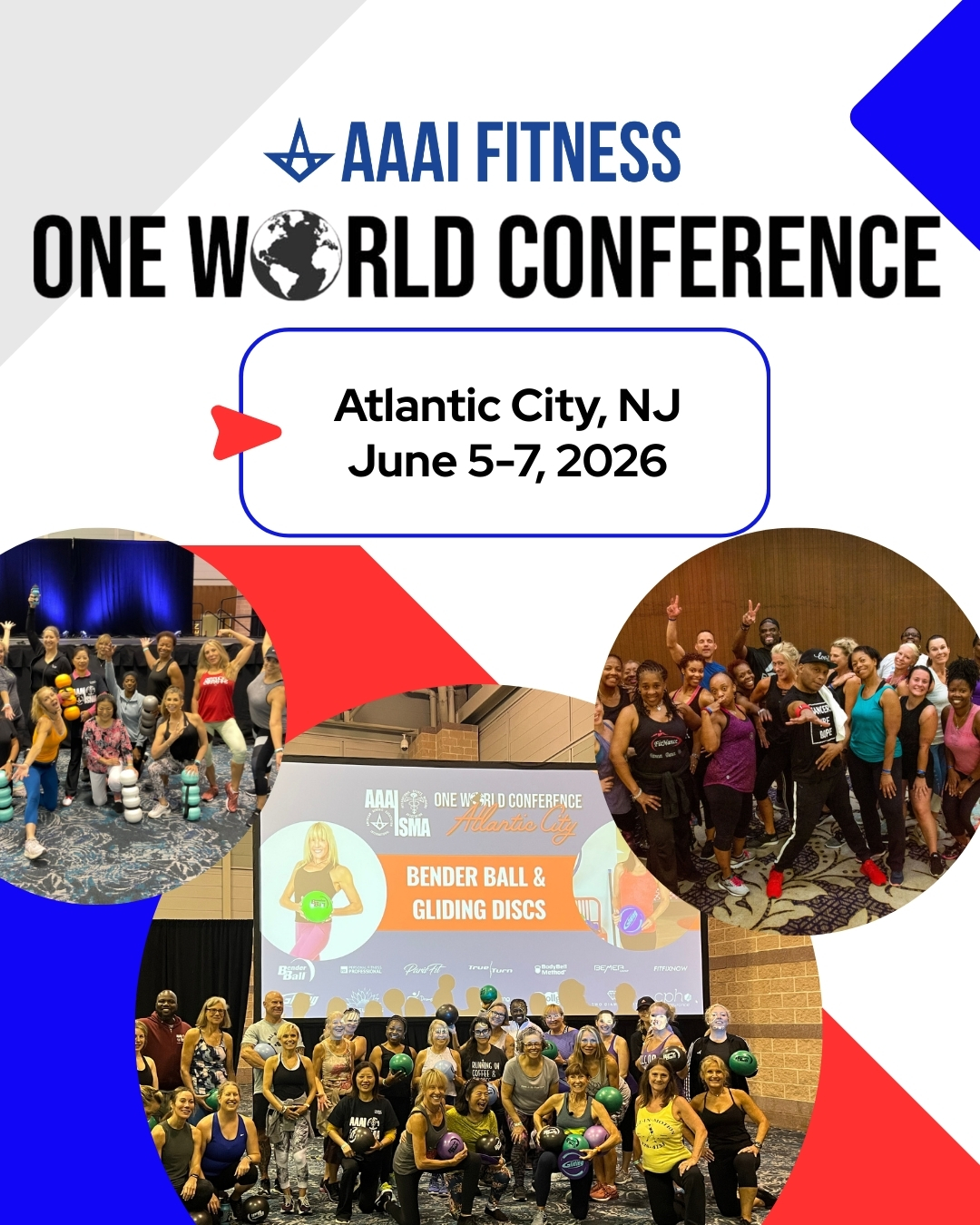
Save the Date: AAAI One World Conference 2026

AAAI Fitness is bringing the energy, education, and connection back to where it all began and beyond. The AAAI One World Conference returns in 2026 with two powerful destinations and one shared mission: to unite fitness professionals through world-class education and unforgettable experience.

📍 Atlantic City, NJ | June 5–7, 2026
📍 Denver, CO | September 18–20, 2026

This is more than a conference. It is a full-circle gathering that honors the roots of AAAI Fitness while moving the industry forward.

Friday: Certification Day
We kick things off with focused, career-building certifications. Attendees can earn certifications, including Personal Trainer, Sports Nutrition Consultant, and Mat Pilates, setting the tone with practical education that immediately supports professional growth.

Saturday: One World, One Room
Saturday brings everyone together for an immersive day of 8 master classes led by top industry experts. This shared experience is designed to feel like the original heart of AAAI Fitness: inclusive, high-energy, collaborative, and inspiring. No silos. No tracks. Just one room, one community, and powerful learning that connects us all.

Sunday: Certification Finish Line
We close the weekend strong with additional certifications, including Group Fitness Instructor, Kettlebells, and Older Adult Fitness. Sunday is about rounding out your weekend with certifications that expand your skill set and open new doors.

Whether you are attending to earn certifications, deepen your craft, reconnect with the industry, or experience the magic of learning together, the AAAI Fitness One World Conference is a date you will want on your calendar.

Save the date now. More details, registration, and presenter announcements are coming soon. Now is the perfect time to follow us on Facebook and Instagram

Movements That Matter

When Mindy Mylrea casually refers to herself as a “fitness fossil,” she does so with pride. She has been part of the industry since “before the fitness industry was a fitness industry,” teaching her first mother–daughter disco class at age 17 and spending decades developing programs, educating instructors, and shaping trends that still influence studios today.

From the creation of Gliding discs to her work in wellness, longevity, and active aging, Mindy’s career offers a roadmap for staying relevant in a field that changes faster than almost any other. Here are five key lessons she believes will help fitness professionals thrive for years to come.

Help People Thrive Throughout Life, Not Just During Workouts

One of the most profound shifts Mindy has witnessed is the move from aesthetics and intensity to functionality and longevity. In her words, her proudest contribution has been “creating an opportunity for people to thrive no matter what they do.”

She points to Blue Zones as a model: areas of the world where people live longer not because they spend hours in the gym, but because “they move throughout their life with grace and ease and no aches and pains hopefully till the very end.”

The future of fitness lies in everyday movement, not performance metrics. Trainers who connect exercise to well-lived lives—not just visible results—will be the ones who make the greatest impact.

Use Tools To Create Success and Confidence

When Mindy developed Gliding discs, her goal was not to add another gadget to the fitness floor—it was to make movement accessible. She wanted something “affordable, portable, storable and of course purple,” but more importantly, something that worked for every fitness level.

She reminds trainers that beginners may look at a disc and think, “This is a slippery plate… and I’m going to go right into the splits if I don’t do it correctly.” That fear is real, and trainers must recognize it.

Mindy teaches: don’t just take challenges away; replace them with something equally intentional. Adjust range of motion, remove one disc, or shorten the workload—but “never just take away a foot or take away an arm position. I would add something in return.”

Tools should build confidence, not intimidation.

Stay in Your Lane—But Venture Out

Mindy’s longevity comes from balancing authenticity with creativity. She encourages trainers to root themselves where they thrive most, rather than chasing whatever format is trending.

“You want to look at where you thrive the most,” she says, while also being open to exploring something new. Early in her career she noticed boxing growing but no one was addressing kickboxing. So she trained, launched classes, and helped open the door for what became a major trend. When others more specialized entered the space, she “ventured stage left.”

Her takeaway is simple: explore boldly, release gracefully, and stay grounded in what fuels you.

Follow The Science—Not The Hype

For Mindy, credibility comes from evidence, not excitement. Whether discussing training protocols or nutrition, she returns to one guiding principle: “Nature got it right.”

On the nutrition side, she notes that the world has become “a protein-obsessed society,” often influenced by marketing, not science. She encourages fitness professionals not to “follow the money” but to “follow the science,” emphasizing whole, close-to-source foods.

On training, she highlights similar misconceptions. True Tabata is not any 20/10 circuit—it is a specific anaerobic protocol that demands precision and recovery. In her programs, there is only one true Tabata segment per class to maintain scientific integrity and physical safety.

Education and discernment—not popularity—build trust.

The Future of Fitness Is Wellness

When asked what the next major shift in fitness will be, Mindy’s response is direct: “The next big change in the fitness industry is wellness. It is already huge.”

To her, wellness means an integrated experience where fitness, food, sleep, stress management, and social connection exist under one roof and within one conversation. In her active aging classes, she blends movement with research, reflection, community engagement, and simple take-home actions.

Gyms are validating her prediction by adding meditation rooms, nutrition programs, and holistic services. Fitness professionals who understand whole-person wellness will be positioned for greater impact and sustainability.

Final Thoughts

Mindy Mylrea’s career demonstrates that thriving in fitness requires more than choreography, trends, or intensity. It requires:

  • Training people for life, not just for workouts

  • Using tools to nurture confidence

  • Staying authentic while exploring new ideas

  • Grounding decisions in research

  • Embracing wellness as the new foundation

Her decades of influence serve as proof: when you lead with purpose, curiosity, and care—you don’t just survive the industry’s evolution. You shape it. 

Learn more by watching the full interview below.

Keep Your Career Evolving

Mastering Group Fitness

Mastering Group Fitness

Starting as a group fitness instructor can be intimidating. Amanda Holtsclaw, a seasoned group fitness and aquatics coordinator from Tennessee, draws on 15+ years of experience to help new instructors feel confident, prepared, and capable of leading classes that...

Why Fear Is Not Motivation

Why Fear Is Not Motivation

For decades, the fitness industry has relied on a familiar script. Push harder. Toughen up. Suffer now, succeed later. Phrases like “No pain, no gain” and “No one’s coming to save you” are often framed as motivation, meant to spark discipline and grit. But in...

How to Deal with Clients Who Cancel or Don’t Show

How to Deal with Clients Who Cancel or Don’t Show

Missed sessions and last-minute cancellations are one of the most common business challenges personal fitness trainers face. They disrupt schedules, reduce income, and undermine client progress. More importantly, how a trainer handles cancellations reflects their...

Your Guide to Stress-Free Class Prep

There is so much magic that happens within a group fitness class. A good instructor will lead you through a great workout, but an exceptional instructor will guide you through an amazing experience. The exceptional instructor appreciates that fitness is more than sweat and reps; it’s about connection & community. A great fitness class is one where the experience is memorable. So how can you focus more on tying people together and less on what comes next?

Be Prepared

While it’s not as easy as a two-word sentence, it can be fairly simple once you have the right tools and a system. Before you start this next process, you need to know the goal and target market of the class; however, those topics are not covered in this article. At this point, we assume you know the workout’s purpose and are ready to implement class planning.

Here Are 5 Tools To Use For Successful Class Planning:

1. Construct System

Fitness thrives off of consistency. We see improvement and growth when we can practice and perfect movements. This is why a structured and repeatable class construct can help your participants see their progress.

A class construct is a simple recipe for a great experience. Take some time to brainstorm on what ingredients should be used in your warm-up, the body of class, and the cool down. Think of these ingredients as buckets of content. In other words, don’t be specific as to “Standing Cat and Cow” but rather “Thoracic Spinal Movements” so that many elements can fit into your ingredients bucket. This allows you to plug in different movements to add variety to your class.

Once you know the ingredients, design it.

Use a chart-building tool to help you graphically design your construct. Programs like Google Slides and Canva can help you put your thoughts into a plug-and-play chart. This chart will be vital to the next stages of your class planning.

2. An Exercise Library System

Now it’s time to build the specifics of your ingredient buckets. You need a way to list all of the exercises you are about to collect in this step. Your List Builder can be as simple as a Word/Google Document or a Trello board where you can create a checklist for each ingredient bucket.

Research and brainstorm as many exercises as possible for each bucket. If one of your buckets is “Lateral Moving Cardio”, then draft a list of as many different examples as you can. If you can’t think of many, start researching the movement pattern to find new ideas. Consider using exercise libraries provided by equipment and education companies, as well as by industry experts. Take targeted workshops and training to expand your knowledge base, and make sure you log what you learn in your List Builder before you forget.

3. A Rotation System

Yes, consistency is key to fitness improvement, but variety is the spice of life, right? To help you quickly create new classes based on your class construct, create a bucket rotation system. By using the class construct and exercise library, you can quickly plug in new movements without having to create and memorize an entirely new class plan. This allows for you to keep consistency throughout each class, while still offering “new” ideas for you and your participants.

For example:

Week 1 – Change exercises for the Warm-Up buckets only

Week 2 – Change the exercises of 1 bucket from the class body

Week 3 – Change the exercises of another bucket from the class body

Week 4 – Change the exercises of the cool down buckets only

The class construct & buckets will remain the same (the ingredients) while the exercises themselves will change. Without a checklist, it’s hard to track what you changed the week prior. So create a quick list with your rotation – keeping in mind, it can be as long as you want/need. You can add this checklist to the top of your List Builder or as an additional chart in your Chart Design to help you track.

4. A Storage System

Have you heard of the 4 Rs? Recycle, Reuse, Reduce and Repurpose. Not only will these save the planet, but they will also save your time, effort, and energy. It bears repeating that consistency is the key to fitness improvement. While we discussed above a Rotation System that helps you maintain consistency and variety, it’s important to remember that you can absolutely repeat an entire class plan. But you need a system to store the class plans.

As you create your classes, type or write the exercises into your chart so you can quickly print it to take to class for guidance. If you are using a chart builder like Google Slides, you can create a new slide within the document so that all class plans are saved in one location. If you are printing your class plans, you can store them in a binder or folder.

5. A Rating System

Once you teach a class, make sure to write notes to your future self. What about the class plan was great, needed improvement, or should be changed the next time you teach that particular class. Having a rating system allows your future self to decide what class plans to repeat and what to change about a class plan to make it successful. Don’t depend on your memory to keep all of this information – write it down, rate the class, and store it for later use. By using all of these systems, you can quickly create a class in minutes.

Use your saved creation time to focus on crafting the following experiential pieces of your class: class welcome, new cues, music playlist, partner or group-based activities, class questions, focused mantras and meditations or endings. Remember, the magic of group fitness happens during those moments in class, not by your new choreography or exercise selection.

Learn More

Mastering Group Fitness

Mastering Group Fitness

Starting as a group fitness instructor can be intimidating. Amanda Holtsclaw, a seasoned group fitness and aquatics coordinator from Tennessee, draws on 15+ years of experience to help new instructors feel confident, prepared, and capable of leading classes that...

Why Fear Is Not Motivation

Why Fear Is Not Motivation

For decades, the fitness industry has relied on a familiar script. Push harder. Toughen up. Suffer now, succeed later. Phrases like “No pain, no gain” and “No one’s coming to save you” are often framed as motivation, meant to spark discipline and grit. But in...

How to Deal with Clients Who Cancel or Don’t Show

How to Deal with Clients Who Cancel or Don’t Show

Missed sessions and last-minute cancellations are one of the most common business challenges personal fitness trainers face. They disrupt schedules, reduce income, and undermine client progress. More importantly, how a trainer handles cancellations reflects their...

The Missing Link in Client Results

Every fitness professional has seen it happen. A client shows up consistently. They train hard. They follow the plan. And then one day — the progress stops.

They’re not getting weaker or less motivated, but the results slow down, stall, or completely plateau. And no matter how many times you adjust reps, sets, or load, nothing seems to break through.

The truth is simple: Many clients aren’t missing intensity.
They’re missing mobility, stability, and intentional recovery.

These three foundational pillars are not “extras” or “nice-to-have” components of fitness. They are the missing link preventing many clients from moving better, feeling better, and unlocking their full performance potential.

Let’s break down why.

1. Mobility Unlocks Access to Movement

Mobility isn’t just flexibility. It’s functional movement quality — the ability to access a range of motion with control.

When clients lack mobility, they compensate.
Tight hips lead to low-back pain. Limited thoracic rotation leads to shoulder issues. Immobile ankles lead to poor squats and inefficient gait.

And here’s the catch: You can’t strengthen a range that doesn’t exist.

Improved mobility helps clients:

  • Move with greater ease

  • Reduce pain and stiffness

  • Improve form and technique

  • Increase the effectiveness of strength training

No mobility, no progress.

2. Stability Is the Foundation for Strength

Stability is what allows clients to control movement under load. It’s the difference between “doing the exercise” and “owning the exercise.”

Without proper stability, clients experience:

  • Energy leaks

  • Compensatory patterns

  • Poor alignment

  • Increased injury risk

Most plateaus stem from the body protecting itself — stopping progress when it senses instability.

By improving core strength, joint stability, muscle activation, and motor control, clients can safely generate more power, move more confidently, and finally break through those plateaus.

3. Recovery Creates Adaptation

Clients often assume that more work equals more results.
But fitness professionals know the truth:

Training creates stress.
Recovery creates progress.

When clients don’t incorporate recovery practices such as stretching, breathwork, mobility flows, meditation, or restorative movement, their nervous system stays stuck in “go mode.” This prevents the body from repairing tissue, restoring energy, and integrating strength gains.

Intentional recovery:

  • Enhances performance

  • Improves sleep and mood

  • Reduces chronic tension

  • Supports mental wellness

  • Helps clients stay consistent

Better recovery equals better results — every time.

Why Mind-Body Training Is Essential for Every Fitness Professional

Clients aren’t looking for more “hard work.”
They’re looking for:

  • Reduced stress

  • Fewer aches and pains

  • Better energy

  • Improved movement

  • Sustainable long-term progress

Mobility, stability, and recovery-based modalities like yoga, Pilates, and guided stretching fill the gaps traditional training leaves behind.

When you understand the principles behind mind-body movement, you elevate your coaching, enhance your programming, and give clients what they actually need to thrive.

Ready to Help Clients Break Through Plateaus for Good?

Expand your expertise with certifications that strengthen movement quality, enhance recovery, and improve long-term results.

🔹 Yoga Instructor Certification
🔹 Power Vinyasa Yoga Certification
🔹 Mat Pilates Certification
🔹 Stretching for Flexibility, Function & Strength Certification

Register today and start offering the missing link your clients have been waiting for.

Expand Your Career

Mastering Group Fitness

Mastering Group Fitness

Starting as a group fitness instructor can be intimidating. Amanda Holtsclaw, a seasoned group fitness and aquatics coordinator from Tennessee, draws on 15+ years of experience to help new instructors feel confident, prepared, and capable of leading classes that...

Why Fear Is Not Motivation

Why Fear Is Not Motivation

For decades, the fitness industry has relied on a familiar script. Push harder. Toughen up. Suffer now, succeed later. Phrases like “No pain, no gain” and “No one’s coming to save you” are often framed as motivation, meant to spark discipline and grit. But in...

How to Deal with Clients Who Cancel or Don’t Show

How to Deal with Clients Who Cancel or Don’t Show

Missed sessions and last-minute cancellations are one of the most common business challenges personal fitness trainers face. They disrupt schedules, reduce income, and undermine client progress. More importantly, how a trainer handles cancellations reflects their...

From Nervous to Natural

If you’re preparing to teach your first group fitness class, congratulations—you’re stepping into one of the most rewarding roles in the fitness industry. Whether your class is choreographed like a Les Mills program or freestyle, your presence, preparation, and personality will define the experience.

After 25 years of teaching, AAAI/ISMA faculty instructor Joanne Smith-Taverner shares her top tips to help new instructors lead safe, effective, and fun classes from day one.

1. Practice, Practice, Practice

This one can’t be overstated. When you’re in front of a class, you’re there to teach, not to practice. Your preparation should happen long before participants arrive.

Joanne recommends rehearsing your routines in front of a mirror while cueing—again and again—until the movements and words flow naturally. The goal is to know your material so well that you can focus fully on your participants, not on remembering what comes next.

And always have a Plan A, B, and C. Things will go wrong—music glitches, room changes, missing equipment—so stay flexible and ready to adapt with confidence.

2. Arrive Early and Set the Tone

Professionalism starts before the first song plays. Arrive early, set up your space, and greet participants as they come in. Play upbeat music before class begins—it signals that something fun and energetic is about to happen.

As Joanne says, “People come to class to forget their problems. This is their one hour of me time.” Create an environment that feels welcoming and positive. That means leaving your personal stress outside and showing up fully for your participants.

3. Build Connection and Community

New participants often feel nervous. Make it a point to introduce yourself, learn their names, and pair them with a regular who can help them feel at home. This simple act builds instant connection and increases the likelihood they’ll return.

After class, check in with newcomers: “How did that first class feel? Don’t worry if you missed a few moves—everyone starts there. You’ll get it with practice!” Encouragement creates belonging, and belonging drives consistency.

4. Communicate Clearly and Cue Early

Your communication skills will make or break the class experience. Always cue before the movement happens, not during or after. Anticipatory cues—like “In four counts, we grapevine right!”—keep everyone in sync and prevent frustration.

Visual and verbal clarity are equally important. Use phrases like “Tell, show, do”—tell them what’s coming, show it, then do it together. Move around the room so everyone can see you, and use self-checks (“Let’s all look at our knees—are they tracking over our shoelaces?”) instead of singling people out.

5. Stay Professional and Keep Learning

From your attire to your playlist, every detail contributes to your credibility. Dress appropriately for the setting, choose inclusive and upbeat music without profanity or offensive lyrics, and always model professionalism.

Finally, never stop learning. Attend other instructors’ classes, seek feedback, and keep your certifications current. Joanne reminds us that “teaching group fitness is both an art and a science.” The best instructors blend knowledge, creativity, and care to help others move better and feel stronger.

Final Thoughts

When you’re leading a class, you’re more than just a fitness instructor—you’re a motivator, educator, and role model. Prepare thoroughly, show up early, connect authentically, cue clearly, and keep growing.

Because when your participants feel seen, supported, and successful, they’ll keep coming back—and that’s where the true magic of group fitness begins.

Don't Stop Now

Mastering Group Fitness

Mastering Group Fitness

Starting as a group fitness instructor can be intimidating. Amanda Holtsclaw, a seasoned group fitness and aquatics coordinator from Tennessee, draws on 15+ years of experience to help new instructors feel confident, prepared, and capable of leading classes that...

Why Fear Is Not Motivation

Why Fear Is Not Motivation

For decades, the fitness industry has relied on a familiar script. Push harder. Toughen up. Suffer now, succeed later. Phrases like “No pain, no gain” and “No one’s coming to save you” are often framed as motivation, meant to spark discipline and grit. But in...

How to Deal with Clients Who Cancel or Don’t Show

How to Deal with Clients Who Cancel or Don’t Show

Missed sessions and last-minute cancellations are one of the most common business challenges personal fitness trainers face. They disrupt schedules, reduce income, and undermine client progress. More importantly, how a trainer handles cancellations reflects their...

What Every Trainer Should Know About Mental Wellness

The Numbers Don’t Lie

  • 94% of personal training clients regularly discuss nutrition, stress, sleep, and injury with their trainers.

  • 78% of people prioritize exercise for mental and emotional well-being.

  • 89% of peer-reviewed studies confirm a positive, statistically significant link between physical activity and mental health.

These numbers tell a clear story: fitness professionals are already at the forefront of mental wellness. Clients aren’t just showing up for physical transformation, they’re seeking emotional balance, stress relief, and resilience. Yet, most trainers were never formally educated on how to support these needs.

It’s time to redefine what it means to be a fitness professional. By understanding the science of mental wellness and incorporating evidence-based strategies for movement, nutrition, social connection, and mindfulness, trainers can expand their influence far beyond the gym floor.

The Dual-Continuum Model of Mental Wellness

Traditionally, mental health has been understood on a single horizontal axis from illness to wellness. But this limited view suggests that being well simply means being free from mental illness.

The dual-continuum model offers a deeper, more dynamic understanding. It introduces a second, vertical axis representing mental wellness, from languishing at the bottom to flourishing at the top.

  • Flourishing: Individuals who are thriving, fulfilled, and resilient, living with purpose and emotional vitality.

  • Languishing: Individuals who may not have a diagnosable condition but still feel disconnected, stagnant, or unmotivated.

This model highlights a critical truth: it’s possible to experience mental health challenges while still living a thriving life and to feel off even without clinical illness.

For fitness professionals, this means your role extends beyond physical conditioning. You have the power to help clients move from languishing to flourishing through the science of movement, connection, and recovery.

The Research Behind Movement and Mental Wellness

Research from the Global Wellness Institute and leaders like Dr. Gerry Bodeker demonstrates how fitness-related practices can support both axes of mental health, reducing illness while promoting flourishing.

Key Evidence-Based Pillars Every Trainer Should Understand

1. Exercise: Exercise is one of the most powerful tools for mental health.

  • Studies including the John W. Brick Foundation’s Move Your Mental Health report show that regular aerobic and strength training can reduce symptoms of depression and anxiety by up to 25%.

  • Physical activity boosts neurotransmitters like serotonin and dopamine, which regulate mood, motivation, and energy levels.

2. Nutrition: Nutrition has a strong connection to mental wellness.

  • Research from the Journal of Clinical Psychiatry (2017) shows that omega-3 fatty acids reduce depressive symptoms.

  • Studies in Nature Microbiology (2019) highlight how improving gut health can ease anxiety and depression.

  • Trainers can use this information to guide general nutrition conversations within their scope of practice.

3. Mindfulness and Meditation: Mindfulness-based practices like yoga, breathwork, and guided meditation help reduce stress and increase emotional regulation.

  • A JAMA Internal Medicine (2014) meta-analysis confirmed that regular mindfulness programs significantly decrease anxiety and depression.

  • Integrating a mindful minute at the start or end of class can enhance both physical and mental outcomes.

4. Social Connection: Humans thrive in connection.

  • Group fitness, partner workouts, and community-building events improve adherence and elevate mood and emotional well-being.

  • When clients feel seen and supported, they are more likely to flourish in and out of the gym.

Bridging the Gap: Fitness Professionals as Mental Wellness Advocates

Fitness professionals are uniquely positioned to support both axes of mental wellness:

  • Helping reduce stress, anxiety, and burnout (mental illness prevention)

  • Helping clients build joy, purpose, and resilience (mental flourishing)

By combining movement science with empathy, structure, and community, trainers can influence total well-being, not just body composition. Your work already supports mental wellnes, now it’s time to do it intentionally, confidently, and within your professional scope.

Conclusion

Mental wellness is not just the absence of struggle, it’s the presence of vitality, balance, and joy. The dual-continuum model helps us see that true well-being involves both preventing mental illness and promoting human flourishing.

As fitness professionals, you are in a powerful position to guide that journey. By integrating exercise science with holistic wellness practices, you can help every client move closer to thriving in body, mind, and spirit.

It’s time to redefine what fit really means.

Keep Reading

Mastering Group Fitness

Mastering Group Fitness

Starting as a group fitness instructor can be intimidating. Amanda Holtsclaw, a seasoned group fitness and aquatics coordinator from Tennessee, draws on 15+ years of experience to help new instructors feel confident, prepared, and capable of leading classes that...

Why Fear Is Not Motivation

Why Fear Is Not Motivation

For decades, the fitness industry has relied on a familiar script. Push harder. Toughen up. Suffer now, succeed later. Phrases like “No pain, no gain” and “No one’s coming to save you” are often framed as motivation, meant to spark discipline and grit. But in...

How to Deal with Clients Who Cancel or Don’t Show

How to Deal with Clients Who Cancel or Don’t Show

Missed sessions and last-minute cancellations are one of the most common business challenges personal fitness trainers face. They disrupt schedules, reduce income, and undermine client progress. More importantly, how a trainer handles cancellations reflects their...

Healing Starts with Slowing Down

When it comes to helping people improve their physical, emotional, and mental well-being, certified personal trainer and wellness coach Jessica Lewis takes a holistic approach. Through her work with both veterans and civilians, Jessica uses the gentle yet powerful practice of Tai Chi Chih to promote healing, mindfulness, and connection. Here are five lessons from her conversation with AAAI that every wellness professional can learn from.

1. Meet People Where They Are

Jessica believes fitness should be accessible to everyone. “There’s nobody on the planet that I’ve ever encountered, and I can’t even imagine someone who can’t do Tai Chi Chih,” she says. By offering mindful movement that anyone can do, she creates a foundation for progress and self-confidence. Sometimes, all it takes is one small, positive habit to start a “snowball effect in which they might be more receptive to doing other things that simply make them feel good.

2. Soften to Find Strength

Jessica’s background in karate taught her about power, but Tai Chi Chih taught her something deeper. “The biggest lesson I think I’ve taken from Tai Chi Chih is there’s often more power in being soft,” she explains. This lesson challenges the “no pain, no gain” mentality that dominates fitness culture. Through mindful movement, clients learn that gentleness can be transformative.

3. Honor Rest and Recovery

In a culture that celebrates overtraining, Jessica reminds us that recovery is essential. “Another thing in this country we simply don’t honor is the value of rest,” she says. Adding mindful movement into a training program can enhance performance, mimic some of the benefits of sleep, and support both physical and emotional recovery.

4. Mindfulness Builds Resilience

For Jessica, mindfulness isn’t just a buzzword—it’s a skill that can be trained. “Practicing mindfulness will help you train your well-being, like you’re learning a new exercise or a new skill,” she says. Tai Chi Chih helps participants become more present, focused, and compassionate toward themselves—qualities that ripple into all areas of life.

5. Healing Begins with Connection

Working with veterans, Jessica has seen how powerful connection can be in the healing process. “Veterans are six times more likely to die by suicide than in combat,” she notes. “They crave that esprit de corps that they had when they were in the military.” Through her classes, Jessica recreates that sense of community and safety—helping participants feel seen, supported, and valued.

Jessica’s story is a powerful reminder that movement is more than physical—it’s emotional, mental, and deeply human. Her work with Tai Chi Chih demonstrates that healing often begins not with intensity, but with awareness, compassion, and mindful presence.

To learn more, please watch the entire interview below.

Don't Stop Now!

Mastering Group Fitness

Mastering Group Fitness

Starting as a group fitness instructor can be intimidating. Amanda Holtsclaw, a seasoned group fitness and aquatics coordinator from Tennessee, draws on 15+ years of experience to help new instructors feel confident, prepared, and capable of leading classes that...

Why Fear Is Not Motivation

Why Fear Is Not Motivation

For decades, the fitness industry has relied on a familiar script. Push harder. Toughen up. Suffer now, succeed later. Phrases like “No pain, no gain” and “No one’s coming to save you” are often framed as motivation, meant to spark discipline and grit. But in...

How to Deal with Clients Who Cancel or Don’t Show

How to Deal with Clients Who Cancel or Don’t Show

Missed sessions and last-minute cancellations are one of the most common business challenges personal fitness trainers face. They disrupt schedules, reduce income, and undermine client progress. More importantly, how a trainer handles cancellations reflects their...

Props That Pay Off

As a fitness professional, you know that results are not just about strength, endurance, or flexibility. True transformation happens when clients feel confident. Confident clients push themselves further, stick to their routines, and share their progress with friends. Fitness equipment like yoga mats, magic circles, Bender Balls, Gliding Discs, and kettlebells can help your clients feel capable, empowered, and excited to return to your classes. At the same time, offering these types of equipment-based workouts can help you grow your business by attracting new clients, opening additional locations, and creating more class opportunities.

Why Equipment Builds Confidence

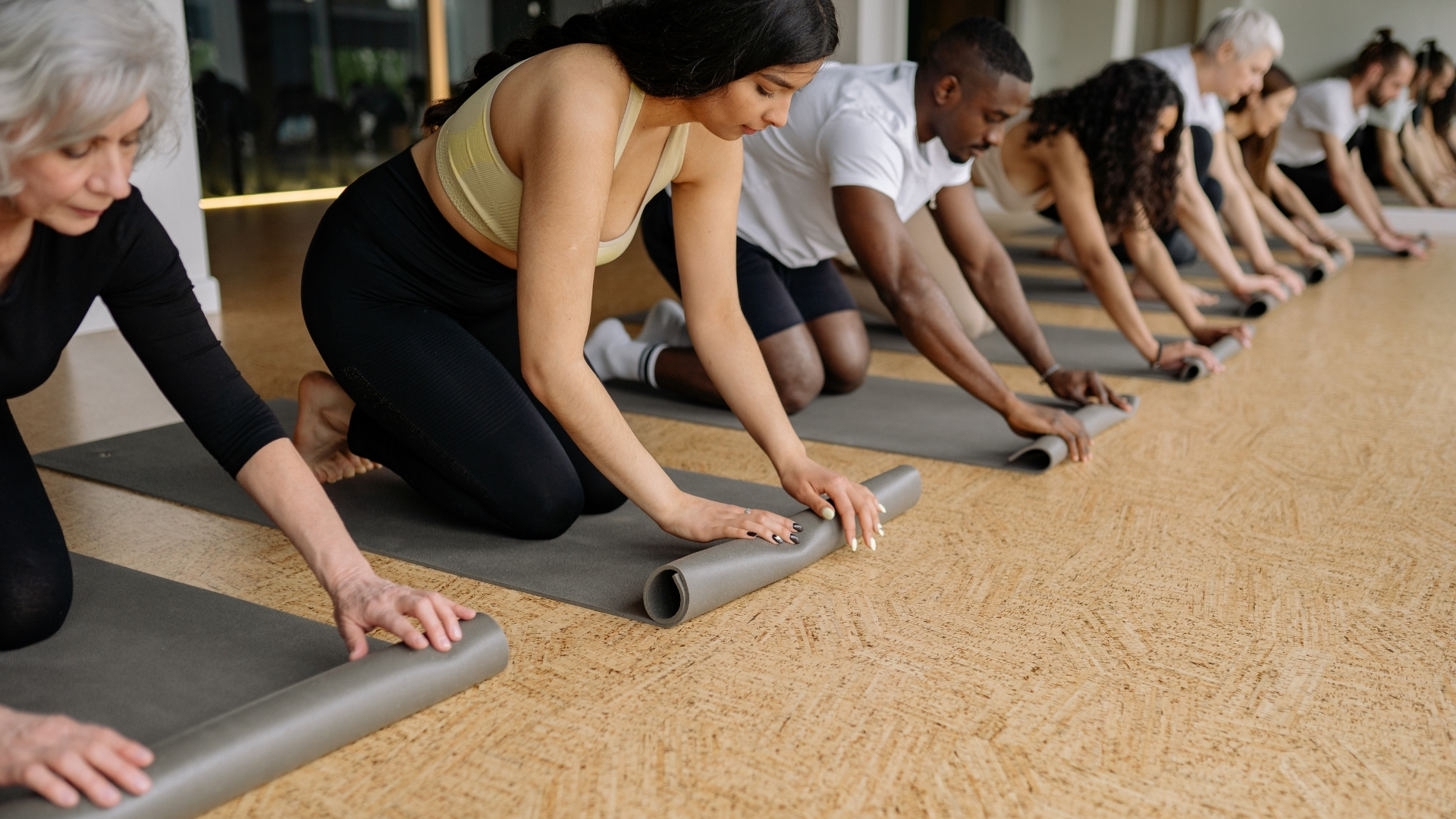
  1. Yoga Mats: The foundation of any mindful practice, a quality yoga mat creates a personal space where clients feel secure and grounded. It allows them to explore new poses without fear of slipping or losing balance. This sense of safety encourages clients to challenge themselves and notice progress, building self-confidence over time.

  2. Magic Circles: Lightweight and versatile, magic circles help clients engage core muscles, improve posture, and refine alignment. They provide gentle resistance that allows clients to feel the effectiveness of each movement. Successfully using this equipment can give participants a sense of accomplishment and empowerment.

  3. Bender Balls: These small but powerful props can be used to improve strength, balance, and coordination. Bender Balls challenge clients in new ways while providing a safe and supportive tool. When clients achieve movements they once thought were difficult, their confidence grows, motivating them to continue improving.

  4. Gliding Discs: Perfect for low-impact, full-body workouts, gliding discs encourage dynamic movements such as lunges, planks, and slides. The novelty and fluidity of these exercises keep workouts fun and engaging. Clients often experience the satisfaction of mastering challenging moves, which reinforces their confidence.

  5. Kettlebells: Strength training with kettlebells is a powerful way for clients to feel strong and capable. Learning proper technique allows participants to lift, swing, and move with control. As their strength improves, clients feel more empowered both in and out of class, and they begin to trust in their own abilities.

Business Benefits: More Locations, Classes, and Clients

Incorporating equipment into your classes does more than help clients. It makes your studio or program stand out. Unique, equipment-based workouts attract attention, increase attendance, and give you the flexibility to run classes in multiple locations. Confident clients often become your best advocates. They bring friends, share their progress, and increase class enrollment. As you introduce more varied classes using these tools, you create opportunities for expansion and growth in your business.

Take the Next Step: Upcoming Workshops
If you want to take your classes to the next level, AAAI offers workshops designed to help you master these tools and grow your business:

Investing in your knowledge and in your clients’ confidence is a win-win. Equip your classes with the right tools, inspire your participants, and watch your business expand.

Keep Learning

Mastering Group Fitness

Mastering Group Fitness

Starting as a group fitness instructor can be intimidating. Amanda Holtsclaw, a seasoned group fitness and aquatics coordinator from Tennessee, draws on 15+ years of experience to help new instructors feel confident, prepared, and capable of leading classes that...

Why Fear Is Not Motivation

Why Fear Is Not Motivation

For decades, the fitness industry has relied on a familiar script. Push harder. Toughen up. Suffer now, succeed later. Phrases like “No pain, no gain” and “No one’s coming to save you” are often framed as motivation, meant to spark discipline and grit. But in...

How to Deal with Clients Who Cancel or Don’t Show

How to Deal with Clients Who Cancel or Don’t Show

Missed sessions and last-minute cancellations are one of the most common business challenges personal fitness trainers face. They disrupt schedules, reduce income, and undermine client progress. More importantly, how a trainer handles cancellations reflects their...

5 Lessons for Training Longevity

With over three decades of experience, countless certifications, and an unshakable passion for movement, Leslee Bender has helped shape the modern fitness landscape. As the creator of the Bender Ball Method and founder of the Ageless Training Academy, her mission has always been clear: to bridge the gap between exercise science and real-world application.

Here are five timeless lessons from Leslee’s journey that every fitness professional can learn from.

If you want to learn more from Leslee live, join her on November 8th at 11am ET for “The Ultimate Bender Ball Workshop.” Register here.

1. Find a Mentor and Get in the Trenches

“You cannot understand the complexity of the human body by a textbook. You’ve got to get into the trenches. I always recommend to a new trainer to be mentored by somebody who truly understands the biomechanics and functionality of movement.”

Leslee emphasizes that certifications provide the foundation—but true mastery comes from hands-on experience and mentorship. Learning directly from seasoned professionals allows trainers to apply science with precision and empathy, translating theory into results.

2. Learn from Your Mistakes—and Protect Your Longevity

“When I first started in this industry, I was doing all the stupid stuff—it landed me a knee replacement. Had I known then what I know now, I would have no joint issues. I simply want trainers to understand why they’re doing what they’re doing, so they have a long, healthy life without unnecessary injuries.”

Her honesty is refreshing and essential. Longevity in fitness depends not only on training clients smartly—but also training yourself with purpose and care. Understanding why you move a certain way keeps both you and your clients strong for decades to come.

3. Focus on Function, Not Fads

“We train with the fads and what’s cute—‘squeeze your booty,’ all this crazy, stupid stuff—and we’re not really looking at how our clients are moving. If you just take a moment to observe and digest, you’ll actually see where their dysfunctions are.”

Leslee challenges trainers to rise above social media trends and flashy gimmicks. True professionals assess, observe, and correct movement patterns instead of chasing the latest fitness craze. Function will always outlast fashion.

4. Treat Certification as the Starting Line

“You don’t become an accountant in a day. A certification is just your stepping point. Jump in with both feet, invest in education, and find what genre turns you on—yoga, Pilates, functional training, whatever. It has to be something you’re passionate about.”

According to Leslee, earning your certification isn’t the finish line—it’s where the real learning begins. The most successful professionals are lifelong students, constantly evolving their knowledge and staying curious about new modalities.

5. Help People Move—and Live—Pain-Free

“Most people associate foam rolling with pain. But when you ease into myofascial work and move immediately after, the pain dissipates. It’s like an intense, deep tissue massage with similar benefits. People leave my class saying, ‘I came in stressed out and left with a sense of peace.’ That’s what keeps us ageless.”

Leslee’s Ageless Training Academy focuses on sustainable, intelligent movement designed to reduce pain, restore balance, and help people thrive at any age. For her, success isn’t defined by aesthetics—it’s about helping people move well and live well.

Final Thought

From mentorship to mindfulness, Leslee Bender reminds us that fitness is more than just movement—it’s mastery, compassion, and lifelong learning.

👉 Want to hear more from Leslee?
Watch the full interview for deeper insights into her career, methods, and the future of intelligent fitness training. If you want to learn more from Leslee live, join her on November 8th at 11am ET for “The Ultimate Bender Ball Workshop.” Register here.

Keep Learning

Mastering Group Fitness

Mastering Group Fitness

Starting as a group fitness instructor can be intimidating. Amanda Holtsclaw, a seasoned group fitness and aquatics coordinator from Tennessee, draws on 15+ years of experience to help new instructors feel confident, prepared, and capable of leading classes that...

Why Fear Is Not Motivation

Why Fear Is Not Motivation

For decades, the fitness industry has relied on a familiar script. Push harder. Toughen up. Suffer now, succeed later. Phrases like “No pain, no gain” and “No one’s coming to save you” are often framed as motivation, meant to spark discipline and grit. But in...

How to Deal with Clients Who Cancel or Don’t Show

How to Deal with Clients Who Cancel or Don’t Show

Missed sessions and last-minute cancellations are one of the most common business challenges personal fitness trainers face. They disrupt schedules, reduce income, and undermine client progress. More importantly, how a trainer handles cancellations reflects their...

More Than Just a Workout

When gyms closed in 2020, fitness professionals everywhere faced an impossible choice: pause their passion or pivot hard. For Jill Fininzio, founder of Ladies of MaxxFit, that moment became the turning point of her career.

Instead of waiting for things to go “back to normal,” she got creative — turning her basement into a full-fledged training space, moving benches and barbells past the couch, and welcoming her most loyal clients into a completely new kind of fitness experience.

What started as a makeshift setup during lockdown has since evolved into a thriving community of women who show up not just for the workouts, but for each other. Through resilience, authenticity, and a deep belief in the power of movement, Jill built more than a business — she built belonging.

Her story is proof that long-term retention doesn’t come from fancy marketing or massive budgets. It comes from connection, consistency, and a willingness to serve.

Here are five lessons every fitness professional can learn from Jill’s journey to create a business that keeps clients coming back year after year.

1. Start Where You Are and Make It Work

When the world shut down, Jill refused to let her clients lose momentum.

“I just kind of took my business into my home and created a gym in my basement,” she recalls. “A lot of my women followed me. I had about five or six clients who were coming to the house… we brought in benches, an elliptical, a Smith machine, rubber flooring, and even used my couch for glute bridges.”

Her resourcefulness not only kept her clients active — it built unshakable trust.

Lesson: When things get tough, your clients will remember how you showed up for them.

2. Build a Community, Not Just a Client List

Jill’s retention strategy wasn’t flashy. It was human.

“I had loyal girls, loyal women that stuck with me and were dedicated to their fitness,” she says. “We still hang out. We still have social gatherings. The women that poured in and the friendships and the support in the community really made the Ladies of MaxxFit who it is.”

That sense of belonging is the foundation of her brand.
Lesson: Clients stay when they feel seen, supported, and part of something bigger than a workout.

3. Know Your Niche — and Own It

“I work well with older adults,” Jill shares. “I love older adults. I volunteer for hospice and Alzheimer’s patients. That is my passion.”

By embracing what she loves most, Jill attracts clients who value her expertise and energy. “It takes a good five years to really build a solid company,” she adds. “You just have to push forward and not give up.”

Lesson: Stop trying to appeal to everyone. The right clients will find you when you lead with authenticity.

4. Keep It Real — With Yourself and Your Clients

When asked what advice she’d give to other trainers, Jill didn’t hesitate:
“Don’t overpromise and underdeliver. You’re not going to change your body in 30, 60, or 90 days. Be patient. Be honest. I tell my clients, ‘We’re not looking at 100 pounds — that’s overwhelming. Let’s look at one to two pounds a week.’”

Lesson: Retention thrives on trust. Be the coach who tells the truth, not the one who sells the fantasy.

5. Lead with Heart, Not Just Hustle

For Jill, fitness is about purpose, not profit.
“It’s not about the money for me. I do it because I love it. I love working with my clients and seeing results. If you’re not going to commit like I am, then it’s just not a good partnership.”

That clarity — of values and vision — fuels her long-term success.

Lesson: Passion and professionalism go hand in hand. Your energy sets the tone for your entire business.

Final Thoughts

From basement workouts to a thriving brand, Jill Fininzio’s story is proof that connection, community, and consistency are the real drivers of retention.

As she says:
“You can’t build a business in a year and expect it to make millions of dollars. You have to push. You have to move. And you can’t give up.”

To hear more, watch the entire interview below.

Keep Learning

Mastering Group Fitness

Mastering Group Fitness

Starting as a group fitness instructor can be intimidating. Amanda Holtsclaw, a seasoned group fitness and aquatics coordinator from Tennessee, draws on 15+ years of experience to help new instructors feel confident, prepared, and capable of leading classes that...

Why Fear Is Not Motivation

Why Fear Is Not Motivation

For decades, the fitness industry has relied on a familiar script. Push harder. Toughen up. Suffer now, succeed later. Phrases like “No pain, no gain” and “No one’s coming to save you” are often framed as motivation, meant to spark discipline and grit. But in...

How to Deal with Clients Who Cancel or Don’t Show

How to Deal with Clients Who Cancel or Don’t Show

Missed sessions and last-minute cancellations are one of the most common business challenges personal fitness trainers face. They disrupt schedules, reduce income, and undermine client progress. More importantly, how a trainer handles cancellations reflects their...

Elevating Motivation in Today’s Fitness Industry

The expectations, goals, and challenges your clients face have evolved dramatically. Today’s fitness participant is less motivated by scale-based wins and more invested in whole-person wellness. As a fitness professional, your role goes far beyond the workout floor. You are a mentor, motivator, and guide, helping clients navigate the stressors and demands of modern life. This expanded influence makes it critical to refresh your motivational strategies and coaching techniques.

Shifting Away From Outdated Tactics

Traditional approaches—like scare tactics or “no pain, no gain” messaging—fall short in today’s culture. Clients are busy, overwhelmed with information, and juggling countless responsibilities. They don’t just need a trainer; they need a coach who can connect with their deeper aspirations. AAAI/ISMA education emphasizes innovative strategies that resonate with clients and create lasting motivation, helping you grow your impact while elevating your professionalism.

Five Fresh Coaching Approaches

  • Gamification: Add fun, energy, and a little healthy competition through challenges, leaderboards, or rewards. Whether it’s a monthly attendance contest or facility scavenger hunt, gamification creates a sense of accomplishment that keeps clients engaged.

  • Mindfulness & Mental Health Integration: Incorporate simple practices like breathwork, visualization, or meditation into your sessions. Supporting mental balance makes workouts more meaningful and encourages consistency.
  • Community & Connection: Clients who feel supported by their peers stick around longer. Host social events, group challenges, or workshops to foster belonging. AAAI/ISMA research shows that social support significantly increases retention.

  • Holistic Wellness Coaching: Beyond sets and reps, touch on stress management, sleep hygiene, and lifestyle choices—while staying within your scope. Pairing AAAI/ISMA certifications with partnerships from local experts positions you as a trusted, well-rounded resource.

  • Celebration & Recognition: Recognize not only physical wins but also milestones like class attendance, improved energy, or bringing in a friend. Celebrations reinforce progress, boost confidence, and keep clients motivated to continue.

The Bigger Picture

Fitness today isn’t just about physical achievement—it’s about building lives filled with energy, resilience, and purpose. By embracing these motivational techniques, you’ll not only strengthen client results but also set yourself apart as a leader in the field. AAAI/ISMA certifications and workshops give you the tools to continually evolve and deliver the kind of coaching today’s clients need.

Your ability to adapt is what ensures your success in this industry. By leading with positive, innovative approaches, you’ll inspire clients to move beyond workouts into truly transformative wellness journeys.

Learn More Here

Mastering Group Fitness

Mastering Group Fitness

Starting as a group fitness instructor can be intimidating. Amanda Holtsclaw, a seasoned group fitness and aquatics coordinator from Tennessee, draws on 15+ years of experience to help new instructors feel confident, prepared, and capable of leading classes that...

Why Fear Is Not Motivation

Why Fear Is Not Motivation

For decades, the fitness industry has relied on a familiar script. Push harder. Toughen up. Suffer now, succeed later. Phrases like “No pain, no gain” and “No one’s coming to save you” are often framed as motivation, meant to spark discipline and grit. But in...

How to Deal with Clients Who Cancel or Don’t Show

How to Deal with Clients Who Cancel or Don’t Show

Missed sessions and last-minute cancellations are one of the most common business challenges personal fitness trainers face. They disrupt schedules, reduce income, and undermine client progress. More importantly, how a trainer handles cancellations reflects their...

Stop Waiting for Permission

When you meet Tarnissha “Moe” Sass, you don’t just hear her words—you feel them. She brings energy, honesty, and deep compassion into every space she enters. Known as a Vision Strategist Coach for Women, Moe helps high-achieving women create lives that feel purposeful and aligned. But her wisdom isn’t theoretical. It comes from lived experience—navigating fitness, motherhood, corporate life, loss, healing, and reinvention.

Her journey is proof that your story, no matter how messy, can become your superpower. In her AAAI interview, Moe opened up about the lessons that shaped her and now shape the women she coaches. These aren’t abstract ideas—they’re truths born out of resilience, faith, and learning to stand firm in her own worth.

Here are five powerful insights from Moe Sass’s story that every woman—and every fitness professional—can take to heart.

1. Honor Your “Why”

When Moe talks about her grandmother, her whole face lights up. Her grandmother prayed for her, believed in her, and became the foundation of her “why.”

“I never want to forget about all the things that she prayed for me to get me to where I am today.”

That “why” isn’t just sentimental—it’s a daily motivator. When Moe faces challenges, she remembers that her success is part of a bigger story, one built on the sacrifices and prayers of the women who came before her.

For all of us, this is the invitation: pause and ask, What’s my why? Who am I doing this for? That answer can fuel you on the hard days, keeping you grounded and focused when you’re tempted to quit.

2. Get Your Vision Straight

According to Moe, the biggest obstacle standing between women and fulfillment isn’t lack of talent, resources, or opportunity—it’s lack of clarity.

“If we just get the vision straight, then guess what? You’ll know what direction you’re headed in. You’ll be in alignment. And when we’re in alignment, we’re fulfilled.”

Too often, women chase every opportunity, saying yes to everything, but feeling empty. Moe reminds us that a clear vision acts like a compass. When you know where you’re going, you stop wasting time on distractions and start making decisions that truly serve you.

In her coaching, Moe helps women step back from the noise and craft a vision that excites them. Once the vision is clear, the pieces fall into place—the career path, the relationships, the habits. Everything becomes easier because it’s all connected to a bigger picture.

3. Replace “Have To” with “Get To”

Life as a woman often feels like a never-ending to-do list: work, family, fitness, caregiving, and everything in between. Moe sees this all the time with her clients. The language they use is heavy with obligation: I have to do this. I have to get that done. I have to keep pushing.

Her response? Shift the perspective.

“When we operate out of ‘I have to,’ we forget that we get to. We forget that we can choose to. And we really forget that we’re blessed to.”

That mindset shift changes everything. Suddenly, going to the gym isn’t a burden—it’s a privilege. Spending time with your family isn’t just another responsibility—it’s a gift. Even difficult tasks can be reframed as opportunities for growth.

Moe challenges women to stop living on autopilot and start seeing their daily routines as blessings they get to experience.

4. Move Trauma Out of Your Body

One of the most powerful parts of Moe’s story is how she connected fitness and healing. After experiencing personal tragedy, she discovered that unprocessed trauma wasn’t just an emotional weight—it was stuck in her body.

As a AAAI-certified yoga instructor, she began to understand that movement isn’t just about strength or flexibility—it’s about release.

“Trauma gets stuck in our bodies…when you move your body, that stagnant energy moves out so something new can come in.”

Whether it’s yoga, dance, or strength training, movement became a tool for Moe to process pain and invite in renewal. She now teaches her clients the same truth: exercise isn’t just about looking better; it’s about feeling free.

This perspective is especially powerful for fitness professionals. It’s a reminder that our work isn’t only about physical transformation. It’s about creating safe spaces where people can heal, breathe, and reclaim their bodies.

5. Don’t Wait for Permission

Moe sees a recurring pattern in the women she coaches: they’re doing all the “right things.” They’re going to therapy, attending seminars, even hiring coaches. But despite all this effort, they still feel unfulfilled.

The reason? They’re waiting for someone else to validate them.

“They’re doing all the things—therapy, coaching, seminars—and they don’t understand why they’re still unfulfilled. It’s because they’re still waiting for permission.”

Moe’s message is simple but bold: stop waiting for permission. You don’t need anyone else’s approval to live your vision. You don’t have to earn the right to be happy, or strong, or successful. The power is already in your hands.

Her story is proof of this. From being a teen mom on welfare to becoming a sought-after coach, Moe never waited for the world to tell her she was ready. She gave herself permission to step into her purpose—and now she helps other women do the same.

The Heart of Moe’s Message

At the end of the day, Moe’s warmth comes from more than her words. It’s in the way she makes you believe that change is possible. Her story is one of resilience, authenticity, and faith—but also of practical tools that anyone can use.

She teaches that your “why” will ground you. Your vision will guide you. Your mindset will transform your day-to-day. Your body can release what your heart has carried too long. And your permission slip? You write it yourself.

Moe Sass’s journey—from teen motherhood, to loss, to corporate life, to becoming a thriving Vision Strategist Coach—is a testament to the power of faith, movement, and clarity. She embodies what it means to take pain and turn it into purpose.

👉 Want to hear Moe’s full story in her own words? Watch the AAAI interview and be inspired by her warmth, wisdom, and truth.

Ready to Learn More?

Mastering Group Fitness

Mastering Group Fitness

Starting as a group fitness instructor can be intimidating. Amanda Holtsclaw, a seasoned group fitness and aquatics coordinator from Tennessee, draws on 15+ years of experience to help new instructors feel confident, prepared, and capable of leading classes that...

Why Fear Is Not Motivation

Why Fear Is Not Motivation

For decades, the fitness industry has relied on a familiar script. Push harder. Toughen up. Suffer now, succeed later. Phrases like “No pain, no gain” and “No one’s coming to save you” are often framed as motivation, meant to spark discipline and grit. But in...

How to Deal with Clients Who Cancel or Don’t Show

How to Deal with Clients Who Cancel or Don’t Show

Missed sessions and last-minute cancellations are one of the most common business challenges personal fitness trainers face. They disrupt schedules, reduce income, and undermine client progress. More importantly, how a trainer handles cancellations reflects their...

The Power of Mindful Moments in Fitness

As fitness professionals, we often focus on sets, reps, heart rate zones, and performance goals. But one of the most impactful tools we can add to every workout—whether in a group class or one-on-one session—is mindfulness.

Mindful moments don’t require an entire meditation practice. They can be as simple as guiding clients to take a breath, notice how their bodies feel, or bring awareness to the intention behind a movement. These small pauses shift a workout from being something clients “get through” to something they fully experience.

Why Mindful Moments Matter

Enhances Connection: When clients pay attention to their bodies, they learn to listen to cues, recognize progress, and respect limitations.

Supports Mental Wellness: Exercise is already proven to reduce stress and improve mood. Adding intentional mindfulness amplifies these benefits, creating a stronger mind-body connection.

Improves Movement Quality: A client who is focused on form and breath is less likely to rush through exercises, which can reduce injury risk and improve results.

Increases Client Retention: Memorable, intentional workouts that prioritize both body and mind stand out. Clients are more likely to return when they feel cared for on multiple levels.

Easy Ways to Integrate Mindfulness

  • Begin class with a 30-second grounding breath.

  • Cue clients to notice the muscles working during specific exercises.

  • Encourage gratitude at the end of a session—one thing their body allowed them to do today.

  • Add a brief cool-down stretch with guided awareness, rather than just rushing to finish.

The Bigger Picture

Fitness is about more than physical strength; it’s about creating sustainable, holistic well-being. By weaving mindful moments into our programs, we give clients tools they can carry beyond the gym—tools that help them manage stress, build confidence, and live healthier lives.

As leaders in the industry, it’s our responsibility not just to train bodies, but to elevate the whole person. Mindfulness isn’t extra—it’s essential.

Ready to bring more mindfulness into your coaching? AAAI offers upcoming workshops like Breathtopia, Stress Reduction, Relaxation and Meditation Certification, Yoga Instructor Certifications, and more. Each course is designed to help you expand your skills, support client well-being, and grow as a fitness professional.  Join us today.

Ready to Learn More?

Mastering Group Fitness

Mastering Group Fitness

Starting as a group fitness instructor can be intimidating. Amanda Holtsclaw, a seasoned group fitness and aquatics coordinator from Tennessee, draws on 15+ years of experience to help new instructors feel confident, prepared, and capable of leading classes that...

Why Fear Is Not Motivation

Why Fear Is Not Motivation

For decades, the fitness industry has relied on a familiar script. Push harder. Toughen up. Suffer now, succeed later. Phrases like “No pain, no gain” and “No one’s coming to save you” are often framed as motivation, meant to spark discipline and grit. But in...

How to Deal with Clients Who Cancel or Don’t Show

How to Deal with Clients Who Cancel or Don’t Show

Missed sessions and last-minute cancellations are one of the most common business challenges personal fitness trainers face. They disrupt schedules, reduce income, and undermine client progress. More importantly, how a trainer handles cancellations reflects their...

Consistency Protects Your Future

Mike has spent decades in the fitness industry—building businesses, mentoring trainers, and learning the hard lessons that textbooks rarely cover. His insights reveal what it really takes to build a sustainable career in personal training.

Here are five powerful tips Mike shared in his recent conversation.

His journey shows that being a trainer isn’t just about sets, reps, and nutrition plans—it’s about business skills, people skills, persistence, and the courage to keep evolving. From cold-calling golfers to celebrating clients’ chemo milestones, Mike’s advice proves that success in fitness is about connection, strategy, and consistency.

1. Learn the Business Behind the Barbell

Passion alone won’t keep the lights on.
“We know how to do sets and reps… but we don’t know how to set up an LLC. We don’t know how to set up a retirement plan. We don’t know how to get clients… how to market.”

For Mike, the turning point was realizing business is part of the craft. Whether it’s creating a bank account, setting aside taxes, or tracking expenses, trainers who treat their business as seriously as their workouts last the longest.

2. Ask the Right Questions in Interviews

A good interview isn’t about having all the answers—it’s about asking the right questions.
“What would I have to do to make you feel like I’ve been successful a year from now?”

Mike believes this one question sets clear expectations from day one. Pair it with practical questions—like how trainers get clients, what the average income is, and how emergencies are handled—and you’ll stand out as someone who understands both safety and sustainability.

3. Find Your Niche and Go Where Your Clients Are

Success comes from serving the right people, not everyone.
“The biggest thing… is finding your niche… and it’s about people relationship. If you’re not hanging out where your clients hang out, you better start changing.”

Mike’s early breakthrough came from cold-calling golfers and guaranteeing a better score. Today, his advice is timeless: know who you serve, learn their world, and meet them where they are—whether it’s a golf course, a running club, or a local restaurant.

4. Keep Pushing Even When You’re Busy

Complacency is the enemy of consistency.
“When it’s at its highest time… you got to hammer the hardest then because it can change overnight.”

Mike reminds trainers that the time to market is not when you’re desperate—it’s when your schedule feels full. Clients leave, life changes, and downturns happen. The trainers who stay consistent with outreach and learning avoid the rollercoaster.

5. Don’t Take Yourself Too Seriously

At the heart of it all, fitness is about people.
“Don’t get so serious. Take yourself lightly… most people who are really good trainers are not perfect people.”

Mike emphasizes that clients connect more with authenticity than with perfection. Trainers who celebrate client wins, share real struggles, and stay human inspire loyalty that no certification can buy.

Final Takeaway

Mike’s wisdom strips away the glamour and gets to the truth: personal training is a business of relationships, resilience, and continual growth. His advice is simple but powerful—master the business, ask better questions, focus on your niche, stay consistent, and stay human.

Follow these five principles, and you won’t just survive as a trainer—you’ll thrive. And be sure to watch the full interview below for more insights and inspiration straight from Mike himself.

Learn More Here

Mastering Group Fitness

Mastering Group Fitness

Starting as a group fitness instructor can be intimidating. Amanda Holtsclaw, a seasoned group fitness and aquatics coordinator from Tennessee, draws on 15+ years of experience to help new instructors feel confident, prepared, and capable of leading classes that...

Why Fear Is Not Motivation

Why Fear Is Not Motivation

For decades, the fitness industry has relied on a familiar script. Push harder. Toughen up. Suffer now, succeed later. Phrases like “No pain, no gain” and “No one’s coming to save you” are often framed as motivation, meant to spark discipline and grit. But in...

How to Deal with Clients Who Cancel or Don’t Show

How to Deal with Clients Who Cancel or Don’t Show

Missed sessions and last-minute cancellations are one of the most common business challenges personal fitness trainers face. They disrupt schedules, reduce income, and undermine client progress. More importantly, how a trainer handles cancellations reflects their...

5 Strategies to Work Smarter, Not Harder

Every fitness professional has likely worked with a client who just doesn’t feel like the right fit. On paper, it might look like an ideal match—the work is meaningful, the program is strong, and the potential for results is high. Yet something feels off. The truth is, not every client is the “dream client,” and trying to serve everyone often leaves instructors drained and less effective. Successful pros know that saying no to the wrong clients makes space for the right ones.

Here are five things fitness professionals should stop doing in order to attract the clients—and career opportunities—that truly align with their strengths.

Stop Saying You’re for Everyone
Too often, new and experienced instructors alike try to cast the widest net possible, claiming they can train anyone and everyone. While this may sound good in theory, it usually results in watered-down services that don’t resonate with anyone in particular. Instead, fitness professionals should clearly define their dream clients. Are they training older adults looking for functional fitness? Are they working with beginners trying to build confidence? Or are they targeting athletes looking for performance gains? By narrowing the scope and identifying a specific demographic, instructors free up time and energy to serve the people they connect with most—and who will value their expertise the highest.

Stop Throwing Spaghetti at the Wall
Many fitness pros make the mistake of constantly chasing the next trend—offering every new workout format, jumping from one program idea to the next, or trying to mimic what competitors are doing. While innovation has its place, a career built on scattered decisions often leads to burnout and confusion for clients. Instead, fitness professionals should take time to analyze what works, build systems around those successes, and go deeper with the programs their target audience actually needs. Clients don’t want a little bit of everything; they want consistency and expertise in the areas that matter most to them.

Stop Focusing Only on Yourself
It’s easy for instructors to think in terms of what they want to teach, but long-term career success comes from focusing on what clients are actively seeking. What problems are they trying to solve? What barriers do they face in starting or sticking with a fitness routine? Fitness professionals should create content, classes, and programs that answer those pain points. This client-first approach positions the instructor as the go-to resource—not just another trainer trying to promote their favorite workout style.

Stop Comparing Yourself to Others
Social media can be a dangerous trap for fitness pros, making it seem like everyone else is more successful, more in shape, or more innovative. The reality is, comparison steals focus and energy that could be spent on personal growth. Instead of measuring success against the highlight reels of others, fitness professionals should define their own goals—whether it’s building a loyal small-group program, improving client retention, or earning a new certification. Progress in this field doesn’t happen overnight; it’s about steady, intentional steps toward the career you want.

Stop Doing It All Alone
No one builds a thriving fitness career in isolation. The most successful professionals seek out mentors, coaches, and peer support to help them navigate challenges and celebrate wins. Whether it’s investing in continuing education, joining a professional association, or finding a business coach, asking for help isn’t a weakness—it’s a smart strategy. Collaborating with others not only accelerates growth but also builds the kind of community that keeps fitness professionals inspired and motivated for the long run.

Fitness is a career built on passion, but passion alone isn’t enough. By letting go of the habits that hold them back and focusing on strategies that align with their ideal clients, fitness professionals can build businesses that are sustainable, rewarding, and impactful.

Ready to Learn More?

Mastering Group Fitness

Mastering Group Fitness

Starting as a group fitness instructor can be intimidating. Amanda Holtsclaw, a seasoned group fitness and aquatics coordinator from Tennessee, draws on 15+ years of experience to help new instructors feel confident, prepared, and capable of leading classes that...

Why Fear Is Not Motivation

Why Fear Is Not Motivation

For decades, the fitness industry has relied on a familiar script. Push harder. Toughen up. Suffer now, succeed later. Phrases like “No pain, no gain” and “No one’s coming to save you” are often framed as motivation, meant to spark discipline and grit. But in...

How to Deal with Clients Who Cancel or Don’t Show

How to Deal with Clients Who Cancel or Don’t Show

Missed sessions and last-minute cancellations are one of the most common business challenges personal fitness trainers face. They disrupt schedules, reduce income, and undermine client progress. More importantly, how a trainer handles cancellations reflects their...

Resilience, Confidence, and Pilates

Rebecca West Hensinger has lived a life full of achievements—from Ironman triathlons to teaching Pilates, from winning Mrs. Pennsylvania to becoming a sober advocate. Through her journey, she’s gained insights that every fitness professional and enthusiast can learn from. Here are five powerful tips she shared in her recent interview.

Her journey reminds us that achievement isn’t limited to one path or one stage of life—it’s about persistence, balance, and the courage to keep learning. From teaching her first Pilates class with nerves, to competing on stage in front of judges, to crossing Ironman finish lines with her husband, Rebecca has shown that growth happens when you commit to both the physical and mental work. Her story is not just about accomplishments—it’s about building confidence, finding joy in the process, and inspiring others to do the same.

1. Success After 30 Is Possible—and Powerful

Rebecca didn’t start building her long list of accomplishments until her mid-30s. Her story proves it’s never too late to push yourself to new levels of success.

“Everything that you’ve listed, I started in my later 30s. Once I hit around 35, something in me told me I had to be full steam ahead.”

Her message is clear: growth doesn’t have an expiration date.

2. Mental Preparation Is Just as Important as Physical Training

Whether training for an Ironman or competing in Mrs. America, Rebecca found the true challenge was in her mindset.

“The mental preparation was everything… What is the mental state that I have to be in to get the most out of this experience and walk away feeling content?”

Visualization, self-belief, and mental resilience are the foundation of achievement.

3. Stay True to Yourself

Rebecca shared a story about being told to change her hair for competition, only to realize she felt stronger when she embraced her authentic self.

“By day four I was like, I want my hair back, I want to feel like me. And I swear, people started seeing me for the first time.”

Authenticity fuels confidence—sometimes the smallest details make the biggest difference.

4. Never Stop Being a Student

Even after decades of teaching, Rebecca emphasizes the importance of continuous learning and growth.

“The ongoing training, the ongoing education, the ongoing being a student yourself is what makes you a great instructor. Be a student first.”

Her advice resonates beyond Pilates—it’s a call to keep evolving in every aspect of life.

5. Consistency Creates Transformation

Rebecca has witnessed clients go from struggling to perform simple movements to mastering advanced Pilates exercises. The secret? Showing up over time.

“I’ve watched women move from barely getting their legs to 90 degrees to touching their toes behind their head. The confidence that comes with that—priceless.”

Consistency builds both physical strength and self-belief.

Rebecca’s story is proof that resilience, authenticity, and lifelong learning can change everything. If you’re inspired, don’t just stop here—join Rebecca for her upcoming courses, including the Mat Pilates Instructor Certification, and continue your own journey of growth.

And be sure to watch the full interview below for more insights and inspiration straight from Rebecca herself.

Ready to Learn More

Mastering Group Fitness

Mastering Group Fitness

Starting as a group fitness instructor can be intimidating. Amanda Holtsclaw, a seasoned group fitness and aquatics coordinator from Tennessee, draws on 15+ years of experience to help new instructors feel confident, prepared, and capable of leading classes that...

Why Fear Is Not Motivation

Why Fear Is Not Motivation

For decades, the fitness industry has relied on a familiar script. Push harder. Toughen up. Suffer now, succeed later. Phrases like “No pain, no gain” and “No one’s coming to save you” are often framed as motivation, meant to spark discipline and grit. But in...

How to Deal with Clients Who Cancel or Don’t Show

How to Deal with Clients Who Cancel or Don’t Show

Missed sessions and last-minute cancellations are one of the most common business challenges personal fitness trainers face. They disrupt schedules, reduce income, and undermine client progress. More importantly, how a trainer handles cancellations reflects their...

0