What Older Adults Need From Their Fitness Professional

Older adults enjoying a group fitness class Wellness

Every instructor has seen it happen. A new participant slips into the back row, watches the first few minutes closely, and modifies every move without saying a word. They may be the oldest person in the room, and they are quietly deciding whether this class is for them. How you respond in the next forty-five minutes can determine whether they ever come back.

Older adults are often some of the most loyal, consistent members a facility has. They show up, they build friendships, and they bring their friends. But many of them have walked into a fitness space at some point and felt like it was built for someone younger, faster, and already fit.

As a fitness professional, you have the power to change that experience. Serving older adults well starts with paying closer attention to what each person needs to feel safe, capable, and welcome, whether you train clients one-on-one or teach a packed group class.

01

Train for the Life They Want to Live

For many older adults, the most meaningful goals happen outside the gym. They want to keep traveling, gardening, playing with grandchildren, carrying their own groceries, and getting up off the floor without help. When you connect exercises to those goals, the workout starts to make sense in a new way.

Squats

Squats are practice for standing up from a chair or getting out of the car.

Carries

Carries prepare clients to bring in the groceries or lift a suitcase.

Step-Ups

Step-ups make the stairs at home feel easier and steadier.

Try This
  • Tell participants how a movement helps in daily life, such as “This is the same motion you use to get out of the car.”
  • Ask clients which everyday tasks feel harder than they used to, then build those movements into their program.
  • Celebrate wins outside the gym, like taking the stairs without stopping or carrying a heavy bag with ease.
02

Offer Options Without Singling Anyone Out

Few things make a participant feel more out of place than being singled out for the “easy version.” Even with good intentions, calling attention to one person’s modification in front of the group can make them feel like they do not belong. A better approach is to teach every option as a valid choice for everyone in the room.

Ways to Offer Options
  • Demonstrate a few levels at once and invite everyone to choose.
  • Use neutral labels like “option one” and “option two” in place of “beginner” and “advanced.”
  • Make chairs, walls, and other supports available to the whole class.
  • Check in quietly and privately when someone seems to be struggling.

The same principle applies in one-on-one training. Present progressions and regressions as steps on the same path, so a client never feels like they are falling behind.

03

Build Confidence Before Intensity

Many older adults arrive carrying memories of old injuries, fears, or past fitness experiences that did not go well. Before they are ready to work harder, they need to believe they can succeed.

Start with movements they can perform well, and progress gradually as their strength and comfort grow. Give specific, positive feedback about what they are doing right. Small successes in the first few sessions can build the trust that keeps someone coming back for years.

Confidence is what brings them back next week.

Fear of falling can limit how someone moves long before a fall ever happens. Practicing balance in a safe, supported way, such as near a wall or with a chair close by, can help participants feel steadier in class and at home.

04

Make Connection Part of the Program

For many older adults, the social side of fitness matters as much as the workout itself. A class or a standing training appointment may be one of the few places during the week where they see friendly, familiar faces and feel part of a community.

Simple Ways to Build Connection
  • Learn names and use them.
  • Add partner or small-group activities.
  • Leave a few minutes before or after class for conversation.
  • Notice when a regular is missing, and check in when they return.

Partner activities like the ones in our article on why dual-tasking belongs in every fitness program can add laughter and conversation to almost any class while giving the brain a workout, too.

05

Know When to Refer

Older adults are more likely to be managing health conditions or taking medications that can affect exercise. Pre-exercise screening tools like the PAR-Q+ can help you identify when additional caution or medical input may be appropriate. Our practical guide to the PAR-Q and PAR-Q+ walks through how to use them.

Scope of Practice

Fitness professionals are not expected to diagnose conditions or provide medical treatment. When a client reports new pain, dizziness, chest discomfort, or a recent change in their health, pause their progression and encourage them to check in with their healthcare provider.

Teach for the Long Game

Working with older adults asks you to slow down, pay attention, and see the whole person in front of you. Those same skills make you a better coach for every client and participant you serve. For more on training across the lifespan, read our interview with Leslee Bender, 5 Lessons for Training Longevity.

The client who trusts you at seventy may still be training with you at eighty.

Jessica H. Maurer
About the Author

Jessica H. Maurer is an award-winning keynote speaker and the author of The Happiness Handbook: A Guide to Designing Joy. Named the 2026 IDEA Fitness Leader of the Year, she has spent her career educating fitness professionals as a master trainer and course creator, and she now helps organizations move their people from exhausted to energized. Her guided journal pairs the science of happiness with small, everyday actions that make joy easier to find.

Grow Your Expertise With Older Adults

Learn how to design safe, effective, and engaging programs for older adults with these upcoming AAAI Fitness workshops.

  • Older Adult Fitness Trainer Certification · Dec. 5
  • Chair Yoga Instructor Certification · Jan. 9
  • Stretching for Flexibility, Function & Strength · Dec. 13 and Jan. 24

See Upcoming Certifications

Keep Going

PAR-Q vs PAR-Q+: A Practical Guide for Fitness Instructors

PAR-Q vs PAR-Q+ pre-exercise screening for fitness instructors Client Screening

Pre-exercise screening is not administrative paperwork. For fitness instructors, the PAR-Q and PAR-Q+ are professional risk-management tools used to identify when additional caution, follow-up, or referral may be appropriate before physical activity begins.

As a fitness education organization, AAAI Fitness emphasizes pre-exercise screening as a professional standard that supports client safety, instructor responsibility, and defensible practice.

This guide explains what the PAR-Q and PAR-Q+ are, how they differ, when each should be used, and how fitness professionals should apply them in real-world training environments.

Quick Answer: PAR-Q vs PAR-Q+

The PAR-Q and PAR-Q+ are pre-exercise screening questionnaires used by fitness instructors to identify potential health risks before physical activity.

  • The original PAR-Q uses seven yes-or-no screening items that may trigger automatic medical referral.
  • The PAR-Q+ includes follow-up questions that reduce unnecessary referrals while maintaining safety.
  • Fitness instructors should use these tools as part of a broader intake and documentation process.
Who This Guide Is For

This article is written for:

  • Personal trainers working as employees or independent contractors
  • Group fitness instructors
  • Online and hybrid fitness coaches
  • Fitness managers who are responsible for onboarding members and safety policies

If you are responsible for screening clients or participants before exercise, this guide is designed to support informed, professional decision-making.

Summary for Fitness Instructors

The PAR-Q and PAR-Q+ are pre-exercise screening tools used to identify potential health risks before physical activity. The PAR-Q+ improves upon the original PAR-Q by allowing follow-up questions that reduce unnecessary medical referrals. Fitness instructors should use these tools as part of a broader intake, documentation, and risk-management process.

01

How AAAI Fitness Approaches Pre-Exercise Screening

AAAI Fitness promotes evidence-informed fitness education and professional responsibility. Pre-exercise screening tools such as the PAR-Q and PAR-Q+ align with AAAI Fitness’s emphasis on client safety, appropriate exercise progression, and documentation.

While screening tools do not replace professional judgment or medical care, they help fitness instructors identify when additional caution or referral may be appropriate. This approach supports consistent standards across personal training, group fitness, and online coaching environments.

Understanding when and how to apply screening tools such as the PAR-Q and PAR-Q+ is considered foundational knowledge for fitness professionals.

02

Why the PAR-Q Still Matters in Modern Fitness

Exercise is generally safe, but not all participants begin from the same health baseline. Screening tools exist to identify common red flags that may warrant further consideration before activity begins.

The PAR-Q is not a medical clearance and does not diagnose conditions.

It is a first-step screening questionnaire used to determine whether additional questions or professional input may be appropriate.

When used correctly, the PAR-Q and PAR-Q+ support safety, documentation, and professional standards of care.

03

What Is the PAR-Q?

The Physical Activity Readiness Questionnaire (PAR-Q) is a short, yes-or-no health screening form completed before exercise participation.

It asks about issues such as:

  • Heart conditions
  • Chest pain during physical activity
  • Dizziness or loss of consciousness
  • Joint or musculoskeletal problems
  • Blood pressure concerns
  • Medication use
All “No”

If all responses are “no,” the individual is generally considered appropriate to begin light to moderate physical activity.

One or More “Yes”

If one or more responses are “yes,” additional screening or referral is recommended before proceeding.

PAR-Q Questions: Overview of the Standard Screening Items

The PAR-Q consists of seven standardized yes-or-no screening items designed to identify whether additional screening or medical input may be appropriate before an individual begins physical activity.

Official Forms

For official use, distribution, or client completion, fitness professionals should refer to the PAR-Q or PAR-Q+ forms made available through the ePARmed-X+ project at eparmedx.com, which hosts the current consensus-approved screening questionnaires.

Strengths of the PAR-Q
  • Simple and quick to administer
  • Easy to use in gyms and group settings
  • Identifies common high-risk indicators
Limitations of the PAR-Q
  • Often overly conservative
  • May trigger unnecessary physician referrals
  • Provides no structured follow-up guidance

Many publicly distributed versions of the original PAR-Q include age-based guidance, commonly noting use for individuals between approximately ages 15 and 69 and recommending medical consultation for older adults who are not already physically active. This age framing is one reason the PAR-Q+ was developed to better accommodate adults across the lifespan.

04

What Is the PAR-Q+?

The PAR-Q+ (Physical Activity Readiness Questionnaire for Everyone) is an expanded, evidence-based version of the original PAR-Q.

Instead of stopping screening after a single “yes,” the PAR-Q+ includes condition-specific follow-up questions that help determine whether an individual can safely proceed with physical activity without automatic medical clearance.

The goal is to improve safety while reducing unnecessary barriers to exercise participation.

Key Improvements in the PAR-Q+
  • Follow-up questions tied to specific conditions
  • Better handling of stable chronic disease
  • Broader applicability across age groups
  • Fewer default physician referrals

For fitness professionals, the PAR-Q+ provides clearer guidance without requiring medical interpretation.

05

PAR-Q vs PAR-Q+: Key Differences Fitness Instructors Should Understand

FeaturePAR-QPAR-Q+
Number of questions77 plus follow-ups
Outcome after a “yes”Stop and referContinue screening
Handles chronic conditionsLimitedImproved
Suitable for older adultsLimitedYes
Reduces unnecessary referralsNoYes
Designed for online trainingNoYes

The PAR-Q+ does not eliminate risk. It improves decision-making compared with the original questionnaire.

06

PAR-Q vs PAR-Q+: A Simple Decision Path for Fitness Instructors

Fitness instructors often want a clear, practical approach to screening. The following decision path reflects common professional practice.

1A new client or participant completes the PAR-Q.
2If all answers are “no,” exercise may begin as appropriate.
3If any answer is “yes,” complete the PAR-Q+ follow-up questions.
4If follow-up responses indicate unresolved risk, pause progression and recommend medical input.

This approach supports safety without creating unnecessary barriers to participation.

07

When Should Fitness Instructors Use PAR-Q or PAR-Q+?

One-on-One Personal Training

PAR-Q+ is generally preferred because it allows common, stable conditions to be screened without automatic medical referral.

Group Fitness Classes

Facility policy often dictates screening requirements. PAR-Q or PAR-Q+ may be used, but instructors should ensure screening aligns with class intensity and participant demographics.

Online and Hybrid Training

PAR-Q+ is more appropriate due to limited in-person observation and reliance on self-reported health information.

Employees vs Independent Contractors

Some facilities require specific screening forms. Independent instructors should confirm that screening practices align with insurance and contractual obligations.

08

What to Do When a Client Answers “Yes”

A “yes” response does not automatically mean exercise is unsafe. It also does not require instructors to interpret medical conditions.

Appropriate Steps
  • Do not ignore the response
  • Do not diagnose or provide medical advice
  • Use PAR-Q+ follow-up questions when applicable
  • Document responses and actions taken
  • Refer only when screening indicates referral is appropriate

If uncertainty remains, delaying progression and recommending medical input is appropriate.

09

PAR-Q and PAR-Q+ as Professional Standards in Fitness

While the PAR-Q and PAR-Q+ are not legally mandated in most regions, they are widely regarded as professional screening standards within the fitness industry.

Certification bodies, insurers, and facility operators commonly expect instructors to demonstrate reasonable care through documented screening. Proper use of these tools supports consistency, safety, and defensible decision-making.

11

Integrating PAR-Q and PAR-Q+ Into Client Onboarding

Effective screening is part of a broader intake process.

Best Practices
  • Send screening forms before the first session or class
  • Review responses before exercise begins
  • Update screening annually or after significant health changes
  • Store records securely and consistently

Digital intake systems are common, but paper forms remain acceptable when appropriately handled.

12

PAR-Q+ and Special Populations

The PAR-Q+ is designed to better accommodate:

  • Older adults
  • Individuals with stable chronic conditions
  • Clients taking common medications
Scope of Practice

Screening identifies risk. It does not authorize therapeutic exercise or clinical treatment. Instructors must remain within scope of practice.

13

Key Terms Used in Fitness Screening

Pre-exercise screening
A process used to identify potential health risks before physical activity begins.
Medical clearance
Approval from a licensed healthcare provider to engage in physical activity.
Scope of practice
The activities a fitness professional is legally and professionally permitted to perform.
Risk stratification
Categorizing individuals based on potential exercise risk.
14

Common PAR-Q and PAR-Q+ Myths

MythThe PAR-Q replaces medical clearance

RealityIt helps determine when clearance may be appropriate.

MythA signed PAR-Q protects instructors legally

RealityIt supports documentation but does not eliminate liability.

MythGroup fitness participants do not need screening

RealityScreening expectations vary, but risk still exists.

15

Frequently Asked Questions

How often should clients complete the PAR-Q or PAR-Q+?

At minimum, annually and after significant health changes.

Can clients complete the PAR-Q at home?

Yes, provided instructors review responses before exercise begins.

Is the PAR-Q legally required?

There is no universal legal requirement, but it is widely considered a professional standard.

Does this apply to online training?

Yes. Screening remains important when in-person supervision is limited.

Is the PAR-Q or PAR-Q+ covered in fitness certification education?

Pre-exercise screening concepts, including the appropriate use of health questionnaires, are commonly included in fitness education and certification programs as part of professional standards and client safety training.

Does using the PAR-Q or PAR-Q+ protect fitness instructors from lawsuits?

No screening form can prevent lawsuits. These tools support documentation and reasonable care but do not eliminate legal responsibility.

Key Takeaways

PAR-Q and PAR-Q+ are screening tools, not medical clearance.
PAR-Q+ improves clarity and reduces unnecessary referrals.
Documentation matters more than the form itself.
Screening supports safety, professionalism, and client trust.

Professional Standards Statement: This content is published for educational purposes within the scope of fitness instruction and reflects widely accepted screening principles used in professional fitness education, certification, and continuing education contexts.

Joe Cannon, MS
About the Author

Written by Joe Cannon, MS, a fitness educator with over 30 years of experience hiring, training, and mentoring personal trainers in commercial gyms and private facilities.

Become an AAAI Fitness Personal Trainer

The AAAI Fitness personal trainer certification is an affordable option for aspiring and working trainers who value live, in-person classes, practical instruction, and a strong foundation in professional standards.

See Personal Trainer Certifications

Keep Learning

How to Create Your Own Fitness Career Path

Fitness professionals laughing together in a studio Business Tips

A career in fitness is about more than teaching classes or designing workout programs. It’s an opportunity to help people improve their health, build confidence, and create lasting lifestyle changes. Whether your interests lie in exercise science, group fitness, personal training, management, or entrepreneurship, the fitness industry offers a wide range of opportunities to turn your passion for movement into a profession.

Building a sustainable career takes more than enthusiasm. It requires education, experience, professional relationships, and a willingness to adapt as your interests and goals evolve. From finding your first teaching opportunity to exploring leadership roles, you can build a career that grows with you.

Here are five strategies to help you navigate the fitness industry, develop your skills, and create a career that works for you.

01

You Don’t Have to Start in a Traditional Gym

When people imagine a career in fitness, they often picture a commercial gym or health club. While these are valuable places to gain experience, they are far from the only options available to aspiring fitness professionals.

All of these settings can provide opportunities to teach, coach, and connect with clients:

  • Dance studios
  • University recreation centers
  • Community centers
  • Boutique fitness studios
  • Residential communities
  • Corporate wellness programs

Some fitness professionals begin by leading classes for friends or organizing informal workouts in their communities before moving into paid positions.

The key is to look beyond the traditional career path and seek opportunities to develop your skills. Teaching in a smaller setting can help you build confidence, practice cueing, learn to manage a group, and discover the types of clients and classes you enjoy most.

Networking can also open doors. A class you teach at a community center or a connection you make at a local studio could lead to future opportunities in a completely different setting. Stay open to different environments, and focus on building the experience and professional relationships that will help you grow.

Credentials Matter

Of course, having the right credentials matters. Earning a recognized fitness certification can help prepare you for professional opportunities and demonstrate your commitment to safe, effective instruction.

02

Education Is About More Than Earning a Certification

Education is the foundation of a successful fitness career, but professional development extends beyond the information presented in a course.

Certification programs, workshops, conferences, and continuing education courses offer opportunities to learn from experienced professionals, explore new training methods, and stay informed about industry developments. They can also introduce you to people who may become colleagues, mentors, collaborators, or future employers.

Professional relationships are especially valuable in an industry built around connection. Other instructors may become trusted substitute teachers, while conversations with fitness managers or business owners may introduce opportunities you hadn’t considered.

Make Networking Part of Your Development
  • Introduce yourself to presenters and fellow attendees.
  • Exchange contact information.
  • Stay connected after an event.

Engaging with professional organizations and educational communities can help you build relationships that continue long after a course or conference ends.

Most importantly, approach education with curiosity.

The more you learn, the more tools you have to serve your clients, refine your coaching, and explore new career directions.

03

You Cannot Do It All

The fitness industry offers countless opportunities, and it can be tempting to say yes to every class, client, project, and leadership role that comes your way. When you’re building a career, taking on additional work can help you gain experience and increase your income. However, filling every available hour with work is not a sustainable long-term strategy.

Teaching multiple classes each day while managing a facility, training clients, or building a business can quickly lead to exhaustion. Even when you love what you do, your time, energy, and physical capacity have limits.

Know Your Limits

Learning to recognize those limits is an essential professional skill. Consider how many hours you can realistically work while maintaining coaching quality, meeting your personal responsibilities, and leaving enough time for rest and recovery.

Setting boundaries doesn’t mean you lack ambition. It means you’re thinking about your career’s longevity.

Turning down an additional class or declining a project that doesn’t fit your priorities can create space for opportunities that better support your goals.

It is also important to recognize that your capacity may change over time. Your schedule, responsibilities, interests, and physical needs will evolve, and your workload should be flexible enough to keep pace.

A sustainable fitness career isn’t measured by how many hours you can work in a week. It’s built on your ability to deliver quality work while protecting the energy and enthusiasm that brought you into the industry in the first place.

04

Build a Career That Can Evolve

Many fitness professionals begin their careers teaching group fitness or working as personal trainers. These roles can provide a strong foundation in exercise programming, coaching, communication, and client relationships. However, they represent only part of the opportunities available in the industry.

As your experience grows, you may discover interests that extend beyond the gym floor.

Fitness Facilities

Fitness facilities need managers and program directors.

Companies

Companies need educators, sales professionals, and wellness consultants.

Fitness Brands

Fitness brands rely on content creators, marketing specialists, and product developers.

Events and Conferences

Events and conferences need presenters, organizers, and education teams.

You can also develop new programs, launch businesses, create digital fitness products, and contribute to the research and education that shape the industry.

Exploring these possibilities early can help you make informed decisions about your professional development.

1

Management

If you’re interested in management, look for opportunities to build leadership and communication skills.

2

Education

If education appeals to you, explore advanced certifications, workshops, and teaching opportunities.

3

Entrepreneurship

If entrepreneurship is your goal, begin learning about business operations, marketing, and financial management.

It is also worth considering how your career might change if you experience an injury, need a different schedule, or decide that teaching multiple classes each day is no longer the right fit. Developing skills that translate across roles can give you more flexibility as your circumstances and interests change.

You don’t have to leave fitness to pursue a new direction. A successful career can involve moving between coaching, education, leadership, and business as your goals evolve.

05

Know When It’s Time to Move On

Not every job, class, client, or professional relationship will be the right fit forever. Sometimes a role that once provided valuable experience no longer aligns with your goals, values, or interests. Recognizing when it’s time for a change can be an important part of building a fulfilling career.

It can be tempting to stay in a situation simply because it is familiar or because you’ve already invested so much time in it. However, continuing to devote your energy to work that no longer serves your professional goals can make it harder to pursue new opportunities.

Take Time to Evaluate Your Commitments
  • Are you still learning and growing?
  • Does the position align with your values?
  • Is the schedule sustainable?
  • Do you feel supported, respected, and appropriately compensated for your work?
  • Are there opportunities to advance or explore new responsibilities?

If the answers consistently point toward a change, consider what your next step might look like. That could mean:

  • Teaching at a different facility
  • Reducing your class schedule
  • Pursuing additional education
  • Changing roles within an organization
  • Starting a business

Change doesn’t have to be impulsive. Review your finances, consider your responsibilities, and create a transition plan that allows you to move forward thoughtfully.

Leaving a role that no longer fits can create room for work that better aligns with your strengths and ambitions.

Your experience is not wasted simply because you choose a different direction.

Every position can teach you something valuable about the kind of professional you want to become.

Invest in Your Future in Fitness

No two fitness careers look exactly alike. Some professionals build long-term careers as personal trainers or group fitness instructors, while others move into education, management, consulting, or entrepreneurship. Many combine several roles throughout their careers, creating a professional path that reflects their changing interests and goals.

What matters is building the knowledge, skills, and professional relationships that help you adapt. Start by building a strong educational foundation, gaining practical experience, and staying curious about the opportunities available to you. As your career develops, continue evaluating what works, where you want to grow, and what changes will help you build a sustainable future.

Jessica H. Maurer
About the Author

Jessica H. Maurer is an award-winning keynote speaker and the author of The Happiness Handbook: A Guide to Designing Joy. Named the 2026 IDEA Fitness Leader of the Year, she has spent her career educating fitness professionals as a master trainer and course creator, and she now helps organizations move their people from exhausted to energized. Her guided journal pairs the science of happiness with small, everyday actions that make joy easier to find.

Ready to take the next step in your fitness career?

AAAI Fitness offers certification programs and continuing education opportunities to help you expand your knowledge, strengthen your coaching skills, and prepare for new professional opportunities. Explore the educational resources available through AAAI Fitness and invest in the skills that will help you turn your passion for fitness into a lasting career.

Explore AAAI Fitness Certifications

Keep Learning

5 Ways to Bust Out of a Coaching Rut

Fitness instructor finding new inspiration Group Fitness

Even the most experienced fitness professionals can get stuck in a rut. You know the feeling. You walk into class, teach the same format, use the same cues, reach for the same exercises, and suddenly realize you could probably teach the entire session on autopilot.

You may still love what you do, but the excitement and curiosity that once came naturally can start to feel a little harder to find. That doesn’t necessarily mean you’re burned out or that you’ve lost your passion for fitness. Sometimes, you simply need a fresh perspective.

As fitness professionals, we spend a lot of time helping our clients and participants break through plateaus. We change exercises, introduce new challenges, adjust training variables, and encourage them to stay curious about what their bodies can do.

We need to be willing to do the same thing for ourselves.

If your coaching feels a little stale lately, here are five ways to shake things up, find new inspiration, and rediscover your enthusiasm for teaching.

01

Attend Someone Else’s Class

One of the best ways to become a better instructor is to become a participant again. Take a class taught by someone else and resist the urge to analyze every second of it. Instead, experience the class from the other side of the room and notice what it feels like to be coached.

Notice what makes you feel engaged. You may discover a cue, teaching strategy, movement pattern, or class structure that you want to experiment with in your own sessions. You may also discover things that don’t work particularly well for you, which can be just as valuable when you’re developing your own coaching style.

Don’t limit yourself to formats you already teach. Try something completely outside your normal wheelhouse:

  • Yoga
  • Dance
  • Strength training
  • Pilates
  • Cycling
  • Mobility

You don’t have to copy what another instructor does. Instead, look for ideas that expand your coaching toolbox and challenge you to think differently about how you teach.

02

Refresh Your Playlist

Music can completely change the energy of a class, and sometimes what feels like a coaching rut is actually a playlist rut. If you’ve been relying on the same songs for months, creating a new soundtrack for your sessions may be enough to make an old format feel fresh again.

Explore music from different decades, genres, tempos, or artists. Think about how different musical styles affect the way you move and teach. A song with a strong beat might change the rhythm of a strength sequence, while something more unexpected could encourage you to approach a familiar movement in a completely different way.

Sometimes changing one variable is enough to get your creative brain moving again.

03

Invest in New Education

When you’re feeling uninspired, learning something new can be one of the fastest ways to reignite your curiosity. Fitness is constantly evolving, and continuing education gives you an opportunity to explore new research, training approaches, populations, equipment, and coaching strategies.

Ways to Keep Learning
  • Take a workshop.
  • Complete a continuing education course.
  • Attend a conference.
  • Read an article about a topic outside your specialty.
  • Learn more about working with a population you’ve never trained before.

Even revisiting a familiar subject from a different perspective can help you see your current coaching practices in a new way.

Good education doesn’t just give you more information. It gives you more ways to think.

As a fitness professional, that ability to keep learning and adapting is one of the most valuable tools you can develop.

04

Try New Equipment

Sometimes all it takes to shake up your coaching is a new piece of equipment. Props and tools can create opportunities to explore familiar movements in unfamiliar ways, giving both you and your participants something new to think about.

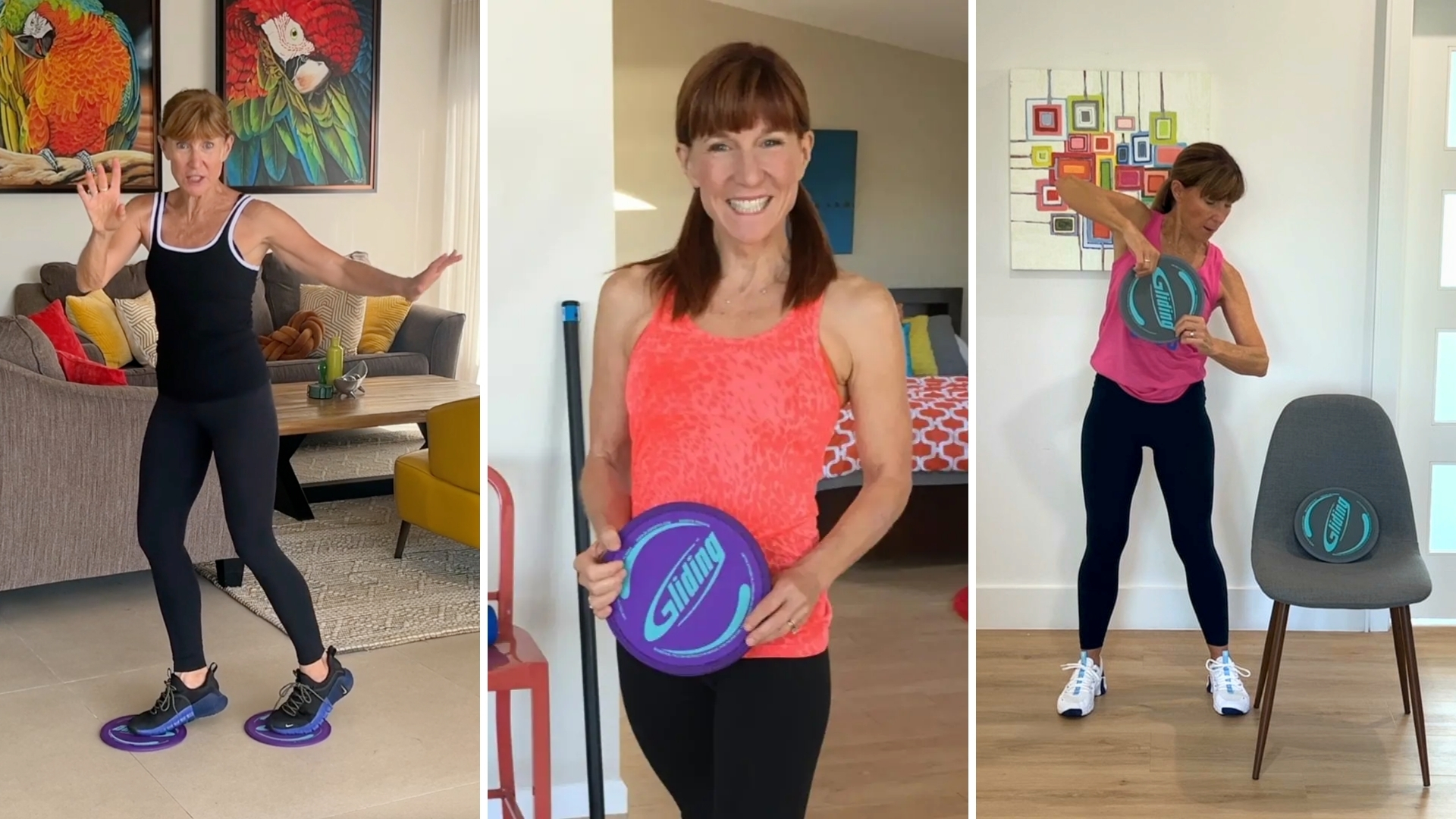
Gliding Discs

Gliding discs can add new challenges to strength and core exercises.

Small Balls

Small balls such as the Bender Ball can change positioning, stability, balance, and body awareness.

Bands, Suspension Trainers, and Steps

These and other tools can add another variable when designing a class or training session.

The important part is not simply adding equipment because it looks fun. Ask yourself what the tool actually changes.

Ask What the Tool Changes
  • Does it alter stability?
  • Does it increase or decrease resistance?
  • Does it change the range of motion?
  • Does it provide feedback?
  • Does it make an exercise more accessible?
  • Does it create a new coaching opportunity?

And don’t underestimate the value of novelty. A new prop can encourage participants to explore movement differently and give them a reason to pay closer attention. Sometimes a small change is enough to make a familiar exercise feel like a completely new experience.

05

Get Creative Outside of Fitness

If your entire life revolves around fitness, it can eventually become the only place you look for inspiration. Sometimes the best way to refresh your coaching is to step completely outside the industry and give your brain something different to work with. Try something you’ve always been curious about but never had a reason to attempt.

  • Cook something new
  • Pick up a craft project
  • Visit a museum
  • Listen to new music
  • Read a book
  • Take photographs
  • Draw
  • Garden
  • Rearrange your workspace

Creativity doesn’t always have to look productive. Giving your brain space to wander can be incredibly valuable. When you stop actively trying to come up with your next great class idea, your brain has an opportunity to make connections between seemingly unrelated experiences.

Mix and Match Your Inspiration

You don’t have to overhaul your entire coaching approach to get out of a rut. In fact, trying to completely reinvent yourself overnight may create more pressure than inspiration. Instead, start small and experiment with one or two changes.

Start Small
  • Take a class you’ve never tried.
  • Put together a new playlist.
  • Sign up for a workshop.
  • Pull an unfamiliar piece of equipment out of your closet.
  • Spend an afternoon doing something creative that has absolutely nothing to do with fitness.

You may find that one change leads naturally to another. A new class gives you an idea for a different teaching strategy. That strategy inspires you to change a workout. The new workout makes you rethink your music. Before you know it, you’re experimenting again, not because you have to, but because you’re curious about what might happen.

That curiosity is worth protecting throughout your career.

Jessica H. Maurer
About the Author

Jessica H. Maurer is an award-winning keynote speaker and the author of The Happiness Handbook: A Guide to Designing Joy. Named the 2026 IDEA Fitness Leader of the Year, she has spent her career educating fitness professionals as a master trainer and course creator, and she now helps organizations move their people from exhausted to energized. Her guided journal pairs the science of happiness with small, everyday actions that make joy easier to find.

Find Your Next Spark

Explore AAAI Fitness certifications and workshops to learn something new and bring fresh ideas back to your clients and classes.

See Upcoming Workshops

Where to Next?

What Is the Difference Between a Personal Trainer Employee and a Subcontractor?

Personal trainer employee vs. subcontractor is a question many chain-gym trainers never get a clear answer to. The difference between W-2 employee and 1099 independent contractor status affects pay, taxes, liability, and professional protections. This guide explains how classification works in commercial gyms and outlines the professional standards trainers should understand when making employment decisions

 Understanding Personal Trainer Employee vs. Subcontractor 

A personal trainer employee works for the gym and is classified as a W-2 worker. The gym controls scheduling, pricing, clients, and training policies, and withholds taxes from paychecks.

A personal trainer subcontractor is an independent business owner classified as a 1099 worker. The trainer controls their schedule, pricing, clients, and business operations, pays their own taxes, and carries their own insurance.

The key difference is control. If the gym controls how, when, and with whom you work, the role functions as employment. 

How Misclassification Affects Taxes, Liability, and Income


Classification determines:

  • How much tax you owe
  • Who carries legal liability
  • Whether you receive benefits
  • Who assumes financial risk 

When classification does not reflect how a trainer actually works, financial and legal risk may shift toward the trainer.

Job titles alone do not determine whether a trainer is an independent contractor or an employee. Classification is based on how the working relationship functions in practice. For example, when a trainer is classified as an independent contractor, they typically are not required to work fixed weekly hours.


Personal Trainer Employee (W-2): Definition, Pros, and Cons

How Employee Trainers Are Typically Managed at Chain Gyms

  • Gym sets schedules or required availability
  • Clients are assigned by management
  • Pricing is fixed by the gym
  • Training methods and policies are mandated
  • Branding and dress codes are enforced

 Pay, Taxes, and Benefits for Employee Trainers

  • Taxes withheld automatically
  • Gym issues W-2 to you at year-end
  • No self-employment tax
  • Often covered by gym’s general liability insurance
  • May cover recertification fees and continuing education requirements (CPR, AED, etc.)
  • Typically covered by gym’s workers’ compensation insurance
  • Possible access to health insurance, PTO, or retirement plan 

Advantages of Being a W-2 Trainer

  • Stable income
  • Lower tax complexity
  • Workers’ compensation coverage
  • Reduced personal liability

 Limitations/Downsides of Employee Status

  • Lower pay per session
  • Limited autonomy
  • Limited ability to build a personal brand, including restrictions on social media and outside training work 

Being an employee often benefits newer trainers when paired with ethical management and mentorship.


Personal Trainer Subcontractor (1099): Definition, Pros, and Cons 

What Independent Contractor Status Typically Involves

Independent contractor roles typically involve:

 Pay, Taxes, and Responsibilities for 1099 Trainers

  • No tax withholding
  • 1099 issued
  • Self-employment tax required
  • Quarterly estimated tax payments

Advantages of Being a Contractor at a Gym

  • Higher earning potential
  • Greater flexibility
  • Business expense deductions
  • Easier personal brand growth

Risks and Limitations of Being a Subcontractor

  • No health insurance benefits
  • No guaranteed income
  • Higher tax burden
  • Greater legal exposure

Being a contractor only makes sense if you truly control your work and run your own business.

Why Some Gyms Classify Personal Trainers as Subcontractors

Gyms may use a subcontractor model because it allows them to add or reduce trainers quickly without payroll, benefits, or commitments to guaranteed hourly wages. This can make it easier to expand training services during high-demand periods.

In some cases, gym management may also believe subcontractor arrangements encourage entrepreneurial behavior among trainers. Whether this benefits both parties depends on how much independence the trainer actually has in practice.

Liability Risk for Subcontractor Trainers Without Insurance

Subcontractor trainers are legally considered independent businesses, not gym employees. If a client is injured during a training session, including serious exertional injuries such as rhabdomyolysis, the gym’s insurance may not cover the trainer, even if the incident occurs on gym property.

Without their own professional liability insurance, a subcontractor may be personally responsible for medical costs, legal fees, settlements, or judgments. Many trainers mistakenly assume the gym’s policy protects them, but that coverage is often limited to the facility itself.

Carrying individual liability insurance is a basic professional safeguard for any trainer working as a subcontractor.

Independent Contractor Misclassification at Chain Gyms

This section explains how some chain gyms label trainers as independent contractors even when they are treated like employees, and why that mismatch can create financial and legal risks for trainers. 

Common Signs a Trainer Is Misclassified

 You may be misclassified if the gym:

  • Controls your schedule
  • Assigns clients
  • Sets pricing
  • Requires exclusivity
  • Enforces strict protocols and branding

Why Incorrect Classification of Employment Status Creates Risk for Trainers and the Fitness Profession

In many cases, misclassification arises from unclear policies, outdated industry norms, or a misunderstanding of labor standards rather than intentional wrongdoing.

When classification does not match how trainers actually work, risk can shift unintentionally onto trainers. This may expose trainers to unexpected tax liabilities, gaps in insurance coverage, and legal uncertainty.

Over time, inconsistent classification practices can also undermine professional standards by creating confusion about roles, responsibilities, and expectations within the fitness industry.

 Personal Trainer Employee vs Subcontractor Comparison Table 


Category Employee (W-2) Subcontractor (1099)
Controls the schedule Gym Trainer
Client ownership Gym Trainer
Tax withholding Yes No
Benefits Possible None
Liability Shared Mostly trainer
Income stability Higher Lower
Independence Limited High


Why Hybrid Trainer Pay Models Require Careful Structure

Some gyms use hybrid models in which trainers are labeled as independent contractors but receive certain forms of structure or support typically associated with employment. These arrangements may offer flexibility or higher per-session pay on paper.

However, hybrid models can create confusion if the level of control the gym exercises is not clearly aligned with the trainer’s classification. Without clear boundaries around scheduling, client ownership, pricing, and responsibilities, both trainers and gyms may face unintended financial or legal risk.

When hybrid models are used, transparency, documentation, and consistent practices are essential to ensure expectations match classification.


Professional Standards Trainers Should Expect from Gyms 

From a professional standards perspective, gyms should:

  • Clearly explain the classification
  • Match control with legal status
  • Avoid shifting risk improperly
  • Support trainers through clear role definitions and appropriate protections that align with their classification

 This alignment protects both trainers and facilities.

 Understanding the difference between employee and subcontractor classification is an important part of professional decision-making for personal trainers working in commercial gyms. Clear classification helps trainers understand their responsibilities, protections, and risks, while also supporting consistent standards across the fitness industry. When roles, expectations, and classification are aligned in practice, both trainers and facilities are better positioned to operate ethically, effectively, and sustainably.

For trainers who value hands-on learning and practical instruction, AAAI Fitness offers affordable, live, in-person certification and continuing education classes designed for real-world gym environments.

Written by Joe Cannon, MS, a fitness educator with over 30 years of experience hiring, training, and mentoring personal trainers in commercial gyms and private facilities.

Learn More

How to Beat Fitness Boredom Before It Costs You Clients

You are worried your clients are bored. That is why you keep changing every session, rotating new exercises, and refreshing routines that were working just fine. You tell yourself you are keeping things fresh. You tell yourself variety is the point.

Here is the secret nobody is going to tell you: your clients are not bored. You are.

And that distinction matters more than you might think. Because the changes you are making to solve your problem are quietly working against the results your clients are paying you for. Progress does not come from novelty. It comes from repetition, consistency, and the steady accumulation of work under a program that has time to actually do its job. What feels stale to you is often exactly what your clients need more of.

So before you overhaul another program, let’s talk about what is really going on — and what to do about it.

How Boredom Can Turn Into Burnout

When a coach gets bored, the instinct is to create. New programming. New exercises. New complexity. A fresh warm-up for every client, a novel finisher, a constantly rotating menu of movements designed to keep the coach engaged. It feels productive. It feels like the opposite of phoning it in.

It is also how many coaches end up in burnout.

Overcreation is exhausting in a way that consistency is not. Every new program is prep time, mental load, and a fresh set of variables to track. Multiply that across a full client roster and the coach who was merely bored is now depleted, having generated an enormous amount of work to solve an internal problem by changing external things that did not need to change.

There is a second cost that matters more. Your clients do not need novelty. They need consistency. Progress comes from repeating a movement enough times to actually adapt to it, from the steady accumulation of reps under a stable program. The client who gets a brand-new workout every session is not getting a better experience. They are getting a coach’s boredom disguised as innovation, and their results suffer. What bores the coach is often the very thing that works for the client.

So the coach is stuck between two bad options. Stay bored and risk disengagement, or chase novelty and risk both burnout and worse client outcomes. The way out is a third option that most new coaches never get taught.

Move the Challenge From the Program to Yourself

The fix is to stop trying to make the workout more interesting and start making your own coaching more difficult. Keep the client’s program stable. Put the novelty where it belongs — on you — in the form of deliberate constraints that sharpen your craft without touching the thing that is working for the client.

Here is what that looks like in practice.

Film your sessions for a week and identify the cue you lean on most. Everyone has one: the phrase that comes out of your mouth on autopilot twenty times a day. Then give yourself a rule — you cannot use that phrase for one week. You will be astonished at how much this forces you to actually see the movement in front of you and find a new way to communicate the same correction. Your cueing vocabulary will double, and the client never knows anything has changed except that their coach has gotten sharper.

Keep the workout identical but rebuild the warm-up. The main work remains consistent because it drives the client’s adaptation, but the warm-up becomes your sandbox. New movement prep, new activation patterns, and new ways to open the session. The client gets variety in the place where variety costs them nothing, and you get a small creative problem to solve every day.

Give yourself a coaching lens for the week. Coach everything unilaterally rather than bilaterally, and watch how it changes what you notice about your clients’ asymmetries. Or remove propulsion from the movements entirely and find other variables — tempo, range, position — to keep things progressive. The client’s program still makes sense and continues to advance. You are just running it through a constraint that makes you think harder about the levers you have.

None of these changes the fundamental reason the client is there. All of them turn a repetitive day into a deliberate practice session for your own development.

The Real Fix: Get Back in a Room With Other Coaches

There is another solution to boredom that no amount of self-imposed constraint can fully replace — and that is being around other fitness professionals who challenge, inspire, and reignite your passion for this work.

One of the fastest ways to break out of a coaching rut is to show up somewhere that reminds you how much there is still to learn. New perspectives. New tools. New ways of thinking about movement, clients, and your career. That kind of energy does not come from scrolling social media. It comes from being in the room.

That is exactly what the AAAI Fitness One World Conference in Denver is designed to do.

September 18–20, 2026 at the stunning Gaylord Rockies Resort and Convention Center, the One World Conference brings together some of the most innovative and experienced educators in the fitness industry for three days of hands-on certifications, master classes, and workshops that will challenge your thinking, sharpen your skills, and remind you exactly why you chose this career.

Whether you are looking to earn a new certification, discover a new modality, or simply spend three days learning from people who are as passionate about this industry as you are — One World is where coaches go to stay great.

🎟️ Register now at AAAIFitness.com and secure your spot in Denver.

📅 September 18–20, 2026 📍 Gaylord Rockies Resort and Convention Center · Denver, CO

Why This Is a Career Skill, Not Just a Personal One

This is not a wellness tip about staying motivated. It is one of the first real professional competencies a new coach can build, and it shows up directly in the length and quality of a coaching career.

The coaches who burn out early are very often the ones who never learned to separate their own need for stimulation from their clients’ need for consistency. They either went numb or they overexerted themselves into exhaustion. The coaches who last built a private practice of self-imposed challenges that kept them engaged for years while their clients received the stable, repetitive, effective programming that actually produced results.

Boredom is coming. It is part of the job. What you do with it is up to you.

And if you are ready to invest in your career in a real and meaningful way — we will see you in Denver this September.

🎟️ Register for the One World Conference

Beat the Boredom

Gym Etiquette for Personal Trainers and Group Fitness Instructors: 21 Professional Standards That Matter

Most gym etiquette articles are written for members. This one is not. Personal trainers and group fitness instructors work under a higher standard because they are not just using the gym. They are working in it. They are being paid in a shared space, representing a facilities brand, influencing client experience, and shaping the gym culture around them.

This guide covers 21 common gym etiquette situations for fitness professionals. Some apply general gym-floor rules to trainers. Others reflect the added responsibility that comes with coaching clients and leading group fitness classes. These standards help separate average fitness professionals from those people trust, respect, and recommend.

21 Gym Etiquette Rules for Personal Trainers and Group Fitness Instructors

1. Arrive Early and Prepare Your Space

A trainer should arrive before the client, not with them and definitely not after them. That time is there to check equipment, scan the floor, adjust the workout if needed, and be fully ready when the client walks in.

If your client arrives and you are still looking for a bench, the session has already started badly.

Professional Standard

  • Arrive 10 to 15 minutes early.
  • Check equipment.
  • Prepare your space.
  • Adapt the session to what is actually available.

What to Avoid

  • Do not save multiple stations with towels or equipment.
  • Do not ask members to give up equipment for your client.
  • Your program should adapt to the gym floor, not the other way around.

2. Re-Rack Weights and Clean Up Completely

After the session ends, there should not be a loaded barbell, dumbbells on the floor, bands hanging around, or a sweaty mat left behind.

As a trainer, your cleanup standard should be higher than the average member’s.

Professional Standard

  • Build cleanup time into every session.
  • Re-rack weights properly.
  • Wipe down used surfaces.
  • Return equipment where it belongs.

What to Avoid

  • Do not leave a mess because you are rushing to your next appointment.
  • Cleanup is part of the session.

3. Manage Gym Floor Space Fairly

A shared gym floor is not your private training studio. Problems start when trainers spread out too far, set up giant circuits, or act like other members are in the way.

Professional Standard

  • Keep your setup tight and efficient.
  • During busy hours, use only the space you need.
  • Be ready to adjust when necessary.

What to Avoid

  • Do not run complicated circuits during peak times.
  • Do not tell clients to guard equipment while you move elsewhere.
  • Do not make members feel like they are interrupting your session.

4. Control Your Noise Level

Your voice carries in a gym. Coaching requires instruction and encouragement, but there is a difference between effective communication and turning your session into a performance.

Professional Standard

  • Coach at a normal conversational volume.
  • Stay close enough to your client that you do not need to shout.

What to Avoid

  • Do not count reps loudly across the room.
  • Do not shout routine encouragement just to sound energetic.
  • Do not use a performance voice to impress the room.

5. Correct Client Form Professionally

If a client needs technical correction, do it in a way that protects their dignity and keeps their confidence intact.

Professional Standard

  • Step closer.
  • Speak calmly.
  • Use one clear cue at a time.
  • Make corrections privately whenever possible.

What to Avoid

  • Do not shout corrections from across the room.
  • Do not repeat the same cue over and over if it is not working.
  • Find a better cue.

6. Stay Focused on Your Client

During a paid session, your attention belongs to the client.

Professional Standard

  • Acknowledge others briefly if needed.
  • Return your focus to the client immediately.

What to Avoid

  • Do not chat with staff, members, or other trainers while the client waits.
  • Do not leave a client alone during a session to socialize.

7. Limit Phone Use During Sessions

Phones are useful for timers, notes, and tracking workouts. Clients can tell the difference between professional use and distraction.

Professional Standard

  • Use your phone only when it directly supports the training session.

What to Avoid

  • Do not text.
  • Do not scroll social media.
  • Do not check notifications during coaching.
  • Do not take personal calls unless it is an emergency.
  • Do not film clients without prior consent.

8. Use Facility Areas Appropriately

Just because an area is open does not mean it is the right place to run a long training session.

Professional Standard

  • Use each area as intended.
  • Follow gym policies.
  • Choose setups that create minimal disruption.

What to Avoid

  • Do not occupy high-demand areas for an entire session during busy hours.
  • Do not coach in hallways, entrances, or spaces that create safety concerns.

9. Maintain Professional Hygiene and Appearance

Personal training is close-contact work. Hygiene and appearance matter.

Professional Standard

  • Wear clean, professional attire.
  • Use deodorant.
  • Stay groomed.
  • Freshen up between sessions when needed.

What to Avoid

  • Do not wear strong cologne or perfume.
  • Do not re-wear unwashed training clothes.
  • Do not ignore how your presentation affects the client experience.

10. Never Solicit Clients on the Gym Floor

Seeing a potential client does not give you permission to interrupt their workout.

Professional Standard

  • Build your business through quality coaching, referrals, and proper consultation channels.

What to Avoid

  • Do not approach another trainer’s client.
  • Do not disguise sales tactics as helpful advice.
  • Do not undermine coworkers.

11. Maintain Professional Boundaries

Training relationships can become personal quickly. Boundaries must remain clear.

Professional Standard

  • Be warm, respectful, and consistent.
  • Keep sessions focused on client goals and well-being.

What to Avoid

  • Do not allow sessions to become unpaid therapy.
  • Do not overshare your personal life.
  • Do not create favorites.
  • Do not date current clients.

12. Stay Within Your Scope of Practice

Clients may ask questions that fall outside your qualifications.

Professional Standard

  • Refer out when necessary.
  • Stay within your expertise.
  • Adjust training conservatively.

What to Avoid

  • Do not diagnose injuries.
  • Do not interpret medical scans or lab results.
  • Do not provide individualized nutrition advice unless legally qualified.

13. Do Not Give Unsolicited Advice

Poor technique does not automatically make it your responsibility to intervene.

Professional Standard

  • Step in only when there is an immediate safety concern.

What to Avoid

  • Do not use advice as a sales strategy.
  • Do not hand out business cards after giving unrequested coaching.

14. Respect Other Trainers

Not every trainer coaches the same way you do.

Professional Standard

  • Share space fairly.
  • Handle disagreements professionally.
  • Treat coworkers with respect.

What to Avoid

  • Do not badmouth another trainer or member.
  • Do not create territorial conflicts over equipment.

15. Be Punctual

Running late sends the message that your time matters more than the client’s.

Professional Standard

  • Start on time.
  • End on time.
  • Leave transition time between appointments.

What to Avoid

  • Do not start late without acknowledging it.
  • Do not regularly run over sessions.
  • Do not overschedule your day.

16. Handle Emotional Moments Professionally

Clients sometimes become discouraged, emotional, or overwhelmed.

Professional Standard

  • Lower your voice.
  • Acknowledge their feelings.
  • Adjust the session appropriately.
  • Move to a quieter area if needed.

What to Avoid

  • Do not ignore obvious distress.
  • Do not force the workout forward.
  • Do not become the client’s therapist.

17. Prepare Before Group Fitness Class

If participants arrive while you are still setting up, you are already behind.

Professional Standard

  • Arrive 15 to 20 minutes early.
  • Set up equipment.
  • Test music and technology.
  • Greet participants.

What to Avoid

  • Do not prepare the room while members are arriving.
  • Do not ignore newcomers because you are still organizing.

18. Coach All Fitness Levels

A class often includes both beginners and experienced participants.

Professional Standard

  • Build modifications and progressions into every workout.
  • Present all options as equally valid.

What to Avoid

  • Do not single out participants for modifications.
  • Do not design classes for only one fitness level.

19. Stay Engaged After Class

The class experience does not end when the final song stops.

Professional Standard

  • Stay available for a few minutes after class.
  • Answer questions.
  • Help reset the room.

What to Avoid

  • Do not leave immediately after class.
  • Do not leave cleanup to participants.
  • Do not block room turnover with long conversations.

20. Represent the Profession at All Times

Even when you are off the clock, people still recognize you as a fitness professional.

Professional Standard

  • Demonstrate courtesy and professionalism at all times.
  • Be consistent in how you conduct yourself.

What to Avoid

  • Do not complain about clients, staff, or management where members can hear.
  • Do not act differently when you think nobody is watching.

21. Respect Privacy When Filming

Content creation is common in fitness, but privacy should always come first.

Professional Standard

  • Follow facility policies.
  • Obtain clear consent before filming clients.
  • Be mindful of who appears in the background.
  • Choose filming locations and times that respect others.

What to Avoid

  • Do not film people without their knowledge or consent.
  • Do not block equipment, walkways, or shared spaces with cameras.
  • Do not assume filming is allowed everywhere.
  • Do not film in locker rooms, changing rooms, showers, or restrooms.

Final Thoughts

For personal trainers and group fitness instructors, gym etiquette is not optional.

People notice the small things. They notice whether you clean up after sessions, respect shared equipment, stay focused on clients, and act professionally under pressure. Over time, those everyday habits shape your reputation far more than most trainers realize.

Professionalism is built in the moments between the workouts.

Ready to take the next step in your career? AAAI Fitness certifications help personal trainers and group fitness instructors build practical knowledge, professional credibility, and real-world coaching skills.

Written by Joe Cannon, MS, a fitness educator with over 30 years of experience hiring, training, and mentoring personal trainers in commercial gyms and private facilities.

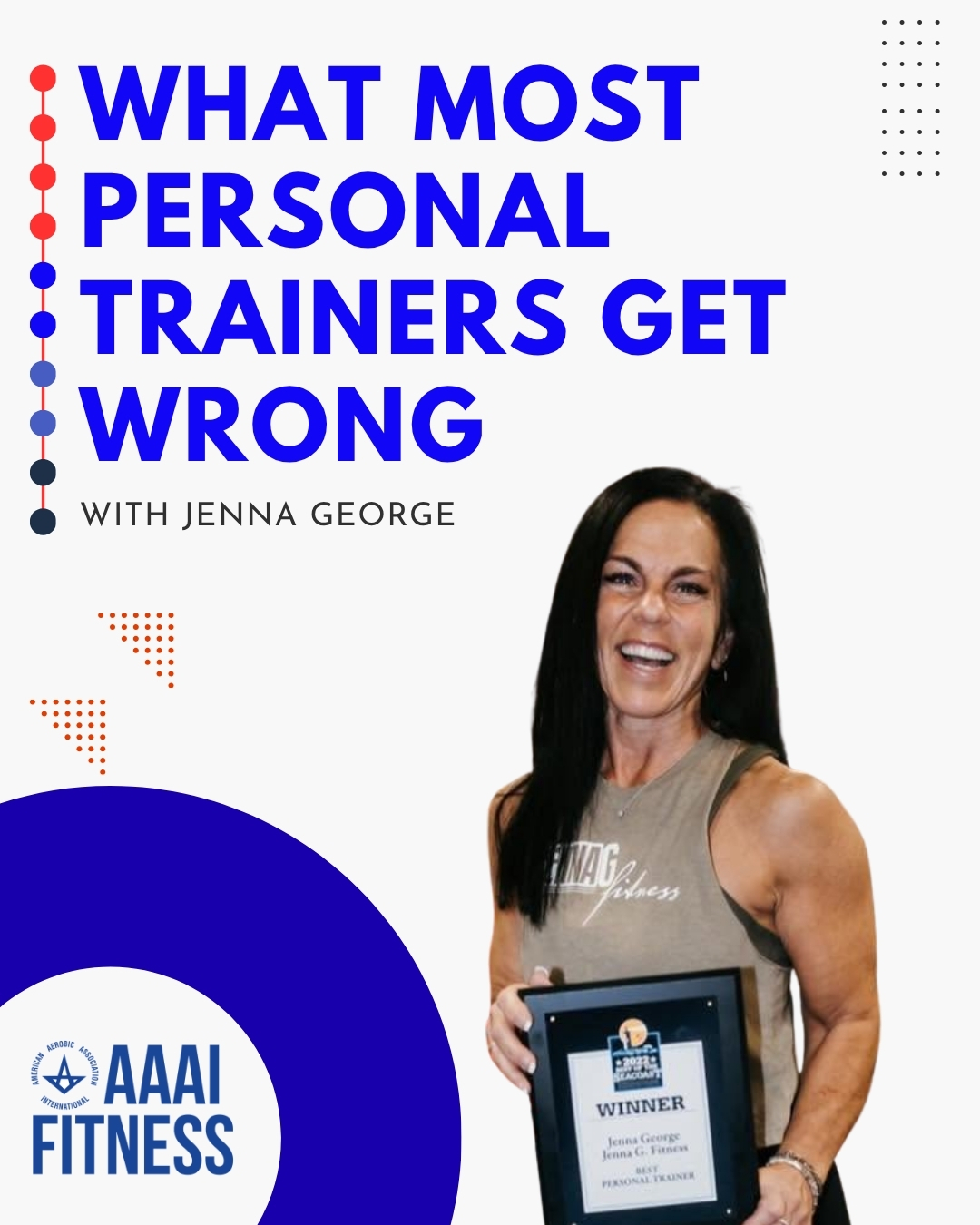
What Most Personal Trainers Get Wrong

Thirty years in the fitness industry will teach you a thing or two. Jenna George of Jenna G Fitness has done it all — group fitness, personal training, bodybuilding prep, virtual coaching, and everything in between. And the wisdom she’s picked up along the way? It’s exactly the kind of real talk that new and experienced fit pros need to hear.

Here are three things Jenna wants every personal trainer to know.

1. It’s a Relationship Business — Not a Science Experiment

You studied the textbooks. You passed the test. You know your anatomy, your physiology, and your program design. But here’s the thing — none of that is what will make or break your career.

Jenna learned this lesson early, and she hasn’t forgotten it.

“It’s a relationship. It’s a relationship industry. And that’s really what it’s all about at the end of the day. It’s not all the exercise science stuff that you learn in the big thick books.”

The most successful fit pros build trust before they build programs. They show up, they listen, and they become a genuine part of their clients’ lives. Jenna’s first two clients taught her that within the first 8 to 12 weeks — one a twenty-something guy managing work stress, the other a woman in her mid-40s navigating perimenopause. Two completely different worlds. One common thread: the emotional connection is what made the difference.

If you’re waiting for clients to come to you because of your credentials, you’re going to be waiting a long time. Get in the gym. Talk to people. Be present. Let them get to know you before they ever ask about your rates.

2. Stop Making It About You — Make It About Them

Social media is a powerful tool for personal trainers. But Jenna has noticed a troubling trend: too many trainers are using it to showcase themselves instead of their clients.

“It’s not about my clients. They’re the celebration. We’re not celebrating me. We’re celebrating what I’m getting them to do.”

Posting your personal workout, your deadlift PR, or your perfectly lit training reel might feel like marketing — but it’s not solving anyone’s problem. Jenna puts it simply: watching a trainer do a bench press isn’t going to make someone hire them. What WILL make someone hire you is seeing you work with someone who looks like them, has goals like theirs, and is getting real results.

Showcase your clients. Celebrate their wins. Solve problems in your content. Answer the questions your ideal client is already asking. That’s the kind of social media presence that builds a business — not a highlight reel.

3. Set Your Boundaries Early — And Stick to Them

One of the biggest mistakes new trainers make is being so eager to fill their schedule that they say yes to everything and everyone. Jenna has been there, and she learned the hard way that boundaries aren’t just good for your mental health — they’re good for your business.

“You’re eager to get clients. You’re eager to fill up your schedule. But don’t find yourself in a situation where you’re taking a 5 a.m. client at this club, but you’ve got to get over to a 9 a.m. client at this club and then you’re coming back.”

Set your hours. Enforce your cancellation policy. Decide when you’re available for texts and emails — and communicate that clearly. Jenna doesn’t take texts before 8 a.m. or after 8 p.m., and she built that into her client agreement. Not because she doesn’t care, but because she knows that a burned-out trainer can’t show up fully for anyone.

The trainers who last in this industry are the ones who protect their energy as fiercely as they protect their clients’ goals.


Jenna George has been doing this for three decades and she’s still learning, still growing, and still showing up every single day for her clients. That’s the kind of career worth building.

🎥 Watch the full interview below and hear more of Jenna’s story — including how she got her start, what it’s really like to coach bodybuilders, and the marketing tip she swears by.

Find Jenna on Instagram, Facebook, YouTube, and LinkedIn at @JennaGFit

What's Next?

What Successful Fit Pros Do Differently

There’s a question that separates the good from the great in the fitness industry. It’s not about your certification. It’s not about your Instagram following. It’s not even about how many clients you have.

It’s this: Are you still showing up to learn?

The most successful fitness professionals in the industry have one thing in common. They never stop being students. They attend conferences. They seek out mentors. They put themselves in rooms with people who challenge their thinking and push their craft forward. And then they take what they learn and they show up even better for their clients.

It sounds simple. But it’s rarer than you think.

The Comfort Zone Is a Career Killer

It’s easy to get comfortable. You’ve got your clients. You’ve got your programming. You’ve got your routine. And routine feels safe.

But the fitness industry doesn’t stand still. New research emerges. New tools hit the market. Client expectations evolve. The trainer who was ahead of the curve five years ago can quickly fall behind if they stop investing in their education.

The best fit pros know this. And it’s why they keep showing up — year after year — to events, conferences, and workshops that challenge everything they think they know.

What Showing Up Actually Looks Like

Showing up isn’t just about physically being in the room. It’s about being present, being open, and being willing to be a beginner again even when you’re an expert.

It looks like a trainer with 20 years of experience sitting in a workshop and taking notes like it’s their first day. It looks like a new fit pro nervously walking into a networking lunch and leaving with three new colleagues and a mentor. It looks like someone who drove four hours to a conference, stayed in a hotel room they stretched their budget for, and came home on fire with ideas that transformed their business.

That’s what showing up looks like. And it changes careers.

The Connections You Can’t Get Online

Here’s something the most successful fit pros will tell you — almost every major opportunity in their career came from a person, not a search engine.

A referral from someone they met at a conference. A collaboration that started over lunch at an expo. A mentor who pulled them aside after a session and changed the way they thought about their work forever.

You cannot manufacture those moments online. They happen in person. They happen when you show up.

What One World Offers You

The AAAI Fitness One World Conference in Atlantic City this June 5–7 is exactly the kind of room the most successful fit pros put themselves in.

Three days of hands-on certifications, workshops, and sessions led by some of the most respected names in the fitness industry. An expo floor full of the products and companies shaping the future of fitness. And hundreds of fellow fit pros who love this industry just as much as you do.

This is where careers are built. This is where ideas are born. This is where the best in the business come to get better.

The Choice Is Yours

You can keep doing what you’re doing. And maybe that’s working just fine.

Or you can show up. You can invest in yourself, your skills, and your career in a way that pays dividends for years to come. You can be the fit pro who never stops learning — because that’s exactly the kind of trainer clients want to work with, refer their friends to, and stay loyal to for life.

The most successful fit pros don’t wait for the perfect moment. They make the moment by showing up.

Will you show up this June?

🎟️ Register now and join us at the One World Conference in Atlantic City.

📅 June 5–7, 2026
📍 Atlantic City Convention Center, NJ
🏨 Sheraton Atlantic City — connected via skywalk

What's Next?

The Power of Gliding Discs

Gliding Discs may seem like simple tools, but they offer significant benefits for various fitness levels. This portable and versatile equipment can increase intensity, engage muscles differently, and enhance stability during workouts. From improving strength to adding variety to your exercise routine, gliding discs are a powerful addition to any fitness program.

1. Low Impact, High Engagement

One of the primary benefits of Gliding Discs is their ability to deliver a low-impact workout that’s easy on the joints yet highly effective. Unlike exercises that lift your feet off the ground, gliding discs allow you to maintain contact with the floor, reducing stress on your knees, hips, and ankles. This makes them ideal for people who need to minimize joint stress, whether due to injury, age, or personal preference.

Gliding Discs require significant muscle engagement despite their low impact, particularly of the stabilizing muscles. As you slide in and out of different movements, your core, hips, and other stabilizers must control the motion, strengthening these often underused muscles. This not only improves overall strength but also enhances balance and coordination.

2. Increased Core Activation

The Gliding motion required for Gliding Discs makes them an excellent tool for core workouts. Whether you’re performing mountain climbers, plank variations, or Gliding lunges, controlling your body through dynamic movements forces your core muscles to work harder. Unlike traditional static exercises, gliding discs require continuous core engagement, particularly the deeper stabilizing muscles such as the transverse abdominis.

For example, a traditional mountain climber performs without sliders, focusing on hip flexion and extension. But when you introduce Gliding Discs, the movement becomes smoother, and you must use your core muscles to control the Gliding motion, amplifying the challenge. This increased engagement makes it easier to develop a strong and stable core, essential for overall fitness, injury prevention, and improved posture.


3. Versatility and Full-Body Workouts

Gliding Discs are incredibly versatile and can be incorporated into nearly any type of workout—strength training, HIIT, Pilates, or even yoga. With just a small pair of discs, you can perform various exercises that target the entire body.

For lower-body strength, you can use Gliding Discs for lunges, squats, and hamstring curls. These exercises take on new dimensions with Gliding Discs, as they introduce an element of instability that requires greater focus on form and balance. In the upper body, exercises like Gliding push-ups or chest flies challenge your muscles in new ways, forcing them to stabilize while moving through a wider range of motion.

For example, a Gliding lunge requires you to focus on the lunge movement and control the leg gliding on the floor. This adds a stability challenge to your core and engages muscles throughout the body, making a simple exercise more dynamic and effective.

4. Engages Multiple Muscle Groups Simultaneously

Using Gliding Discs challenges multiple muscle groups simultaneously, helping you build strength and endurance more efficiently. For example, during a Gliding lunge, you’ll work your quads and glutes and engage your hamstrings, calves, and core for stabilization. This multi-muscle activation helps you get the most out of each exercise, making your workouts more efficient and effective.

Since Gliding Discs engage stabilizer muscles and primary movers, they’re excellent for building functional strength that translates to real-world activities. This is especially beneficial for athletes and anyone looking to improve their overall movement quality.

Gliding Discs may be small, but they pack a powerful punch to enhance your fitness routine. Whether you’re looking for low-impact, joint-friendly options or want to challenge your strength and stability, these discs offer a versatile and effective solution. By incorporating them into your workouts, you’ll improve core strength, increase flexibility, engage multiple muscle groups, and enjoy a convenient, full-body workout that’s fun and challenging.

Ready to expand your knowledge of what Gliding Discs can do? Mindy Mylrea, the creator of the Gliding Discs, will be leading a 4-hour workshop on Friday from 1-4pm at the One World Conference. Register today to save your spot!

Ready for More?

Four Reasons You Need a Primary Certification

In the fitness industry, it can feel like success is all about doing more. More classes. More certifications. More social media content. More clients. More responsibility. But growth only works when it’s built on a strong foundation. Without it, even the most ambitious efforts can stall under the weight of scattered priorities and competing demands.

Your primary group fitness certification is that foundation. It’s not just a credential—it’s your roadmap to confidence, safety, credibility, and career growth. Here’s why investing in a comprehensive certification matters more than ever for fitness professionals:

1. Build Confidence With Knowledge

Confidence is more than just showing up for class with energy. True confidence comes from knowing exactly what you’re teaching, why it works, and how to adjust it for every participant. A primary group fitness certification gives you the science behind the cues, the anatomy behind the movements, and the structure behind the class flow. When you understand why an exercise works and how to safely progress or modify it, you step onto the floor with authority. You can respond to unexpected challenges, guide participants effectively, and feel secure in your ability to lead. Confidence isn’t learned overnight—it’s earned through education and practice, and a primary certification sets that foundation.

2. Enhance Safety and Protect Your Participants

Every class you teach carries responsibility. When participants trust you with their time, energy, and bodies, you owe them more than enthusiasm—you owe them safety. A primary certification teaches you the proper biomechanics, alignment, and progression strategies to prevent injury and maximize results. You’ll learn how to assess participant readiness, adapt exercises for diverse abilities, and design programs that are both challenging and safe. In a profession where one miscue can have real consequences, this knowledge isn’t optional—it’s essential.

3. Elevate Your Professional Credibility

The fitness industry is crowded. Trends come and go, and anyone can post themselves teaching online. But a recognized primary certification sets you apart. It shows peers, employers, and clients that you’ve invested in real education, that your skills are grounded in science, and that you take your role as a fitness professional seriously. Certification communicates credibility in a way marketing alone never can. It tells the world: you aren’t just passionate—you’re prepared, qualified, and committed to excellence.

4. Support Career Growth and Long-Term Success

Finally, a primary certification opens doors. It’s the key to teaching in studios, gyms, corporate wellness programs, and community spaces. It allows you to lead workshops, mentor other instructors, and expand into new markets with authority. More importantly, it gives you a framework to keep growing without burning out. When your foundation is solid, adding specialty certifications, leadership roles, or new formats becomes intentional rather than reactive. You’re not just surviving in the industry—you’re building a career designed to last.

Choosing the right certification isn’t about checking a box. It’s about deciding what kind of professional you want to be and laying the groundwork to get there. And the best way to do that is with a live, immersive experience that lets you learn, practice, and connect with experts in real time.

Ready to take your business to the next level? Register today for our Primary Certifications – Personal Training and Group Fitness – to gain the tools, confidence, and community you need to lead with excellence.


What's Next?

Mock Personal Training Interview: What Gets You Hired

A mock personal training interview is where many qualified trainers lose job opportunities, not because they lack knowledge, but because they misunderstand what gyms are evaluating.

Most candidates believe they need to impress the hiring manager with intensity, creativity, or advanced exercises. This pressure hits shy personal trainers especially hard, even though being introverted is not a disadvantage in one-on-one coaching.

This article explains what a mock personal training interview really is, how gyms score candidates, what mistakes lead to rejection, and how to approach a mock client session calmly, professionally, and strategically.

Mock Personal Training Interview Explained

A mock personal training interview is a simulated training session that gyms use to evaluate a potential new trainer’s ability to coach safely, communicate clearly, and exercise sound judgment. It is usually reserved for those who have already passed the initial sit-down job interview.

A manager or staff member plays the role of a mock client while observing how the fitness instructor structures a session, selects exercises, and responds in real time. Intensity and creativity are not the primary focus.

What Is a Mock Personal Training Interview?

A mock personal training interview is a hands-on hiring assessment commonly used by commercial gyms, private studios, and training facilities.

It may also be called:

  • a mock client session
  • a mock training session
  • a practical interview
  • a practical exam

During this meeting, you are asked to coach a short session while being observed. The purpose is not to test your physical fitness or creativity. It is to determine whether you can safely and professionally work with real clients on the gym floor.

Often, the “client” will be a member of the gym staff, maybe another personal trainer, or one of the salespeople. In a large, chain gym, you would likely be evaluated by either the manager or the fitness/ wellness director. If you are applying to a smaller private facility, the owner may be observing you.

Why Gyms Use Mock Personal Training Interviews

Gyms use mock interviews to reduce risk.

A résumé, fitness certification, or recommendation is great, but it does not demonstrate how a trainer:

  • communicates with a client
  • handles uncertainty
  • prioritizes safety
  • respects personal boundaries

That’s what a mock personal training interview can highlight.

During this time, the hiring manager is asking one core question:
Can we trust this person with paying clients?

How Mock Personal Training Interviews Are Scored

Safety (Non-Negotiable. Very Important!)

  • Appropriate exercise selection
  • Conservative progressions
  • Immediate response to pain or discomfort

One safety concern can override everything else you do right

Communication

  • Clear instructions to the client
  • Simple, effective cues
  • Ability to listen to clients’ concerns and questions

Judgment

  • Logical flow of the session
  • Exercise choices that match the client’s abilities/health issues (if any)
  • Willingness to adjust the program on the fly

Professionalism

  • Calm demeanor
  • Dresses appropriately
  • Respectful language
  • Appropriate boundaries (ask permission before touching/cueing)

Coachability

  • Openness to feedback
  • Ability to adapt to change (the machine you want is used by someone else)
  • No defensiveness when offered constructive feedback

Your athleticism, workout intensity, and program creativity are rarely scored.

What Trainers Think vs. What Gyms Actually Evaluate

Trainers Think Gyms Actually Evaluate
Workout intensity Client safety
Advanced exercises Sound judgment
Creativity Clear communication
Personal fitness level Coaching ability
Performance Professionalism

This disconnect is why so many candidates struggle.

What the Gym Hiring Manager Is Evaluating (And What They Are Not)

What they ARE evaluating

  • Exercise safety
  • Coaching clarity
  • Session structure
  • Client awareness
  • Decision-making

What they are NOT evaluating

  • How hard the client works (the number of sets is often not relevant)
  • How many exercises are programmed into the mock training session
  • Your physique
  • How impressive the session looks

Trying to score points in the wrong category costs people jobs.

The Mock Client Scenario Explained

Mock client descriptions are often intentionally vague.

You may be told:

  • “This client wants to lose weight”
  • “They’re new to exercise”
  • “They sit most of the day”

This ambiguity tests whether you:

  • ask clarifying questions
  • avoid assumptions
  • default to safe, general programming

Assuming injuries, fitness level, or goals without asking is a common red flag.

Pro Tip: Safety Questions to Ask Before a Mock Personal Training Interview

Before the exercise session begins, ask these two questions

  1. “Can I assume the person is apparently healthy?”
  2. “Can I also assume the person has completed all necessary paperwork, including the waiver, health history form, and PAR-Q, before the training session begins?”

Another good question to ask is, “Can I assume the client is already properly warmed up?” Most people will miss asking these critical questions. By asking these questions, you are telling the hiring manager that you are prioritizing safety. You are protecting not only the client but the gym’s brand, too.

The person doing the evaluation will generally reply yes to all of these questions.

How to Structure a Mock Personal Training Interview Session

The mock personal training interview often causes a lot of stress and anxiety among new trainers, but it doesn’t have to. A simple, structured exercise program performs best.

Because most people who hire personal trainers are novices and those who have not worked out in a long time, the simplest and most effective exercise program for the mock training interview is a total-body circuit strength-training program. Here’s an overview:

  • Choose 4 to 5 different exercises in advance and have the client perform one set of each.
  • Use the RPE scale to gauge how heavy the weight feels for the client. Aim for a rating of 4 to 5 (moderate load)
  • Before each exercise, explain the primary muscles used
  • Demonstrate the exercise if the client appears not to understand
  • Cue the exercise properly, remembering to ask permission if you need to correct their form

Remember, you are not being graded by how difficult or complex the workout is. They really just want to make sure you are safe and see how you interact with members.

Pro tip: Make sure the client performs the exercises in the proper order. For example, don’t have them perform biceps curls immediately before a lat pulldown exercise.

Sample Circuit Strength Training Program for a Mock Personal Training Interview

Perform one set of each exercise

  • Chest press machine
  • Seated row
  • Leg press
  • Shoulder press
  • Leg curl

Notice how each of these is a compound movement. Consider giving priority to multi-joint, compound exercises in your program. Also, notice that each chosen exercise does not overlap with the next, giving muscle groups time to recover.

Exercises That Work Well in a Mock Personal Training Interview

Safe, familiar movements allow you to demonstrate your coaching skills.

Examples include:

  • Body weight squats or sit-to-stands
  • Hip hinges
  • Push-ups or wall push-ups
  • Seated rows using a machine or resistance bands
  • Core stability exercises like planks

These minimize risk and highlight communication.

Exercises That Often Backfire During The Mock Personal Trainer Interview

Avoid exercises that increase complexity or injury risk.

Examples:

  • Max-effort lifts
  • Plyometrics
  • Olympic lift variations

These raise questions about judgment, not knowledge.

Common Mistakes That Cost Trainers the Job

These mistakes appear often in failed mock interviews.

  • Talking instead of coaching
  • Ignoring discomfort
  • Rushing the session
  • Trying to impress instead of educate
  • Failing to explain exercise selection

Calm, controlled coaching consistently outperforms intensity.

What to Say During a Mock Personal Training Interview

You do not need to narrate everything, but selective explanations, where appropriate, help.

Effective phrases include:

  • “I’m choosing this exercise because…”
  • “Let me know if this causes you discomfort.”
  • “Since this is a mock session, I’m keeping this conservative.”

These statements demonstrate awareness and professionalism. Hiring managers are listening for how you communicate and encourage clients, not just what exercises you choose. Clear, supportive language and basic motivating clients go a long way during a mock session.

What to Wear and How to Present Yourself

Appearance and demeanor matter.

  • Clean, professional workout attire
  • Neutral colors
  • Proper footwear
  • Good hygiene (avoid cologne/perfume)
  • Calm body language

You are being evaluated as a representative of the gym.

How Long Mock Personal Training Interviews Usually Last

Most mock sessions last 10 to 20 minutes.

Short sessions are normal and not a negative signal. Hiring managers often gather enough information quickly. Remember, evaluating your performance is one of the many things they do during their working day.

Differences Between New and Experienced Trainers

New trainers

  • Safety and coachability matter most
  • Simplicity is expected

Experienced trainers

  • Judgment and adaptability are scrutinized
  • Overconfidence can hurt

Safety remains the top priority at every level.

How to Recover If You Make a Mistake

If you make a mistake, don’t worry. Stuff happens. Recovery matters too.

Good recovery looks like:

  • Acknowledging the issue calmly
  • Adjust the exercise accordingly
  • Briefly explain the change
  • Move forward and continue the workout

Trying to hide mistakes raises concerns.

After the Mock Interview: What Happens Next?

After you complete the mock personal training interview:

  • The feedback you get may be immediate or delayed by a few days
  • Silence does not always mean you are not hired
  • Decisions often involve multiple candidates to see who fits the job best

A brief, professional follow-up email or handwritten note is appropriate a day or two later.

Frequently Asked Questions

Is a mock personal training interview hard?

It can be challenging, mainly because trainers often misunderstand what is being evaluated. Safety and communication matter more than performance.

Can you fail a mock personal training interview?

Yes. Safety concerns, poor communication, or unprofessional behavior can quickly disqualify you from being hired.

Do you need to train the mock client intensely?

No. Intensity is not a scoring factor and often works against candidates.

Should you bring a workout plan?

Usually, no. Hiring managers want to see how you think and adapt in real time.

What if the mock client reports pain?

You should adjust the workout immediately. Ignoring pain is one of the fastest ways to fail.

Final Advice From a Trainer Educator

After decades in fitness education and hiring environments, the pattern is consistent.

The trainers who succeed are not the most impressive.
They are the most reliable, safe, and coachable.

Approach the mock personal training interview as a professional evaluation, not a performance, and your chances of being hired increase dramatically.


Written by Joe Cannon, MS, a fitness educator with over 30 years of experience hiring, training, and mentoring personal trainers in commercial gyms and private facilities.

Want to Learn More?

Why Personal Training Clients Quit and How Trainers Can Prevent It

If you have ever watched a client start strong and gradually disengage after a few weeks, you are not alone. This pattern is common across personal training, and it is rarely the result of laziness or lack of motivation. More often, routines fall apart for predictable, human reasons. Schedules change. Stress accumulates. Energy fluctuates. What once felt manageable becomes overwhelming.

The issue is not discipline. The issue is design.

Training routines fail when they are built for ideal conditions rather than real life. If we want better retention, stronger adherence, and meaningful long-term results, we must move beyond sets and reps and begin coaching routines that account for the whole human.

Sustainable consistency is flexible, structured, and resilient. It adapts under pressure instead of breaking. The following strategies reflect how professional trainers can design routines that support consistency, engagement, and real behavior change.

1. Anchor Consistency With Non-Negotiable Behaviors

One of the most common programming mistakes is attempting to change too much at once. Early motivation often leads clients to overcommit, which increases the likelihood of burnout and disengagement.

Instead, effective trainers help clients establish three to five non-negotiable behaviors. These anchors are simple, repeatable actions that remain in place even during high-stress periods. Examples include attending scheduled sessions, completing a short walk on non-training days, prioritizing hydration, or maintaining a consistent sleep window.

Anchors shift the focus from perfection to reliability. When these behaviors stay intact, clients no longer feel as though they are constantly starting over. Progress becomes stable rather than fragile, which builds confidence and improves retention.

2. Reduce Overwhelm Through Time Structure

Many clients struggle with consistency not because they lack effort, but because their days are cognitively overloaded. Decision fatigue, constant multitasking, and unclear priorities drain the mental energy required to follow through on training.

Introducing basic time structure can significantly improve adherence. This may include training at consistent times each week, pairing workouts with existing routines, or clearly separating work, movement, and recovery blocks.

When fitness becomes part of a predictable rhythm rather than another decision to manage, clients are more likely to remain consistent over time.

3. Use Rituals to Support Behavioral Transitions

Transitions are often overlooked in routine design. Shifting from work to training, from training to recovery, or from busy days to rest can feel abrupt and mentally taxing.

Small, intentional rituals help bridge these transitions. A brief warm-up walk, a post-session breathing reset, or evening mobility paired with music can signal the body and nervous system to shift states.

These rituals create familiarity and emotional safety around training. When fitness feels grounding rather than disruptive, clients are more likely to stay engaged.

4. Normalize High-Energy and Low-Energy Days

Consistency does not require the same output every session. When clients believe they must perform at peak levels at all times, they often disengage during periods of lower energy.

Professional coaching accounts for variability. Higher-energy days may emphasize load, volume, or complexity. Lower-energy days may focus on mobility, lighter movement, or shorter sessions while maintaining core anchors.

This approach removes guilt, preserves momentum, and reinforces the idea that staying connected matters more than intensity alone.

5. Design Routines That Allow for Disruption

Life interruptions are inevitable. Work demands, family responsibilities, illness, and emotional stress will occur. Routines that are overly rigid tend to collapse when disruptions arise.

Encouraging clients to build buffer time around sessions and commitments reduces stress and minimizes all-or-nothing thinking. Flexible routines recover more quickly after interruptions, which supports long-term adherence.

Why This Approach Improves Retention and Results

These strategies work because they prioritize sustainability over short-term intensity. They reduce cognitive load, protect energy, and help clients feel capable rather than perpetually behind.

At a professional level, our impact extends beyond physical adaptation. We help clients develop trust in themselves and confidence in their ability to follow through. When routines are designed for real life, clients remain consistent longer, achieve better outcomes, and maintain stronger coaching relationships.

Fitness is not meant to control a client’s life. It is meant to support it.

When trainers design routines with flexibility, structure, and intention, consistency becomes achievable, progress becomes sustainable, and retention becomes a natural outcome of professional practice.

Build a Stronger Career

Personal Trainer Interview Tips (Part 3)

By now, you’ve learned in Part 1 why gyms hire for trust, professionalism, and communication over certifications alone, and in Part 2 how to navigate the interview conversation, answer tricky questions, and present yourself as a confident, coachable professional.

Part 3 takes things onto the gym floor. We’ll break down what to expect during mock training sessions, what managers are really evaluating, and how to start your first 30 days on the job with confidence and credibility. By mastering this stage, you move from a strong candidate to a trainer they can’t wait to hire.

Critical Questions To Ask Before the Mock Training

Before the training session begins, ask these two important questions

  • “Can I assume the person is apparently healthy?
  • “Can I also assume the person has already completed all necessary paperwork, such as Waiver, PAR-Q, and a Health history form?”

99% of people will NOT ask these questions, so make sure you do. Asking these two questions sends a subtle message to the manager that you are focused on safety and looking out for the members – and the gym too.

During the mock training interview session, the manager will be looking for your ability to demonstrate:

  • Safety awareness
  • Clear verbal cues
  • Ability to regress exercises
  • Calm communication
  • Situational awareness

You can take the pretend client through a workout built around machines, kettlebell exercises, bodyweight movements, or free weights.

What to Do After the Interview to Increase Your Chances of Getting Hired

Following the initial sit-down interview, send a short follow-up note within 24 hours. While some recommend doing this by email to make a bigger impact, mail the note to the gym.

Address it to the person you met with, and on the card, say a few short professional words, such as “Mr. Smith, I just wanted to say how much I appreciated meeting with you the other day in regards to the personal trainer position at (use the gym’s name). I’m looking forward to hearing from you soon.”

Because 99% of applicants will not take this extra step, sending a follow-up note keeps you top of mind.

What Gyms Expect From You in the First 30 Days

This surprises many trainers.

Expect:

  • Floor hours
  • Shadowing more experienced trainers
  • Performing client assessments
  • Speaking to members (i.e., trying to sell your personal trainer services)
  • Performance observation (even if you are not aware it’s happening)

Understanding this makes you sound prepared and realistic during interviews.


Frequently Asked Questions

  • What should a personal trainer say in a gym interview? Clear, honest answers that show professionalism, communication skills, and an understanding of clients and business.
  • What should I bring to the interview? Your resume and copies of your fitness certs and any other certs (CPR, AED, First Aid, etc.) if you have them. Additionally, bring something to take notes with, such as a padfolio.
  • Do personal trainers need sales skills to get hired? It’s not always a deal-breaker, but at many big-box gyms, knowledge of ethical, education-based sales is something managers look for. Some gyms may provide training about this, so do ask about it.
  • How long does a personal trainer interview usually last? Most interviews last 30–60 minutes. The Mock Training interview is often held on a separate day and typically lasts 30 to 40 minutes, but can run up to an hour.

Final Thoughts on Personal Trainer Interviews

Succeeding in a personal trainer interview has far less to do with memorizing answers and far more to do with demonstrating professionalism, communication skills, and real-world readiness. Gym hiring managers are looking for trainers they can trust with members, systems, and the reputation of their facility. If you understand the business side of fitness, present yourself well online and in person, and demonstrate that you can coach, communicate, and learn, you immediately set yourself apart from most applicants. Approach the interview like a professional role, not a tryout, and your chances of getting hired as a personal trainer increase dramatically.

If you’re serious about working as a professional personal trainer, treat the interview process with the same preparation and intention you expect from your future clients.

Trainers who approach interviews this way tend to build longer careers, stronger client relationships, and more sustainable income in the fitness industry.

Written by Joe Cannon, MS, a fitness educator with 30 years of experience working one-on-one with clients, including many who prefer focused, low-chatter training environments.


Keep Learning

PAR-Q vs PAR-Q+: A Practical Guide for Fitness Instructors

PAR-Q vs PAR-Q+: A Practical Guide for Fitness Instructors

PAR-Q and PAR-Q+ are widely used pre-exercise screening tools, but many fitness instructors are unclear on how they differ and when each should be used. This guide explains both questionnaires, outlines professional screening standards, and provides practical guidance for applying them in personal training, group fitness, and online coaching settings.

Personal Trainer Interview Tips (Part 2)

In Part 1 of this series, we covered what gym managers are really evaluating and why many qualified trainers still struggle to get hired. Once you earn an interview, the next step is to understand what hiring managers assess during the conversation.

A personal trainer interview is not a test of exercise science. It is a preview of how you will communicate with members, represent the brand, and function inside a service business. Most candidates walk into interviews prepared to answer questions. Strong candidates walk in prepared to have a professional conversation.

What to Wear to a Personal Trainer Interview 

Because the fitness industry is casual for the most part, a suit is not required – unless you are applying for a manager/GM position.  That said, ripped jeans are not appropriate.

Instead wear:

  • Clean shirt with color
  • Neutral colors
  • Shoes that are in good condition

If you look careless, managers assume your coaching will be careless with clients, too.

Common Personal Trainer Interview Questions

  • “How would you get clients?” They want to know if you understand that training is a service business.
  • “How do you handle unmotivated clients?” They are testing emotional intelligence, not exercise programming knowledge.
  • “Tell me about yourself.” Don’t blather. Instead, reply with “What specifically would you like to know about?”
  • “What certifications do you have?” They want to confirm insurance and floor eligibility. List your certifications on your resume, too.
  • “What would you do if a client stopped showing up?” They want retention strategies, not excuses.

Remember, gyms are a business. They need to generate revenue to pay their bills and remain in business. For example, explaining to a hesitant member how consistent training can reduce pain or improve daily function is a form of sales, even if it doesn’t feel like it.

That kind of education-driven approach is exactly how personal training departments generate recurring revenue. One of the largest sources of recurring revenue for a gym is the personal training department. This is why employers often choose a certified personal trainer with sales experience over one without it.

If you answer the sales question with “I don’t like sales,” the interview will probably end quickly.

That said, if you don’t have sales experience, you could reply with something like “Well, I know sales is about helping people find a solution to their problem. Since many of the gym’s problems relate to exercise and weight loss, I’m confident I can find a sustainable solution. Of course, I’m very receptive to any onboarding training you have to offer to sharpen my sales skills.”

Replying that way demonstrates to the interviewer that you are thinking clearly and open to learning more.

Introvert Fitness Trainers Have an Advantage in Interviews

Introverted trainers often outperform extroverted trainers in one-on-one settings. They listen better. They rush less. They build trust.

If you worry that being quiet hurts your chances, read this breakdown on how shy or introverted personal trainers succeed. Gyms do not just hire programs. They hire people.

Trainers who understand stress, boundaries, and motivation stand out immediately. This is why understanding mental wellness in fitness matters more than most trainers realize. Clients rarely quit workouts. They quit relationships.


Red Flags Gym Managers Notice Immediately

Hiring managers notice:

  • Chronic nervous over-talking
  • Lack of eye contact
  • Buzzword-heavy answers without clarity
  • Poor awareness of gym etiquette
  • Not understanding the gym’s clientele
  • Treating the role as “temporary”

These are silent deal-breakers. Try to avoid saying phrases like:

  • “This is a temporary job for me.”
  • “I had issues with my last manager.”
  • “I only want to train certain clients.”
  • “I plan to open my own studio in the near future.”
  • “I don’t like people.”
  • “I don’t like sales.”
  • “I don’t want to teach group fitness or work on the gym floor.”
  • “I want the job because it looks easy.”

Smart Questions to Ask at the End of the Interview

At some point, the hiring manager will ask, “Do you have any questions for me?” This is another opportunity for you to stand out from other applicants. Insightful questions to ask include:

  • Are your trainers employees of the gym or independent contractors?
  • Is there liability insurance coverage provided, or is that the trainer’s responsibility?
  • How are clients assigned?
  • How much of client acquisition is organic vs. trainer-driven?
  • What percentage of the training revenue split do trainers make?
  • How are cancellations, no-shows, and late clients handled?
  • How much do trainers make for floor time?
  • How many clients does the average trainer have per pay period?
  • Is there a minimum number of sessions trainers are expected to sell or conduct per month?
  • For the trainers who are employed here long-term, what do you feel they do differently?
  • What do you think are the reasons new trainers struggle or leave within the first year of employment?
  • What happens if a trainer works great with clients but struggles with sales early on?
  • What support systems are in place if a trainer is struggling with client retention?
  • What does success look like to you in the first 90 days?
  • What continuing education is supported?
  • How is my performance evaluated?
  • Walk me through the gym’s emergency procedures.

The goal is not to ask every question on this list, but to choose a few that matter most to you. Thoughtful questions demonstrate maturity, preparation, and genuine interest in the position.

Final Thoughts

Preparing for a personal trainer interview is about more than knowing your exercises or certifications. In Part 1 of this series, we explored the mindset shifts that separate trainers who get hired from those who don’t, including why gyms prioritize professionalism, communication, and trust over technical knowledge alone.

In this section, we’ve covered the practical elements of the interview: presenting yourself professionally, handling common questions, approaching sales with confidence, and asking thoughtful questions at the end. Paying attention to these details demonstrates that you understand the business side of fitness, can connect with clients, and are ready to contribute to the gym’s success.

Finally, in Part 3, we’ll take you onto the gym floor itself. You’ll learn what hiring managers evaluate during mock training sessions, how to shine while coaching, and what to expect during your first 30 days on the job. By following all three parts of this series, you’ll approach interviews with clarity, confidence, and the professional presence that sets you apart in today’s competitive fitness industry.

Written by Joe Cannon, MS, a fitness educator with 30 years of experience working one-on-one with clients, including many who prefer focused, low-chatter training environments.


Expand Your Practice

Personal Trainer Interview Tips: How to Get Hired at a Gym (Part 1)

If you search online for personal trainer interview tips, you’ll see a lot of polite advice that sounds good but does not reflect how gyms actually hire. Here’s the truth: most personal trainers who fail interviews are qualified on paper. They lose the job because they misunderstand what gyms are hiring for, how interviews are evaluated, and what hiring managers silently reject.

This three-part guide explains how personal trainer interviews actually work, what gym managers care about most, and how to avoid the mistakes that quietly cost trainers job offers every week.

How to Succeed in a Personal Trainer Interview

To succeed in a personal trainer interview, focus less on proving your knowledge and more on showing professionalism, communication skills, and reliability. Gym managers hire trainers they trust with members and business operations, not trainers who simply recite exercise science.

Many trainers enter interviews prepared to prove how much they know. They expect to discuss programming, anatomy, and training techniques. They prepare to demonstrate their passion for fitness and their commitment to helping people.

While all of that matters, it is rarely what determines whether someone gets hired.

Gym managers are not interviewing you to see if you can pass another certification exam. They are evaluating whether you can succeed inside a service business. Personal training is not just coaching. It is client experience, retention, communication, and brand representation.

From a hiring manager’s perspective, the central question is simple: Can we trust this person with our members and our business?

That question quietly guides every interview decision.

Successful candidates:

  • Communicate clearly and listen well
  • Understand that personal training involves sales and client retention
  • Present themselves professionally on and offline
  • Demonstrate calm, client-focused coaching

What Gyms Evaluate During a Personal Trainer Interview

Area Evaluated What Managers Look For
Certifications Meets insurance requirements
Communication Clear, calm, client-friendly
Sales mindset Willing to learn and engage
Professionalism Reliability and boundaries
Coachability Openness to feedback


Tasks to Do Before the Interview

Research the Gym’s Website and Social Media

Before attending a personal trainer interview, review the gym’s website and social media presence. Nearly every fitness facility today uses platforms such as Instagram, Facebook, YouTube, and LinkedIn to communicate its culture, priorities, and target clientele.

Look at what they post, how often they post, and who they are speaking to. Watch their videos. Read the comments. Pay attention to whether the gym emphasizes personal training, group fitness, community events, or transformations. This information helps you understand what the gym values and how trainers are expected to represent the brand.

If the person interviewing you has a professional LinkedIn profile, review that as well. It can give you insights into their background, management style, and priorities during the interview.

Doing this kind of research is far more useful than going online and asking strangers for opinions about a gym. Social media shows how a facility presents itself to the public, which is exactly what hiring managers care about when deciding whom to bring onto their team.


Clean Up Your Social Media Profiles

Assume this going in: there is a strong chance a gym manager will look you up online before deciding whether to interview you. Your social media profiles often influence that decision more than your résumé.

What you post gives employers insight into your judgment, professionalism, and self-awareness. Content that is offensive, overly aggressive, sexually explicit, or constantly negative raises red flags. Even posts that seem harmless to you may signal poor boundaries or a lack of maturity to a hiring manager.

Before applying for a personal trainer job, review every public-facing social media account you have. Remove or hide posts that could be viewed as controversial, unprofessional, or inconsistent with the role of a fitness professional. This includes comments, shared posts, old photos, and public arguments.

Also consider what is missing. Profiles that show nothing related to fitness, coaching, or helping others can work against you just as much as inappropriate content. You do not need to be an influencer, but your online presence should not contradict the role you are applying for.

A simple rule works well here: do not post anything online that you would be uncomfortable explaining to a gym manager, a client, or your grandmother. Don’t post anything that would catch Joey Swoll’s attention either!


The Biggest Reasons Personal Trainers Fail Interviews (No One Warns You About These)

Most trainers fail interviews for behavioral reasons, not technical ones. Some interview mistakes are obvious. Others quietly end a candidate’s chances without explanation.

Speaking negatively about previous employers, appearing unaware of the gym’s business model, or presenting the role as temporary can all raise concerns. Excessive nervous talking, lack of eye contact, or overly rehearsed answers can create the impression that a trainer may struggle with real client interactions.

These behaviors are not necessarily reflections of a trainer’s ability to coach exercise. They are signals about how that trainer might function in a customer-facing environment. Because gyms operate in a highly interpersonal industry, these signals carry significant weight.

This is often the source of confusion for candidates who feel qualified but receive no offer. The decision was not about knowledge. It was about trust.

Common deal-breakers include:

  • Complaining about past gyms or managers
  • Cursing during interviews
  • Bringing a parent/relative to a job interview
  • Poor eye contact or nervous body language
  • Not understanding the basics of gym sales

If a manager cannot imagine you calmly working with everyday gym members, the interview ends quickly. These mistakes often leave trainers confused, especially when they feel qualified on paper. This leads to a common and frustrating question many certified personal trainers ask after being turned down for a job.

Wrapping Up Part 1

In this first part, we focused on the mindset shift that separates trainers who get hired from those who don’t. You learned why certifications and technical knowledge alone aren’t enough, what gym managers are really looking for, and the silent deal-breakers that often cost qualified trainers a job.

In Part 2, we’ll dive into the interview itself. You’ll learn how to navigate common questions, approach sales conversations with confidence, communicate clearly, and leave a lasting professional impression.

Finally, Part 3 will take you onto the gym floor for mock training sessions and your first 30 days on the job. You’ll discover what hiring managers are watching for in real-world coaching, how to shine under pressure, and how to set yourself up for long-term success as a personal trainer.

Following all three parts of this series will give you a clear roadmap—from mindset to interview to on-floor performance—so you can confidently stand out and secure the job you want.

Written by Joe Cannon, MS, a fitness educator with 30 years of experience working one-on-one with clients, including many who prefer focused, low-chatter training environments.

Ready for Your Next Step?

Why Fear Is Not Motivation

For decades, the fitness industry has relied on a familiar script. Push harder. Toughen up. Suffer now, succeed later.

Phrases like “No pain, no gain” and “No one’s coming to save you” are often framed as motivation, meant to spark discipline and grit.

But in practice, these messages are doing the opposite.

They are driving burnout, increasing dropout rates, and alienating the very people fitness professionals are trying to serve.

In group fitness, especially, fear-based motivation and punishment-centered messaging fail to create consistency, connection, or long-term adherence. The industry must move beyond scare tactics toward an approach grounded in stress relief, emotion regulation, and immediate positive reinforcement.

Because motivation does not grow from threat. It grows from feeling better.

Fear Creates Compliance. Not Commitment.

Scare tactics may generate short-term compliance. A client might show up for a few weeks out of guilt, shame, or fear of falling behind. But fear-based motivation is fragile.

When life stress increases, motivation built on punishment collapses.

Group fitness participants are not lacking discipline. They are navigating demanding jobs, caregiving roles, financial pressure, health concerns, and emotional fatigue. When fitness is positioned as another source of stress, pressure, or inadequacy, it becomes the first thing to be dropped.

Messages like “If you really wanted it, you’d make time” or “No excuses” ignore the reality of human nervous systems under chronic stress.

Fear does not regulate the nervous system. It dysregulates it. And dysregulated people do not stay consistent.

Pain Is Not Proof of Progress

The “no pain, no gain” mentality equates discomfort with effectiveness. While challenge is a necessary component of adaptation, pain is not a prerequisite for progress.

In group fitness settings, pain-centered coaching often leads to:

  • Increased injury risk

  • Heightened anxiety around movement

  • Poor body awareness

  • Reduced long-term attendance

Pain activates threat responses. When participants associate movement with punishment, they unconsciously avoid it. Over time, even highly motivated individuals disengage.

Sustainable fitness does not punish the body into change. It invites the body into consistency.

Motivation Comes From Immediate Positive Feedback

The most overlooked truth in fitness is this: humans repeat what feels good now, not what promises rewards later. Long-term outcomes like weight loss, strength gains, or improved health are abstract. Immediate experiences like stress relief, improved mood, energy shifts, and emotional release are tangible.

Fitness is uniquely positioned to deliver instant positive feedback. A workout can lower stress after a long day and movement can create a sense of accomplishment. When participants leave class or the session feeling calmer, lighter, or more energized, motivation becomes automatic. They return not because they “should,” but because they want to. That is real motivation.

Fitness Is Stress Relief, Not Punishment

In today’s world, fitness must be positioned as a resource, not a demand. Fitness professionals who prioritize emotional safety, adaptability, and enjoyment consistently see higher retention. They coach intensity without intimidation and challenge without shame.

This does not mean lowering standards. It means raising awareness. Effective instructors and trainers understand that motivation and energy will fluctuate each day. Consistency is built through trust, not pressure.

When fitness supports the nervous system, people show up more often, not less.

What This Means for Fitness Leaders

The future of fitness leadership is not louder motivation or harsher accountability. It is smarter coaching grounded in behavior science and human psychology.

Professionals who thrive long term:

  • Emphasize how movement improves mood and stress resilience

  • Normalize modification and choice

  • Frame effort as information, not judgment

  • Create environments where participants feel capable, not coerced

Whether in a group class or one-on-one setting, the message remains the same:

Fitness should make life easier, not harder.

A Better Question to Ask

Instead of asking clients, “Are you working hard enough?” Ask, “Do you feel better than when you walked in?” If the answer is yes, motivation will take care of itself.

Because people do not quit fitness because it is ineffective. They quit because it feels like punishment.

And punishment has never been a sustainable strategy for change.

Next Steps

Building a successful career in fitness requires more than intensity, trends, or motivational slogans. It requires education grounded in science, professionalism, and an understanding of how people actually change.

AAAI Fitness workshops and certifications are designed to help group fitness instructors and personal trainers lead with confidence, clarity, and credibility. Our programs focus on evidence-based coaching, sustainable programming, and real-world application—so you can support clients effectively without relying on fear, punishment, or fleeting trends.

If you are ready to grow a career rooted in science, integrity, and long-term impact, explore AAAI’s workshops and certifications and take the next step toward a sustainable future in fitness.

👉 Explore AAAI Workshops & Certifications

Build a Stronger Career

How to Deal with Clients Who Cancel or Don’t Show

Missed sessions and last-minute cancellations are one of the most common business challenges personal fitness trainers face. They disrupt schedules, reduce income, and undermine client progress. More importantly, how a trainer handles cancellations reflects their professional standards, boundaries, and business competence. This article outlines evidence-based, industry-appropriate strategies personal trainers can use to reduce cancellations, protect their time, and maintain professional relationships with clients.

How Should Personal Trainers Handle Clients Who Cancel or Don’t Show Up?

Personal trainers should manage client cancellations by establishing clear written cancellation policies, communicating expectations during onboarding, and consistently applying consequences for late cancellations or no-shows. Addressing patterns of missed sessions early reinforces professional boundaries, protects scheduled training time, and supports stronger client accountability and adherence.

Understanding why cancellations occur is essential to reducing them. Missed sessions are rarely isolated events and typically reflect broader patterns, including low perceived value of the service, limited commitment to long-term goals, ineffective scheduling habits, competing life demands, or the absence of clear consequences. Identifying these patterns allows trainers to intervene proactively, strengthen expectations, and improve long-term consistency.

The Professional Cost of Client Cancellations

Cancellations affect more than a single hour on the schedule.

How No-Shows Impact Trainers

  • Lost billable income
  • Inability to rebook the time slot
  • Reduced client progress and adherence
  • Increased trainer frustration and burnout

From a business perspective, repeated cancellations represent preventable revenue loss. Many trainers allow missed sessions out of a desire to be accommodating or client-centered. While empathy is an essential coaching skill, excessive flexibility often undermines structure, consistency, and long-term results.

When Professional Boundaries Are Unclear

  • Scheduled sessions are perceived as optional rather than contractual

  • Cancellation frequency increases over time

  • Policy enforcement becomes inconsistent

  • Trainer credibility and professional authority erode

Professional boundaries are not punitive or rigid. They are a core component of effective coaching and a predictor of client adherence, outcomes, and long-term success.

Cancellation Policies as a Professional Standard in Personal Training

Cancellation policies are not merely administrative preferences or business conveniences. They are a core component of professional conduct in personal training.

Consistent attendance expectations protect client outcomes, reduce ethical and financial conflicts, and support structured, progressive programming. When policies are unclear or inconsistently enforced, both client adherence and trainer professionalism are compromised. For this reason, written cancellation policies are widely recognized as a best practice within the fitness industry and are emphasized in professional education and certification standards.

Clear policies establish accountability, reinforce the value of scheduled training time, and support sustainable coaching relationships.

A strong policy clearly defines:

  • Required notice period (commonly 24 hours)
  • What constitutes a no-show
  • Financial consequences for late cancellations
  • Limited exceptions for true emergencies

Example Cancellation Policy

Sessions canceled with less than 24 hours’ notice are charged in full. No-show sessions are charged in full. This policy protects scheduled time and ensures consistency for all clients.

Policies should be applied consistently, not selectively.

Yes, charging for missed sessions is standard practice across professional service industries. It is professionally appropriate because the time was reserved exclusively for the client, the trainer cannot replace the session on short notice, and charging reinforces accountability and commitment. Healthcare providers, physical therapists, and coaches routinely charge no-show fees, and personal training is no different.

Addressing Repeated Cancellations with Clients
Clear, proactive communication is key to preventing frustration and maintaining professional relationships. Trainers should address patterns of cancellations as soon as they appear—don’t wait months, and act before the situation affects the trainer-client dynamic.

Start with calm, factual conversations that focus on the behavior, not the person. For example, you might say:
“I’ve noticed several last-minute cancellations recently. I want to make sure this schedule still works for you and that training remains a priority.”

If the pattern continues, it may be appropriate to pause or end training until regular attendance is possible:
“Given the ongoing inconsistency, it may make sense to pause training until your schedule allows consistent sessions.”

All conversations should be professional, documented, and framed around supporting client success while protecting your time and business integrity.

When Exceptions Are Appropriate—and When They Are Not

Cancellation policies should allow for limited discretion, not ongoing negotiation. Reasonable exceptions include sudden illness, medical emergencies, or unforeseeable events. Exceptions such as work conflicts, oversleeping, poor planning, or chronic repeat cancellations undermine professional standards and weaken policy enforcement, often leading to more cancellations over time.

Proactive Strategies to Reduce Cancellations
Preventing cancellations is always more effective than reacting to them. Trainers can reduce missed sessions by implementing monthly or package-based billing, pre-scheduling recurring sessions, sending automated reminders, and structuring goal-based training timelines. Early intervention when patterns appear reinforces accountability. Technology can support these strategies, but it cannot replace professional boundaries or clear expectations.

When a Client Relationship May Need to End
In some cases, ending a training relationship is the most ethical and business-appropriate decision. Indicators include repeated no-shows despite consistent policy enforcement, disrespect for scheduling agreements, resistance to accountability, or ongoing financial disputes. Addressing these issues professionally protects your business integrity and maintains high standards for client care.

Why Professional Trainers Experience Fewer Cancellations
Trainers who combine strong education with professional standards report fewer cancellations. They set clear expectations from the first consultation, use written agreements, enforce policies consistently, and communicate directly and early. Organizations like AAAI Fitness emphasize that business practices, combined with exercise science, directly impact client outcomes and trainer sustainability.

Professional boundaries support better coaching, better results, and a more sustainable career.

Written by Joe Cannon, MS, a fitness educator with 30 years of experience working one-on-one with clients, including many who prefer focused, low-chatter training environments.

Explore More Resources

Personal Trainer Tax Deductions Made Simple

If you work as a 1099 independent contractor or self-employed personal trainer, you are not just coaching clients. You are running a business. Understanding how business expenses work can directly impact how much of your income you keep each year.

Many fitness professionals overlook deductions they may be eligible for, or struggle with recordkeeping that makes those deductions harder to claim. This guide breaks down common personal trainer tax deductions in clear, practical terms so you can better understand how expenses typically work for trainers.


This content is educational only and not tax advice. Every situation is different. A CPA or IRS-licensed Enrolled Agent can help you apply these principles to your specific business.

Quick Overview for 1099 Personal Trainers

If you are a 1099 independent contractor or self-employed fitness trainer, common business deductions often include:

  • Mileage and business-related driving with a mileage log

  • Gym or studio fees such as rent or pay-to-train costs

  • Liability and business insurance

  • Equipment and supplies used with clients

  • Certifications, CPR/AED, and continuing education related to your current business

  • Marketing and advertising

  • Software, apps, and subscriptions

  • Business-use portion of phone and internet

  • Professional services such as tax prep or bookkeeping

  • Home office expenses, when requirements are met

Good documentation matters. Receipts, invoices, mileage logs, and a consistent approach to mixed-use expenses make deductions easier to support. Most tax deductions for personal trainers come down to one standard: the expense must be ordinary and necessary for running your training business.

In simple terms, it should be a common cost for trainers and help you operate your business, serve clients, or acquire customers. Clear records are especially important for expenses that could be partly personal.

Common Tax Deductions for Personal Trainers

Many 1099 and self-employed personal trainers deduct a similar group of business expenses. While eligibility depends on documentation and business use, these are some of the most common categories trainers track throughout the year.

  • Mileage and business driving
    Driving between clients, gyms, studios, or to purchase business supplies may qualify as business mileage. A mileage log should include dates, miles driven, destinations, and business purpose. Mobile trainers often find this to be one of their largest deductions.

  • Gym or studio fees
    Monthly trainer rent, studio rentals, or per-session facility access fees paid to train clients are commonly deductible. Keep contracts, invoices, and proof of payment.

  • Equipment and training supplies
    Items used during sessions such as resistance bands, mats, kettlebells, cones, timers, and cleaning supplies are often deductible. If equipment is used for both personal and business purposes, apply a reasonable business-use percentage and document how it was calculated.

Additional Tax Deduction Considerations

  • Certifications, CPR/AED, and continuing education
    Certification renewals, CPR/AED courses, and continuing education that maintain or improve skills for your current training business are commonly deducted. Save receipts and proof of completion.

  • Insurance
    Professional liability insurance and other business-related insurance policies are typical expenses for independent trainers. Keep policy documents and payment records.

  • Marketing and advertising
    Website hosting, domain fees, paid ads, email marketing platforms, business cards, signage, and professional photo or video content are often clearly business-related.

  • Software, apps, and subscriptions
    Scheduling tools, client management systems, programming platforms, video conferencing software, bookkeeping tools, and cloud storage are common for both in-person and online trainers. Mixed-use subscriptions should be reasonably allocated.

  • Phone and internet
    Many trainers deduct the business-use portion of phone and internet expenses used for scheduling, client communication, programming, and marketing. A consistent method for estimating business use is important if the service is shared with personal use.

  • Home office expenses
    A home office may qualify if the space is used regularly and exclusively for business activities such as programming, administrative work, or online coaching. Measurements, photos, and usage notes can help support this deduction.

  • Professional services and administration
    Fees for tax preparation, bookkeeping, accounting, legal services, payment processing, and business banking are commonly deducted and easy to document.

Additional Tips

Some expenses are frequently discussed among fitness professionals but can be harder to justify as business deductions. Gym memberships often fall into this category because they usually provide personal value in addition to any business benefit. Fees paid specifically for the right to train clients, such as trainer rent or facility access fees, are generally easier to support than a general membership.

Workout clothing and shoes are also commonly considered personal expenses, since they can typically be worn outside of work. In limited cases, branded or required apparel that functions as a true uniform may be easier to defend, but many trainers take a conservative approach here.

Supplements, groceries, and recovery tools are usually treated as personal expenses as well, even when they support performance or energy for work. These items are typically only considered business-related when purchased specifically for client use as part of a paid service, with clear documentation.

Because most 1099 personal trainers do not have taxes withheld from their income, planning ahead is essential. Many trainers set aside a percentage of each client payment for taxes, track monthly profit rather than just revenue, and keep business spending separate from personal finances. Estimated tax due dates can vary by year, so confirming current deadlines with the IRS or a tax professional is an important step.

Strong recordkeeping habits make deductions easier to claim and easier to support. A simple system used by many trainers includes one dedicated business bank account or card, digital storage for receipts, monthly expense reviews, and mileage tracking when driving for business. Common mistakes include mixing personal and business spending, failing to track mileage, and waiting until tax season to organize expenses.

Final Thoughts

Understanding tax deductions as a 1099 or self-employed personal trainer is part of running a sustainable fitness business. When expenses are tracked properly and approached with clarity, deductions can help reduce taxable income and create more financial stability throughout the year.

The key is consistency. Keeping business finances separate, maintaining clear records, and taking a thoughtful approach to gray-area expenses allows trainers to focus less on scrambling at tax time and more on growing their careers. When questions arise, working with a qualified tax professional can provide peace of mind and ensure decisions stay within current guidelines.

Building a long-term career in fitness is not just about coaching skills. It is also about understanding the business side of the industry and making informed choices that support longevity, professionalism, and growth.

Written by Joe Cannon, MS, a fitness educator with 30 years of experience working one-on-one with clients, including many who prefer focused, low-chatter training environments.

Explore More

Can a Shy Personal Trainer Succeed? How Introverts Thrive One-on-One

If you’re a shy personal trainer or an introvert thinking about training clients one-on-one, you’re not alone and you are not automatically at a disadvantage. Many people considering personal training worry that not enjoying small talk or constant social interaction will hold them back in the gym. In reality, personal training is far less about being outgoing and far more about structure, focus, and the ability to guide someone safely and effectively toward their goal.

Who This Article Is For

This article is for:

  • New or aspiring personal trainers who are introverted or shy

  • Trainers who prefer one-on-one coaching over group classes

  • People considering personal training as a side job or weekend role

  • Trainers who want results without forcing a high-energy persona

Can a Shy or Introverted Person Be a Successful Personal Trainer?

Yes. Shy or introverted people can be successful personal trainers, especially in one-on-one settings.

Personal training does not require being outgoing or talkative. It requires clear instruction, attention to detail, and the ability to help clients feel supported and safe. Many introverted trainers excel in one-on-one settings because they listen well, stay focused, and coach with intention rather than constant conversation.

This is exactly what many clients want.

What Personal Training Actually Requires (And What It Doesn’t)

Personal training requires:

  • Clear communication

  • Attention to movement and technique

  • Consistency

  • Trust

  • Accountability

It does not require:

  • Constant conversation

  • Entertaining clients

  • High-energy social behavior

  • Small talk for an entire session

Most clients care far more about whether they feel guided and supported than whether the trainer is talkative.

Why Introverts Often Struggle With the Wrong Part of the Fitness Job

Introverted trainers often assume they must “be more social” to succeed. That belief creates unnecessary pressure and anxiety.

The real issue is not introversion.
The issue is unstructured interaction.

When conversation has no purpose, it feels awkward. When interaction is structured, it feels professional.

How to Be a Personal Trainer Without Small Talk

Small talk is optional. Purposeful communication is not.

Clients hire trainers for guidance. That includes:

  • Explaining what to do

  • Giving clear, concise cues

  • Correcting form

  • Progressing exercises safely

You are not required to fill silence. Rest periods exist for recovery, not conversation. Many clients prefer a trainer who allows quiet focus rather than forced chatter.

What Many Clients Prefer in a Personal Trainer

Many clients report that they prefer trainers who:

  • Do not talk excessively during workouts

  • Give clear, concise instructions

  • Allow rest periods without pressure to converse

  • Stay focused on form and progress

  • Are professional

  • Are sincerely invested in helping people achieve their fitness goals

For beginners, older adults, or clients returning after injury, a calm and attentive trainer often feels more professional and reassuring than a highly social one.

A Simple Fitness Training Session Structure That Reduces Social Anxiety

Structure removes uncertainty, which reduces anxiety for both trainer and client.

A simple session flow:

  • Brief check-in: “How did your body feel after the last session?”

  • Session goal: “Today we’re working on lower-body strength.”

  • Coaching during sets: Short cues and specific feedback

  • Rest periods: Silence is fine

  • Wrap-up: “Here’s what to expect at the next workout.”

This keeps communication professional, efficient, and predictable.

A Simple First-Session Script for Shy Personal Trainers

You do not need to improvise conversations. A simple script like this one works:

  • “Today I’ll walk you through each movement and explain what we’re doing as we go.”

  • “Let me know if anything feels uncomfortable.”

  • “We’ll keep things focused and adjust on the fly as needed.”

Giving clear expectations reduces anxiety for both the trainer and the client.

Actionable Tips for Shy or Introverted Personal Trainers

  • Use a consistent session template

  • Prepare coaching cues in advance

  • Ask purposeful, professional questions

  • Allow silence during rest periods

  • Focus on outcomes, not likability

  • Accept that not every client is a fit

Common Myths About Shy or Introverted Personal Trainers

Myth: You have to be outgoing to succeed as a personal trainer
Reality: Clients care more about results, safety, and trust than personality type.

Myth: Silence makes clients uncomfortable
Reality: Most clients are focused on breathing, effort, or recovery during rest periods.

Myth: Introverts are bad at motivating clients
Reality: Motivation comes from clarity, progress, and accountability, not volume.

Frequently Asked Questions

Can shy people be good personal trainers?
Yes. Many shy or introverted people are excellent personal trainers, especially in one-on-one settings where listening and attention matter more than being outgoing.

Is personal training hard for introverts?
It can be challenging if you believe you must be constantly social. With structure and clear communication, many introverts find personal training fits their strengths well.

Do personal trainers need to be outgoing?
No. Personal trainers need to be knowledgeable, attentive, and reliable. Being outgoing is optional, not required.

Final Thoughts

Introversion is not a weakness in personal training. Trying to hide it is.

If you are prepared, observant, and intentional, your personality becomes an asset rather than a barrier.

Written by Joe Cannon, MS, a fitness educator with 30 years of experience working one-on-one with clients, including many who prefer focused, low-chatter training environments.

Learn More

0