Can a Shy Personal Trainer Succeed? How Introverts Thrive One-on-One

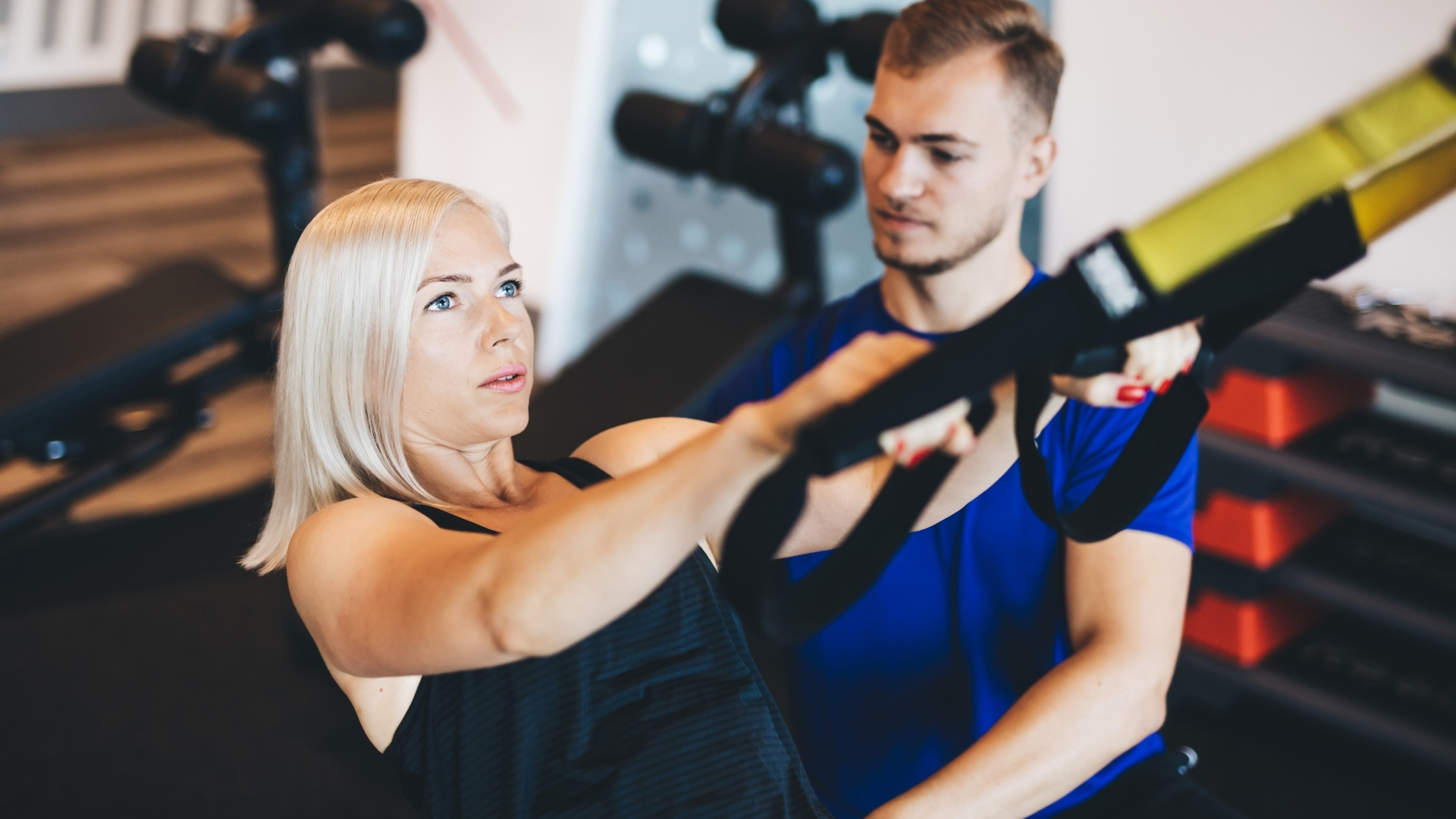
If you’re a shy personal trainer or an introvert thinking about training clients one-on-one, you’re not alone and you are not automatically at a disadvantage. Many people considering personal training worry that not enjoying small talk or constant social interaction will hold them back in the gym. In reality, personal training is far less about being outgoing and far more about structure, focus, and the ability to guide someone safely and effectively toward their goal.

Who This Article Is For

This article is for:

  • New or aspiring personal trainers who are introverted or shy

  • Trainers who prefer one-on-one coaching over group classes

  • People considering personal training as a side job or weekend role

  • Trainers who want results without forcing a high-energy persona

Can a Shy or Introverted Person Be a Successful Personal Trainer?

Yes. Shy or introverted people can be successful personal trainers, especially in one-on-one settings.

Personal training does not require being outgoing or talkative. It requires clear instruction, attention to detail, and the ability to help clients feel supported and safe. Many introverted trainers excel in one-on-one settings because they listen well, stay focused, and coach with intention rather than constant conversation.

This is exactly what many clients want.

What Personal Training Actually Requires (And What It Doesn’t)

Personal training requires:

  • Clear communication

  • Attention to movement and technique

  • Consistency

  • Trust

  • Accountability

It does not require:

  • Constant conversation

  • Entertaining clients

  • High-energy social behavior

  • Small talk for an entire session

Most clients care far more about whether they feel guided and supported than whether the trainer is talkative.

Why Introverts Often Struggle With the Wrong Part of the Fitness Job

Introverted trainers often assume they must “be more social” to succeed. That belief creates unnecessary pressure and anxiety.

The real issue is not introversion.
The issue is unstructured interaction.

When conversation has no purpose, it feels awkward. When interaction is structured, it feels professional.

How to Be a Personal Trainer Without Small Talk

Small talk is optional. Purposeful communication is not.

Clients hire trainers for guidance. That includes:

  • Explaining what to do

  • Giving clear, concise cues

  • Correcting form

  • Progressing exercises safely

You are not required to fill silence. Rest periods exist for recovery, not conversation. Many clients prefer a trainer who allows quiet focus rather than forced chatter.

What Many Clients Prefer in a Personal Trainer

Many clients report that they prefer trainers who:

  • Do not talk excessively during workouts

  • Give clear, concise instructions

  • Allow rest periods without pressure to converse

  • Stay focused on form and progress

  • Are professional

  • Are sincerely invested in helping people achieve their fitness goals

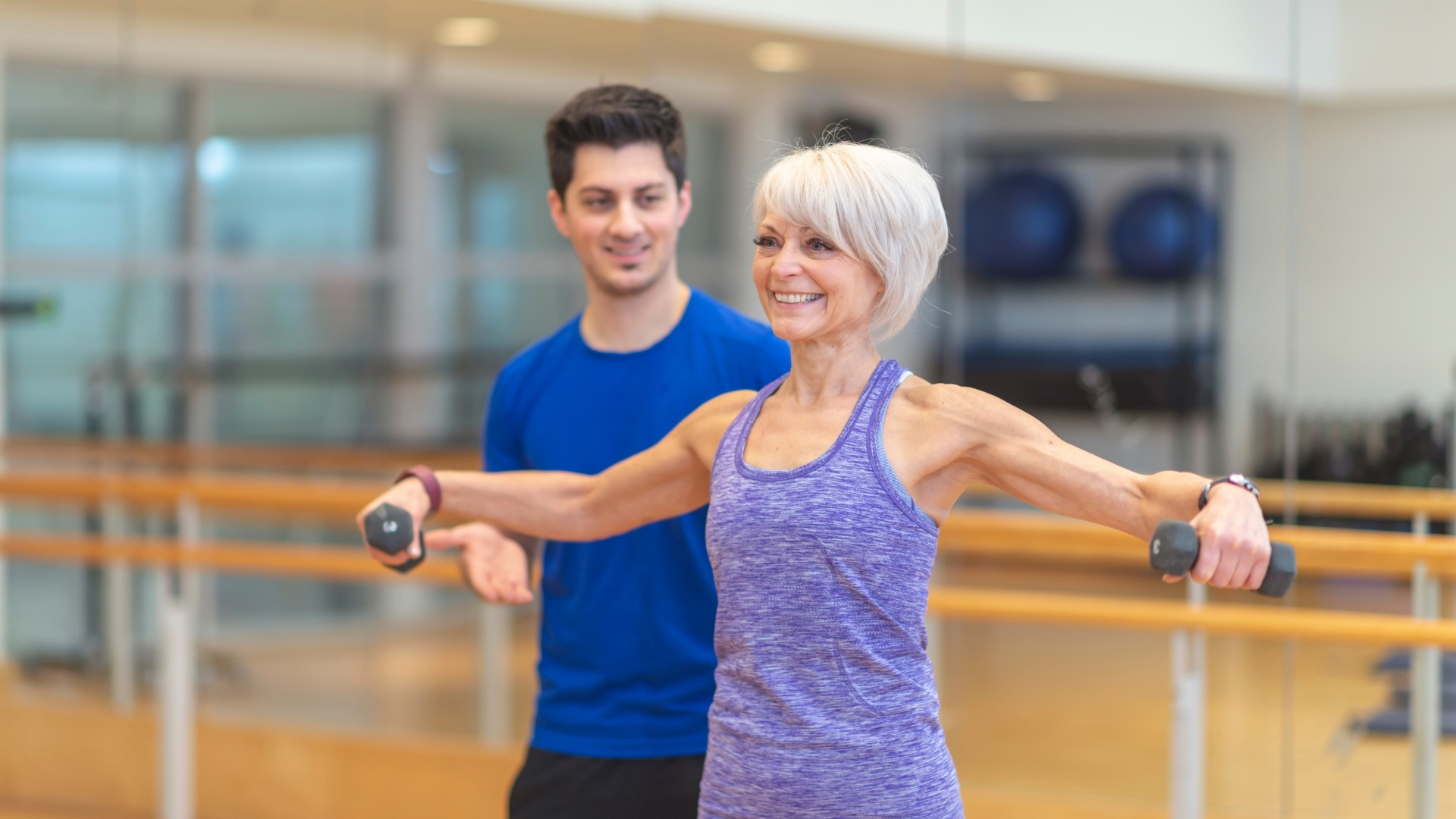
For beginners, older adults, or clients returning after injury, a calm and attentive trainer often feels more professional and reassuring than a highly social one.

A Simple Fitness Training Session Structure That Reduces Social Anxiety

Structure removes uncertainty, which reduces anxiety for both trainer and client.

A simple session flow:

  • Brief check-in: “How did your body feel after the last session?”

  • Session goal: “Today we’re working on lower-body strength.”

  • Coaching during sets: Short cues and specific feedback

  • Rest periods: Silence is fine

  • Wrap-up: “Here’s what to expect at the next workout.”

This keeps communication professional, efficient, and predictable.

A Simple First-Session Script for Shy Personal Trainers

You do not need to improvise conversations. A simple script like this one works:

  • “Today I’ll walk you through each movement and explain what we’re doing as we go.”

  • “Let me know if anything feels uncomfortable.”

  • “We’ll keep things focused and adjust on the fly as needed.”

Giving clear expectations reduces anxiety for both the trainer and the client.

Actionable Tips for Shy or Introverted Personal Trainers

  • Use a consistent session template

  • Prepare coaching cues in advance

  • Ask purposeful, professional questions

  • Allow silence during rest periods

  • Focus on outcomes, not likability

  • Accept that not every client is a fit

Common Myths About Shy or Introverted Personal Trainers

Myth: You have to be outgoing to succeed as a personal trainer
Reality: Clients care more about results, safety, and trust than personality type.

Myth: Silence makes clients uncomfortable
Reality: Most clients are focused on breathing, effort, or recovery during rest periods.

Myth: Introverts are bad at motivating clients
Reality: Motivation comes from clarity, progress, and accountability, not volume.

Frequently Asked Questions

Can shy people be good personal trainers?
Yes. Many shy or introverted people are excellent personal trainers, especially in one-on-one settings where listening and attention matter more than being outgoing.

Is personal training hard for introverts?
It can be challenging if you believe you must be constantly social. With structure and clear communication, many introverts find personal training fits their strengths well.

Do personal trainers need to be outgoing?
No. Personal trainers need to be knowledgeable, attentive, and reliable. Being outgoing is optional, not required.

Final Thoughts

Introversion is not a weakness in personal training. Trying to hide it is.

If you are prepared, observant, and intentional, your personality becomes an asset rather than a barrier.

Written by Joe Cannon, MS, a fitness educator with 30 years of experience working one-on-one with clients, including many who prefer focused, low-chatter training environments.

Learn More

The Missing Link in Client Results

Mobility and recovery equipment in a fitness studio Personal Training

Every fitness professional has seen it happen. A client shows up consistently. They train hard. They follow the plan. And then one day, the progress stops.

They’re not getting weaker or less motivated, but the results slow down, stall, or completely plateau. And no matter how many times you adjust reps, sets, or load, nothing seems to break through.

The truth is simple:

Many clients aren’t missing intensity. They’re missing mobility, stability, and intentional recovery.

These three foundational pillars are not “extras” or “nice-to-have” components of fitness. They are the missing link preventing many clients from moving better, feeling better, and unlocking their full performance potential. Let’s break down why.

01

Mobility Unlocks Access to Movement

Mobility isn’t just flexibility. It’s functional movement quality, the ability to access a range of motion with control.

When clients lack mobility, they compensate.

Tight Hips

Tight hips lead to low-back pain.

Limited Thoracic Rotation

Limited thoracic rotation leads to shoulder issues.

Immobile Ankles

Immobile ankles lead to poor squats and inefficient gait.

And here’s the catch:

You can’t strengthen a range that doesn’t exist.

Improved Mobility Helps Clients
  • Move with greater ease
  • Reduce pain and stiffness
  • Improve form and technique
  • Increase the effectiveness of strength training

No mobility, no progress.

02

Stability Is the Foundation for Strength

Stability is what allows clients to control movement under load. It’s the difference between “doing the exercise” and “owning the exercise.”

Without Proper Stability, Clients Experience
  • Energy leaks
  • Compensatory patterns
  • Poor alignment
  • Increased injury risk

Most plateaus stem from the body protecting itself, stopping progress when it senses instability.

By improving core strength, joint stability, muscle activation, and motor control, clients can safely generate more power, move more confidently, and finally break through those plateaus.

03

Recovery Creates Adaptation

Clients often assume that more work equals more results. But fitness professionals know the truth:

Training creates stress. Recovery creates progress.

When clients don’t incorporate recovery practices such as stretching, breathwork, mobility flows, meditation, or restorative movement, their nervous system stays stuck in “go mode.” This prevents the body from repairing tissue, restoring energy, and integrating strength gains.

Intentional Recovery
  • Enhances performance
  • Improves sleep and mood
  • Reduces chronic tension
  • Supports mental wellness
  • Helps clients stay consistent

Better recovery equals better results, every time.

04

Why Mind-Body Training Is Essential for Every Fitness Professional

Clients aren’t looking for more “hard work.” They’re looking for:

  • Reduced stress
  • Fewer aches and pains
  • Better energy
  • Improved movement
  • Sustainable long-term progress

Mobility, stability, and recovery-based modalities like yoga, Pilates, and guided stretching fill the gaps traditional training leaves behind.

When you understand the principles behind mind-body movement, you elevate your coaching, enhance your programming, and give clients what they actually need to thrive.

Jessica H. Maurer
About the Author

Jessica H. Maurer is an award-winning keynote speaker and the author of The Happiness Handbook: A Guide to Designing Joy. Named the 2026 IDEA Fitness Leader of the Year, she has spent her career educating fitness professionals as a master trainer and course creator, and she now helps organizations move their people from exhausted to energized. Her guided journal pairs the science of happiness with small, everyday actions that make joy easier to find.

Ready to Help Clients Break Through Plateaus for Good?

Expand your expertise with certifications that strengthen movement quality, enhance recovery, and improve long-term results.

  • Yoga Instructor Certification
  • Power Vinyasa Yoga Certification
  • Mat Pilates Certification
  • Stretching for Flexibility, Function & Strength Certification
Register Today

Start offering the missing link your clients have been waiting for.

What Every Trainer Should Know About Mental Wellness

Mental wellness for fitness professionals Mental Wellness

The Numbers Don’t Lie

94%of personal training clients regularly discuss nutrition, stress, sleep, and injury with their trainers.
78%of people prioritize exercise for mental and emotional well-being.
89%of peer-reviewed studies confirm a positive, statistically significant link between physical activity and mental health.

These numbers tell a clear story: fitness professionals are already at the forefront of mental wellness. Clients aren’t just showing up for physical transformation, they’re seeking emotional balance, stress relief, and resilience. Yet, most trainers were never formally educated on how to support these needs.

It’s time to redefine what it means to be a fitness professional. By understanding the science of mental wellness and incorporating evidence-based strategies for movement, nutrition, social connection, and mindfulness, trainers can expand their influence far beyond the gym floor.

01

The Dual-Continuum Model of Mental Wellness

Traditionally, mental health has been understood on a single horizontal axis from illness to wellness. But this limited view suggests that being well simply means being free from mental illness.

The dual-continuum model offers a deeper, more dynamic understanding. It introduces a second, vertical axis representing mental wellness, from languishing at the bottom to flourishing at the top.

FLOURISHING LANGUISHING Flourishing thriving, fulfilled, resilient Thriving with a mental health challenge Feeling “off” without a diagnosis Languishing with a mental health challenge MENTAL ILLNESS NO MENTAL ILLNESS
Mental illness and mental wellness sit on two separate axes.
Flourishing

Individuals who are thriving, fulfilled, and resilient, living with purpose and emotional vitality.

Languishing

Individuals who may not have a diagnosable condition but still feel disconnected, stagnant, or unmotivated.

This model highlights a critical truth:

It’s possible to experience mental health challenges while still living a thriving life and to feel off even without clinical illness.

For fitness professionals, this means your role extends beyond physical conditioning. You have the power to help clients move from languishing to flourishing through the science of movement, connection, and recovery.

02

The Research Behind Movement and Mental Wellness

Research from the Global Wellness Institute and leaders like Dr. Gerry Bodeker demonstrates how fitness-related practices can support both axes of mental health, reducing illness while promoting flourishing.

Key Evidence-Based Pillars Every Trainer Should Understand

1

Exercise

Exercise is one of the most powerful tools for mental health.

  • Studies including the John W. Brick Foundation’s Move Your Mental Health report show that regular aerobic and strength training can reduce symptoms of depression and anxiety by up to 25%.
  • Physical activity boosts neurotransmitters like serotonin and dopamine, which regulate mood, motivation, and energy levels.
2

Nutrition

Nutrition has a strong connection to mental wellness.

  • Research from the Journal of Clinical Psychiatry (2017) shows that omega-3 fatty acids reduce depressive symptoms.
  • Studies in Nature Microbiology (2019) highlight how improving gut health can ease anxiety and depression.
Scope of Practice

Trainers can use this information to guide general nutrition conversations within their scope of practice.

3

Mindfulness and Meditation

Mindfulness-based practices like yoga, breathwork, and guided meditation help reduce stress and increase emotional regulation.

  • A JAMA Internal Medicine (2014) meta-analysis confirmed that regular mindfulness programs significantly decrease anxiety and depression.
Try This

Integrating a mindful minute at the start or end of class can enhance both physical and mental outcomes.

4

Social Connection

Humans thrive in connection.

  • Group fitness, partner workouts, and community-building events improve adherence and elevate mood and emotional well-being.
  • When clients feel seen and supported, they are more likely to flourish in and out of the gym.
03

Bridging the Gap: Fitness Professionals as Mental Wellness Advocates

Fitness professionals are uniquely positioned to support both axes of mental wellness:

Mental Illness Prevention

Helping reduce stress, anxiety, and burnout

Mental Flourishing

Helping clients build joy, purpose, and resilience

By combining movement science with empathy, structure, and community, trainers can influence total well-being, not just body composition. Your work already supports mental wellness, now it’s time to do it intentionally, confidently, and within your professional scope.

Conclusion

Mental wellness is not just the absence of struggle, it’s the presence of vitality, balance, and joy. The dual-continuum model helps us see that true well-being involves both preventing mental illness and promoting human flourishing.

As fitness professionals, you are in a powerful position to guide that journey. By integrating exercise science with holistic wellness practices, you can help every client move closer to thriving in body, mind, and spirit.

It’s time to redefine what fit really means.

Jessica H. Maurer
About the Author

Jessica H. Maurer is an award-winning keynote speaker and the author of The Happiness Handbook: A Guide to Designing Joy. Named the 2026 IDEA Fitness Leader of the Year, she has spent her career educating fitness professionals as a master trainer and course creator, and she now helps organizations move their people from exhausted to energized. Her guided journal pairs the science of happiness with small, everyday actions that make joy easier to find.

Keep Growing as a Fitness Professional

Explore AAAI Fitness certifications, workshops, and continuing education opportunities to keep growing as an educator, coach, and fitness professional.

See Upcoming Workshops

What's Next?

5 Reasons Your Fitness Career Stalled (and How to Restart It)

You started strong. Maybe you were teaching packed classes or training clients back-to-back. But now things feel… stuck. If your fitness career has lost its spark, you’re not alone. Many instructors and trainers hit a wall at some point—whether it’s burnout, lack of direction, or just the changing industry.

Here’s the good news: your passion didn’t disappear—it just needs a new plan. Let’s break down 5 common reasons fitness careers stall—and how to get back on track.


1. You’re Relying on One Certification or Format

You got certified. You started working. But now you feel boxed in. Sound familiar?

Many pros make the mistake of staying in their original lane—never branching into new populations, modalities, or specialties. But growth in the fitness industry often means expanding your skillset.

Restart Strategy:
Consider adding certifications that open up new opportunities. AAAI/ISMA offers more than 30 live workshops, including:

Older Adult Fitness Trainer Certification – Tap into one of the fastest-growing populations in fitness.

Strength & Weight Training Consultant Certification – Learn to design and teach strength programs for all levels confidently.

Expanding your toolbox means increasing your income and impact.

2. You’re Burned Out or Bored

Even when you love what you do, the grind of teaching and training can wear you down. Especially if you’re repeating the same format, playlist, and style every week.

Restart Strategy:
Get re-inspired with a specialty certification that shifts your energy. Learning something new, like Personal Fitness Training or virtual training methods, can reignite your creativity—and remind you why you started.

Pro tip: Take a workshop with a passionate educator. AAAI/ISMA’s faculty all have advanced degrees and real-world experience. You’ll leave feeling fired up, not drained.

3. You’re Not Keeping Up with Industry Changes

What worked in 2015 doesn’t always work in 2025. Clients are looking for hybrid options, inclusive language, mental health awareness, and real-life solutions.

Restart Strategy:
Make it your mission to stay current. Certifications aren’t just for beginners—they’re for professionals who want to stay relevant. Attend a live AAAI/ISMA workshop to stay connected with what’s now—not what’s old.

4. You’ve Been Playing It Safe

Are you stuck in the same classes or clients out of comfort? Growth doesn’t come from routine—it comes from taking strategic risks.

Restart Strategy:
Try teaching in a new environment (like corporate wellness or virtual classes), training a new population (older adults, strength beginners, postnatal clients), or even offering something solo, like a bootcamp or specialty series.

Certifications can give you the confidence and credibility to make that leap—without guesswork.

5. You’re Missing Community + Support

Being a fitness pro can be isolating—especially if you’re freelance or teaching on your own. And when you’re in your head all the time, it’s easy to lose momentum.

Restart Strategy:
Surround yourself with others who are in it with you. AAAI/ISMA workshops aren’t just educational—they’re energizing. You’ll meet other passionate pros, share ideas, and walk away with more than just CEUs—you’ll gain momentum.


Final Thoughts

If your career feels stuck, it doesn’t mean you’ve failed—it means you’ve outgrown the old version of your work. And that’s a good thing. With the right support, education, and strategy, you can reinvent your fitness journey without starting from scratch.

Explore upcoming workshops and certifications from AAAI/ISMA

You don’t need to hustle harder—you just need a new direction. Let’s help you find it.

Busting 3 Strength Training Myths

Despite decades of progress in fitness education, strength training is still surrounded by outdated myths that prevent people from getting started—or getting the most from their workouts. Whether you’re a seasoned fitness pro or just stepping into your certification journey, it’s time to set the record straight.

Here are the top 3 myths we hear over and over—and the truth every AAAI/ISMA-certified professional should know and share.

Myth #1: Strength Training Makes You Bulky

This is the myth that just won’t die—especially among women. But here’s the truth: building large muscle mass requires intentional programming, high training volumes, and significant caloric surplus. For the average person doing resistance training a few times per week, the real benefits include:

  • Increased muscle tone and definition

  • Improved metabolism and fat loss

  • Greater bone density and injury prevention

If you’re educating clients or just starting to train, the AAAI/ISMA Personal Fitness Trainer Certification equips you with the tools to confidently address common concerns and build individualized strength-based programs that support long-term success.

Myth #2: You Have to Lift Heavy to See Results

Yes, progressive overload is key to muscle growth and strength gains—but that doesn’t always mean maxing out. Lifting heavy is just one tool in the toolbox. Strength can be developed through:

  • Bodyweight exercises

  • Resistance bands

  • Light-to-moderate loads with higher volume

  • Unilateral training that challenges stability and control

For those working with diverse populations—especially aging clients or individuals with mobility challenges—the Older Adult Fitness Trainer Certification teaches how to safely modify strength workouts and deliver powerful results without heavy loads. It’s ideal for trainers who want to support functional aging through safe, scalable movement.

Myth #3: Cardio Is Better for Fat Loss Than Strength Training

While cardio can burn more calories in the moment, strength training provides a longer-term metabolic benefit by building lean muscle mass. That muscle mass increases resting metabolic rate—meaning your body burns more calories at rest.

Plus, strength training improves insulin sensitivity, hormonal balance, posture, and joint health—all key elements in sustainable fat loss and overall wellness.

The Strength & Weight Training Consultant Certification goes deeper into the science of resistance training, including how to strategically build programs for fat loss, performance, and muscular development. This is the next step for anyone looking to specialize in progressive strength programming and offer more advanced support to clients.

Final Thoughts for Fitness Pros

As AAAI/ISMA-certified professionals, part of our job is myth-busting. When we educate clients with clarity and confidence, we help them make informed choices—and we position ourselves as trusted guides in their fitness journey.

Strength training is one of the most valuable tools we have. Let’s use it—and teach it—with accuracy, purpose, and passion.

Whether you’re just starting out or looking to level up, explore certifications like:

  • Personal Fitness Trainer Certification

  • Older Adult Fitness Trainer Certification

  • Strength & Weight Training Consultant Certification

These courses aren’t just about credentials—they’re about confidence, credibility, and creating lasting client impact.

👉 Learn more or register today.

5 Reasons a Certification Will Make You a Better Fitness Coach

Anyone can lead a workout. But coaching? That takes knowledge, skill, strategy—and heart. If you’re passionate about fitness and helping others reach their goals, a personal training certification isn’t just a box to check—it’s your gateway to true coaching excellence. Here’s why:

1. It Deepens Your Understanding of the Human Body

To coach effectively, you need more than just a love of movement—you need to understand how the body works. A quality certification like the AAAI/ISMA Personal Fitness Trainer course gives you a foundational education in muscle anatomy, physiology, kinesiology, and biomechanics. This means you’ll know why an exercise works, how to cue it safely, and what modifications are best for each individual. That kind of knowledge builds confidence—for you and your clients.

2. It Moves You Beyond Generic Workouts to Personalized Programs

With certification, you’ll go from dishing out cookie-cutter routines to designing effective, personalized programs. Through the AAAI/ISMA course, you’ll learn program design, including reps, sets, loads, and periodization strategies. You’ll understand how to tailor fitness plans to match your client’s goals, limitations, and fitness levels—and how to evolve those plans over time.

3. It Sharpens Your Assessment and Coaching Skills

A great coach doesn’t just lead movement—they evaluate it. Certified trainers are trained in fitness assessments, giving you the tools to observe movement patterns, identify imbalances, and measure progress. The AAAI course covers client evaluation techniques, helping you turn observations into clear strategies and coaching cues that improve form, reduce injury risk, and boost results.

4. It Equips You with Science-Based Knowledge, Not Guesswork

Coaching with confidence means understanding the why behind your choices. AAAI’s certification includes exercise physiology, cardiovascular conditioning, and nutrition basics, so your decisions are rooted in real science—not just trends or hearsay. This level of professionalism separates credible coaches from enthusiastic hobbyists.

5. It Establishes Trust and Credibility with Clients and Employers

Would you trust a dentist without a license? Probably not—and clients feel the same about personal trainers. A certification from a recognized organization like AAAI shows that you’re educated, committed, and serious about your role. It gives clients peace of mind and gives you the credibility to work in gyms, studios, or even launch your own training business.

The Bottom Line:
Getting certified is the first step to becoming a great coach—not just someone who leads workouts but inspires, educates, and transforms lives.

The AAAI Fitness Personal Fitness Trainer Certification is a powerful launchpad for this journey. It delivers the tools, science, and structure you need to coach with excellence—starting with the essentials and building toward a lifelong, rewarding career in fitness.

Ready to level up? Your coaching evolution starts here.

3 Reasons to Get Your Personal Fitness Trainer Certification

If you’re passionate about health and fitness and ready to turn that passion into a profession, choosing the right certification is your first big step. With so many organizations offering fitness credentials, it can feel overwhelming to pick the right one. That’s where the American Aerobics Association International / International Sports Medicine Association (AAAI/ISMA) stands out. 

Known for decades of education excellence, this organization provides a no-fluff, real-world-ready certification that opens doors. Here are three reasons why getting certified through AAAI/ISMA might be the best move for your fitness career.

1. Established, Respected, and Affordable

AAAI/ISMA has been a trusted name in fitness education since 1979. With over 85,000 certified professionals worldwide, this organization has a long-standing reputation for providing credible, practical education at an affordable price point. Unlike many programs that charge hundreds—or even thousands—of dollars for certification, AAAI/ISMA keeps pricing accessible without sacrificing quality. Whether you’re a recent graduate, switching careers, or a seasoned instructor expanding your skills, this certification gives you the credentials you need without breaking the bank.

2. In-Person Education That Prioritizes Application

In an age of click-and-print certifications, AAAI/ISMA keeps education grounded in what really matters: hands-on learning, real-time feedback, and applicable skills. Their live and virtual workshops allow you to interact directly with master trainers, ask questions in the moment, and practice cueing, coaching, and correcting techniques. This isn’t just about passing a test—it’s about learning to actually train clients safely and effectively. And when you walk away, you’re not just certified—you’re confident.

3. A Pathway for Growth in the Fitness Industry

AAAI/ISMA offers more than just a single certification. Once you start, you can build your fitness résumé with specialty courses in strength training, senior fitness, sports conditioning, yoga, wellness coaching, and more. It’s a one-stop-shop for professional development. This structure supports long-term career growth, whether you’re working in a gym, going solo as a trainer, or expanding into wellness coaching or group fitness. Plus, the continuing education credits (CECs) you earn are recognized by many other organizations—making it easy to stay current and connected.


Final Thoughts

Getting certified is more than checking a box—it’s the foundation of your fitness career. With a deep-rooted history, an emphasis on hands-on learning, and a clear path to growth, AAAI/ISMA provides a solid starting point for aspiring trainers who want to stand out with both skill and integrity.

Whether you’re just beginning or looking to level up, this is your moment to turn passion into purpose—with the right certification behind you. Join us today.

0