Three Coaching Habits That Turn Clients Into Long-Term Relationships

In the fitness industry, great workouts matter. But the trainers who truly build careers are the ones who build relationships.

In a recent interview with Chavez Green, we talked with a seasoned fitness professional about what actually keeps clients coming back year after year. His insights reveal that successful trainers aren’t just program designers. They are listeners, professionals, and problem solvers who know how to create trust.

Here are three powerful takeaways from the conversation that every trainer can use immediately.
1. Start With the Client’s “Why”

Too many trainers jump straight into programming without fully understanding the person standing in front of them.

Strong relationships start with curiosity.

“Getting to know your client… getting to know who they are and why they’re there, because they’re coming to you for some type of solution.”

That means asking thoughtful questions during the initial assessment and continuing those conversations over time. Clients change. Their goals evolve. Life happens.

Your role is to stay connected to their motivations so you can guide them through those shifts.

He also emphasizes the importance of documenting what you learn:

“If you can’t measure it, you can’t manage it… it’s important to have those measurables and always go back to their why.”

Great coaches don’t rely on memory alone. They track progress, record feedback, and revisit the reasons a client started in the first place.

2. Coaching Requires Consent, Communication, and Professionalism

Correcting form is one of the most common challenges new trainers face. But the solution isn’t just better technical knowledge.

It’s communication.

Before stepping in to assist or adjust a client, he recommends asking permission and demonstrating the movement first.

“You always ask for some type of consent first… ‘Hey, I’m going to step in here. Are you okay with that?’”

This approach does three things:

  • Builds trust

  • Respects personal boundaries

  • Reinforces your professionalism

Even though the environment may feel casual, trainers still operate in a professional setting.

“Never forget the level of professionalism that you’re there to have with them… it is still a place of work.”

Clients want expertise, but they also want to feel safe, respected, and supported.

3. Customer Service Is the Real Secret to Success

Technical skills may open the door, but customer experience is what keeps it open.

According to the interview, the most successful trainers treat personal training like the service industry that it is.

“The first thing is the customer service aspect. We’re in a service industry.”

That includes everything from organization to communication and preparation.

Showing up on time, having equipment ready, and planning sessions in advance sends a powerful message to clients.

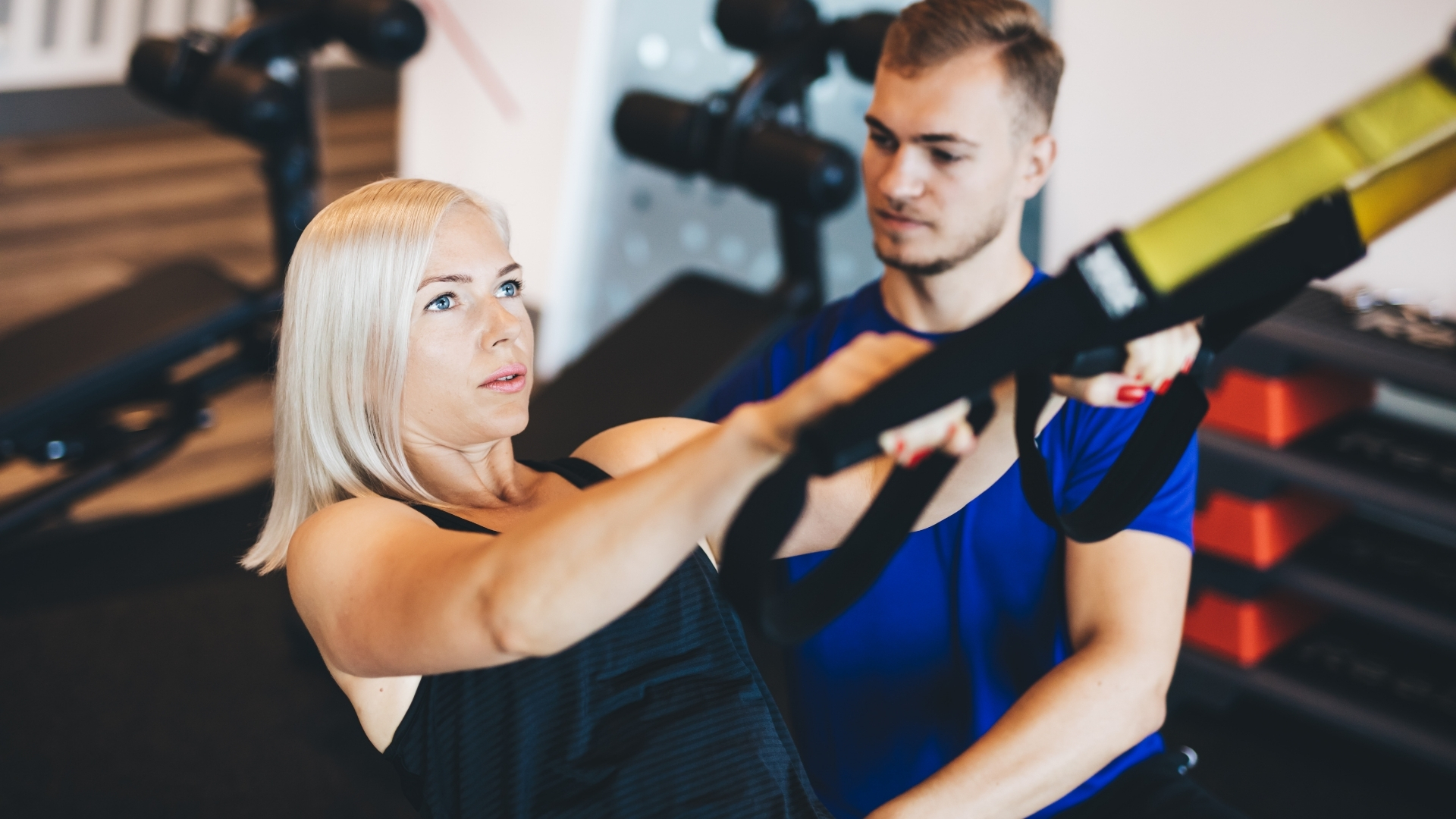
“I already had the bench set up, I had the resistance bands out already… I was already prepared so we could flow right into the workout.”

When clients see that level of preparation, they know you value their time and their goals.

And when communication is clear, trust grows even stronger.

“Every client should feel special… make their experience unique.”

Because at the end of the day, clients aren’t just buying workouts.

They’re choosing you.

Want More Insights From the Interview?

These three lessons are just a snapshot of the full conversation.

🎥 Watch the complete interview to hear more practical insights on coaching, client motivation, and building a successful career in fitness.

And if you’re ready to strengthen your foundation as a trainer, explore AAAI Fitness’s upcoming certifications and workshops designed to help you master coaching, program design, and client relationships.

Your next level as a coach starts with the right education.

Keep Learning
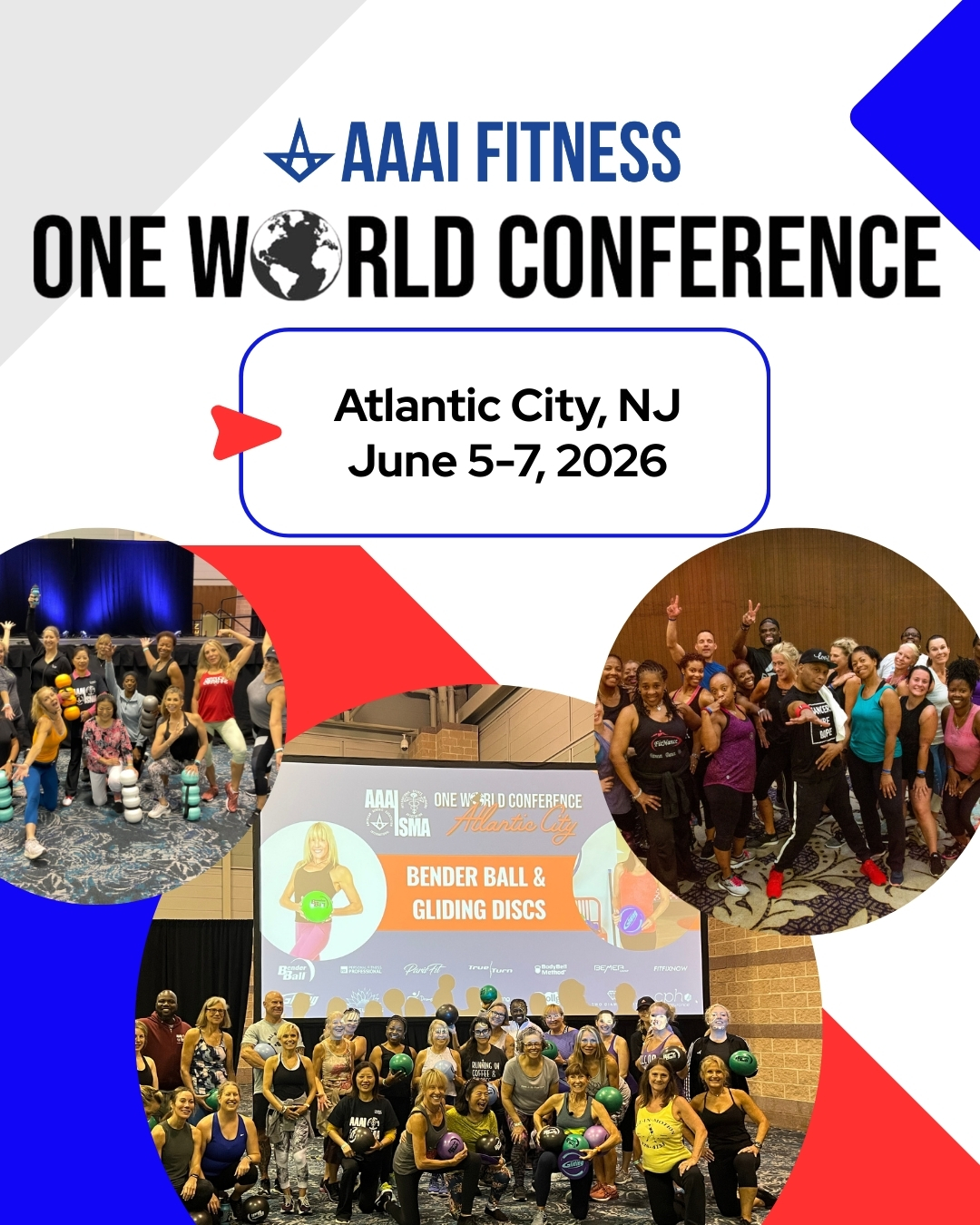
AAAI Fitness One World Conference in Atlantic City

AAAI Fitness One World Conference in Atlantic City

If you’ve ever wanted to grow your expertise, expand your network, and take your career to the next level, AAAI Fitness One World in Atlantic City is the event for you. And good news! Registration is now open! This isn’t just another fitness conference. The One World...

AAAI Fitness One World Conference in Atlantic City

If you’ve ever wanted to grow your expertise, expand your network, and take your career to the next level, AAAI Fitness One World in Atlantic City is the event for you. And good news! Registration is now open!

This isn’t just another fitness conference. The One World Conference is an immersive experience designed to provide professional trainers, group fitness instructors, and wellness experts with practical tools, certifications, and strategies they can apply immediately in their practice.

This three-day event brings together top fitness experts, educators, and industry leaders to help you elevate your career and expand your skillset.

Meet Your Presenters 

You’ll learn from a world-class lineup of fitness professionals, including:

  • Todd Bezilla, M.Ed. D.O.

  • Mindy Mylrea

  • Phil Ross, M.S.

  • Scott Cole 

  • Christine Conti, M.Ed.

  • Anne Wilkinson, Ph.D. 

  • Joanne Smith-Tavener, M.Ed., CSCS*D 

  • Joe Cannon, M.S. 

  • Ian Heim 

  • Mike Rickett, M.S.

  • Kris Kory 

  • John Preston


Why Attend

AAAI Fitness One World Conference isn’t about watching presentations; it’s about doing, learning, and building your career. Here’s what you’ll gain:

  • Hands-on workshops and certifications across personal training, group fitness, and specialty areas

  • Strategies for retention, client engagement, and wellness coaching that you can implement immediately

  • Networking opportunities with top professionals and peers in the field

  • Expert guidance from instructors who have decades of experience

When you attend AAAI Fitness One World Conference, you’re investing in more than a weekend—you’re investing in the skills, knowledge, and connections that propel your career forward.

Don’t miss your chance to learn from the best, grow your expertise, and expand your professional network in Atlantic City. Register today and join us for an unforgettable experience.

Grow With Us

AAAI Fitness One World Conference in Atlantic City

AAAI Fitness One World Conference in Atlantic City

If you’ve ever wanted to grow your expertise, expand your network, and take your career to the next level, AAAI Fitness One World in Atlantic City is the event for you. And good news! Registration is now open! This isn’t just another fitness conference. The One World...

Why Personal Training Clients Quit and How Trainers Can Prevent It

If you have ever watched a client start strong and gradually disengage after a few weeks, you are not alone. This pattern is common across personal training, and it is rarely the result of laziness or lack of motivation. More often, routines fall apart for predictable, human reasons. Schedules change. Stress accumulates. Energy fluctuates. What once felt manageable becomes overwhelming.

The issue is not discipline. The issue is design.

Training routines fail when they are built for ideal conditions rather than real life. If we want better retention, stronger adherence, and meaningful long-term results, we must move beyond sets and reps and begin coaching routines that account for the whole human.

Sustainable consistency is flexible, structured, and resilient. It adapts under pressure instead of breaking. The following strategies reflect how professional trainers can design routines that support consistency, engagement, and real behavior change.

1. Anchor Consistency With Non-Negotiable Behaviors

One of the most common programming mistakes is attempting to change too much at once. Early motivation often leads clients to overcommit, which increases the likelihood of burnout and disengagement.

Instead, effective trainers help clients establish three to five non-negotiable behaviors. These anchors are simple, repeatable actions that remain in place even during high-stress periods. Examples include attending scheduled sessions, completing a short walk on non-training days, prioritizing hydration, or maintaining a consistent sleep window.

Anchors shift the focus from perfection to reliability. When these behaviors stay intact, clients no longer feel as though they are constantly starting over. Progress becomes stable rather than fragile, which builds confidence and improves retention.

2. Reduce Overwhelm Through Time Structure

Many clients struggle with consistency not because they lack effort, but because their days are cognitively overloaded. Decision fatigue, constant multitasking, and unclear priorities drain the mental energy required to follow through on training.

Introducing basic time structure can significantly improve adherence. This may include training at consistent times each week, pairing workouts with existing routines, or clearly separating work, movement, and recovery blocks.

When fitness becomes part of a predictable rhythm rather than another decision to manage, clients are more likely to remain consistent over time.

3. Use Rituals to Support Behavioral Transitions

Transitions are often overlooked in routine design. Shifting from work to training, from training to recovery, or from busy days to rest can feel abrupt and mentally taxing.

Small, intentional rituals help bridge these transitions. A brief warm-up walk, a post-session breathing reset, or evening mobility paired with music can signal the body and nervous system to shift states.

These rituals create familiarity and emotional safety around training. When fitness feels grounding rather than disruptive, clients are more likely to stay engaged.

4. Normalize High-Energy and Low-Energy Days

Consistency does not require the same output every session. When clients believe they must perform at peak levels at all times, they often disengage during periods of lower energy.

Professional coaching accounts for variability. Higher-energy days may emphasize load, volume, or complexity. Lower-energy days may focus on mobility, lighter movement, or shorter sessions while maintaining core anchors.

This approach removes guilt, preserves momentum, and reinforces the idea that staying connected matters more than intensity alone.

5. Design Routines That Allow for Disruption

Life interruptions are inevitable. Work demands, family responsibilities, illness, and emotional stress will occur. Routines that are overly rigid tend to collapse when disruptions arise.

Encouraging clients to build buffer time around sessions and commitments reduces stress and minimizes all-or-nothing thinking. Flexible routines recover more quickly after interruptions, which supports long-term adherence.

Why This Approach Improves Retention and Results

These strategies work because they prioritize sustainability over short-term intensity. They reduce cognitive load, protect energy, and help clients feel capable rather than perpetually behind.

At a professional level, our impact extends beyond physical adaptation. We help clients develop trust in themselves and confidence in their ability to follow through. When routines are designed for real life, clients remain consistent longer, achieve better outcomes, and maintain stronger coaching relationships.

Fitness is not meant to control a client’s life. It is meant to support it.

When trainers design routines with flexibility, structure, and intention, consistency becomes achievable, progress becomes sustainable, and retention becomes a natural outcome of professional practice.

Build a Stronger Career

AAAI Fitness One World Conference in Atlantic City

AAAI Fitness One World Conference in Atlantic City

If you’ve ever wanted to grow your expertise, expand your network, and take your career to the next level, AAAI Fitness One World in Atlantic City is the event for you. And good news! Registration is now open! This isn’t just another fitness conference. The One World...

Personal Trainer Interview Tips (Part 3)

By now, you’ve learned in Part 1 why gyms hire for trust, professionalism, and communication over certifications alone, and in Part 2 how to navigate the interview conversation, answer tricky questions, and present yourself as a confident, coachable professional.

Part 3 takes things onto the gym floor. We’ll break down what to expect during mock training sessions, what managers are really evaluating, and how to start your first 30 days on the job with confidence and credibility. By mastering this stage, you move from a strong candidate to a trainer they can’t wait to hire.

Critical Questions To Ask Before the Mock Training

Before the training session begins, ask these two important questions

  • “Can I assume the person is apparently healthy?
  • “Can I also assume the person has already completed all necessary paperwork, such as Waiver, PAR-Q, and a Health history form?”

99% of people will NOT ask these questions, so make sure you do. Asking these two questions sends a subtle message to the manager that you are focused on safety and looking out for the members – and the gym too.

During the mock training interview session, the manager will be looking for your ability to demonstrate:

  • Safety awareness
  • Clear verbal cues
  • Ability to regress exercises
  • Calm communication
  • Situational awareness

You can take the pretend client through a workout built around machines, kettlebell exercises, bodyweight movements, or free weights.

What to Do After the Interview to Increase Your Chances of Getting Hired

Following the initial sit-down interview, send a short follow-up note within 24 hours. While some recommend doing this by email to make a bigger impact, mail the note to the gym.

Address it to the person you met with, and on the card, say a few short professional words, such as “Mr. Smith, I just wanted to say how much I appreciated meeting with you the other day in regards to the personal trainer position at (use the gym’s name). I’m looking forward to hearing from you soon.”

Because 99% of applicants will not take this extra step, sending a follow-up note keeps you top of mind.

What Gyms Expect From You in the First 30 Days

This surprises many trainers.

Expect:

  • Floor hours
  • Shadowing more experienced trainers
  • Performing client assessments
  • Speaking to members (i.e., trying to sell your personal trainer services)
  • Performance observation (even if you are not aware it’s happening)

Understanding this makes you sound prepared and realistic during interviews.


Frequently Asked Questions

  • What should a personal trainer say in a gym interview? Clear, honest answers that show professionalism, communication skills, and an understanding of clients and business.
  • What should I bring to the interview? Your resume and copies of your fitness certs and any other certs (CPR, AED, First Aid, etc.) if you have them. Additionally, bring something to take notes with, such as a padfolio.
  • Do personal trainers need sales skills to get hired? It’s not always a deal-breaker, but at many big-box gyms, knowledge of ethical, education-based sales is something managers look for. Some gyms may provide training about this, so do ask about it.
  • How long does a personal trainer interview usually last? Most interviews last 30–60 minutes. The Mock Training interview is often held on a separate day and typically lasts 30 to 40 minutes, but can run up to an hour.

Final Thoughts on Personal Trainer Interviews

Succeeding in a personal trainer interview has far less to do with memorizing answers and far more to do with demonstrating professionalism, communication skills, and real-world readiness. Gym hiring managers are looking for trainers they can trust with members, systems, and the reputation of their facility. If you understand the business side of fitness, present yourself well online and in person, and demonstrate that you can coach, communicate, and learn, you immediately set yourself apart from most applicants. Approach the interview like a professional role, not a tryout, and your chances of getting hired as a personal trainer increase dramatically.

If you’re serious about working as a professional personal trainer, treat the interview process with the same preparation and intention you expect from your future clients.

Trainers who approach interviews this way tend to build longer careers, stronger client relationships, and more sustainable income in the fitness industry.

Written by Joe Cannon, MS, a fitness educator with 30 years of experience working one-on-one with clients, including many who prefer focused, low-chatter training environments.


Keep Learning

AAAI Fitness One World Conference in Atlantic City

AAAI Fitness One World Conference in Atlantic City

If you’ve ever wanted to grow your expertise, expand your network, and take your career to the next level, AAAI Fitness One World in Atlantic City is the event for you. And good news! Registration is now open! This isn’t just another fitness conference. The One World...

Personal Trainer Interview Tips (Part 2)

In Part 1 of this series, we covered what gym managers are really evaluating and why many qualified trainers still struggle to get hired. Once you earn an interview, the next step is to understand what hiring managers assess during the conversation.

A personal trainer interview is not a test of exercise science. It is a preview of how you will communicate with members, represent the brand, and function inside a service business. Most candidates walk into interviews prepared to answer questions. Strong candidates walk in prepared to have a professional conversation.

What to Wear to a Personal Trainer Interview 

Because the fitness industry is casual for the most part, a suit is not required – unless you are applying for a manager/GM position.  That said, ripped jeans are not appropriate.

Instead wear:

  • Clean shirt with color
  • Neutral colors
  • Shoes that are in good condition

If you look careless, managers assume your coaching will be careless with clients, too.

Common Personal Trainer Interview Questions

  • “How would you get clients?” They want to know if you understand that training is a service business.
  • “How do you handle unmotivated clients?” They are testing emotional intelligence, not exercise programming knowledge.
  • “Tell me about yourself.” Don’t blather. Instead, reply with “What specifically would you like to know about?”
  • “What certifications do you have?” They want to confirm insurance and floor eligibility. List your certifications on your resume, too.
  • “What would you do if a client stopped showing up?” They want retention strategies, not excuses.

Remember, gyms are a business. They need to generate revenue to pay their bills and remain in business. For example, explaining to a hesitant member how consistent training can reduce pain or improve daily function is a form of sales, even if it doesn’t feel like it.

That kind of education-driven approach is exactly how personal training departments generate recurring revenue. One of the largest sources of recurring revenue for a gym is the personal training department. This is why employers often choose a certified personal trainer with sales experience over one without it.

If you answer the sales question with “I don’t like sales,” the interview will probably end quickly.

That said, if you don’t have sales experience, you could reply with something like “Well, I know sales is about helping people find a solution to their problem. Since many of the gym’s problems relate to exercise and weight loss, I’m confident I can find a sustainable solution. Of course, I’m very receptive to any onboarding training you have to offer to sharpen my sales skills.”

Replying that way demonstrates to the interviewer that you are thinking clearly and open to learning more.

Introvert Fitness Trainers Have an Advantage in Interviews

Introverted trainers often outperform extroverted trainers in one-on-one settings. They listen better. They rush less. They build trust.

If you worry that being quiet hurts your chances, read this breakdown on how shy or introverted personal trainers succeed. Gyms do not just hire programs. They hire people.

Trainers who understand stress, boundaries, and motivation stand out immediately. This is why understanding mental wellness in fitness matters more than most trainers realize. Clients rarely quit workouts. They quit relationships.


Red Flags Gym Managers Notice Immediately

Hiring managers notice:

  • Chronic nervous over-talking
  • Lack of eye contact
  • Buzzword-heavy answers without clarity
  • Poor awareness of gym etiquette
  • Not understanding the gym’s clientele
  • Treating the role as “temporary”

These are silent deal-breakers. Try to avoid saying phrases like:

  • “This is a temporary job for me.”
  • “I had issues with my last manager.”
  • “I only want to train certain clients.”
  • “I plan to open my own studio in the near future.”
  • “I don’t like people.”
  • “I don’t like sales.”
  • “I don’t want to teach group fitness or work on the gym floor.”
  • “I want the job because it looks easy.”

Smart Questions to Ask at the End of the Interview

At some point, the hiring manager will ask, “Do you have any questions for me?” This is another opportunity for you to stand out from other applicants. Insightful questions to ask include:

  • Are your trainers employees of the gym or independent contractors?
  • Is there liability insurance coverage provided, or is that the trainer’s responsibility?
  • How are clients assigned?
  • How much of client acquisition is organic vs. trainer-driven?
  • What percentage of the training revenue split do trainers make?
  • How are cancellations, no-shows, and late clients handled?
  • How much do trainers make for floor time?
  • How many clients does the average trainer have per pay period?
  • Is there a minimum number of sessions trainers are expected to sell or conduct per month?
  • For the trainers who are employed here long-term, what do you feel they do differently?
  • What do you think are the reasons new trainers struggle or leave within the first year of employment?
  • What happens if a trainer works great with clients but struggles with sales early on?
  • What support systems are in place if a trainer is struggling with client retention?
  • What does success look like to you in the first 90 days?
  • What continuing education is supported?
  • How is my performance evaluated?
  • Walk me through the gym’s emergency procedures.

The goal is not to ask every question on this list, but to choose a few that matter most to you. Thoughtful questions demonstrate maturity, preparation, and genuine interest in the position.

Final Thoughts

Preparing for a personal trainer interview is about more than knowing your exercises or certifications. In Part 1 of this series, we explored the mindset shifts that separate trainers who get hired from those who don’t, including why gyms prioritize professionalism, communication, and trust over technical knowledge alone.

In this section, we’ve covered the practical elements of the interview: presenting yourself professionally, handling common questions, approaching sales with confidence, and asking thoughtful questions at the end. Paying attention to these details demonstrates that you understand the business side of fitness, can connect with clients, and are ready to contribute to the gym’s success.

Finally, in Part 3, we’ll take you onto the gym floor itself. You’ll learn what hiring managers evaluate during mock training sessions, how to shine while coaching, and what to expect during your first 30 days on the job. By following all three parts of this series, you’ll approach interviews with clarity, confidence, and the professional presence that sets you apart in today’s competitive fitness industry.

Written by Joe Cannon, MS, a fitness educator with 30 years of experience working one-on-one with clients, including many who prefer focused, low-chatter training environments.


Expand Your Practice

AAAI Fitness One World Conference in Atlantic City

AAAI Fitness One World Conference in Atlantic City

If you’ve ever wanted to grow your expertise, expand your network, and take your career to the next level, AAAI Fitness One World in Atlantic City is the event for you. And good news! Registration is now open! This isn’t just another fitness conference. The One World...

Personal Trainer Interview Tips: How to Get Hired at a Gym (Part 1)

If you search online for personal trainer interview tips, you’ll see a lot of polite advice that sounds good but does not reflect how gyms actually hire. Here’s the truth: most personal trainers who fail interviews are qualified on paper. They lose the job because they misunderstand what gyms are hiring for, how interviews are evaluated, and what hiring managers silently reject.

This three-part guide explains how personal trainer interviews actually work, what gym managers care about most, and how to avoid the mistakes that quietly cost trainers job offers every week.

How to Succeed in a Personal Trainer Interview

To succeed in a personal trainer interview, focus less on proving your knowledge and more on showing professionalism, communication skills, and reliability. Gym managers hire trainers they trust with members and business operations, not trainers who simply recite exercise science.

Many trainers enter interviews prepared to prove how much they know. They expect to discuss programming, anatomy, and training techniques. They prepare to demonstrate their passion for fitness and their commitment to helping people.

While all of that matters, it is rarely what determines whether someone gets hired.

Gym managers are not interviewing you to see if you can pass another certification exam. They are evaluating whether you can succeed inside a service business. Personal training is not just coaching. It is client experience, retention, communication, and brand representation.

From a hiring manager’s perspective, the central question is simple: Can we trust this person with our members and our business?

That question quietly guides every interview decision.

Successful candidates:

  • Communicate clearly and listen well
  • Understand that personal training involves sales and client retention
  • Present themselves professionally on and offline
  • Demonstrate calm, client-focused coaching

What Gyms Evaluate During a Personal Trainer Interview

Area Evaluated What Managers Look For
Certifications Meets insurance requirements
Communication Clear, calm, client-friendly
Sales mindset Willing to learn and engage
Professionalism Reliability and boundaries
Coachability Openness to feedback


Tasks to Do Before the Interview

Research the Gym’s Website and Social Media

Before attending a personal trainer interview, review the gym’s website and social media presence. Nearly every fitness facility today uses platforms such as Instagram, Facebook, YouTube, and LinkedIn to communicate its culture, priorities, and target clientele.

Look at what they post, how often they post, and who they are speaking to. Watch their videos. Read the comments. Pay attention to whether the gym emphasizes personal training, group fitness, community events, or transformations. This information helps you understand what the gym values and how trainers are expected to represent the brand.

If the person interviewing you has a professional LinkedIn profile, review that as well. It can give you insights into their background, management style, and priorities during the interview.

Doing this kind of research is far more useful than going online and asking strangers for opinions about a gym. Social media shows how a facility presents itself to the public, which is exactly what hiring managers care about when deciding whom to bring onto their team.


Clean Up Your Social Media Profiles

Assume this going in: there is a strong chance a gym manager will look you up online before deciding whether to interview you. Your social media profiles often influence that decision more than your résumé.

What you post gives employers insight into your judgment, professionalism, and self-awareness. Content that is offensive, overly aggressive, sexually explicit, or constantly negative raises red flags. Even posts that seem harmless to you may signal poor boundaries or a lack of maturity to a hiring manager.

Before applying for a personal trainer job, review every public-facing social media account you have. Remove or hide posts that could be viewed as controversial, unprofessional, or inconsistent with the role of a fitness professional. This includes comments, shared posts, old photos, and public arguments.

Also consider what is missing. Profiles that show nothing related to fitness, coaching, or helping others can work against you just as much as inappropriate content. You do not need to be an influencer, but your online presence should not contradict the role you are applying for.

A simple rule works well here: do not post anything online that you would be uncomfortable explaining to a gym manager, a client, or your grandmother. Don’t post anything that would catch Joey Swoll’s attention either!


The Biggest Reasons Personal Trainers Fail Interviews (No One Warns You About These)

Most trainers fail interviews for behavioral reasons, not technical ones. Some interview mistakes are obvious. Others quietly end a candidate’s chances without explanation.

Speaking negatively about previous employers, appearing unaware of the gym’s business model, or presenting the role as temporary can all raise concerns. Excessive nervous talking, lack of eye contact, or overly rehearsed answers can create the impression that a trainer may struggle with real client interactions.

These behaviors are not necessarily reflections of a trainer’s ability to coach exercise. They are signals about how that trainer might function in a customer-facing environment. Because gyms operate in a highly interpersonal industry, these signals carry significant weight.

This is often the source of confusion for candidates who feel qualified but receive no offer. The decision was not about knowledge. It was about trust.

Common deal-breakers include:

  • Complaining about past gyms or managers
  • Cursing during interviews
  • Bringing a parent/relative to a job interview
  • Poor eye contact or nervous body language
  • Not understanding the basics of gym sales

If a manager cannot imagine you calmly working with everyday gym members, the interview ends quickly. These mistakes often leave trainers confused, especially when they feel qualified on paper. This leads to a common and frustrating question many certified personal trainers ask after being turned down for a job.

Wrapping Up Part 1

In this first part, we focused on the mindset shift that separates trainers who get hired from those who don’t. You learned why certifications and technical knowledge alone aren’t enough, what gym managers are really looking for, and the silent deal-breakers that often cost qualified trainers a job.

In Part 2, we’ll dive into the interview itself. You’ll learn how to navigate common questions, approach sales conversations with confidence, communicate clearly, and leave a lasting professional impression.

Finally, Part 3 will take you onto the gym floor for mock training sessions and your first 30 days on the job. You’ll discover what hiring managers are watching for in real-world coaching, how to shine under pressure, and how to set yourself up for long-term success as a personal trainer.

Following all three parts of this series will give you a clear roadmap—from mindset to interview to on-floor performance—so you can confidently stand out and secure the job you want.

Written by Joe Cannon, MS, a fitness educator with 30 years of experience working one-on-one with clients, including many who prefer focused, low-chatter training environments.

Ready for Your Next Step?

AAAI Fitness One World Conference in Atlantic City

AAAI Fitness One World Conference in Atlantic City

If you’ve ever wanted to grow your expertise, expand your network, and take your career to the next level, AAAI Fitness One World in Atlantic City is the event for you. And good news! Registration is now open! This isn’t just another fitness conference. The One World...

Mastering Group Fitness

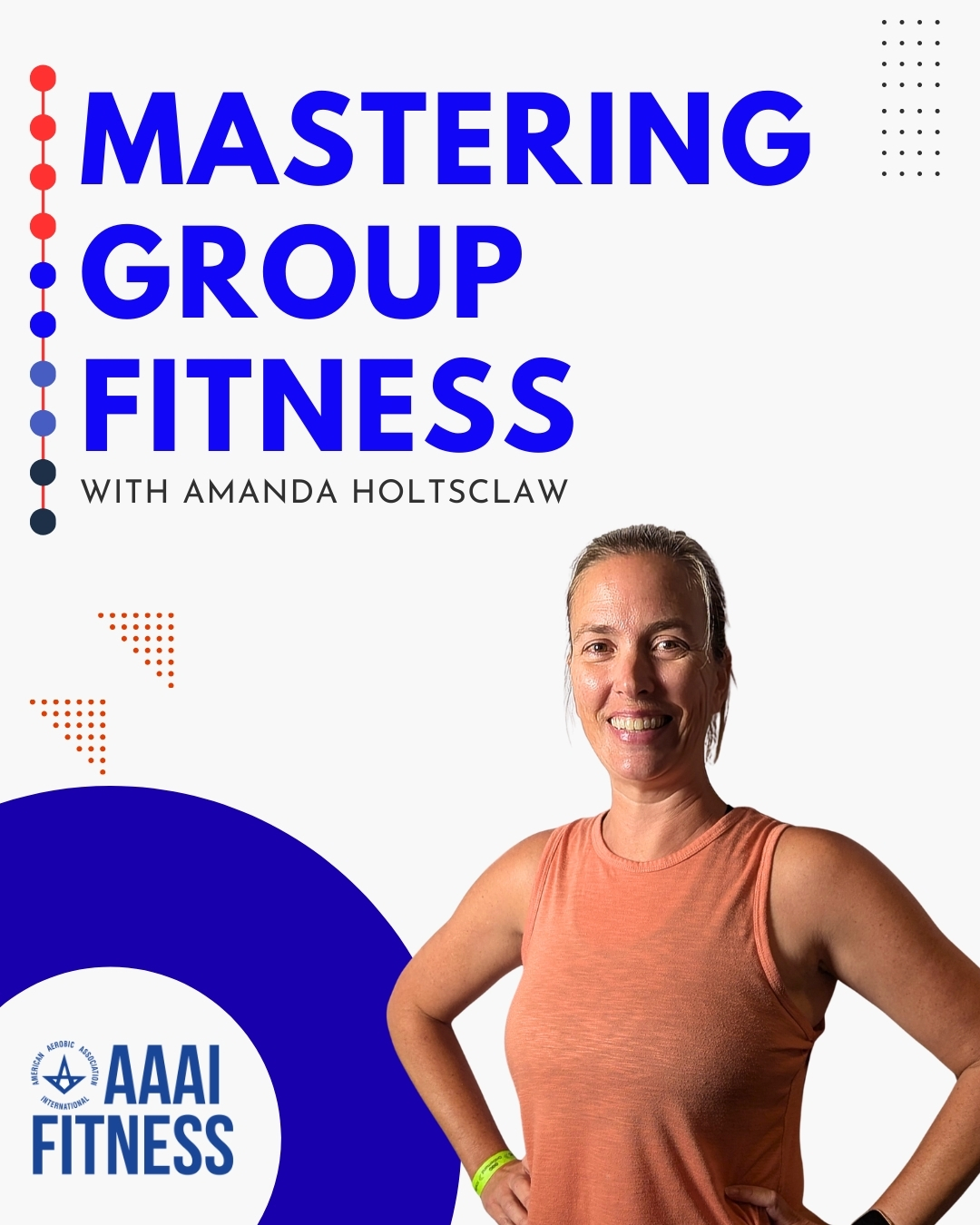
Starting as a group fitness instructor can be intimidating. Amanda Holtsclaw, a seasoned group fitness and aquatics coordinator from Tennessee, draws on 15+ years of experience to help new instructors feel confident, prepared, and capable of leading classes that inspire. From handling stage fright to managing participant dynamics, Amanda emphasizes practical strategies that focus on participant experience and instructor confidence.


1. Stage Fright Is Normal — But Invisible to Participants

Amanda reminds new instructors, “Your participants are not going to know if you mess up or make a mistake unless you tell them that you have. So, my tip for that is to smile and to keep going.” She encourages having a “base move” to return to if you forget choreography or next steps, helping maintain flow and confidence during class.

2. It’s About Participants, Not the Instructor

“The class is not our workout. It’s not the instructor’s workout. The workout is for those who are participating in our class.” Amanda emphasizes that maintaining energy, motivation, and correct form is essential to supporting participants’ goals, not showcasing the instructor.

3. Prepare Thoroughly Before Class

Preparation is key to reducing stress and keeping sessions running smoothly. Amanda advises, “Always come to class prepared as much as you can…make sure you’ve got your water, restroom breaks, all of that stuff before you get going. Always make sure you do the class introduction at the beginning of class.” Clear introductions help participants feel welcomed and oriented, setting the tone for a successful session.

4. Handle Conflicts with Empathy

Fitness classes aren’t just about movement—they’re about community. Amanda explains, “Try not to take sides or stir up anything else. But just try to let them know that you understand what both people want and that you hear and understand them.” Active listening and calm conflict management keep the class environment safe and inclusive.

5. Take Care of Yourself to Take Care of Others

Instructor energy matters. Amanda stresses self-care, saying, “Make sure you take care of yourself first…so that you can also still have that energy in yourself so you can give it to others.” Eating a balanced meal, staying hydrated, and resting adequately ensures instructors can deliver high-energy, engaging classes.

Amanda’s tips provide actionable guidance for new and experienced instructors alike. By focusing on preparation, participant experience, empathy, and self-care, instructors can lead confident, fun, and sustainable classes.

Ready to elevate your skills? Watch Amanda’s full video below to see her tips in action, and check out her AAAI workshops and certifications to build a career rooted in science, safety, and success—not trends or fads.

Build a Stronger Career

AAAI Fitness One World Conference in Atlantic City

AAAI Fitness One World Conference in Atlantic City

If you’ve ever wanted to grow your expertise, expand your network, and take your career to the next level, AAAI Fitness One World in Atlantic City is the event for you. And good news! Registration is now open! This isn’t just another fitness conference. The One World...

Why Fear Is Not Motivation

For decades, the fitness industry has relied on a familiar script. Push harder. Toughen up. Suffer now, succeed later.

Phrases like “No pain, no gain” and “No one’s coming to save you” are often framed as motivation, meant to spark discipline and grit.

But in practice, these messages are doing the opposite.

They are driving burnout, increasing dropout rates, and alienating the very people fitness professionals are trying to serve.

In group fitness, especially, fear-based motivation and punishment-centered messaging fail to create consistency, connection, or long-term adherence. The industry must move beyond scare tactics toward an approach grounded in stress relief, emotion regulation, and immediate positive reinforcement.

Because motivation does not grow from threat. It grows from feeling better.

Fear Creates Compliance. Not Commitment.

Scare tactics may generate short-term compliance. A client might show up for a few weeks out of guilt, shame, or fear of falling behind. But fear-based motivation is fragile.

When life stress increases, motivation built on punishment collapses.

Group fitness participants are not lacking discipline. They are navigating demanding jobs, caregiving roles, financial pressure, health concerns, and emotional fatigue. When fitness is positioned as another source of stress, pressure, or inadequacy, it becomes the first thing to be dropped.

Messages like “If you really wanted it, you’d make time” or “No excuses” ignore the reality of human nervous systems under chronic stress.

Fear does not regulate the nervous system. It dysregulates it. And dysregulated people do not stay consistent.

Pain Is Not Proof of Progress

The “no pain, no gain” mentality equates discomfort with effectiveness. While challenge is a necessary component of adaptation, pain is not a prerequisite for progress.

In group fitness settings, pain-centered coaching often leads to:

  • Increased injury risk

  • Heightened anxiety around movement

  • Poor body awareness

  • Reduced long-term attendance

Pain activates threat responses. When participants associate movement with punishment, they unconsciously avoid it. Over time, even highly motivated individuals disengage.

Sustainable fitness does not punish the body into change. It invites the body into consistency.

Motivation Comes From Immediate Positive Feedback

The most overlooked truth in fitness is this: humans repeat what feels good now, not what promises rewards later. Long-term outcomes like weight loss, strength gains, or improved health are abstract. Immediate experiences like stress relief, improved mood, energy shifts, and emotional release are tangible.

Fitness is uniquely positioned to deliver instant positive feedback. A workout can lower stress after a long day and movement can create a sense of accomplishment. When participants leave class or the session feeling calmer, lighter, or more energized, motivation becomes automatic. They return not because they “should,” but because they want to. That is real motivation.

Fitness Is Stress Relief, Not Punishment

In today’s world, fitness must be positioned as a resource, not a demand. Fitness professionals who prioritize emotional safety, adaptability, and enjoyment consistently see higher retention. They coach intensity without intimidation and challenge without shame.

This does not mean lowering standards. It means raising awareness. Effective instructors and trainers understand that motivation and energy will fluctuate each day. Consistency is built through trust, not pressure.

When fitness supports the nervous system, people show up more often, not less.

What This Means for Fitness Leaders

The future of fitness leadership is not louder motivation or harsher accountability. It is smarter coaching grounded in behavior science and human psychology.

Professionals who thrive long term:

  • Emphasize how movement improves mood and stress resilience

  • Normalize modification and choice

  • Frame effort as information, not judgment

  • Create environments where participants feel capable, not coerced

Whether in a group class or one-on-one setting, the message remains the same:

Fitness should make life easier, not harder.

A Better Question to Ask

Instead of asking clients, “Are you working hard enough?” Ask, “Do you feel better than when you walked in?” If the answer is yes, motivation will take care of itself.

Because people do not quit fitness because it is ineffective. They quit because it feels like punishment.

And punishment has never been a sustainable strategy for change.

Next Steps

Building a successful career in fitness requires more than intensity, trends, or motivational slogans. It requires education grounded in science, professionalism, and an understanding of how people actually change.

AAAI Fitness workshops and certifications are designed to help group fitness instructors and personal trainers lead with confidence, clarity, and credibility. Our programs focus on evidence-based coaching, sustainable programming, and real-world application—so you can support clients effectively without relying on fear, punishment, or fleeting trends.

If you are ready to grow a career rooted in science, integrity, and long-term impact, explore AAAI’s workshops and certifications and take the next step toward a sustainable future in fitness.

👉 Explore AAAI Workshops & Certifications

Build a Stronger Career

AAAI Fitness One World Conference in Atlantic City

AAAI Fitness One World Conference in Atlantic City

If you’ve ever wanted to grow your expertise, expand your network, and take your career to the next level, AAAI Fitness One World in Atlantic City is the event for you. And good news! Registration is now open! This isn’t just another fitness conference. The One World...

How to Deal with Clients Who Cancel or Don’t Show

Missed sessions and last-minute cancellations are one of the most common business challenges personal fitness trainers face. They disrupt schedules, reduce income, and undermine client progress. More importantly, how a trainer handles cancellations reflects their professional standards, boundaries, and business competence. This article outlines evidence-based, industry-appropriate strategies personal trainers can use to reduce cancellations, protect their time, and maintain professional relationships with clients.

How Should Personal Trainers Handle Clients Who Cancel or Don’t Show Up?

Personal trainers should manage client cancellations by establishing clear written cancellation policies, communicating expectations during onboarding, and consistently applying consequences for late cancellations or no-shows. Addressing patterns of missed sessions early reinforces professional boundaries, protects scheduled training time, and supports stronger client accountability and adherence.

Understanding why cancellations occur is essential to reducing them. Missed sessions are rarely isolated events and typically reflect broader patterns, including low perceived value of the service, limited commitment to long-term goals, ineffective scheduling habits, competing life demands, or the absence of clear consequences. Identifying these patterns allows trainers to intervene proactively, strengthen expectations, and improve long-term consistency.

The Professional Cost of Client Cancellations

Cancellations affect more than a single hour on the schedule.

How No-Shows Impact Trainers

  • Lost billable income
  • Inability to rebook the time slot
  • Reduced client progress and adherence
  • Increased trainer frustration and burnout

From a business perspective, repeated cancellations represent preventable revenue loss. Many trainers allow missed sessions out of a desire to be accommodating or client-centered. While empathy is an essential coaching skill, excessive flexibility often undermines structure, consistency, and long-term results.

When Professional Boundaries Are Unclear

  • Scheduled sessions are perceived as optional rather than contractual

  • Cancellation frequency increases over time

  • Policy enforcement becomes inconsistent

  • Trainer credibility and professional authority erode

Professional boundaries are not punitive or rigid. They are a core component of effective coaching and a predictor of client adherence, outcomes, and long-term success.

Cancellation Policies as a Professional Standard in Personal Training

Cancellation policies are not merely administrative preferences or business conveniences. They are a core component of professional conduct in personal training.

Consistent attendance expectations protect client outcomes, reduce ethical and financial conflicts, and support structured, progressive programming. When policies are unclear or inconsistently enforced, both client adherence and trainer professionalism are compromised. For this reason, written cancellation policies are widely recognized as a best practice within the fitness industry and are emphasized in professional education and certification standards.

Clear policies establish accountability, reinforce the value of scheduled training time, and support sustainable coaching relationships.

A strong policy clearly defines:

  • Required notice period (commonly 24 hours)
  • What constitutes a no-show
  • Financial consequences for late cancellations
  • Limited exceptions for true emergencies

Example Cancellation Policy

Sessions canceled with less than 24 hours’ notice are charged in full. No-show sessions are charged in full. This policy protects scheduled time and ensures consistency for all clients.

Policies should be applied consistently, not selectively.

Yes, charging for missed sessions is standard practice across professional service industries. It is professionally appropriate because the time was reserved exclusively for the client, the trainer cannot replace the session on short notice, and charging reinforces accountability and commitment. Healthcare providers, physical therapists, and coaches routinely charge no-show fees, and personal training is no different.

Addressing Repeated Cancellations with Clients
Clear, proactive communication is key to preventing frustration and maintaining professional relationships. Trainers should address patterns of cancellations as soon as they appear—don’t wait months, and act before the situation affects the trainer-client dynamic.

Start with calm, factual conversations that focus on the behavior, not the person. For example, you might say:
“I’ve noticed several last-minute cancellations recently. I want to make sure this schedule still works for you and that training remains a priority.”

If the pattern continues, it may be appropriate to pause or end training until regular attendance is possible:
“Given the ongoing inconsistency, it may make sense to pause training until your schedule allows consistent sessions.”

All conversations should be professional, documented, and framed around supporting client success while protecting your time and business integrity.

When Exceptions Are Appropriate—and When They Are Not

Cancellation policies should allow for limited discretion, not ongoing negotiation. Reasonable exceptions include sudden illness, medical emergencies, or unforeseeable events. Exceptions such as work conflicts, oversleeping, poor planning, or chronic repeat cancellations undermine professional standards and weaken policy enforcement, often leading to more cancellations over time.

Proactive Strategies to Reduce Cancellations
Preventing cancellations is always more effective than reacting to them. Trainers can reduce missed sessions by implementing monthly or package-based billing, pre-scheduling recurring sessions, sending automated reminders, and structuring goal-based training timelines. Early intervention when patterns appear reinforces accountability. Technology can support these strategies, but it cannot replace professional boundaries or clear expectations.

When a Client Relationship May Need to End
In some cases, ending a training relationship is the most ethical and business-appropriate decision. Indicators include repeated no-shows despite consistent policy enforcement, disrespect for scheduling agreements, resistance to accountability, or ongoing financial disputes. Addressing these issues professionally protects your business integrity and maintains high standards for client care.

Why Professional Trainers Experience Fewer Cancellations
Trainers who combine strong education with professional standards report fewer cancellations. They set clear expectations from the first consultation, use written agreements, enforce policies consistently, and communicate directly and early. Organizations like AAAI Fitness emphasize that business practices, combined with exercise science, directly impact client outcomes and trainer sustainability.

Professional boundaries support better coaching, better results, and a more sustainable career.

Written by Joe Cannon, MS, a fitness educator with 30 years of experience working one-on-one with clients, including many who prefer focused, low-chatter training environments.

Explore More Resources

AAAI Fitness One World Conference in Atlantic City

AAAI Fitness One World Conference in Atlantic City

If you’ve ever wanted to grow your expertise, expand your network, and take your career to the next level, AAAI Fitness One World in Atlantic City is the event for you. And good news! Registration is now open! This isn’t just another fitness conference. The One World...

Growing a Virtual Fitness Training Community

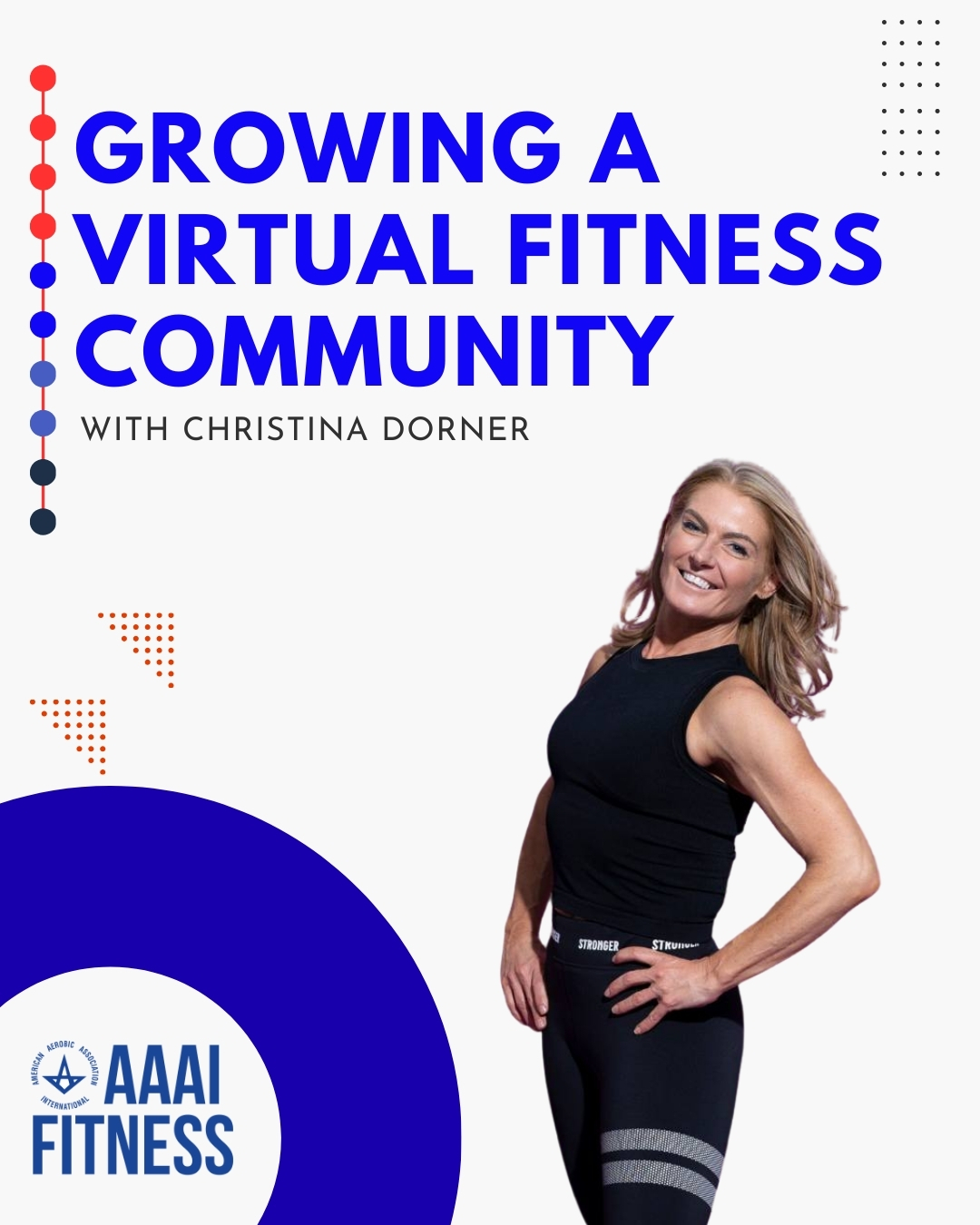
When gyms shut their doors in 2020, thousands of fitness professionals were forced to rethink everything they knew about teaching. For Christina Dorner, longtime group fitness instructor and personal trainer, that moment became the beginning of something far bigger than a temporary pivot.

Today, Christina leads live group fitness classes on YouTube nearly every day, reaching hundreds of participants at a time and cultivating a global community that spans continents. What makes her story especially powerful is that it was not built on viral shortcuts or polished perfection. It was built on consistency, curiosity, and an unwavering commitment to being real.

Here are five lessons fitness professionals can learn from Christina Dorner about growing an online presence and building meaningful connection in a digital world.

1. Consistency Beats a Secret Formula

Many trainers search for a hidden algorithm hack or viral trick. Christina’s growth came from something far less glamorous and far more reliable: showing up.

“I just kept working at it. I was not going to give up on it. Once I started, it was just kind of like keep going.”

Christina went live day after day, learning as she went, refining her approach, and committing to the long game. It took nearly three years to reach 100,000 subscribers, a reminder that sustainable success is built through patience and persistence, not overnight wins.

Takeaway: If you want to grow online, commit to consistency before you worry about perfection.

2. Learn the Skill, Not Just the Platform

Instead of copying other fitness creators, Christina focused on understanding the tools behind the scenes. She studied how video, audio, and streaming actually work.

“I wasn’t really basing what I was doing off of what anybody else was doing, except for how to do the audio and how to do the video.”

By learning platforms like OBS and understanding basic production, she gained control over her content and confidence in her delivery. This allowed her to scale without depending on expensive teams or outsourcing.

Takeaway: Learning the fundamentals of tech empowers you to create freely and independently.

3. Design Experiences, Not Just Workouts

What sets Christina apart is that her online classes feel like walking into a live group fitness studio, not pressing play on a video.

“My workouts aren’t shot like a workout video. They’re shot like you’re in a group fitness room.”

Her schedule mirrors what members might experience in a gym, with intentional programming that balances cardio, mobility, and strength across the week. Participants do not have to guess what to do next. The structure is already there.

Takeaway: People stay when you remove friction and help them feel supported and guided.

4. Start With What You Have

Christina’s polished studio did not appear overnight. It evolved slowly, starting with moving furniture out of the living room and eventually becoming a fully built-out basement space.

“I went live on my phone for the first couple months. If that’s what you have, start using your phone.”

She emphasizes that high-end equipment is not a requirement to begin. Clear intention, a willingness to learn, and consistency matter far more than gear.

Takeaway: You do not need the perfect setup to start. You just need to start.

5. Be Human in a World of Filters and AI

One of the most compelling aspects of Christina’s platform is her authenticity. Mistakes are not edited out. Conversations are real. Community members feel seen.

“We’re just really ourselves. I don’t cut out the mistakes. People feel comfortable with that.”

In an increasingly automated and artificial digital landscape, Christina believes real connection is what keeps people coming back.

Takeaway: Authenticity builds trust, and trust builds community.

The Bigger Lesson for Fitness Professionals

Christina Dorner’s success is not about chasing views or monetization myths. It is about service, accessibility, and long-term relationship building. She intentionally keeps her workouts free on YouTube while offering optional ways for members to support the channel, ensuring that movement remains available to anyone who needs it.

Her story is a reminder that fitness professionals already possess the most important tools for online success: empathy, communication, and the ability to make people feel welcome.

In a digital world filled with noise, Christina proves that showing up, staying curious, and leading with heart still works.


Watch the Full Interview

Want to hear Christina’s full story and insights in her own words? Watch the complete interview below to dive deeper into how mentorship, adaptability, and intention can shape a sustainable fitness career.

👉 Watch the full interview below

Keep Exploring

AAAI Fitness One World Conference in Atlantic City

AAAI Fitness One World Conference in Atlantic City

If you’ve ever wanted to grow your expertise, expand your network, and take your career to the next level, AAAI Fitness One World in Atlantic City is the event for you. And good news! Registration is now open! This isn’t just another fitness conference. The One World...

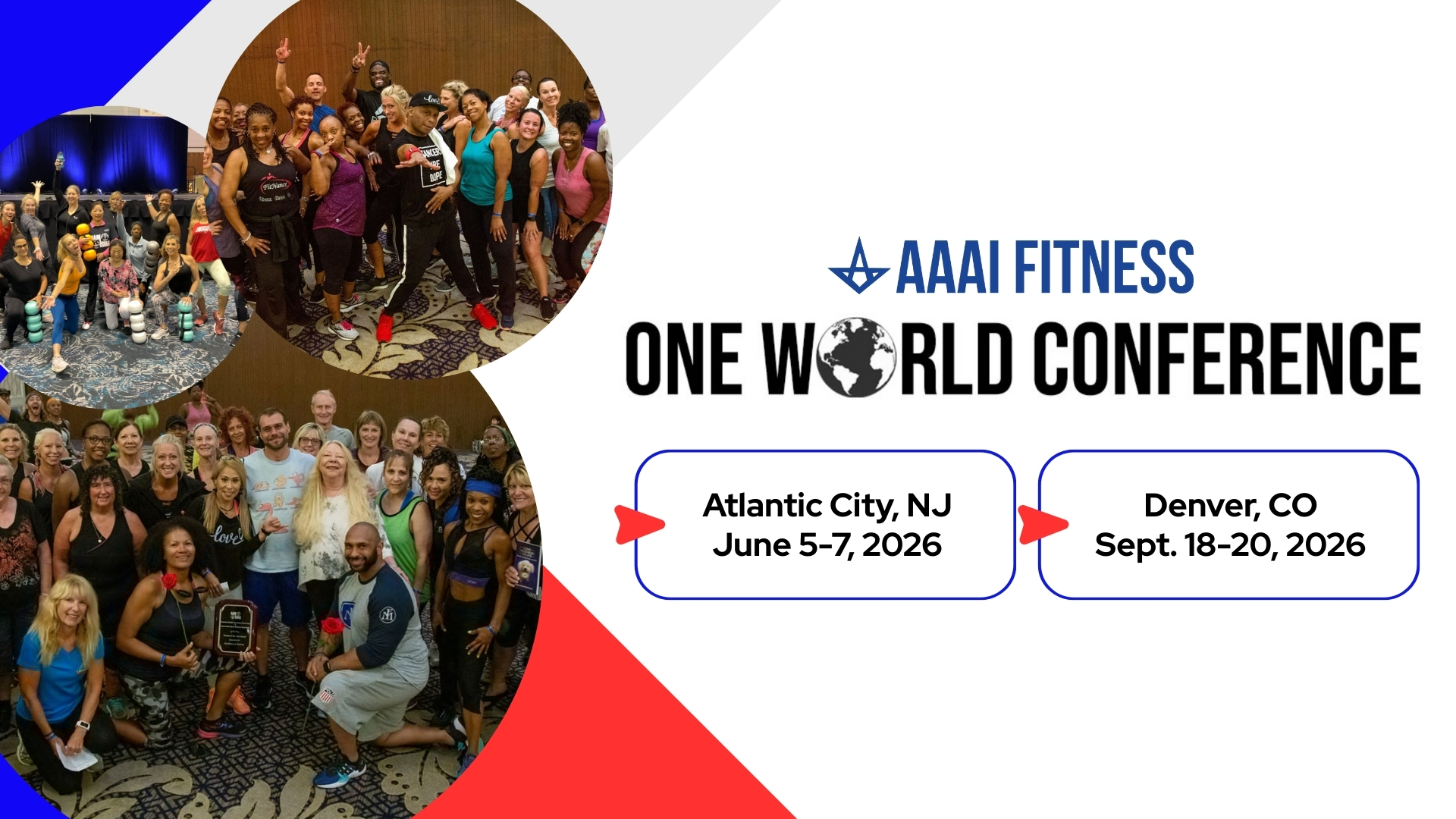
Save the Date: AAAI One World Conference 2026

AAAI Fitness is bringing the energy, education, and connection back to where it all began and beyond. The AAAI One World Conference returns in 2026 with two powerful destinations and one shared mission: to unite fitness professionals through world-class education and unforgettable experience.

📍 Atlantic City, NJ | June 5–7, 2026
📍 Denver, CO | September 18–20, 2026

This is more than a conference. It is a full-circle gathering that honors the roots of AAAI Fitness while moving the industry forward.

Friday: Certification Day
We kick things off with focused, career-building certifications. Attendees can earn certifications, including Personal Trainer, Sports Nutrition Consultant, and Mat Pilates, setting the tone with practical education that immediately supports professional growth.

Saturday: One World, One Room
Saturday brings everyone together for an immersive day of 8 master classes led by top industry experts. This shared experience is designed to feel like the original heart of AAAI Fitness: inclusive, high-energy, collaborative, and inspiring. No silos. No tracks. Just one room, one community, and powerful learning that connects us all.

Sunday: Certification Finish Line
We close the weekend strong with additional certifications, including Group Fitness Instructor, Kettlebells, and Older Adult Fitness. Sunday is about rounding out your weekend with certifications that expand your skill set and open new doors.

Whether you are attending to earn certifications, deepen your craft, reconnect with the industry, or experience the magic of learning together, the AAAI Fitness One World Conference is a date you will want on your calendar.

Save the date now. More details, registration, and presenter announcements are coming soon. Now is the perfect time to follow us on Facebook and Instagram

Personal Trainer Tax Deductions Made Simple

If you work as a 1099 independent contractor or self-employed personal trainer, you are not just coaching clients. You are running a business. Understanding how business expenses work can directly impact how much of your income you keep each year.

Many fitness professionals overlook deductions they may be eligible for, or struggle with recordkeeping that makes those deductions harder to claim. This guide breaks down common personal trainer tax deductions in clear, practical terms so you can better understand how expenses typically work for trainers.


This content is educational only and not tax advice. Every situation is different. A CPA or IRS-licensed Enrolled Agent can help you apply these principles to your specific business.

Quick Overview for 1099 Personal Trainers

If you are a 1099 independent contractor or self-employed fitness trainer, common business deductions often include:

  • Mileage and business-related driving with a mileage log

  • Gym or studio fees such as rent or pay-to-train costs

  • Liability and business insurance

  • Equipment and supplies used with clients

  • Certifications, CPR/AED, and continuing education related to your current business

  • Marketing and advertising

  • Software, apps, and subscriptions

  • Business-use portion of phone and internet

  • Professional services such as tax prep or bookkeeping

  • Home office expenses, when requirements are met

Good documentation matters. Receipts, invoices, mileage logs, and a consistent approach to mixed-use expenses make deductions easier to support. Most tax deductions for personal trainers come down to one standard: the expense must be ordinary and necessary for running your training business.

In simple terms, it should be a common cost for trainers and help you operate your business, serve clients, or acquire customers. Clear records are especially important for expenses that could be partly personal.

Common Tax Deductions for Personal Trainers

Many 1099 and self-employed personal trainers deduct a similar group of business expenses. While eligibility depends on documentation and business use, these are some of the most common categories trainers track throughout the year.

  • Mileage and business driving
    Driving between clients, gyms, studios, or to purchase business supplies may qualify as business mileage. A mileage log should include dates, miles driven, destinations, and business purpose. Mobile trainers often find this to be one of their largest deductions.

  • Gym or studio fees
    Monthly trainer rent, studio rentals, or per-session facility access fees paid to train clients are commonly deductible. Keep contracts, invoices, and proof of payment.

  • Equipment and training supplies
    Items used during sessions such as resistance bands, mats, kettlebells, cones, timers, and cleaning supplies are often deductible. If equipment is used for both personal and business purposes, apply a reasonable business-use percentage and document how it was calculated.

Additional Tax Deduction Considerations

  • Certifications, CPR/AED, and continuing education
    Certification renewals, CPR/AED courses, and continuing education that maintain or improve skills for your current training business are commonly deducted. Save receipts and proof of completion.

  • Insurance
    Professional liability insurance and other business-related insurance policies are typical expenses for independent trainers. Keep policy documents and payment records.

  • Marketing and advertising
    Website hosting, domain fees, paid ads, email marketing platforms, business cards, signage, and professional photo or video content are often clearly business-related.

  • Software, apps, and subscriptions
    Scheduling tools, client management systems, programming platforms, video conferencing software, bookkeeping tools, and cloud storage are common for both in-person and online trainers. Mixed-use subscriptions should be reasonably allocated.

  • Phone and internet
    Many trainers deduct the business-use portion of phone and internet expenses used for scheduling, client communication, programming, and marketing. A consistent method for estimating business use is important if the service is shared with personal use.

  • Home office expenses
    A home office may qualify if the space is used regularly and exclusively for business activities such as programming, administrative work, or online coaching. Measurements, photos, and usage notes can help support this deduction.

  • Professional services and administration
    Fees for tax preparation, bookkeeping, accounting, legal services, payment processing, and business banking are commonly deducted and easy to document.

Additional Tips

Some expenses are frequently discussed among fitness professionals but can be harder to justify as business deductions. Gym memberships often fall into this category because they usually provide personal value in addition to any business benefit. Fees paid specifically for the right to train clients, such as trainer rent or facility access fees, are generally easier to support than a general membership.

Workout clothing and shoes are also commonly considered personal expenses, since they can typically be worn outside of work. In limited cases, branded or required apparel that functions as a true uniform may be easier to defend, but many trainers take a conservative approach here.

Supplements, groceries, and recovery tools are usually treated as personal expenses as well, even when they support performance or energy for work. These items are typically only considered business-related when purchased specifically for client use as part of a paid service, with clear documentation.

Because most 1099 personal trainers do not have taxes withheld from their income, planning ahead is essential. Many trainers set aside a percentage of each client payment for taxes, track monthly profit rather than just revenue, and keep business spending separate from personal finances. Estimated tax due dates can vary by year, so confirming current deadlines with the IRS or a tax professional is an important step.

Strong recordkeeping habits make deductions easier to claim and easier to support. A simple system used by many trainers includes one dedicated business bank account or card, digital storage for receipts, monthly expense reviews, and mileage tracking when driving for business. Common mistakes include mixing personal and business spending, failing to track mileage, and waiting until tax season to organize expenses.

Final Thoughts

Understanding tax deductions as a 1099 or self-employed personal trainer is part of running a sustainable fitness business. When expenses are tracked properly and approached with clarity, deductions can help reduce taxable income and create more financial stability throughout the year.

The key is consistency. Keeping business finances separate, maintaining clear records, and taking a thoughtful approach to gray-area expenses allows trainers to focus less on scrambling at tax time and more on growing their careers. When questions arise, working with a qualified tax professional can provide peace of mind and ensure decisions stay within current guidelines.

Building a long-term career in fitness is not just about coaching skills. It is also about understanding the business side of the industry and making informed choices that support longevity, professionalism, and growth.

Written by Joe Cannon, MS, a fitness educator with 30 years of experience working one-on-one with clients, including many who prefer focused, low-chatter training environments.

Explore More

AAAI Fitness One World Conference in Atlantic City

AAAI Fitness One World Conference in Atlantic City

If you’ve ever wanted to grow your expertise, expand your network, and take your career to the next level, AAAI Fitness One World in Atlantic City is the event for you. And good news! Registration is now open! This isn’t just another fitness conference. The One World...

Can a Shy Personal Trainer Succeed? How Introverts Thrive One-on-One

If you’re a shy personal trainer or an introvert thinking about training clients one-on-one, you’re not alone and you are not automatically at a disadvantage. Many people considering personal training worry that not enjoying small talk or constant social interaction will hold them back in the gym. In reality, personal training is far less about being outgoing and far more about structure, focus, and the ability to guide someone safely and effectively toward their goal.

Who This Article Is For

This article is for:

  • New or aspiring personal trainers who are introverted or shy

  • Trainers who prefer one-on-one coaching over group classes

  • People considering personal training as a side job or weekend role

  • Trainers who want results without forcing a high-energy persona

Can a Shy or Introverted Person Be a Successful Personal Trainer?

Yes. Shy or introverted people can be successful personal trainers, especially in one-on-one settings.

Personal training does not require being outgoing or talkative. It requires clear instruction, attention to detail, and the ability to help clients feel supported and safe. Many introverted trainers excel in one-on-one settings because they listen well, stay focused, and coach with intention rather than constant conversation.

This is exactly what many clients want.

What Personal Training Actually Requires (And What It Doesn’t)

Personal training requires:

  • Clear communication

  • Attention to movement and technique

  • Consistency

  • Trust

  • Accountability

It does not require:

  • Constant conversation

  • Entertaining clients

  • High-energy social behavior

  • Small talk for an entire session

Most clients care far more about whether they feel guided and supported than whether the trainer is talkative.

Why Introverts Often Struggle With the Wrong Part of the Fitness Job

Introverted trainers often assume they must “be more social” to succeed. That belief creates unnecessary pressure and anxiety.

The real issue is not introversion.
The issue is unstructured interaction.

When conversation has no purpose, it feels awkward. When interaction is structured, it feels professional.

How to Be a Personal Trainer Without Small Talk

Small talk is optional. Purposeful communication is not.

Clients hire trainers for guidance. That includes:

  • Explaining what to do

  • Giving clear, concise cues

  • Correcting form

  • Progressing exercises safely

You are not required to fill silence. Rest periods exist for recovery, not conversation. Many clients prefer a trainer who allows quiet focus rather than forced chatter.

What Many Clients Prefer in a Personal Trainer

Many clients report that they prefer trainers who:

  • Do not talk excessively during workouts

  • Give clear, concise instructions

  • Allow rest periods without pressure to converse

  • Stay focused on form and progress

  • Are professional

  • Are sincerely invested in helping people achieve their fitness goals

For beginners, older adults, or clients returning after injury, a calm and attentive trainer often feels more professional and reassuring than a highly social one.

A Simple Fitness Training Session Structure That Reduces Social Anxiety

Structure removes uncertainty, which reduces anxiety for both trainer and client.

A simple session flow:

  • Brief check-in: “How did your body feel after the last session?”

  • Session goal: “Today we’re working on lower-body strength.”

  • Coaching during sets: Short cues and specific feedback

  • Rest periods: Silence is fine

  • Wrap-up: “Here’s what to expect at the next workout.”

This keeps communication professional, efficient, and predictable.

A Simple First-Session Script for Shy Personal Trainers

You do not need to improvise conversations. A simple script like this one works:

  • “Today I’ll walk you through each movement and explain what we’re doing as we go.”

  • “Let me know if anything feels uncomfortable.”

  • “We’ll keep things focused and adjust on the fly as needed.”

Giving clear expectations reduces anxiety for both the trainer and the client.

Actionable Tips for Shy or Introverted Personal Trainers

  • Use a consistent session template

  • Prepare coaching cues in advance

  • Ask purposeful, professional questions

  • Allow silence during rest periods

  • Focus on outcomes, not likability

  • Accept that not every client is a fit

Common Myths About Shy or Introverted Personal Trainers

Myth: You have to be outgoing to succeed as a personal trainer
Reality: Clients care more about results, safety, and trust than personality type.

Myth: Silence makes clients uncomfortable
Reality: Most clients are focused on breathing, effort, or recovery during rest periods.

Myth: Introverts are bad at motivating clients
Reality: Motivation comes from clarity, progress, and accountability, not volume.

Frequently Asked Questions

Can shy people be good personal trainers?
Yes. Many shy or introverted people are excellent personal trainers, especially in one-on-one settings where listening and attention matter more than being outgoing.

Is personal training hard for introverts?
It can be challenging if you believe you must be constantly social. With structure and clear communication, many introverts find personal training fits their strengths well.

Do personal trainers need to be outgoing?
No. Personal trainers need to be knowledgeable, attentive, and reliable. Being outgoing is optional, not required.

Final Thoughts

Introversion is not a weakness in personal training. Trying to hide it is.

If you are prepared, observant, and intentional, your personality becomes an asset rather than a barrier.

Written by Joe Cannon, MS, a fitness educator with 30 years of experience working one-on-one with clients, including many who prefer focused, low-chatter training environments.

Learn More

AAAI Fitness One World Conference in Atlantic City

AAAI Fitness One World Conference in Atlantic City

If you’ve ever wanted to grow your expertise, expand your network, and take your career to the next level, AAAI Fitness One World in Atlantic City is the event for you. And good news! Registration is now open! This isn’t just another fitness conference. The One World...

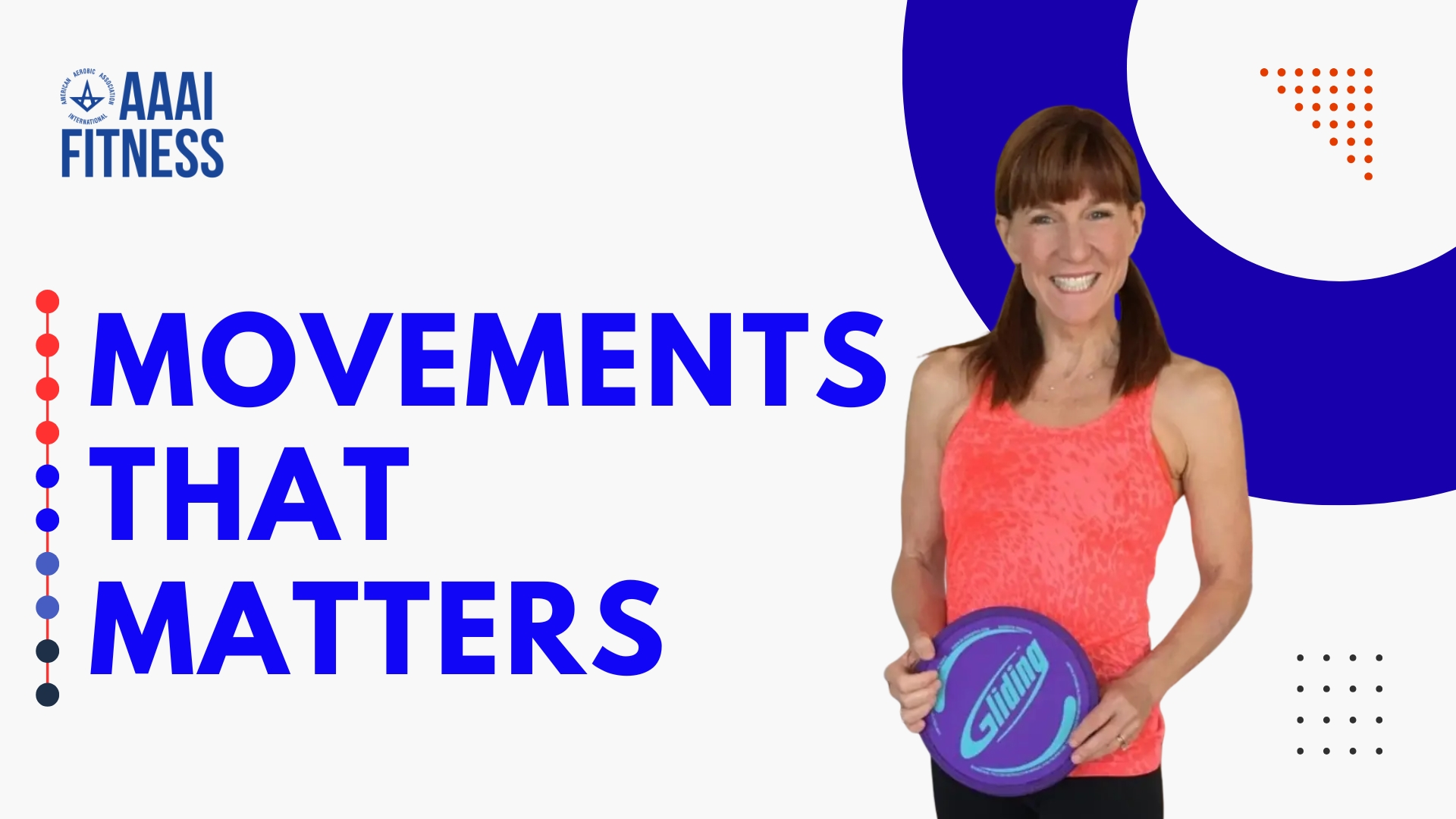
Movements That Matter

When Mindy Mylrea casually refers to herself as a “fitness fossil,” she does so with pride. She has been part of the industry since “before the fitness industry was a fitness industry,” teaching her first mother–daughter disco class at age 17 and spending decades developing programs, educating instructors, and shaping trends that still influence studios today.

From the creation of Gliding discs to her work in wellness, longevity, and active aging, Mindy’s career offers a roadmap for staying relevant in a field that changes faster than almost any other. Here are five key lessons she believes will help fitness professionals thrive for years to come.

Help People Thrive Throughout Life, Not Just During Workouts

One of the most profound shifts Mindy has witnessed is the move from aesthetics and intensity to functionality and longevity. In her words, her proudest contribution has been “creating an opportunity for people to thrive no matter what they do.”

She points to Blue Zones as a model: areas of the world where people live longer not because they spend hours in the gym, but because “they move throughout their life with grace and ease and no aches and pains hopefully till the very end.”

The future of fitness lies in everyday movement, not performance metrics. Trainers who connect exercise to well-lived lives—not just visible results—will be the ones who make the greatest impact.

Use Tools To Create Success and Confidence

When Mindy developed Gliding discs, her goal was not to add another gadget to the fitness floor—it was to make movement accessible. She wanted something “affordable, portable, storable and of course purple,” but more importantly, something that worked for every fitness level.

She reminds trainers that beginners may look at a disc and think, “This is a slippery plate… and I’m going to go right into the splits if I don’t do it correctly.” That fear is real, and trainers must recognize it.

Mindy teaches: don’t just take challenges away; replace them with something equally intentional. Adjust range of motion, remove one disc, or shorten the workload—but “never just take away a foot or take away an arm position. I would add something in return.”

Tools should build confidence, not intimidation.

Stay in Your Lane—But Venture Out

Mindy’s longevity comes from balancing authenticity with creativity. She encourages trainers to root themselves where they thrive most, rather than chasing whatever format is trending.

“You want to look at where you thrive the most,” she says, while also being open to exploring something new. Early in her career she noticed boxing growing but no one was addressing kickboxing. So she trained, launched classes, and helped open the door for what became a major trend. When others more specialized entered the space, she “ventured stage left.”

Her takeaway is simple: explore boldly, release gracefully, and stay grounded in what fuels you.

Follow The Science—Not The Hype

For Mindy, credibility comes from evidence, not excitement. Whether discussing training protocols or nutrition, she returns to one guiding principle: “Nature got it right.”

On the nutrition side, she notes that the world has become “a protein-obsessed society,” often influenced by marketing, not science. She encourages fitness professionals not to “follow the money” but to “follow the science,” emphasizing whole, close-to-source foods.

On training, she highlights similar misconceptions. True Tabata is not any 20/10 circuit—it is a specific anaerobic protocol that demands precision and recovery. In her programs, there is only one true Tabata segment per class to maintain scientific integrity and physical safety.

Education and discernment—not popularity—build trust.

The Future of Fitness Is Wellness

When asked what the next major shift in fitness will be, Mindy’s response is direct: “The next big change in the fitness industry is wellness. It is already huge.”

To her, wellness means an integrated experience where fitness, food, sleep, stress management, and social connection exist under one roof and within one conversation. In her active aging classes, she blends movement with research, reflection, community engagement, and simple take-home actions.

Gyms are validating her prediction by adding meditation rooms, nutrition programs, and holistic services. Fitness professionals who understand whole-person wellness will be positioned for greater impact and sustainability.

Final Thoughts

Mindy Mylrea’s career demonstrates that thriving in fitness requires more than choreography, trends, or intensity. It requires:

  • Training people for life, not just for workouts

  • Using tools to nurture confidence

  • Staying authentic while exploring new ideas

  • Grounding decisions in research

  • Embracing wellness as the new foundation

Her decades of influence serve as proof: when you lead with purpose, curiosity, and care—you don’t just survive the industry’s evolution. You shape it. 

Learn more by watching the full interview below.

Keep Your Career Evolving

AAAI Fitness One World Conference in Atlantic City

AAAI Fitness One World Conference in Atlantic City

If you’ve ever wanted to grow your expertise, expand your network, and take your career to the next level, AAAI Fitness One World in Atlantic City is the event for you. And good news! Registration is now open! This isn’t just another fitness conference. The One World...

Your Guide to Stress-Free Class Prep

There is so much magic that happens within a group fitness class. A good instructor will lead you through a great workout, but an exceptional instructor will guide you through an amazing experience. The exceptional instructor appreciates that fitness is more than sweat and reps; it’s about connection & community. A great fitness class is one where the experience is memorable. So how can you focus more on tying people together and less on what comes next?

Be Prepared

While it’s not as easy as a two-word sentence, it can be fairly simple once you have the right tools and a system. Before you start this next process, you need to know the goal and target market of the class; however, those topics are not covered in this article. At this point, we assume you know the workout’s purpose and are ready to implement class planning.

Here Are 5 Tools To Use For Successful Class Planning:

1. Construct System

Fitness thrives off of consistency. We see improvement and growth when we can practice and perfect movements. This is why a structured and repeatable class construct can help your participants see their progress.

A class construct is a simple recipe for a great experience. Take some time to brainstorm on what ingredients should be used in your warm-up, the body of class, and the cool down. Think of these ingredients as buckets of content. In other words, don’t be specific as to “Standing Cat and Cow” but rather “Thoracic Spinal Movements” so that many elements can fit into your ingredients bucket. This allows you to plug in different movements to add variety to your class.

Once you know the ingredients, design it.

Use a chart-building tool to help you graphically design your construct. Programs like Google Slides and Canva can help you put your thoughts into a plug-and-play chart. This chart will be vital to the next stages of your class planning.

2. An Exercise Library System

Now it’s time to build the specifics of your ingredient buckets. You need a way to list all of the exercises you are about to collect in this step. Your List Builder can be as simple as a Word/Google Document or a Trello board where you can create a checklist for each ingredient bucket.

Research and brainstorm as many exercises as possible for each bucket. If one of your buckets is “Lateral Moving Cardio”, then draft a list of as many different examples as you can. If you can’t think of many, start researching the movement pattern to find new ideas. Consider using exercise libraries provided by equipment and education companies, as well as by industry experts. Take targeted workshops and training to expand your knowledge base, and make sure you log what you learn in your List Builder before you forget.

3. A Rotation System

Yes, consistency is key to fitness improvement, but variety is the spice of life, right? To help you quickly create new classes based on your class construct, create a bucket rotation system. By using the class construct and exercise library, you can quickly plug in new movements without having to create and memorize an entirely new class plan. This allows for you to keep consistency throughout each class, while still offering “new” ideas for you and your participants.

For example:

Week 1 – Change exercises for the Warm-Up buckets only

Week 2 – Change the exercises of 1 bucket from the class body

Week 3 – Change the exercises of another bucket from the class body

Week 4 – Change the exercises of the cool down buckets only

The class construct & buckets will remain the same (the ingredients) while the exercises themselves will change. Without a checklist, it’s hard to track what you changed the week prior. So create a quick list with your rotation – keeping in mind, it can be as long as you want/need. You can add this checklist to the top of your List Builder or as an additional chart in your Chart Design to help you track.

4. A Storage System

Have you heard of the 4 Rs? Recycle, Reuse, Reduce and Repurpose. Not only will these save the planet, but they will also save your time, effort, and energy. It bears repeating that consistency is the key to fitness improvement. While we discussed above a Rotation System that helps you maintain consistency and variety, it’s important to remember that you can absolutely repeat an entire class plan. But you need a system to store the class plans.

As you create your classes, type or write the exercises into your chart so you can quickly print it to take to class for guidance. If you are using a chart builder like Google Slides, you can create a new slide within the document so that all class plans are saved in one location. If you are printing your class plans, you can store them in a binder or folder.

5. A Rating System

Once you teach a class, make sure to write notes to your future self. What about the class plan was great, needed improvement, or should be changed the next time you teach that particular class. Having a rating system allows your future self to decide what class plans to repeat and what to change about a class plan to make it successful. Don’t depend on your memory to keep all of this information – write it down, rate the class, and store it for later use. By using all of these systems, you can quickly create a class in minutes.

Use your saved creation time to focus on crafting the following experiential pieces of your class: class welcome, new cues, music playlist, partner or group-based activities, class questions, focused mantras and meditations or endings. Remember, the magic of group fitness happens during those moments in class, not by your new choreography or exercise selection.

Learn More

AAAI Fitness One World Conference in Atlantic City

AAAI Fitness One World Conference in Atlantic City

If you’ve ever wanted to grow your expertise, expand your network, and take your career to the next level, AAAI Fitness One World in Atlantic City is the event for you. And good news! Registration is now open! This isn’t just another fitness conference. The One World...

The Missing Link in Client Results

Every fitness professional has seen it happen. A client shows up consistently. They train hard. They follow the plan. And then one day — the progress stops.

They’re not getting weaker or less motivated, but the results slow down, stall, or completely plateau. And no matter how many times you adjust reps, sets, or load, nothing seems to break through.

The truth is simple: Many clients aren’t missing intensity.
They’re missing mobility, stability, and intentional recovery.

These three foundational pillars are not “extras” or “nice-to-have” components of fitness. They are the missing link preventing many clients from moving better, feeling better, and unlocking their full performance potential.

Let’s break down why.

1. Mobility Unlocks Access to Movement

Mobility isn’t just flexibility. It’s functional movement quality — the ability to access a range of motion with control.

When clients lack mobility, they compensate.
Tight hips lead to low-back pain. Limited thoracic rotation leads to shoulder issues. Immobile ankles lead to poor squats and inefficient gait.

And here’s the catch: You can’t strengthen a range that doesn’t exist.

Improved mobility helps clients:

  • Move with greater ease

  • Reduce pain and stiffness

  • Improve form and technique

  • Increase the effectiveness of strength training

No mobility, no progress.

2. Stability Is the Foundation for Strength

Stability is what allows clients to control movement under load. It’s the difference between “doing the exercise” and “owning the exercise.”

Without proper stability, clients experience:

  • Energy leaks

  • Compensatory patterns

  • Poor alignment

  • Increased injury risk

Most plateaus stem from the body protecting itself — stopping progress when it senses instability.

By improving core strength, joint stability, muscle activation, and motor control, clients can safely generate more power, move more confidently, and finally break through those plateaus.

3. Recovery Creates Adaptation

Clients often assume that more work equals more results.
But fitness professionals know the truth:

Training creates stress.
Recovery creates progress.

When clients don’t incorporate recovery practices such as stretching, breathwork, mobility flows, meditation, or restorative movement, their nervous system stays stuck in “go mode.” This prevents the body from repairing tissue, restoring energy, and integrating strength gains.

Intentional recovery:

  • Enhances performance

  • Improves sleep and mood

  • Reduces chronic tension

  • Supports mental wellness

  • Helps clients stay consistent

Better recovery equals better results — every time.

Why Mind-Body Training Is Essential for Every Fitness Professional

Clients aren’t looking for more “hard work.”
They’re looking for:

  • Reduced stress

  • Fewer aches and pains

  • Better energy

  • Improved movement

  • Sustainable long-term progress

Mobility, stability, and recovery-based modalities like yoga, Pilates, and guided stretching fill the gaps traditional training leaves behind.

When you understand the principles behind mind-body movement, you elevate your coaching, enhance your programming, and give clients what they actually need to thrive.

Ready to Help Clients Break Through Plateaus for Good?

Expand your expertise with certifications that strengthen movement quality, enhance recovery, and improve long-term results.

🔹 Yoga Instructor Certification
🔹 Power Vinyasa Yoga Certification
🔹 Mat Pilates Certification
🔹 Stretching for Flexibility, Function & Strength Certification

Register today and start offering the missing link your clients have been waiting for.

Expand Your Career

AAAI Fitness One World Conference in Atlantic City

AAAI Fitness One World Conference in Atlantic City

If you’ve ever wanted to grow your expertise, expand your network, and take your career to the next level, AAAI Fitness One World in Atlantic City is the event for you. And good news! Registration is now open! This isn’t just another fitness conference. The One World...

From Nervous to Natural

If you’re preparing to teach your first group fitness class, congratulations—you’re stepping into one of the most rewarding roles in the fitness industry. Whether your class is choreographed like a Les Mills program or freestyle, your presence, preparation, and personality will define the experience.

After 25 years of teaching, AAAI/ISMA faculty instructor Joanne Smith-Taverner shares her top tips to help new instructors lead safe, effective, and fun classes from day one.

1. Practice, Practice, Practice

This one can’t be overstated. When you’re in front of a class, you’re there to teach, not to practice. Your preparation should happen long before participants arrive.

Joanne recommends rehearsing your routines in front of a mirror while cueing—again and again—until the movements and words flow naturally. The goal is to know your material so well that you can focus fully on your participants, not on remembering what comes next.

And always have a Plan A, B, and C. Things will go wrong—music glitches, room changes, missing equipment—so stay flexible and ready to adapt with confidence.

2. Arrive Early and Set the Tone

Professionalism starts before the first song plays. Arrive early, set up your space, and greet participants as they come in. Play upbeat music before class begins—it signals that something fun and energetic is about to happen.

As Joanne says, “People come to class to forget their problems. This is their one hour of me time.” Create an environment that feels welcoming and positive. That means leaving your personal stress outside and showing up fully for your participants.

3. Build Connection and Community

New participants often feel nervous. Make it a point to introduce yourself, learn their names, and pair them with a regular who can help them feel at home. This simple act builds instant connection and increases the likelihood they’ll return.

After class, check in with newcomers: “How did that first class feel? Don’t worry if you missed a few moves—everyone starts there. You’ll get it with practice!” Encouragement creates belonging, and belonging drives consistency.

4. Communicate Clearly and Cue Early

Your communication skills will make or break the class experience. Always cue before the movement happens, not during or after. Anticipatory cues—like “In four counts, we grapevine right!”—keep everyone in sync and prevent frustration.

Visual and verbal clarity are equally important. Use phrases like “Tell, show, do”—tell them what’s coming, show it, then do it together. Move around the room so everyone can see you, and use self-checks (“Let’s all look at our knees—are they tracking over our shoelaces?”) instead of singling people out.

5. Stay Professional and Keep Learning

From your attire to your playlist, every detail contributes to your credibility. Dress appropriately for the setting, choose inclusive and upbeat music without profanity or offensive lyrics, and always model professionalism.

Finally, never stop learning. Attend other instructors’ classes, seek feedback, and keep your certifications current. Joanne reminds us that “teaching group fitness is both an art and a science.” The best instructors blend knowledge, creativity, and care to help others move better and feel stronger.

Final Thoughts

When you’re leading a class, you’re more than just a fitness instructor—you’re a motivator, educator, and role model. Prepare thoroughly, show up early, connect authentically, cue clearly, and keep growing.

Because when your participants feel seen, supported, and successful, they’ll keep coming back—and that’s where the true magic of group fitness begins.

Don't Stop Now

AAAI Fitness One World Conference in Atlantic City

AAAI Fitness One World Conference in Atlantic City

If you’ve ever wanted to grow your expertise, expand your network, and take your career to the next level, AAAI Fitness One World in Atlantic City is the event for you. And good news! Registration is now open! This isn’t just another fitness conference. The One World...

What Every Trainer Should Know About Mental Wellness

The Numbers Don’t Lie

  • 94% of personal training clients regularly discuss nutrition, stress, sleep, and injury with their trainers.

  • 78% of people prioritize exercise for mental and emotional well-being.

  • 89% of peer-reviewed studies confirm a positive, statistically significant link between physical activity and mental health.

These numbers tell a clear story: fitness professionals are already at the forefront of mental wellness. Clients aren’t just showing up for physical transformation, they’re seeking emotional balance, stress relief, and resilience. Yet, most trainers were never formally educated on how to support these needs.

It’s time to redefine what it means to be a fitness professional. By understanding the science of mental wellness and incorporating evidence-based strategies for movement, nutrition, social connection, and mindfulness, trainers can expand their influence far beyond the gym floor.

The Dual-Continuum Model of Mental Wellness

Traditionally, mental health has been understood on a single horizontal axis from illness to wellness. But this limited view suggests that being well simply means being free from mental illness.

The dual-continuum model offers a deeper, more dynamic understanding. It introduces a second, vertical axis representing mental wellness, from languishing at the bottom to flourishing at the top.

  • Flourishing: Individuals who are thriving, fulfilled, and resilient, living with purpose and emotional vitality.

  • Languishing: Individuals who may not have a diagnosable condition but still feel disconnected, stagnant, or unmotivated.

This model highlights a critical truth: it’s possible to experience mental health challenges while still living a thriving life and to feel off even without clinical illness.

For fitness professionals, this means your role extends beyond physical conditioning. You have the power to help clients move from languishing to flourishing through the science of movement, connection, and recovery.

The Research Behind Movement and Mental Wellness

Research from the Global Wellness Institute and leaders like Dr. Gerry Bodeker demonstrates how fitness-related practices can support both axes of mental health, reducing illness while promoting flourishing.

Key Evidence-Based Pillars Every Trainer Should Understand

1. Exercise: Exercise is one of the most powerful tools for mental health.

  • Studies including the John W. Brick Foundation’s Move Your Mental Health report show that regular aerobic and strength training can reduce symptoms of depression and anxiety by up to 25%.

  • Physical activity boosts neurotransmitters like serotonin and dopamine, which regulate mood, motivation, and energy levels.

2. Nutrition: Nutrition has a strong connection to mental wellness.

  • Research from the Journal of Clinical Psychiatry (2017) shows that omega-3 fatty acids reduce depressive symptoms.

  • Studies in Nature Microbiology (2019) highlight how improving gut health can ease anxiety and depression.

  • Trainers can use this information to guide general nutrition conversations within their scope of practice.

3. Mindfulness and Meditation: Mindfulness-based practices like yoga, breathwork, and guided meditation help reduce stress and increase emotional regulation.

  • A JAMA Internal Medicine (2014) meta-analysis confirmed that regular mindfulness programs significantly decrease anxiety and depression.

  • Integrating a mindful minute at the start or end of class can enhance both physical and mental outcomes.

4. Social Connection: Humans thrive in connection.

  • Group fitness, partner workouts, and community-building events improve adherence and elevate mood and emotional well-being.

  • When clients feel seen and supported, they are more likely to flourish in and out of the gym.

Bridging the Gap: Fitness Professionals as Mental Wellness Advocates

Fitness professionals are uniquely positioned to support both axes of mental wellness:

  • Helping reduce stress, anxiety, and burnout (mental illness prevention)

  • Helping clients build joy, purpose, and resilience (mental flourishing)

By combining movement science with empathy, structure, and community, trainers can influence total well-being, not just body composition. Your work already supports mental wellnes, now it’s time to do it intentionally, confidently, and within your professional scope.

Conclusion

Mental wellness is not just the absence of struggle, it’s the presence of vitality, balance, and joy. The dual-continuum model helps us see that true well-being involves both preventing mental illness and promoting human flourishing.

As fitness professionals, you are in a powerful position to guide that journey. By integrating exercise science with holistic wellness practices, you can help every client move closer to thriving in body, mind, and spirit.

It’s time to redefine what fit really means.

Keep Reading

AAAI Fitness One World Conference in Atlantic City

AAAI Fitness One World Conference in Atlantic City

If you’ve ever wanted to grow your expertise, expand your network, and take your career to the next level, AAAI Fitness One World in Atlantic City is the event for you. And good news! Registration is now open! This isn’t just another fitness conference. The One World...

Healing Starts with Slowing Down

When it comes to helping people improve their physical, emotional, and mental well-being, certified personal trainer and wellness coach Jessica Lewis takes a holistic approach. Through her work with both veterans and civilians, Jessica uses the gentle yet powerful practice of Tai Chi Chih to promote healing, mindfulness, and connection. Here are five lessons from her conversation with AAAI that every wellness professional can learn from.

1. Meet People Where They Are

Jessica believes fitness should be accessible to everyone. “There’s nobody on the planet that I’ve ever encountered, and I can’t even imagine someone who can’t do Tai Chi Chih,” she says. By offering mindful movement that anyone can do, she creates a foundation for progress and self-confidence. Sometimes, all it takes is one small, positive habit to start a “snowball effect in which they might be more receptive to doing other things that simply make them feel good.

2. Soften to Find Strength

Jessica’s background in karate taught her about power, but Tai Chi Chih taught her something deeper. “The biggest lesson I think I’ve taken from Tai Chi Chih is there’s often more power in being soft,” she explains. This lesson challenges the “no pain, no gain” mentality that dominates fitness culture. Through mindful movement, clients learn that gentleness can be transformative.

3. Honor Rest and Recovery

In a culture that celebrates overtraining, Jessica reminds us that recovery is essential. “Another thing in this country we simply don’t honor is the value of rest,” she says. Adding mindful movement into a training program can enhance performance, mimic some of the benefits of sleep, and support both physical and emotional recovery.

4. Mindfulness Builds Resilience

For Jessica, mindfulness isn’t just a buzzword—it’s a skill that can be trained. “Practicing mindfulness will help you train your well-being, like you’re learning a new exercise or a new skill,” she says. Tai Chi Chih helps participants become more present, focused, and compassionate toward themselves—qualities that ripple into all areas of life.

5. Healing Begins with Connection

Working with veterans, Jessica has seen how powerful connection can be in the healing process. “Veterans are six times more likely to die by suicide than in combat,” she notes. “They crave that esprit de corps that they had when they were in the military.” Through her classes, Jessica recreates that sense of community and safety—helping participants feel seen, supported, and valued.

Jessica’s story is a powerful reminder that movement is more than physical—it’s emotional, mental, and deeply human. Her work with Tai Chi Chih demonstrates that healing often begins not with intensity, but with awareness, compassion, and mindful presence.

To learn more, please watch the entire interview below.

Don't Stop Now!

AAAI Fitness One World Conference in Atlantic City

AAAI Fitness One World Conference in Atlantic City

If you’ve ever wanted to grow your expertise, expand your network, and take your career to the next level, AAAI Fitness One World in Atlantic City is the event for you. And good news! Registration is now open! This isn’t just another fitness conference. The One World...

Props That Pay Off

As a fitness professional, you know that results are not just about strength, endurance, or flexibility. True transformation happens when clients feel confident. Confident clients push themselves further, stick to their routines, and share their progress with friends. Fitness equipment like yoga mats, magic circles, Bender Balls, Gliding Discs, and kettlebells can help your clients feel capable, empowered, and excited to return to your classes. At the same time, offering these types of equipment-based workouts can help you grow your business by attracting new clients, opening additional locations, and creating more class opportunities.

Why Equipment Builds Confidence

  1. Yoga Mats: The foundation of any mindful practice, a quality yoga mat creates a personal space where clients feel secure and grounded. It allows them to explore new poses without fear of slipping or losing balance. This sense of safety encourages clients to challenge themselves and notice progress, building self-confidence over time.

  2. Magic Circles: Lightweight and versatile, magic circles help clients engage core muscles, improve posture, and refine alignment. They provide gentle resistance that allows clients to feel the effectiveness of each movement. Successfully using this equipment can give participants a sense of accomplishment and empowerment.

  3. Bender Balls: These small but powerful props can be used to improve strength, balance, and coordination. Bender Balls challenge clients in new ways while providing a safe and supportive tool. When clients achieve movements they once thought were difficult, their confidence grows, motivating them to continue improving.

  4. Gliding Discs: Perfect for low-impact, full-body workouts, gliding discs encourage dynamic movements such as lunges, planks, and slides. The novelty and fluidity of these exercises keep workouts fun and engaging. Clients often experience the satisfaction of mastering challenging moves, which reinforces their confidence.

  5. Kettlebells: Strength training with kettlebells is a powerful way for clients to feel strong and capable. Learning proper technique allows participants to lift, swing, and move with control. As their strength improves, clients feel more empowered both in and out of class, and they begin to trust in their own abilities.

Business Benefits: More Locations, Classes, and Clients

Incorporating equipment into your classes does more than help clients. It makes your studio or program stand out. Unique, equipment-based workouts attract attention, increase attendance, and give you the flexibility to run classes in multiple locations. Confident clients often become your best advocates. They bring friends, share their progress, and increase class enrollment. As you introduce more varied classes using these tools, you create opportunities for expansion and growth in your business.

Take the Next Step: Upcoming Workshops

If you want to take your classes to the next level, AAAI offers workshops designed to help you master these tools and grow your business:

Investing in your knowledge and in your clients’ confidence is a win-win. Equip your classes with the right tools, inspire your participants, and watch your business expand.

Keep Learning

AAAI Fitness One World Conference in Atlantic City

AAAI Fitness One World Conference in Atlantic City

If you’ve ever wanted to grow your expertise, expand your network, and take your career to the next level, AAAI Fitness One World in Atlantic City is the event for you. And good news! Registration is now open! This isn’t just another fitness conference. The One World...

0