Gym Etiquette for Personal Trainers and Group Fitness Instructors: 21 Professional Standards That Matter

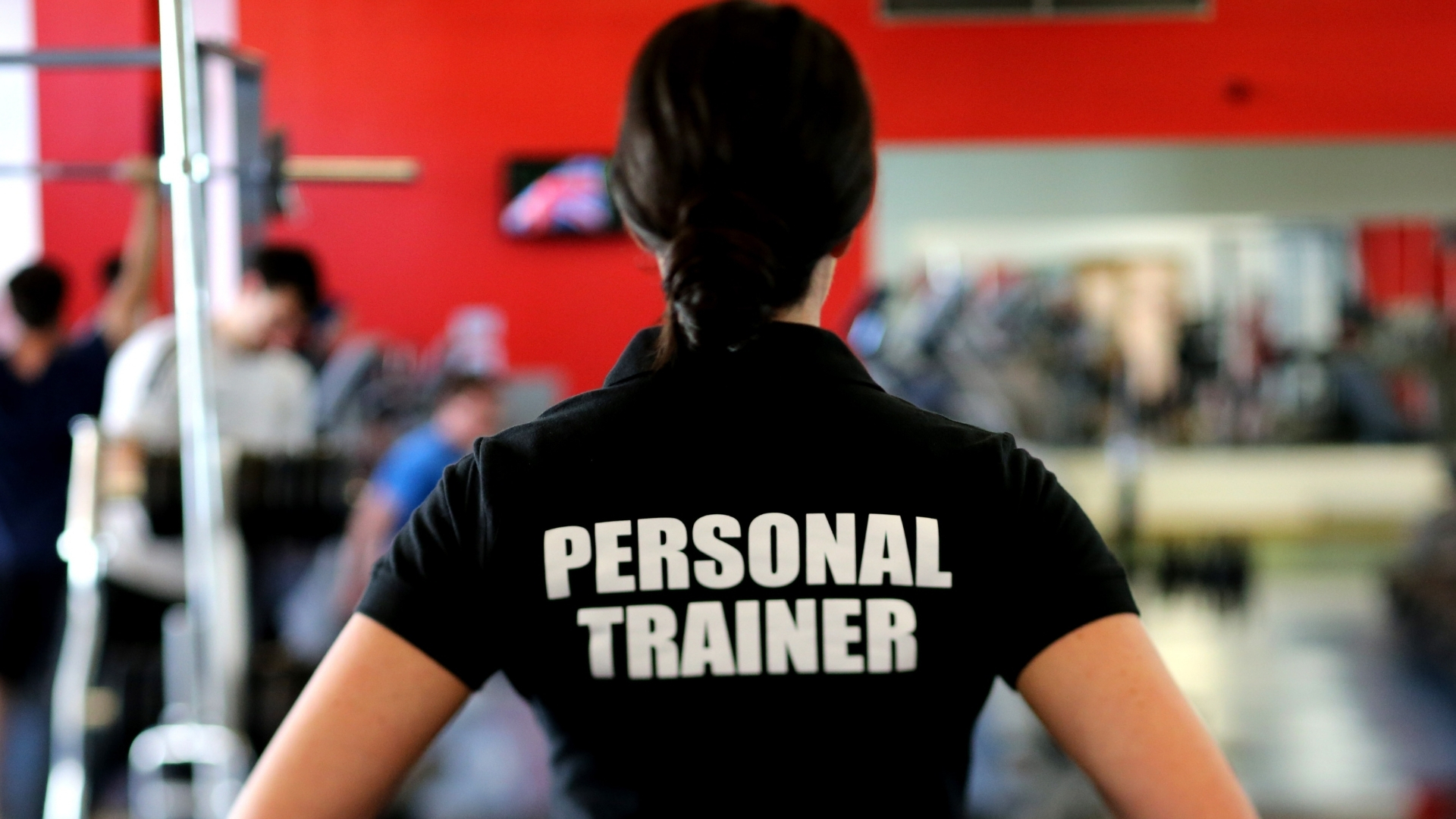
Most gym etiquette articles are written for members. This one is not. Personal trainers and group fitness instructors work under a higher standard because they are not just using the gym. They are working in it. They are being paid in a shared space, representing a facilities brand, influencing client experience, and shaping the gym culture around them.

This guide covers 21 common gym etiquette situations for fitness professionals. Some apply general gym-floor rules to trainers. Others reflect the added responsibility that comes with coaching clients and leading group fitness classes. These standards help separate average fitness professionals from those people trust, respect, and recommend.

21 Gym Etiquette Rules for Personal Trainers and Group Fitness Instructors

1. Arrive Early and Prepare Your Space

A trainer should arrive before the client, not with them and definitely not after them. That time is there to check equipment, scan the floor, adjust the workout if needed, and be fully ready when the client walks in.

If your client arrives and you are still looking for a bench, the session has already started badly.

Professional Standard

  • Arrive 10 to 15 minutes early.
  • Check equipment.
  • Prepare your space.
  • Adapt the session to what is actually available.

What to Avoid

  • Do not save multiple stations with towels or equipment.
  • Do not ask members to give up equipment for your client.
  • Your program should adapt to the gym floor, not the other way around.

2. Re-Rack Weights and Clean Up Completely

After the session ends, there should not be a loaded barbell, dumbbells on the floor, bands hanging around, or a sweaty mat left behind.

As a trainer, your cleanup standard should be higher than the average member’s.

Professional Standard

  • Build cleanup time into every session.
  • Re-rack weights properly.
  • Wipe down used surfaces.
  • Return equipment where it belongs.

What to Avoid

  • Do not leave a mess because you are rushing to your next appointment.
  • Cleanup is part of the session.

3. Manage Gym Floor Space Fairly

A shared gym floor is not your private training studio. Problems start when trainers spread out too far, set up giant circuits, or act like other members are in the way.

Professional Standard

  • Keep your setup tight and efficient.
  • During busy hours, use only the space you need.
  • Be ready to adjust when necessary.

What to Avoid

  • Do not run complicated circuits during peak times.
  • Do not tell clients to guard equipment while you move elsewhere.
  • Do not make members feel like they are interrupting your session.

4. Control Your Noise Level

Your voice carries in a gym. Coaching requires instruction and encouragement, but there is a difference between effective communication and turning your session into a performance.

Professional Standard

  • Coach at a normal conversational volume.
  • Stay close enough to your client that you do not need to shout.

What to Avoid

  • Do not count reps loudly across the room.
  • Do not shout routine encouragement just to sound energetic.
  • Do not use a performance voice to impress the room.

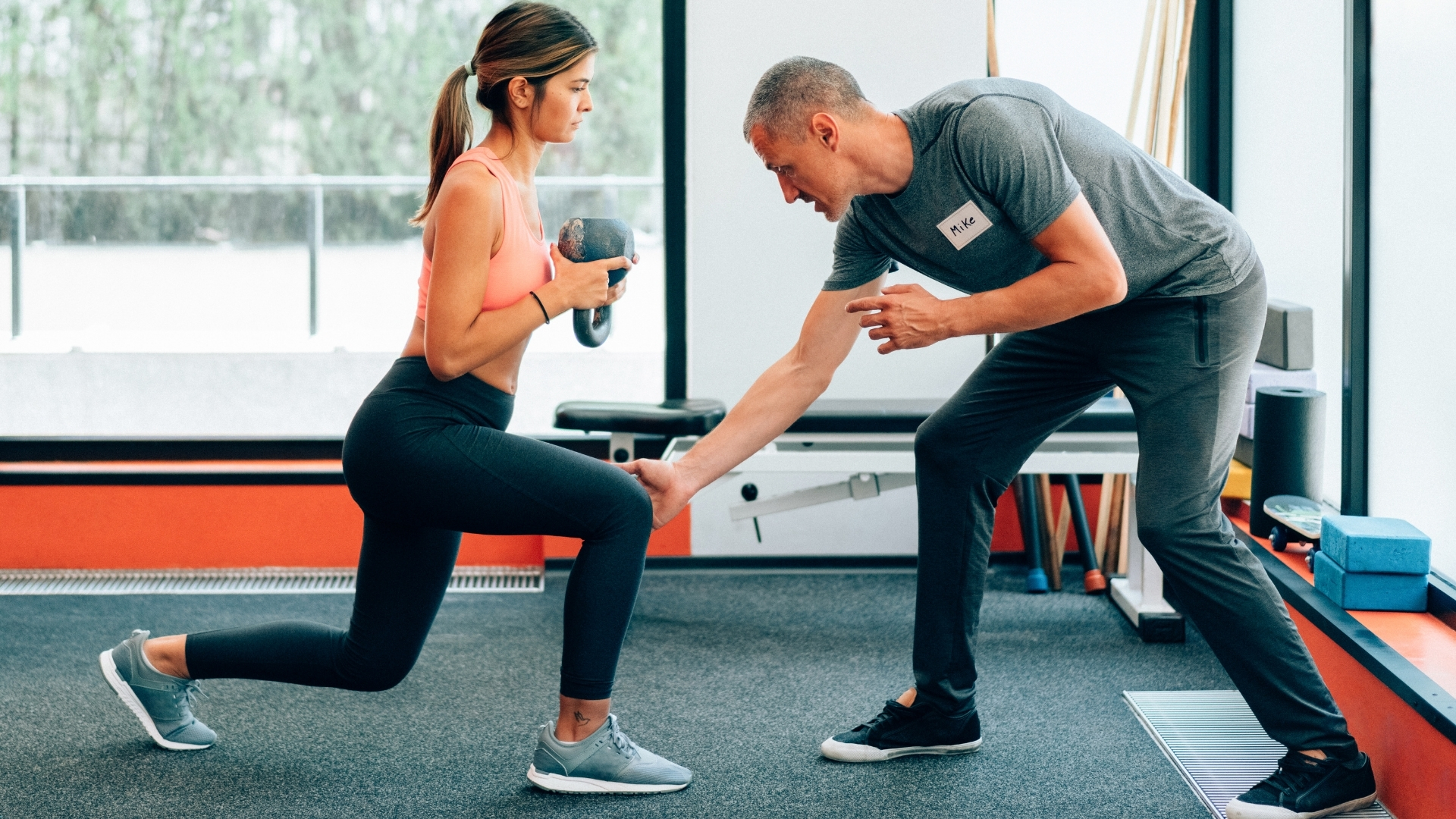
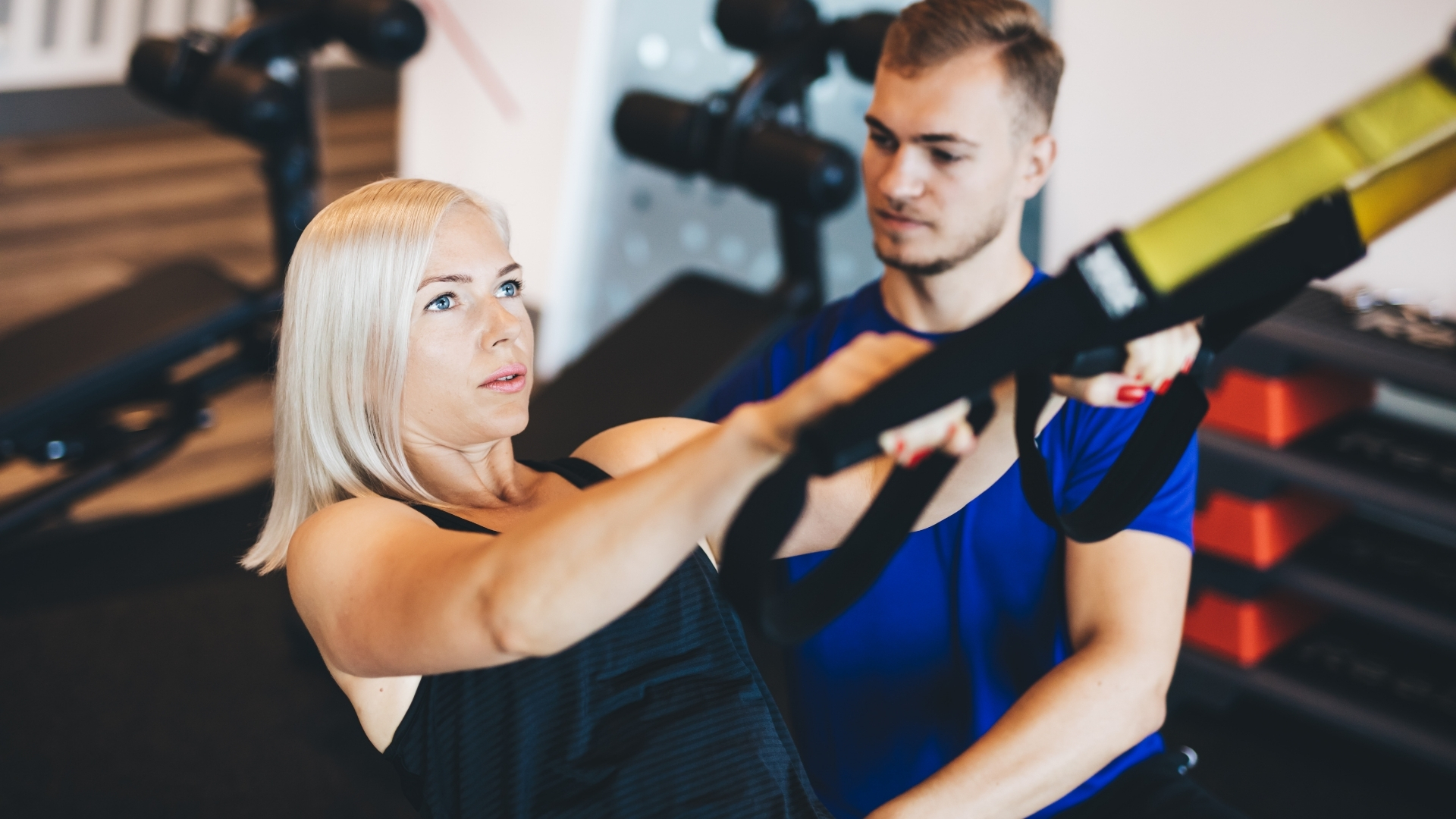
5. Correct Client Form Professionally

If a client needs technical correction, do it in a way that protects their dignity and keeps their confidence intact.

Professional Standard

  • Step closer.
  • Speak calmly.
  • Use one clear cue at a time.
  • Make corrections privately whenever possible.

What to Avoid

  • Do not shout corrections from across the room.
  • Do not repeat the same cue over and over if it is not working.
  • Find a better cue.

6. Stay Focused on Your Client

During a paid session, your attention belongs to the client.

Professional Standard

  • Acknowledge others briefly if needed.
  • Return your focus to the client immediately.

What to Avoid

  • Do not chat with staff, members, or other trainers while the client waits.
  • Do not leave a client alone during a session to socialize.

7. Limit Phone Use During Sessions

Phones are useful for timers, notes, and tracking workouts. Clients can tell the difference between professional use and distraction.

Professional Standard

  • Use your phone only when it directly supports the training session.

What to Avoid

  • Do not text.
  • Do not scroll social media.
  • Do not check notifications during coaching.
  • Do not take personal calls unless it is an emergency.
  • Do not film clients without prior consent.

8. Use Facility Areas Appropriately

Just because an area is open does not mean it is the right place to run a long training session.

Professional Standard

  • Use each area as intended.
  • Follow gym policies.
  • Choose setups that create minimal disruption.

What to Avoid

  • Do not occupy high-demand areas for an entire session during busy hours.
  • Do not coach in hallways, entrances, or spaces that create safety concerns.

9. Maintain Professional Hygiene and Appearance

Personal training is close-contact work. Hygiene and appearance matter.

Professional Standard

  • Wear clean, professional attire.
  • Use deodorant.
  • Stay groomed.
  • Freshen up between sessions when needed.

What to Avoid

  • Do not wear strong cologne or perfume.
  • Do not re-wear unwashed training clothes.
  • Do not ignore how your presentation affects the client experience.

10. Never Solicit Clients on the Gym Floor

Seeing a potential client does not give you permission to interrupt their workout.

Professional Standard

  • Build your business through quality coaching, referrals, and proper consultation channels.

What to Avoid

  • Do not approach another trainer’s client.
  • Do not disguise sales tactics as helpful advice.
  • Do not undermine coworkers.

11. Maintain Professional Boundaries

Training relationships can become personal quickly. Boundaries must remain clear.

Professional Standard

  • Be warm, respectful, and consistent.
  • Keep sessions focused on client goals and well-being.

What to Avoid

  • Do not allow sessions to become unpaid therapy.
  • Do not overshare your personal life.
  • Do not create favorites.
  • Do not date current clients.

12. Stay Within Your Scope of Practice

Clients may ask questions that fall outside your qualifications.

Professional Standard

  • Refer out when necessary.
  • Stay within your expertise.
  • Adjust training conservatively.

What to Avoid

  • Do not diagnose injuries.
  • Do not interpret medical scans or lab results.
  • Do not provide individualized nutrition advice unless legally qualified.

13. Do Not Give Unsolicited Advice

Poor technique does not automatically make it your responsibility to intervene.

Professional Standard

  • Step in only when there is an immediate safety concern.

What to Avoid

  • Do not use advice as a sales strategy.
  • Do not hand out business cards after giving unrequested coaching.

14. Respect Other Trainers

Not every trainer coaches the same way you do.

Professional Standard

  • Share space fairly.
  • Handle disagreements professionally.
  • Treat coworkers with respect.

What to Avoid

  • Do not badmouth another trainer or member.
  • Do not create territorial conflicts over equipment.

15. Be Punctual

Running late sends the message that your time matters more than the client’s.

Professional Standard

  • Start on time.
  • End on time.
  • Leave transition time between appointments.

What to Avoid

  • Do not start late without acknowledging it.
  • Do not regularly run over sessions.
  • Do not overschedule your day.

16. Handle Emotional Moments Professionally

Clients sometimes become discouraged, emotional, or overwhelmed.

Professional Standard

  • Lower your voice.
  • Acknowledge their feelings.
  • Adjust the session appropriately.
  • Move to a quieter area if needed.

What to Avoid

  • Do not ignore obvious distress.
  • Do not force the workout forward.
  • Do not become the client’s therapist.

17. Prepare Before Group Fitness Class

If participants arrive while you are still setting up, you are already behind.

Professional Standard

  • Arrive 15 to 20 minutes early.
  • Set up equipment.
  • Test music and technology.
  • Greet participants.

What to Avoid

  • Do not prepare the room while members are arriving.
  • Do not ignore newcomers because you are still organizing.

18. Coach All Fitness Levels

A class often includes both beginners and experienced participants.

Professional Standard

  • Build modifications and progressions into every workout.
  • Present all options as equally valid.

What to Avoid

  • Do not single out participants for modifications.
  • Do not design classes for only one fitness level.

19. Stay Engaged After Class

The class experience does not end when the final song stops.

Professional Standard

  • Stay available for a few minutes after class.
  • Answer questions.
  • Help reset the room.

What to Avoid

  • Do not leave immediately after class.
  • Do not leave cleanup to participants.
  • Do not block room turnover with long conversations.

20. Represent the Profession at All Times

Even when you are off the clock, people still recognize you as a fitness professional.

Professional Standard

  • Demonstrate courtesy and professionalism at all times.
  • Be consistent in how you conduct yourself.

What to Avoid

  • Do not complain about clients, staff, or management where members can hear.
  • Do not act differently when you think nobody is watching.

21. Respect Privacy When Filming

Content creation is common in fitness, but privacy should always come first.

Professional Standard

  • Follow facility policies.
  • Obtain clear consent before filming clients.
  • Be mindful of who appears in the background.
  • Choose filming locations and times that respect others.

What to Avoid

  • Do not film people without their knowledge or consent.
  • Do not block equipment, walkways, or shared spaces with cameras.
  • Do not assume filming is allowed everywhere.
  • Do not film in locker rooms, changing rooms, showers, or restrooms.

Final Thoughts

For personal trainers and group fitness instructors, gym etiquette is not optional.

People notice the small things. They notice whether you clean up after sessions, respect shared equipment, stay focused on clients, and act professionally under pressure. Over time, those everyday habits shape your reputation far more than most trainers realize.

Professionalism is built in the moments between the workouts.

Ready to take the next step in your career? AAAI Fitness certifications help personal trainers and group fitness instructors build practical knowledge, professional credibility, and real-world coaching skills.

Written by Joe Cannon, MS, a fitness educator with over 30 years of experience hiring, training, and mentoring personal trainers in commercial gyms and private facilities.

What's Next?

5 Secrets to Unforgettable Fitness Classes

5 Secrets to Unforgettable Fitness Classes

At AAAI Fitness, we believe great classes are about more than exercises, sets, and movement patterns. Every class is an opportunity to create an experience that leaves participants feeling empowered, connected, and eager to return. While technical knowledge and sound...

What Most Personal Trainers Get Wrong

What Most Personal Trainers Get Wrong

Thirty years in the fitness industry will teach you a thing or two. Jenna George of Jenna G Fitness has done it all — group fitness, personal training, bodybuilding prep, virtual coaching, and everything in between. And the wisdom she's picked up along the way? It's...

Mock Personal Training Interview: What Gets You Hired

A mock personal training interview is where many qualified trainers lose job opportunities, not because they lack knowledge, but because they misunderstand what gyms are evaluating.

Most candidates believe they need to impress the hiring manager with intensity, creativity, or advanced exercises. This pressure hits shy personal trainers especially hard, even though being introverted is not a disadvantage in one-on-one coaching.

This article explains what a mock personal training interview really is, how gyms score candidates, what mistakes lead to rejection, and how to approach a mock client session calmly, professionally, and strategically.

Mock Personal Training Interview Explained

A mock personal training interview is a simulated training session that gyms use to evaluate a potential new trainer’s ability to coach safely, communicate clearly, and exercise sound judgment. It is usually reserved for those who have already passed the initial sit-down job interview.

A manager or staff member plays the role of a mock client while observing how the fitness instructor structures a session, selects exercises, and responds in real time. Intensity and creativity are not the primary focus.

What Is a Mock Personal Training Interview?

A mock personal training interview is a hands-on hiring assessment commonly used by commercial gyms, private studios, and training facilities.

It may also be called:

  • a mock client session
  • a mock training session
  • a practical interview
  • a practical exam

During this meeting, you are asked to coach a short session while being observed. The purpose is not to test your physical fitness or creativity. It is to determine whether you can safely and professionally work with real clients on the gym floor.

Often, the “client” will be a member of the gym staff, maybe another personal trainer, or one of the salespeople. In a large, chain gym, you would likely be evaluated by either the manager or the fitness/ wellness director. If you are applying to a smaller private facility, the owner may be observing you.

Why Gyms Use Mock Personal Training Interviews

Gyms use mock interviews to reduce risk.

A résumé, fitness certification, or recommendation is great, but it does not demonstrate how a trainer:

  • communicates with a client
  • handles uncertainty
  • prioritizes safety
  • respects personal boundaries

That’s what a mock personal training interview can highlight.

During this time, the hiring manager is asking one core question:
Can we trust this person with paying clients?

How Mock Personal Training Interviews Are Scored

Safety (Non-Negotiable. Very Important!)

  • Appropriate exercise selection
  • Conservative progressions
  • Immediate response to pain or discomfort

One safety concern can override everything else you do right

Communication

  • Clear instructions to the client
  • Simple, effective cues
  • Ability to listen to clients’ concerns and questions

Judgment

  • Logical flow of the session
  • Exercise choices that match the client’s abilities/health issues (if any)
  • Willingness to adjust the program on the fly

Professionalism

  • Calm demeanor
  • Dresses appropriately
  • Respectful language
  • Appropriate boundaries (ask permission before touching/cueing)

Coachability

  • Openness to feedback
  • Ability to adapt to change (the machine you want is used by someone else)
  • No defensiveness when offered constructive feedback

Your athleticism, workout intensity, and program creativity are rarely scored.

What Trainers Think vs. What Gyms Actually Evaluate

Trainers Think Gyms Actually Evaluate
Workout intensity Client safety
Advanced exercises Sound judgment
Creativity Clear communication
Personal fitness level Coaching ability
Performance Professionalism

This disconnect is why so many candidates struggle.

What the Gym Hiring Manager Is Evaluating (And What They Are Not)

What they ARE evaluating

  • Exercise safety
  • Coaching clarity
  • Session structure
  • Client awareness
  • Decision-making

What they are NOT evaluating

  • How hard the client works (the number of sets is often not relevant)
  • How many exercises are programmed into the mock training session
  • Your physique
  • How impressive the session looks

Trying to score points in the wrong category costs people jobs.

The Mock Client Scenario Explained

Mock client descriptions are often intentionally vague.

You may be told:

  • “This client wants to lose weight”
  • “They’re new to exercise”
  • “They sit most of the day”

This ambiguity tests whether you:

  • ask clarifying questions
  • avoid assumptions
  • default to safe, general programming

Assuming injuries, fitness level, or goals without asking is a common red flag.

Pro Tip: Safety Questions to Ask Before a Mock Personal Training Interview

Before the exercise session begins, ask these two questions

  1. “Can I assume the person is apparently healthy?”
  2. “Can I also assume the person has completed all necessary paperwork, including the waiver, health history form, and PAR-Q, before the training session begins?”

Another good question to ask is, “Can I assume the client is already properly warmed up?” Most people will miss asking these critical questions. By asking these questions, you are telling the hiring manager that you are prioritizing safety. You are protecting not only the client but the gym’s brand, too.

The person doing the evaluation will generally reply yes to all of these questions.

How to Structure a Mock Personal Training Interview Session

The mock personal training interview often causes a lot of stress and anxiety among new trainers, but it doesn’t have to. A simple, structured exercise program performs best.

Because most people who hire personal trainers are novices and those who have not worked out in a long time, the simplest and most effective exercise program for the mock training interview is a total-body circuit strength-training program. Here’s an overview:

  • Choose 4 to 5 different exercises in advance and have the client perform one set of each.
  • Use the RPE scale to gauge how heavy the weight feels for the client. Aim for a rating of 4 to 5 (moderate load)
  • Before each exercise, explain the primary muscles used
  • Demonstrate the exercise if the client appears not to understand
  • Cue the exercise properly, remembering to ask permission if you need to correct their form

Remember, you are not being graded by how difficult or complex the workout is. They really just want to make sure you are safe and see how you interact with members.

Pro tip: Make sure the client performs the exercises in the proper order. For example, don’t have them perform biceps curls immediately before a lat pulldown exercise.

Sample Circuit Strength Training Program for a Mock Personal Training Interview

Perform one set of each exercise

  • Chest press machine
  • Seated row
  • Leg press
  • Shoulder press
  • Leg curl

Notice how each of these is a compound movement. Consider giving priority to multi-joint, compound exercises in your program. Also, notice that each chosen exercise does not overlap with the next, giving muscle groups time to recover.

Exercises That Work Well in a Mock Personal Training Interview

Safe, familiar movements allow you to demonstrate your coaching skills.

Examples include:

  • Body weight squats or sit-to-stands
  • Hip hinges
  • Push-ups or wall push-ups
  • Seated rows using a machine or resistance bands
  • Core stability exercises like planks

These minimize risk and highlight communication.

Exercises That Often Backfire During The Mock Personal Trainer Interview

Avoid exercises that increase complexity or injury risk.

Examples:

  • Max-effort lifts
  • Plyometrics
  • Olympic lift variations

These raise questions about judgment, not knowledge.

Common Mistakes That Cost Trainers the Job

These mistakes appear often in failed mock interviews.

  • Talking instead of coaching
  • Ignoring discomfort
  • Rushing the session
  • Trying to impress instead of educate
  • Failing to explain exercise selection

Calm, controlled coaching consistently outperforms intensity.

What to Say During a Mock Personal Training Interview

You do not need to narrate everything, but selective explanations, where appropriate, help.

Effective phrases include:

  • “I’m choosing this exercise because…”
  • “Let me know if this causes you discomfort.”
  • “Since this is a mock session, I’m keeping this conservative.”

These statements demonstrate awareness and professionalism. Hiring managers are listening for how you communicate and encourage clients, not just what exercises you choose. Clear, supportive language and basic motivating clients go a long way during a mock session.

What to Wear and How to Present Yourself

Appearance and demeanor matter.

  • Clean, professional workout attire
  • Neutral colors
  • Proper footwear
  • Good hygiene (avoid cologne/perfume)
  • Calm body language

You are being evaluated as a representative of the gym.

How Long Mock Personal Training Interviews Usually Last

Most mock sessions last 10 to 20 minutes.

Short sessions are normal and not a negative signal. Hiring managers often gather enough information quickly. Remember, evaluating your performance is one of the many things they do during their working day.

Differences Between New and Experienced Trainers

New trainers

  • Safety and coachability matter most
  • Simplicity is expected

Experienced trainers

  • Judgment and adaptability are scrutinized
  • Overconfidence can hurt

Safety remains the top priority at every level.

How to Recover If You Make a Mistake

If you make a mistake, don’t worry. Stuff happens. Recovery matters too.

Good recovery looks like:

  • Acknowledging the issue calmly
  • Adjust the exercise accordingly
  • Briefly explain the change
  • Move forward and continue the workout

Trying to hide mistakes raises concerns.

After the Mock Interview: What Happens Next?

After you complete the mock personal training interview:

  • The feedback you get may be immediate or delayed by a few days
  • Silence does not always mean you are not hired
  • Decisions often involve multiple candidates to see who fits the job best

A brief, professional follow-up email or handwritten note is appropriate a day or two later.

Frequently Asked Questions

Is a mock personal training interview hard?

It can be challenging, mainly because trainers often misunderstand what is being evaluated. Safety and communication matter more than performance.

Can you fail a mock personal training interview?

Yes. Safety concerns, poor communication, or unprofessional behavior can quickly disqualify you from being hired.

Do you need to train the mock client intensely?

No. Intensity is not a scoring factor and often works against candidates.

Should you bring a workout plan?

Usually, no. Hiring managers want to see how you think and adapt in real time.

What if the mock client reports pain?

You should adjust the workout immediately. Ignoring pain is one of the fastest ways to fail.

Final Advice From a Trainer Educator

After decades in fitness education and hiring environments, the pattern is consistent.

The trainers who succeed are not the most impressive.
They are the most reliable, safe, and coachable.

Approach the mock personal training interview as a professional evaluation, not a performance, and your chances of being hired increase dramatically.


Written by Joe Cannon, MS, a fitness educator with over 30 years of experience hiring, training, and mentoring personal trainers in commercial gyms and private facilities.

Want to Learn More?

5 Secrets to Unforgettable Fitness Classes

5 Secrets to Unforgettable Fitness Classes

At AAAI Fitness, we believe great classes are about more than exercises, sets, and movement patterns. Every class is an opportunity to create an experience that leaves participants feeling empowered, connected, and eager to return. While technical knowledge and sound...

What Most Personal Trainers Get Wrong

What Most Personal Trainers Get Wrong

Thirty years in the fitness industry will teach you a thing or two. Jenna George of Jenna G Fitness has done it all — group fitness, personal training, bodybuilding prep, virtual coaching, and everything in between. And the wisdom she's picked up along the way? It's...

Personal Trainer Interview Tips: How to Get Hired at a Gym (Part 1)

If you search online for personal trainer interview tips, you’ll see a lot of polite advice that sounds good but does not reflect how gyms actually hire. Here’s the truth: most personal trainers who fail interviews are qualified on paper. They lose the job because they misunderstand what gyms are hiring for, how interviews are evaluated, and what hiring managers silently reject.

This three-part guide explains how personal trainer interviews actually work, what gym managers care about most, and how to avoid the mistakes that quietly cost trainers job offers every week.

How to Succeed in a Personal Trainer Interview

To succeed in a personal trainer interview, focus less on proving your knowledge and more on showing professionalism, communication skills, and reliability. Gym managers hire trainers they trust with members and business operations, not trainers who simply recite exercise science.

Many trainers enter interviews prepared to prove how much they know. They expect to discuss programming, anatomy, and training techniques. They prepare to demonstrate their passion for fitness and their commitment to helping people.

While all of that matters, it is rarely what determines whether someone gets hired.

Gym managers are not interviewing you to see if you can pass another certification exam. They are evaluating whether you can succeed inside a service business. Personal training is not just coaching. It is client experience, retention, communication, and brand representation.

From a hiring manager’s perspective, the central question is simple: Can we trust this person with our members and our business?

That question quietly guides every interview decision.

Successful candidates:

  • Communicate clearly and listen well
  • Understand that personal training involves sales and client retention
  • Present themselves professionally on and offline
  • Demonstrate calm, client-focused coaching

What Gyms Evaluate During a Personal Trainer Interview

Area Evaluated What Managers Look For
Certifications Meets insurance requirements
Communication Clear, calm, client-friendly
Sales mindset Willing to learn and engage
Professionalism Reliability and boundaries
Coachability Openness to feedback


Tasks to Do Before the Interview

Research the Gym’s Website and Social Media

Before attending a personal trainer interview, review the gym’s website and social media presence. Nearly every fitness facility today uses platforms such as Instagram, Facebook, YouTube, and LinkedIn to communicate its culture, priorities, and target clientele.

Look at what they post, how often they post, and who they are speaking to. Watch their videos. Read the comments. Pay attention to whether the gym emphasizes personal training, group fitness, community events, or transformations. This information helps you understand what the gym values and how trainers are expected to represent the brand.

If the person interviewing you has a professional LinkedIn profile, review that as well. It can give you insights into their background, management style, and priorities during the interview.

Doing this kind of research is far more useful than going online and asking strangers for opinions about a gym. Social media shows how a facility presents itself to the public, which is exactly what hiring managers care about when deciding whom to bring onto their team.


Clean Up Your Social Media Profiles

Assume this going in: there is a strong chance a gym manager will look you up online before deciding whether to interview you. Your social media profiles often influence that decision more than your résumé.

What you post gives employers insight into your judgment, professionalism, and self-awareness. Content that is offensive, overly aggressive, sexually explicit, or constantly negative raises red flags. Even posts that seem harmless to you may signal poor boundaries or a lack of maturity to a hiring manager.

Before applying for a personal trainer job, review every public-facing social media account you have. Remove or hide posts that could be viewed as controversial, unprofessional, or inconsistent with the role of a fitness professional. This includes comments, shared posts, old photos, and public arguments.

Also consider what is missing. Profiles that show nothing related to fitness, coaching, or helping others can work against you just as much as inappropriate content. You do not need to be an influencer, but your online presence should not contradict the role you are applying for.

A simple rule works well here: do not post anything online that you would be uncomfortable explaining to a gym manager, a client, or your grandmother. Don’t post anything that would catch Joey Swoll’s attention either!


The Biggest Reasons Personal Trainers Fail Interviews (No One Warns You About These)

Most trainers fail interviews for behavioral reasons, not technical ones. Some interview mistakes are obvious. Others quietly end a candidate’s chances without explanation.

Speaking negatively about previous employers, appearing unaware of the gym’s business model, or presenting the role as temporary can all raise concerns. Excessive nervous talking, lack of eye contact, or overly rehearsed answers can create the impression that a trainer may struggle with real client interactions.

These behaviors are not necessarily reflections of a trainer’s ability to coach exercise. They are signals about how that trainer might function in a customer-facing environment. Because gyms operate in a highly interpersonal industry, these signals carry significant weight.

This is often the source of confusion for candidates who feel qualified but receive no offer. The decision was not about knowledge. It was about trust.

Common deal-breakers include:

  • Complaining about past gyms or managers
  • Cursing during interviews
  • Bringing a parent/relative to a job interview
  • Poor eye contact or nervous body language
  • Not understanding the basics of gym sales

If a manager cannot imagine you calmly working with everyday gym members, the interview ends quickly. These mistakes often leave trainers confused, especially when they feel qualified on paper. This leads to a common and frustrating question many certified personal trainers ask after being turned down for a job.

Wrapping Up Part 1

In this first part, we focused on the mindset shift that separates trainers who get hired from those who don’t. You learned why certifications and technical knowledge alone aren’t enough, what gym managers are really looking for, and the silent deal-breakers that often cost qualified trainers a job.

In Part 2, we’ll dive into the interview itself. You’ll learn how to navigate common questions, approach sales conversations with confidence, communicate clearly, and leave a lasting professional impression.

Finally, Part 3 will take you onto the gym floor for mock training sessions and your first 30 days on the job. You’ll discover what hiring managers are watching for in real-world coaching, how to shine under pressure, and how to set yourself up for long-term success as a personal trainer.

Following all three parts of this series will give you a clear roadmap—from mindset to interview to on-floor performance—so you can confidently stand out and secure the job you want.

Written by Joe Cannon, MS, a fitness educator with 30 years of experience working one-on-one with clients, including many who prefer focused, low-chatter training environments.

Ready for Your Next Step?

5 Secrets to Unforgettable Fitness Classes

5 Secrets to Unforgettable Fitness Classes

At AAAI Fitness, we believe great classes are about more than exercises, sets, and movement patterns. Every class is an opportunity to create an experience that leaves participants feeling empowered, connected, and eager to return. While technical knowledge and sound...

What Most Personal Trainers Get Wrong

What Most Personal Trainers Get Wrong

Thirty years in the fitness industry will teach you a thing or two. Jenna George of Jenna G Fitness has done it all — group fitness, personal training, bodybuilding prep, virtual coaching, and everything in between. And the wisdom she's picked up along the way? It's...

Personal Trainer Tax Deductions Made Simple

If you work as a 1099 independent contractor or self-employed personal trainer, you are not just coaching clients. You are running a business. Understanding how business expenses work can directly impact how much of your income you keep each year.

Many fitness professionals overlook deductions they may be eligible for, or struggle with recordkeeping that makes those deductions harder to claim. This guide breaks down common personal trainer tax deductions in clear, practical terms so you can better understand how expenses typically work for trainers.


This content is educational only and not tax advice. Every situation is different. A CPA or IRS-licensed Enrolled Agent can help you apply these principles to your specific business.

Quick Overview for 1099 Personal Trainers

If you are a 1099 independent contractor or self-employed fitness trainer, common business deductions often include:

  • Mileage and business-related driving with a mileage log

  • Gym or studio fees such as rent or pay-to-train costs

  • Liability and business insurance

  • Equipment and supplies used with clients

  • Certifications, CPR/AED, and continuing education related to your current business

  • Marketing and advertising

  • Software, apps, and subscriptions

  • Business-use portion of phone and internet

  • Professional services such as tax prep or bookkeeping

  • Home office expenses, when requirements are met

Good documentation matters. Receipts, invoices, mileage logs, and a consistent approach to mixed-use expenses make deductions easier to support. Most tax deductions for personal trainers come down to one standard: the expense must be ordinary and necessary for running your training business.

In simple terms, it should be a common cost for trainers and help you operate your business, serve clients, or acquire customers. Clear records are especially important for expenses that could be partly personal.

Common Tax Deductions for Personal Trainers

Many 1099 and self-employed personal trainers deduct a similar group of business expenses. While eligibility depends on documentation and business use, these are some of the most common categories trainers track throughout the year.

  • Mileage and business driving
    Driving between clients, gyms, studios, or to purchase business supplies may qualify as business mileage. A mileage log should include dates, miles driven, destinations, and business purpose. Mobile trainers often find this to be one of their largest deductions.

  • Gym or studio fees
    Monthly trainer rent, studio rentals, or per-session facility access fees paid to train clients are commonly deductible. Keep contracts, invoices, and proof of payment.

  • Equipment and training supplies
    Items used during sessions such as resistance bands, mats, kettlebells, cones, timers, and cleaning supplies are often deductible. If equipment is used for both personal and business purposes, apply a reasonable business-use percentage and document how it was calculated.

Additional Tax Deduction Considerations

  • Certifications, CPR/AED, and continuing education
    Certification renewals, CPR/AED courses, and continuing education that maintain or improve skills for your current training business are commonly deducted. Save receipts and proof of completion.

  • Insurance
    Professional liability insurance and other business-related insurance policies are typical expenses for independent trainers. Keep policy documents and payment records.

  • Marketing and advertising
    Website hosting, domain fees, paid ads, email marketing platforms, business cards, signage, and professional photo or video content are often clearly business-related.

  • Software, apps, and subscriptions
    Scheduling tools, client management systems, programming platforms, video conferencing software, bookkeeping tools, and cloud storage are common for both in-person and online trainers. Mixed-use subscriptions should be reasonably allocated.

  • Phone and internet
    Many trainers deduct the business-use portion of phone and internet expenses used for scheduling, client communication, programming, and marketing. A consistent method for estimating business use is important if the service is shared with personal use.

  • Home office expenses
    A home office may qualify if the space is used regularly and exclusively for business activities such as programming, administrative work, or online coaching. Measurements, photos, and usage notes can help support this deduction.

  • Professional services and administration
    Fees for tax preparation, bookkeeping, accounting, legal services, payment processing, and business banking are commonly deducted and easy to document.

Additional Tips

Some expenses are frequently discussed among fitness professionals but can be harder to justify as business deductions. Gym memberships often fall into this category because they usually provide personal value in addition to any business benefit. Fees paid specifically for the right to train clients, such as trainer rent or facility access fees, are generally easier to support than a general membership.

Workout clothing and shoes are also commonly considered personal expenses, since they can typically be worn outside of work. In limited cases, branded or required apparel that functions as a true uniform may be easier to defend, but many trainers take a conservative approach here.

Supplements, groceries, and recovery tools are usually treated as personal expenses as well, even when they support performance or energy for work. These items are typically only considered business-related when purchased specifically for client use as part of a paid service, with clear documentation.

Because most 1099 personal trainers do not have taxes withheld from their income, planning ahead is essential. Many trainers set aside a percentage of each client payment for taxes, track monthly profit rather than just revenue, and keep business spending separate from personal finances. Estimated tax due dates can vary by year, so confirming current deadlines with the IRS or a tax professional is an important step.

Strong recordkeeping habits make deductions easier to claim and easier to support. A simple system used by many trainers includes one dedicated business bank account or card, digital storage for receipts, monthly expense reviews, and mileage tracking when driving for business. Common mistakes include mixing personal and business spending, failing to track mileage, and waiting until tax season to organize expenses.

Final Thoughts

Understanding tax deductions as a 1099 or self-employed personal trainer is part of running a sustainable fitness business. When expenses are tracked properly and approached with clarity, deductions can help reduce taxable income and create more financial stability throughout the year.

The key is consistency. Keeping business finances separate, maintaining clear records, and taking a thoughtful approach to gray-area expenses allows trainers to focus less on scrambling at tax time and more on growing their careers. When questions arise, working with a qualified tax professional can provide peace of mind and ensure decisions stay within current guidelines.

Building a long-term career in fitness is not just about coaching skills. It is also about understanding the business side of the industry and making informed choices that support longevity, professionalism, and growth.

Written by Joe Cannon, MS, a fitness educator with 30 years of experience working one-on-one with clients, including many who prefer focused, low-chatter training environments.

Explore More

5 Secrets to Unforgettable Fitness Classes

5 Secrets to Unforgettable Fitness Classes

At AAAI Fitness, we believe great classes are about more than exercises, sets, and movement patterns. Every class is an opportunity to create an experience that leaves participants feeling empowered, connected, and eager to return. While technical knowledge and sound...

What Most Personal Trainers Get Wrong

What Most Personal Trainers Get Wrong

Thirty years in the fitness industry will teach you a thing or two. Jenna George of Jenna G Fitness has done it all — group fitness, personal training, bodybuilding prep, virtual coaching, and everything in between. And the wisdom she's picked up along the way? It's...

Can a Shy Personal Trainer Succeed? How Introverts Thrive One-on-One

If you’re a shy personal trainer or an introvert thinking about training clients one-on-one, you’re not alone and you are not automatically at a disadvantage. Many people considering personal training worry that not enjoying small talk or constant social interaction will hold them back in the gym. In reality, personal training is far less about being outgoing and far more about structure, focus, and the ability to guide someone safely and effectively toward their goal.

Who This Article Is For

This article is for:

  • New or aspiring personal trainers who are introverted or shy

  • Trainers who prefer one-on-one coaching over group classes

  • People considering personal training as a side job or weekend role

  • Trainers who want results without forcing a high-energy persona

Can a Shy or Introverted Person Be a Successful Personal Trainer?

Yes. Shy or introverted people can be successful personal trainers, especially in one-on-one settings.

Personal training does not require being outgoing or talkative. It requires clear instruction, attention to detail, and the ability to help clients feel supported and safe. Many introverted trainers excel in one-on-one settings because they listen well, stay focused, and coach with intention rather than constant conversation.

This is exactly what many clients want.

What Personal Training Actually Requires (And What It Doesn’t)

Personal training requires:

  • Clear communication

  • Attention to movement and technique

  • Consistency

  • Trust

  • Accountability

It does not require:

  • Constant conversation

  • Entertaining clients

  • High-energy social behavior

  • Small talk for an entire session

Most clients care far more about whether they feel guided and supported than whether the trainer is talkative.

Why Introverts Often Struggle With the Wrong Part of the Fitness Job

Introverted trainers often assume they must “be more social” to succeed. That belief creates unnecessary pressure and anxiety.

The real issue is not introversion.
The issue is unstructured interaction.

When conversation has no purpose, it feels awkward. When interaction is structured, it feels professional.

How to Be a Personal Trainer Without Small Talk

Small talk is optional. Purposeful communication is not.

Clients hire trainers for guidance. That includes:

  • Explaining what to do

  • Giving clear, concise cues

  • Correcting form

  • Progressing exercises safely

You are not required to fill silence. Rest periods exist for recovery, not conversation. Many clients prefer a trainer who allows quiet focus rather than forced chatter.

What Many Clients Prefer in a Personal Trainer

Many clients report that they prefer trainers who:

  • Do not talk excessively during workouts

  • Give clear, concise instructions

  • Allow rest periods without pressure to converse

  • Stay focused on form and progress

  • Are professional

  • Are sincerely invested in helping people achieve their fitness goals

For beginners, older adults, or clients returning after injury, a calm and attentive trainer often feels more professional and reassuring than a highly social one.

A Simple Fitness Training Session Structure That Reduces Social Anxiety

Structure removes uncertainty, which reduces anxiety for both trainer and client.

A simple session flow:

  • Brief check-in: “How did your body feel after the last session?”

  • Session goal: “Today we’re working on lower-body strength.”

  • Coaching during sets: Short cues and specific feedback

  • Rest periods: Silence is fine

  • Wrap-up: “Here’s what to expect at the next workout.”

This keeps communication professional, efficient, and predictable.

A Simple First-Session Script for Shy Personal Trainers

You do not need to improvise conversations. A simple script like this one works:

  • “Today I’ll walk you through each movement and explain what we’re doing as we go.”

  • “Let me know if anything feels uncomfortable.”

  • “We’ll keep things focused and adjust on the fly as needed.”

Giving clear expectations reduces anxiety for both the trainer and the client.

Actionable Tips for Shy or Introverted Personal Trainers

  • Use a consistent session template

  • Prepare coaching cues in advance

  • Ask purposeful, professional questions

  • Allow silence during rest periods

  • Focus on outcomes, not likability

  • Accept that not every client is a fit

Common Myths About Shy or Introverted Personal Trainers

Myth: You have to be outgoing to succeed as a personal trainer
Reality: Clients care more about results, safety, and trust than personality type.

Myth: Silence makes clients uncomfortable
Reality: Most clients are focused on breathing, effort, or recovery during rest periods.

Myth: Introverts are bad at motivating clients
Reality: Motivation comes from clarity, progress, and accountability, not volume.

Frequently Asked Questions

Can shy people be good personal trainers?
Yes. Many shy or introverted people are excellent personal trainers, especially in one-on-one settings where listening and attention matter more than being outgoing.

Is personal training hard for introverts?
It can be challenging if you believe you must be constantly social. With structure and clear communication, many introverts find personal training fits their strengths well.

Do personal trainers need to be outgoing?
No. Personal trainers need to be knowledgeable, attentive, and reliable. Being outgoing is optional, not required.

Final Thoughts

Introversion is not a weakness in personal training. Trying to hide it is.

If you are prepared, observant, and intentional, your personality becomes an asset rather than a barrier.

Written by Joe Cannon, MS, a fitness educator with 30 years of experience working one-on-one with clients, including many who prefer focused, low-chatter training environments.

Learn More

5 Secrets to Unforgettable Fitness Classes

5 Secrets to Unforgettable Fitness Classes

At AAAI Fitness, we believe great classes are about more than exercises, sets, and movement patterns. Every class is an opportunity to create an experience that leaves participants feeling empowered, connected, and eager to return. While technical knowledge and sound...

What Most Personal Trainers Get Wrong

What Most Personal Trainers Get Wrong

Thirty years in the fitness industry will teach you a thing or two. Jenna George of Jenna G Fitness has done it all — group fitness, personal training, bodybuilding prep, virtual coaching, and everything in between. And the wisdom she's picked up along the way? It's...

Does Soy Lower Testosterone in Men? What the Science Really Says

Soy is often at the center of heated debates when it comes to men’s health, especially around one big question: Does soy lower testosterone? Some people believe eating soy will reduce “manly” hormones and even cause unwanted side effects like gynecomastia (enlarged male breasts). But what does the research say?

In this article, we’ll break down the science of soy and testosterone. We’ll cover what studies show, how much soy was consumed, and answer common questions men often have about soy. We’ll also touch on research in women for a broader perspective.

What is Soy and Why Do People Worry About It?

Soybeans are packed with plant compounds called isoflavones, which are sometimes called “phytoestrogens” because they can mimic weak forms of estrogen in the body. This has led some to think soy could lower testosterone, the primary male sex hormone.

The concern comes mostly from animal studies or extreme cases of people consuming huge amounts of soy. But when researchers looked at men eating normal amounts of soy, the story is very different.

What Does the Research Say About Soy and Testosterone in Men?

Meta-Analysis #1: The 2010 Review

A major 2010 meta-analysis reviewed 32 clinical trials looking at soy and male hormones. It included men who ate soy foods, soy protein, or took isoflavone supplements for anywhere from a few weeks to several months. Here’s what they found:

  • 📌 Soy did not lower total testosterone.
  • 📌 Soy did not affect free testosterone (the active form in the body).
  • 📌 Sex hormone-binding globulin (SHBG) levels didn’t change either.

In short: Normal soy intake didn’t impact male hormones in any significant way​.

Meta-Analysis #2: Updated 2021 Review

An expanded 2021 review looked at 41 studies involving over 1,700 men. This newer research confirmed the earlier findings. Whether men ate soy foods, took supplements, or consumed soy protein shakes, their testosterone, estrogen, and SHBG levels stayed normal.

Even when men consumed more than 75 mg of isoflavones per day (which is a pretty high amount), testosterone didn’t budge​.

The Outlier: Extreme Soy Intake

One case report in 2022 described a man who drank 1.2 liters of soy milk daily (about 310 mg of isoflavones) for three years. He did experience low testosterone and symptoms like erectile dysfunction and gynecomastia. But once he stopped the excessive soy intake, his hormone levels returned to normal​.

How Much Soy Are We Talking About?

In these studies, most men consumed 20 to 50 grams of soy protein per day, which is roughly:

  • 2-4 cups of soy milk
  • 1-2 servings of tofu (about ½ to 1 cup)
  • 1-2 handfuls of roasted soy nuts

This translates to 40 to 75 mg of isoflavones daily—a realistic range if you’re eating soy as part of a balanced diet.

For reference, Japanese men, who traditionally eat more soy, typically consume 30-50 mg of isoflavones daily and maintain normal testosterone levels.

What About Women? Soy and Hormones in PCOS

In women, soy may even help balance hormones, especially for those with polycystic ovary syndrome (PCOS). A 2020 meta-analysis found that soy isoflavones reduced testosterone levels in women with PCOS, who tend to have high testosterone. However, soy didn’t significantly change other hormones like follicle-stimulating hormone (FSH)​.

Frequently Asked Questions (FAQ)

1. Does soy lower testosterone in men?

No, clinical studies consistently show that soy and isoflavones don’t lower testosterone in men eating normal amounts.

2. Will soy give men gynecomastia (man boobs)?

No, unless you’re consuming extreme amounts (like drinking over a quart of soy milk daily for years). For typical intake, there’s no evidence of feminizing effects.

3. Is soy bad for muscle building?

Soy protein is a high-quality, complete protein. Studies show it supports muscle gain just like whey or other protein sources.

4. Is soy safe for men’s reproductive health?

Yes, studies show no effect on sperm counts or male fertility from regular soy intake.

5. How much soy is too much?

Consuming 300+ mg of isoflavones per day (about 8-10 cups of soy milk daily) might lead to issues. Normal dietary intake, around 1-4 servings of soy foods daily, is considered safe.

Conclusion

The bottom line is simple: Soy does not lower testosterone in men who consume it at typical dietary levels.

Men can enjoy soy as part of a healthy, balanced diet without worrying about their hormones. Whether it’s tofu, soy milk, edamame, or soy protein shakes, the overall research shows no negative impact on testosterone.

For women, particularly those with PCOS, soy may even have positive effects on hormone balance.

So next time someone tells you to avoid soy for fear of “losing testosterone,” you can confidently say, “Science says otherwise!”

Conquer Muscle Soreness: The Ultimate Guide to Delayed Onset Muscle Soreness (DOMS) Relief and Prevention

By Joseph Cannon M.S.
Delayed onset muscle soreness (DOMS) is a familiar foe for anyone who has pushed their muscles to new limits through intense exercise. This phenomenon, characterized by muscle stiffness, tenderness, and decreased range of motion, typically sets in 12-24 hours after a grueling workout and can last for several days. While DOMS is often seen as a badge of honor among fitness enthusiasts, it can be a significant barrier for clients, especially those new to exercise. As a fitness trainer, understanding the causes, symptoms, and management strategies for DOMS is crucial to creating effective and enjoyable training programs that keep your clients motivated and injury-free. This article will delve into the physiology and causes of DOMS, explore evidence-based techniques to alleviate its discomfort, and provide practical tips for mitigating its impact on your clients’ workout experiences. By mastering the art of managing muscle soreness, you can foster a positive and empowering environment that nurtures long-term commitment to physical fitness.

What is Delayed Onset Muscle Soreness (DOMS) & Why Does It Happen?

Delayed Onset Muscle Soreness (DOMS) is a phenomenon that every fitness enthusiast has likely experienced at some point. It’s that nagging, achy feeling in your muscles that sets in a day or two after a workout, especially if you’ve tried new exercises or significantly increased the intensity of your routine. The phenomenon is complicated, but here is a summary of what happens at the cellular level:

  • During intense or unaccustomed exercise, mechanical stress and metabolic fatigue cause microscopic damage to the sarcomeres of muscle fibers as well as connective tissue.
  • This micro-damage promotes the release of potassium, calcium, creatine kinase (CK), and myoglobin into the bloodstream.
  • At the same time, an inflammatory response is initiated where cells like neutrophils and macrophages infiltrate the damaged area to aid the repair process.
  • This response also generates reactive oxygen species (free radicals) that can cause further oxidative damage to muscle cells and surrounding tissues.

This cascade typically peaks 24-48 hours post-exercise, resulting in maximum muscle soreness levels at around 72 hours before gradually subsiding over several days as the regenerative process completes.

DOMS typically kicks in 24-48 hours after a challenging exercise session, which is why it’s called “delayed onset.” It’s important to note that DOMS differs from the immediate muscle soreness you might feel during your workout.

That burning sensation you experience during your exercise routine is caused by lactic acid buildup, which dissipates shortly after you finish exercising. Lactic acid buildup is not the cause of DOMS. Lactic acid (sometimes called lactate) dissipates within 30 to 60 minutes after you stop working out. As such, it is not present in significant amounts when your muscles begin to feel sore.

Causes of Delayed Onset Muscle Soreness

The cause of DOMS is complex and involves not only the often cited microscopic tears in muscle fibers but also microdamage to connective tissues and temporary increases in inflammation and free radicals (oxidative stress). Several theories have been put forth to explain the process, including these:

  • Torn muscle tissue theory
  • Connective tissue damage theory
  • Oxidative stress theory
  • Enzyme efflux theory

However,  no single theory fully explains this phenomenon. The process is likely multi-factorial and involves aspects of all theories. However, in the real world, this kind of muscle soreness can be traced to:

  • Eccentric movements (“negatives”)
  • Performing unaccustomed movements

Eccentric muscle actions occur when a muscle lengthens while under tension. For example, if you were performing a biceps curl exercise, the eccentric phase would be when you lowered the barbell to the starting position. These muscle contractions create more substantial muscle damage than concentric contractions (shortening of the muscle). Some exercises that are particularly notorious for causing DOMS include:

  • Squats, lunges, and other lower body exercises that involve deep eccentric motions.
  • Weightlifting exercises like bicep curls or bench presses, especially if you’re increasing the weight or trying new variations.
  • Plyometric exercises, such as jump squats or box jumps, which involve explosive eccentric movements.
  • Downhill running or hiking, as the eccentric contractions in your quadriceps are intensified.

For the personal trainer working with a novice client, it’s wise to remember that ALL exercises you prescribe are new and unaccustomed to that person.

This is one reason AAAI-ISMA recommends only one set of a resistance exercise with newbies. The more sets and reps performed, the greater the likelihood of DOMS. Introducing an exercise routine that causes minimal DOMS can also help clients understand that physical activity does not have to hurt to be effective.

Symptoms of DOMS

The telltale signs of DOMS usually appear 12-24 hours after your workout and may last several days, depending on the intensity of the workout and individual recovery rate. Common signs and symptoms of DOMS include:

  • Muscle tenderness and stiffness: The affected muscles may feel sore and tender to the touch, making it difficult to perform certain movements.
  • Reduced range of motion: Due to the muscle stiffness, you may experience a temporary decrease in your ability to move the affected joints through their ROM.
  • Temporary strength decrease: During the peak of DOMS, you may find it challenging to exert the same amount of force or lift the same weights as usual.

One interesting point is that DOMS does not hurt until you move or press on the effected body part. Remembering this may help differentiate this from abnormal conditions such as rhabdomyolysis (rhabdo).

Who is at Risk of Experiencing DOMS?

While DOMS can affect anyone who engages in intense or unfamiliar exercise, there are certain groups of people who are more prone to experiencing this phenomenon:

  1. Beginners or those returning to exercise after a long break: If you’re new to exercise or haven’t worked out in a while, your muscles are more likely to experience DOMS as they adapt to the increased demand.
  2. Individuals increasing exercise intensity or duration: Even if you’re a seasoned athlete, a sudden spike in the intensity or duration of your workouts can lead to DOMS as your muscles are pushed beyond their current capabilities.
  3. Trying new exercises or movements: Introducing novel exercises or movements that your muscles aren’t accustomed to can also trigger DOMS. This is because your muscles are being challenged in new ways.

When to Seek Medical Attention

In most cases, DOMS is a temporary and manageable condition. However, there are instances where you should seek medical attention:

  • Severe or persistent pain beyond 5-7 days: If the soreness does not subside within a week or becomes increasingly severe after 3 or 4 days, it could indicate a more serious issue.
  • Swelling or bruising in the affected area: While some minor swelling is normal, significant swelling or bruising could be a sign of injury.
  • Inability to bear weight or move the affected limb: If you experience extreme difficulty moving or bearing weight on a particular limb, it may be a sign of a more severe injury.
  • Pain felt at rest. DOMS does not hurt until you move or press on the affected muscles. Experiencing pain when stationary may be a sign something else is occuring.

If you experience any of these symptoms or have concerns about the severity of your DOMS, it’s best to consult with a healthcare professional for proper evaluation and treatment.

Best Way To Reduce DOMS After It Occurs

While it may seem counter-productive, exercising the muscles experiencing delayed muscle soreness appears to offer some temporary relief. Perform the activity that caused DOMS but at a lesser intensity. For example, if your client developed DOMS after performing 3 sets on a leg press at a resistance of 150 pounds, performing 1 or 2 sets at a lower resistance, such as 85 pounds. This may promote some reductions in pain several hours later. Exercise is thought to work by triggering the release of endocannabinoids and endorphins, temporarily relieving pain. Exercise might also work by inhibiting the transmission of pain signals from nerves.

There is no exact formula to proceed with this, so use your good judgment and remember that sometimes less is more.

Does Stretching Help?

Various investigations have demonstrated that stretching the muscles before exercise begins does not prevent post-activity muscle soreness from occurring. In fact, stretching may actually trigger DOMS in those who are not accustomed to it.

Some data suggest that stretching after workouts may provide short-term reduction, but this may depend on the severity of the pain being experienced.

Can Supplements Help Reduce Muscle Pain After Exercise?

Since at least the 1950s, researchers have investigated the pain-relieving effects of many dietary supplements ranging from vitamin C and tart cherries to ginger, beetroot juice, and even creatine.

If you look deep enough into the research, you will find clinical studies favoring several nutritional strategies. However, not all experts agree that dietary supplements speed the recovery process. As such, it is wise to view positive claims with skepticism until proven otherwise.

Frequently Asked Questions about Delayed Onset Muscle Soreness

  1. Is DOMS a sign of an effective workout?
    • DOMS can be an indicator that you’ve challenged your muscles effectively, but its absence does not necessarily mean an ineffective workout. As your muscles adapt, you may experience less soreness over time. Lack of DOMS does not mean the workout is no longer effective.
  2. How long does DOMS typically last?
    • DOMS usually peaks around 24-48 hours after an intense workout and can last up to 72 hours or more, depending on the individual and the intensity of the exercise. Generally, the pain often begins to subside after the third or fourth day.
  3. Can DOMS affect daily activities?
    • Yes, the muscle soreness and stiffness associated with DOMS can make certain daily activities more challenging, such as climbing or descending stairs or reaching overhead. However, it does not cause any long-term detrimental effects on athletic performance.
  4. Does massage help?
    • Some research suggests massage performed after exercise may help reduce pain levels. However, it might not speed muscle recovery. Additionally, intense, deep-tissue massages may have the opposite effect and trigger DOMS. This is especially true if you are not used to receiving therapeutic massage.
  5. Does dehydration make DOMS worse?
    • At least one study has reported that being dehydrated during exercise does not exacerbate DOMS-related pain; however, a lack of adequate water can negatively impact exercise performance. A 1% to 2% loss of body fluids can trigger clinical dehydration and significantly reduce the ability to exercise at optimum levels.
  6. Is it safe to exercise with DOMS?
    • It is generally safe to exercise with delayed muscle pain, but it’s important to listen to your body and modify your workout accordingly. Avoid exercises that exacerbate the soreness, and focus on active recovery or lighter workouts until the DOMS subsides.

Conclusion

The odds of developing Delayed Muscle Soreness increase when starting a new exercise routine or ramping up the intensity. While the soreness and stiffness can be uncomfortable, it’s important to understand that DOMS does not lead to any long-term muscle damage or reductions in athletic performance. While a little pain a day or two after exercise may not trouble most healthy people, when designing workouts for your clients, consider their overall health and how DOMS might negatively impact their daily activities.

0