
If you search online for personal trainer interview tips, you’ll see a lot of polite advice that sounds good but does not reflect how gyms actually hire. Here’s the truth: most personal trainers who fail interviews are qualified on paper. They lose the job because they misunderstand what gyms are hiring for, how interviews are evaluated, and what hiring managers silently reject.
This three-part guide explains how personal trainer interviews actually work, what gym managers care about most, and how to avoid the mistakes that quietly cost trainers job offers every week.
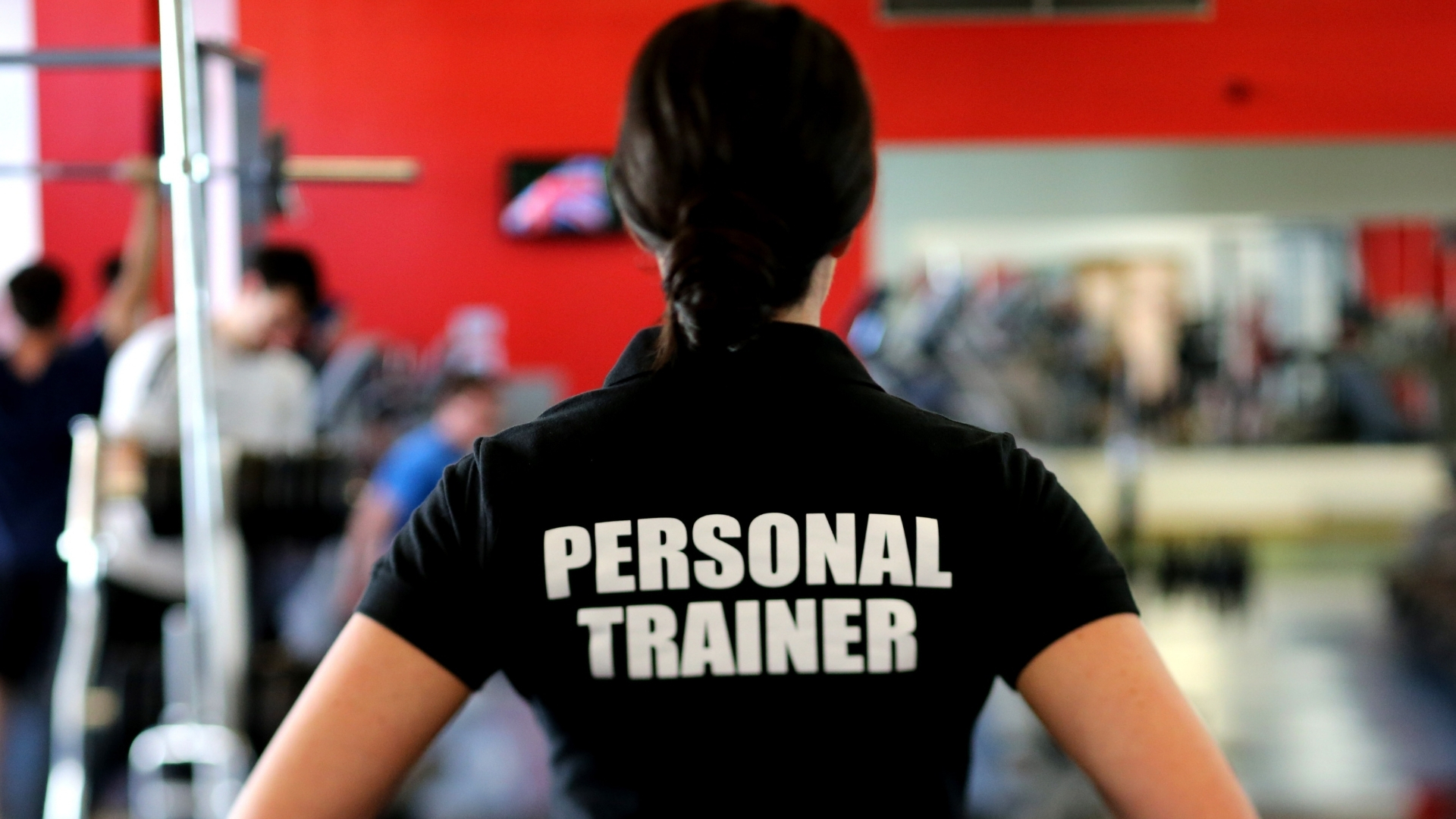
How to Succeed in a Personal Trainer Interview
To succeed in a personal trainer interview, focus less on proving your knowledge and more on showing professionalism, communication skills, and reliability. Gym managers hire trainers they trust with members and business operations, not trainers who simply recite exercise science.
Many trainers enter interviews prepared to prove how much they know. They expect to discuss programming, anatomy, and training techniques. They prepare to demonstrate their passion for fitness and their commitment to helping people.
While all of that matters, it is rarely what determines whether someone gets hired.
Gym managers are not interviewing you to see if you can pass another certification exam. They are evaluating whether you can succeed inside a service business. Personal training is not just coaching. It is client experience, retention, communication, and brand representation.
From a hiring manager’s perspective, the central question is simple: Can we trust this person with our members and our business?
That question quietly guides every interview decision.
Successful candidates:
- Communicate clearly and listen well
- Understand that personal training involves sales and client retention
- Present themselves professionally on and offline
- Demonstrate calm, client-focused coaching
What Gyms Evaluate During a Personal Trainer Interview
| Area Evaluated | What Managers Look For |
|---|---|
| Certifications | Meets insurance requirements |
| Communication | Clear, calm, client-friendly |
| Sales mindset | Willing to learn and engage |
| Professionalism | Reliability and boundaries |
| Coachability | Openness to feedback |
Tasks to Do Before the Interview
Research the Gym’s Website and Social Media
Before attending a personal trainer interview, review the gym’s website and social media presence. Nearly every fitness facility today uses platforms such as Instagram, Facebook, YouTube, and LinkedIn to communicate its culture, priorities, and target clientele.
Look at what they post, how often they post, and who they are speaking to. Watch their videos. Read the comments. Pay attention to whether the gym emphasizes personal training, group fitness, community events, or transformations. This information helps you understand what the gym values and how trainers are expected to represent the brand.
If the person interviewing you has a professional LinkedIn profile, review that as well. It can give you insights into their background, management style, and priorities during the interview.
Doing this kind of research is far more useful than going online and asking strangers for opinions about a gym. Social media shows how a facility presents itself to the public, which is exactly what hiring managers care about when deciding whom to bring onto their team.
Clean Up Your Social Media Profiles
Assume this going in: there is a strong chance a gym manager will look you up online before deciding whether to interview you. Your social media profiles often influence that decision more than your résumé.
What you post gives employers insight into your judgment, professionalism, and self-awareness. Content that is offensive, overly aggressive, sexually explicit, or constantly negative raises red flags. Even posts that seem harmless to you may signal poor boundaries or a lack of maturity to a hiring manager.
Before applying for a personal trainer job, review every public-facing social media account you have. Remove or hide posts that could be viewed as controversial, unprofessional, or inconsistent with the role of a fitness professional. This includes comments, shared posts, old photos, and public arguments.
Also consider what is missing. Profiles that show nothing related to fitness, coaching, or helping others can work against you just as much as inappropriate content. You do not need to be an influencer, but your online presence should not contradict the role you are applying for.
A simple rule works well here: do not post anything online that you would be uncomfortable explaining to a gym manager, a client, or your grandmother. Don’t post anything that would catch Joey Swoll’s attention either!
The Biggest Reasons Personal Trainers Fail Interviews (No One Warns You About These)
Most trainers fail interviews for behavioral reasons, not technical ones. Some interview mistakes are obvious. Others quietly end a candidate’s chances without explanation.
Speaking negatively about previous employers, appearing unaware of the gym’s business model, or presenting the role as temporary can all raise concerns. Excessive nervous talking, lack of eye contact, or overly rehearsed answers can create the impression that a trainer may struggle with real client interactions.
These behaviors are not necessarily reflections of a trainer’s ability to coach exercise. They are signals about how that trainer might function in a customer-facing environment. Because gyms operate in a highly interpersonal industry, these signals carry significant weight.
This is often the source of confusion for candidates who feel qualified but receive no offer. The decision was not about knowledge. It was about trust.
Common deal-breakers include:
- Complaining about past gyms or managers
- Cursing during interviews
- Bringing a parent/relative to a job interview
- Poor eye contact or nervous body language
- Not understanding the basics of gym sales
If a manager cannot imagine you calmly working with everyday gym members, the interview ends quickly. These mistakes often leave trainers confused, especially when they feel qualified on paper. This leads to a common and frustrating question many certified personal trainers ask after being turned down for a job.
Wrapping Up Part 1
In this first part, we focused on the mindset shift that separates trainers who get hired from those who don’t. You learned why certifications and technical knowledge alone aren’t enough, what gym managers are really looking for, and the silent deal-breakers that often cost qualified trainers a job.
In Part 2, we’ll dive into the interview itself. You’ll learn how to navigate common questions, approach sales conversations with confidence, communicate clearly, and leave a lasting professional impression.
Finally, Part 3 will take you onto the gym floor for mock training sessions and your first 30 days on the job. You’ll discover what hiring managers are watching for in real-world coaching, how to shine under pressure, and how to set yourself up for long-term success as a personal trainer.
Following all three parts of this series will give you a clear roadmap—from mindset to interview to on-floor performance—so you can confidently stand out and secure the job you want.
Ready for Your Next Step?

What a Heart Attack Taught a Fitness Pro
Fitness professionals spend their careers helping other people become stronger, healthier, and more capable. But what happens when the fitness professional suddenly becomes the person who needs to rethink everything they know about health and exercise? For Mike...

How to Create Your Own Fitness Career Path
A career in fitness is about more than teaching classes or designing workout programs. It’s an opportunity to help people improve their health, build confidence, and create lasting lifestyle changes. Whether your interests lie in exercise science, group fitness,...

What Great Coaches Understand About Behavior Change
Personal training is about movement, but great coaching is about people. Clients rarely walk through the gym doors with a goal that is only about exercise. They may say they want to lose weight, build muscle, get stronger, or improve their fitness, but underneath that...