3 Ways Breathwork Can Enhance Your Fitness Sessions

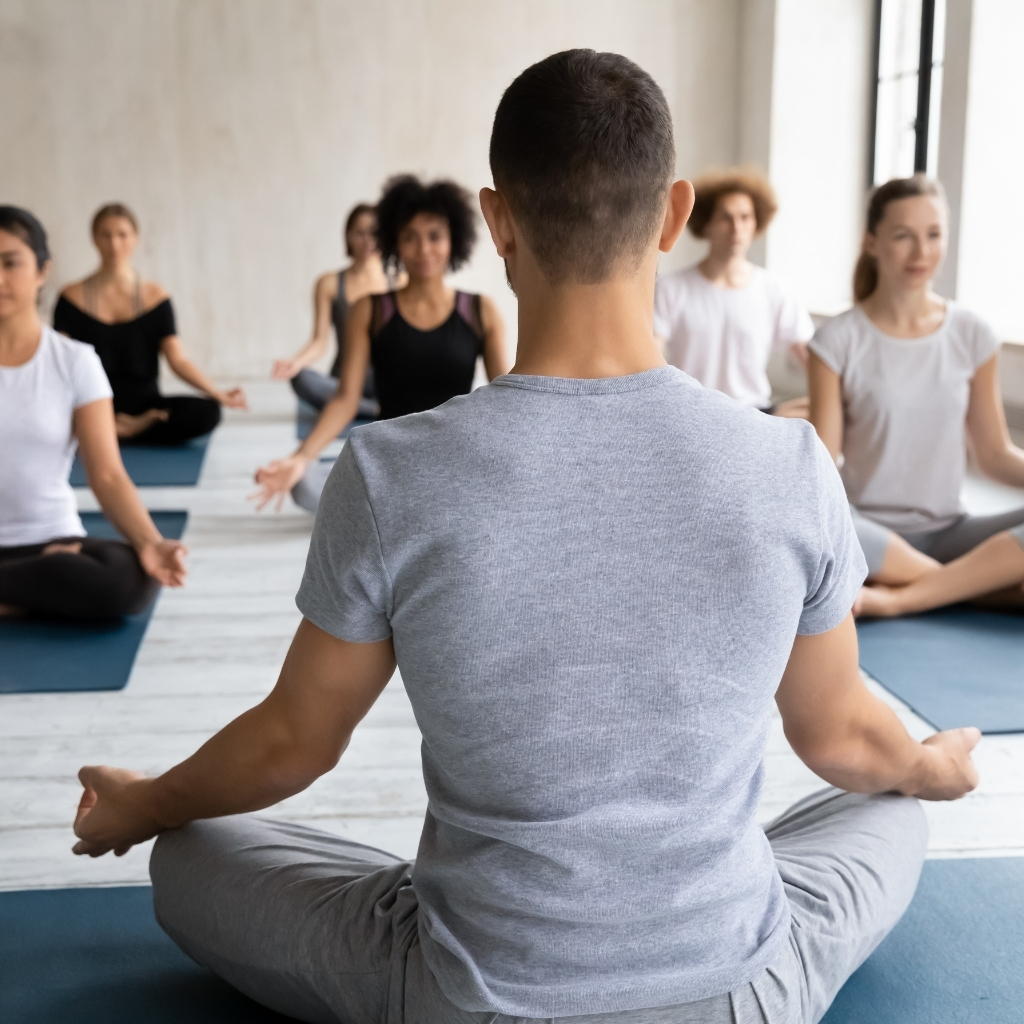
As fitness professionals, we often focus on reps, sets, form, and tempo—but there’s a powerful tool hiding in plain sight that can deepen results, elevate the experience, and boost client engagement: breathwork. Conscious breathing techniques aren’t just for yoga or meditation—they have a rightful place in strength, cardio, and mobility sessions too. Here’s how incorporating breathwork can transform your classes and sessions:

1. Enhances Focus and Mind-Body Connection

Teaching clients to connect their breath with movement helps shift them out of autopilot and into intentional movement. Instead of simply going through the motions, breathwork grounds them in the present moment, increasing awareness of how their body moves and feels. This is especially effective during balance, core work, and slow tempo strength training. Breath cues become powerful anchors, improving coordination and alignment—two keys to both safety and performance.

Try this: Start your sessions with 60 seconds of deep diaphragmatic breathing. It calms the nervous system and helps clients mentally transition into “workout mode.”

2. Boosts Performance and Endurance

Breathing deeply and efficiently improves oxygen delivery to muscles, reduces fatigue, and helps regulate heart rate during intense intervals. Teaching your clients to exhale during effort and inhale during recovery not only increases power output but also makes high-intensity work feel more sustainable.

Bonus: Breath control can reduce the chance of holding tension in the shoulders and neck—common problem areas during strength or cardio training.

Try this: Coach your clients to exhale during exertion (like pushing a weight or rising from a squat) and inhale during the return. Over time, this will feel more intuitive and lead to better rhythm and flow.

3. Promotes Recovery and Reduces Stress

The way your clients breathe after a workout can make or break their recovery process. Shallow chest breathing keeps them in a sympathetic (fight-or-flight) state, which delays muscle repair and contributes to lingering stress. On the other hand, guided breathwork post-session helps downshift the nervous system into parasympathetic (rest-and-digest) mode—ideal for recovery and stress relief.

Try this: End your class with 2–3 minutes of guided breathing, such as box breathing or extended exhales, to promote relaxation and mindfulness.

Final Thoughts

Breathwork is free, accessible, and incredibly powerful. It enhances performance, focus, recovery, and the overall experience for your clients. By incorporating even a few minutes of intentional breathing into your classes or sessions, you’re not just training bodies—you’re empowering minds.

Ready to take a deep breath and upgrade your coaching? Try adding one of these techniques this week—and notice the difference it makes.

Ready to Learn More?

If you’re inspired to dive deeper into the power of breath, guided relaxation, and meditation, don’t miss the opportunity to train with Ian Heim in the Stress Reduction, Relaxation & Meditation Certification. Whether you want to teach these powerful techniques to others or simply enrich your own wellness practice, this course provides practical tools you can use immediately.

You’ll learn how to teach:

  • Pranayama breathing techniques

  • Creative visualization

  • Positive self-affirmations

  • Meditation methods for all levels

  • The powerful Hands of Light Meditation

Join us for a transformative experience that will elevate your coaching, support your clients’ well-being, and help you find more peace and presence in your own life.

Breathe deep. Teach confidently. Live fully.

5 Mental Wellness Benefits of Movement for Active Agers

As we age, prioritizing physical movement becomes more than just a strategy for maintaining physical health—it’s a powerful tool for fostering mental wellness. Exercise has long been touted for its ability to enhance mood, sharpen cognitive function, and reduce stress, making it an essential element in the lives of active agers. Understanding the mental health benefits of movement can help individuals stay motivated and incorporate regular physical activity into their daily routines.

Enhanced Mood and Stress Reduction

One of the most immediate benefits of exercise is its ability to improve mood and alleviate stress. When you engage in physical activity, your body releases endorphins, often called “feel-good” hormones. These chemicals interact with receptors in the brain, reducing pain perception and triggering a positive feeling. For active agers, this release of endorphins can be especially beneficial as it helps mitigate feelings of anxiety, stress, and even depression.

As we age, managing stress becomes more crucial for overall well-being. The pressures of life may evolve, including health concerns, changes in living situations, or the loss of loved ones. Exercise serves as a natural outlet to manage these stresses. It allows the mind to shift away from worries, providing a reprieve and creating space for clarity and peace. Movement becomes a potent strategy for managing mental health and maintaining emotional equilibrium, whether it’s a walk in the park, a yoga session, or a strength training class.

Improved Cognitive Function

Regular physical activity isn’t just good for the body—it’s great for the brain, too. Studies have shown that exercise enhances cognitive function, including memory, attention, and problem-solving skills. This is especially important for active agers, as cognitive decline is a common concern as we age. Incorporating movement into daily life can help protect against the natural aging process in the brain.

Physical activities that require coordination, balance, and quick decision-making are particularly beneficial. For example, dance classes or group fitness sessions that involve learning new routines engage the brain in ways that stimulate cognitive growth. These activities challenge the mind while providing the body with the physical benefits of exercise, creating a holistic approach to health.

Reduced Risk of Specific Diseases

When we exercise, blood flow to the brain increases, supplying it with more oxygen and nutrients. This increased circulation stimulates the growth of new brain cells and improves connections between existing ones. Regular physical activity has even been linked to a decreased risk of developing neurodegenerative diseases like Alzheimer’s and dementia. In essence, movement can act as a protective shield for the mind, helping to preserve mental sharpness and cognitive function as we age.

Better Sleep Quality

Sleep is a cornerstone of good health, yet many older adults struggle with sleep disturbances. Whether it’s difficulty falling asleep, waking up during the night, or feeling unrested in the morning, sleep issues can significantly affect mental wellness. Physical movement, however, can be a natural remedy.

Regular exercise has been shown to improve sleep quality by helping the body regulate its circadian rhythms. When we move our bodies, we expend energy, which makes it easier to fall asleep at night and promotes deeper, more restorative sleep. For active agers, this improvement in sleep can profoundly affect overall well-being.

Increased Self-Esteem and Confidence

Maintaining a sense of independence and self-confidence is critical for mental well-being as we age. Regular exercise can play a vital role in fostering these feelings, providing physical and psychological benefits that bolster self-esteem.

Exercise, especially when performed consistently, can improve strength, flexibility, and mobility, making daily tasks easier. This sense of physical capability can have a direct impact on mental wellness. For active agers, feeling strong and capable promotes a sense of control over their bodies and lives, which is key to building and maintaining self-confidence.

The social aspects of exercise also contribute to increased self-esteem. Group fitness classes, for example, offer a supportive environment where active agers can connect with others, form friendships, and share in mutual goals. These social bonds enhance feelings of belonging and reduce the sense of isolation that many older adults face. Combining physical achievement and social interaction creates a positive feedback loop reinforcing confidence and self-worth.


Movement as a Foundation for Mental Wellness

Incorporating regular movement into the lives of active agers is not just about improving physical health—it’s about creating a foundation for sustained mental wellness. Whether it’s a structured exercise program or simply increasing daily activity, movement acts as a multifaceted tool for improving mood, cognitive function, sleep, and self-esteem. For active agers, these mental health benefits are invaluable, helping them navigate the challenges and changes that come with aging.

Ready to Make a Bigger Impact?
If you’re passionate about helping others live longer, stronger, and happier lives, now is the time to level up your skills. With the Baby Boomer generation redefining what it means to age, there’s never been a greater demand for fitness professionals who truly understand the unique needs of active agers.

Our Older Adult Fitness Trainer Certification at the One World Conference gives you the tools to confidently train adults 65+ by addressing the physical, mental, and emotional shifts of aging. You’ll learn how to design effective, safe, and inspiring programs that empower your clients to move with purpose, improve their health, and take back control of their lives.

Whether you’re working with sedentary beginners or seasoned athletes, this course will elevate your expertise and expand your reach. Join the movement—and be the difference in someone’s second act. Register today.

3 Reasons Every Fitness Professional Should Have a Yoga Certification

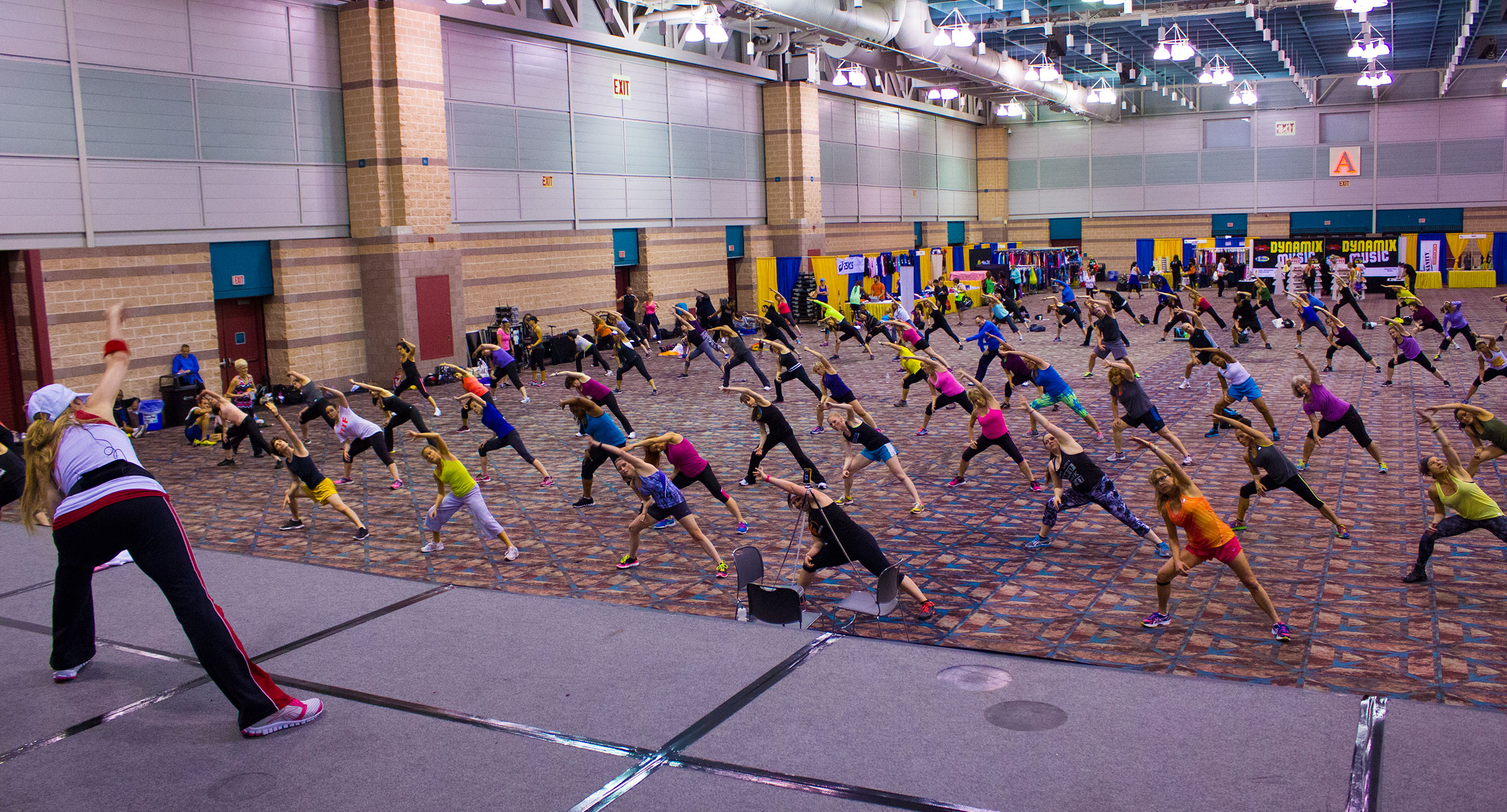
Whether you teach HIIT, strength, dance, or bootcamp, having a yoga certification in your professional toolbox can be a game-changer. Yoga is no longer a niche modality—it’s a respected, science-backed practice that enhances everything from mobility and recovery to mental resilience and client retention. For fitness professionals looking to stay relevant and create sustainable careers, yoga education is no longer optional—it’s essential.

Here are three reasons why you should invest in a yoga certification—and why the AAAI-ISMA Yoga Certification at the One World Conference is the perfect opportunity to do it.


1. Yoga Enhances Every Modality You Teach

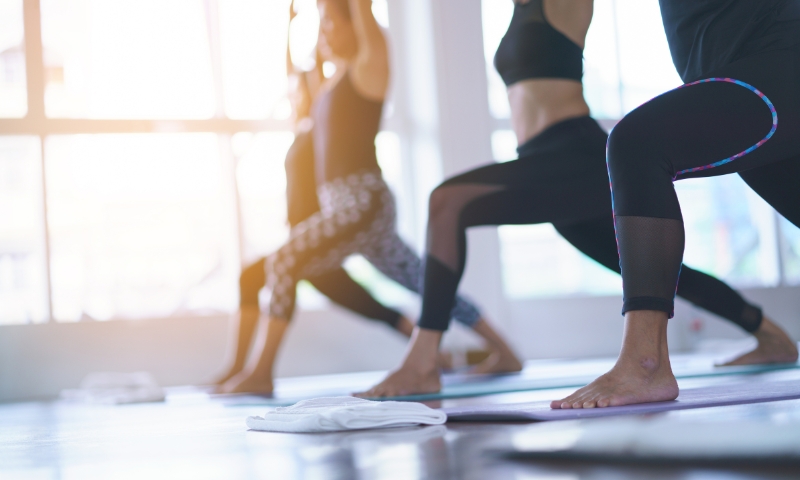
Yoga isn’t just about sun salutations and holding Warrior II. A quality yoga education dives deep into breathing mechanics, body awareness, and joint mobility—tools that translate directly into better performance and safety in any other format you teach. Whether your clients are lifting, jumping, dancing, or recovering, the principles of yoga improve alignment, prevent injury, and support longevity. As a trainer or instructor, integrating yoga concepts makes your programming more intelligent and well-rounded.

2. Expand Your Client Reach and Retention

Offering yoga increases your versatility and broadens your audience. From active agers and pre/postnatal clients to weekend warriors and overtrained athletes, almost everyone benefits from the slower, more mindful approach yoga provides. Plus, yoga classes often promote a sense of community and personal growth, keeping clients coming back—not just for the workout, but for the experience. In a saturated industry, being able to offer restorative or gentle yoga alongside your high-intensity formats sets you apart and boosts your income potential.

3. Support Mental Health and Emotional Wellness

Fitness is evolving to include more than just physical goals—and yoga is at the heart of that transformation. With its focus on breathwork, mindfulness, and stress relief, yoga supports the emotional and mental well-being of your clients. For fitness professionals, having tools to help clients manage anxiety, improve focus, and regulate their nervous system is an invaluable asset in today’s world. Adding yoga to your skillset positions you as a holistic coach, not just a workout instructor.

Get Certified at One World Conference

The AAAI-ISMA Yoga Certification and Chair Yoga Certification at the One World Fitness Conference, June 6–8 in Atlantic City, NJ, is your chance to gain a respected credential and hands-on experience from seasoned professionals. This certification covers foundational postures, alignment principles, breathing techniques, and how to safely instruct all levels.

Whether you’re looking to teach full yoga classes or simply integrate elements into your current sessions, this training will equip you with practical skills you can apply right away.

Don’t miss your chance to elevate your coaching and open new doors in your fitness career. Join us at One World Conference and walk away with the tools, confidence, and certification to make yoga a valuable part of your professional journey.

3 Ways Live Training Sets You Apart

In the ever-evolving world of fitness, staying relevant isn’t just a bonus—it’s a necessity. Whether you’re a seasoned pro or just starting your journey, investing in live fitness education is one of the most powerful ways to ensure a long, successful, and impactful career. 

Here’s why live events are the cornerstone of professional growth and how the AAAI/ISMA One World Fitness Conference and additional AAAI-ISMA live certifications can be your next step forward.


1. Hands-On Learning You Can’t Get Online

There’s something irreplaceable about in-person education. You’re not just absorbing information—you’re applying it in real time, with immediate feedback from master-level instructors. Live certifications and workshops allow you to refine your form, understand the subtle nuances of cueing, and adapt techniques to suit diverse populations. These learning moments, experienced physically and practically, often make the difference between “good” and “great” instruction.

At the One World Conference in Atlantic City, June 6–8, you’ll have access to over 30 certifications, masterclasses, and workshops led by an elite faculty of M.Ed., Ph.D., and M.D.-level educators who are committed to your growth.

2. Connections That Expand Your Career

No career thrives in isolation. Live events provide a unique opportunity to network with other passionate fitness professionals, exchange ideas, and even form partnerships that can change the trajectory of your business or brand. From hallway conversations to post-session chats, these human connections are a powerful catalyst for inspiration and opportunity.

At live events, you’ll be surrounded by instructors, trainers, and entrepreneurs who, like you, are committed to delivering high-quality fitness experiences. This is where careers grow, collaborations are born, and futures are built.

3. Stay Ahead of the Trends with Real-Time Insights

The fitness industry is dynamic—what worked five years ago may no longer resonate with today’s clients. Live conferences offer insight into the latest research, teaching methods, and industry trends, keeping you sharp and relevant. Whether it’s fascia-based training, active aging, or inclusive movement practices, staying updated ensures your programming evolves with science and demand.

With AAAI-ISMA, you’ll gain access to cutting-edge content that can be implemented immediately, helping you stand out in a crowded industry.

Ready to Reignite Your Passion and Expand Your Skills?

Join us for the AAAI/ISMA One World Fitness Conference in Atlantic City, June 6–8. Whether you’re earning new certifications, reconnecting with your “why,” or just leveling up your game, this event is where passion meets profession.

Secure your spot today—because your future in fitness deserves the best foundation.

3 Benefits of Using the Magic Ring in Your Pilates Classes

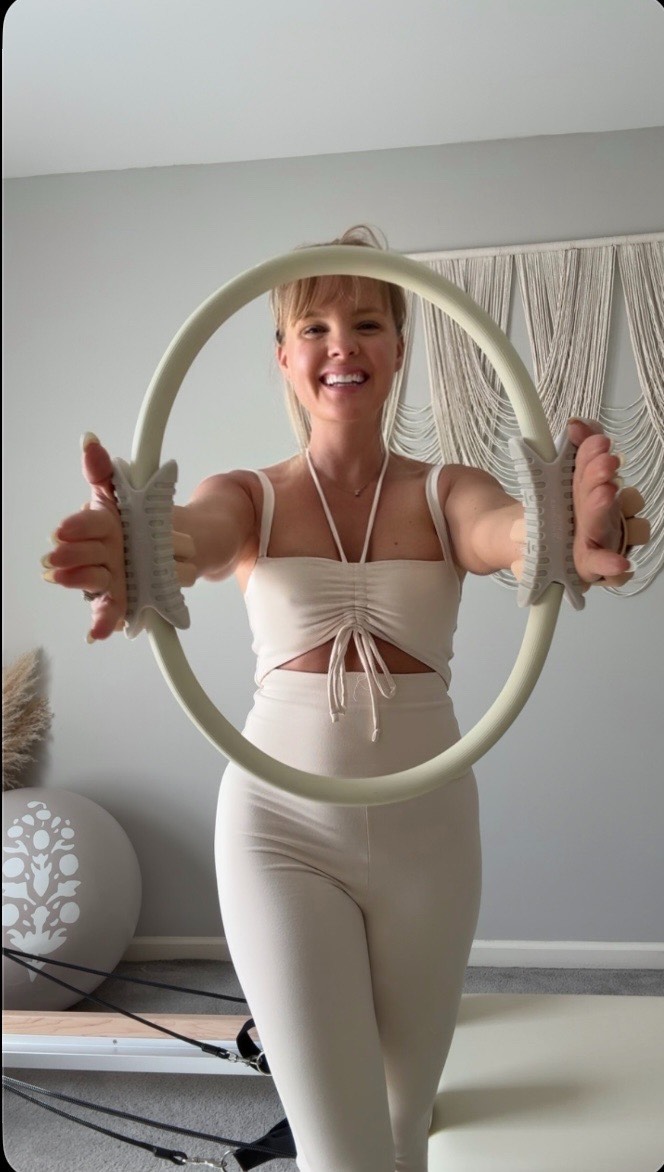
If you’ve ever gripped a Pilates Magic Circle—also known as the “ring of fire”—you know it’s no ordinary piece of equipment. Though it looks simple, this lightweight tool offers deep resistance and feedback that can completely transform your Pilates practice.

Whether you’re leading beginner clients or seasoned movers, incorporating the Magic Circle into your classes can bring three powerful benefits:

1. Increased Muscle Activation with Minimal Equipment

The Magic Circle provides gentle yet effective resistance that activates muscles often overlooked in traditional mat work. Whether it’s targeting the inner thighs, glutes, chest, or core, this compact tool makes muscles “wake up” without needing bulky gym equipment. The ring adds just enough resistance to deepen engagement while keeping the focus on form and control—a hallmark of Pilates.

2. Improved Alignment and Body Awareness

One of the most valuable (and underrated) functions of the Magic Circle is its ability to provide feedback. When placed between the hands, knees, or ankles, the ring gives clients an instant sense of their body positioning and movement quality. This tactile cue promotes better alignment, symmetry, and control throughout the exercises—key components for injury prevention and long-term mobility.

3. Endless Variety and Challenge

Pilates instructors know the power of novelty when it comes to client engagement. The Magic Circle introduces fresh variations that can both simplify and intensify familiar movements. It’s a versatile addition to any session, helping clients feel challenged without overwhelmed. And for instructors, it keeps programming exciting while offering layered options to meet diverse needs.


Ready to Add Some Magic to Your Movement?

Join us live in PA and virtually on May 10th for a dynamic and informative Pilates Magic Circle Workshop with the knowledgeable and inspiring Rebecca West Hensinger, BA. Whether you’re a curious beginner or a seasoned instructor, this workshop will explore:

  • Full-body exercises that strengthen, stretch, and stabilize

  • Adaptable techniques you can apply immediately to elevate your group classes

You’ll leave with a deeper appreciation for this classic tool, new exercises to challenge your clients, and teaching strategies that add variety and precision to your programming.

Perfect for: Pilates enthusiasts, instructors, and movement professionals looking to expand their toolbox and elevate their class experience.

Don’t miss your chance to bring the magic back into your movement.
Reserve your spot today—spaces are limited! Join us live in PA and virtually on May 10th.

5 Ways to Improve Your Cool Down

A great workout doesn’t just start strong—it should end strong too. Your cool-down is the final impression you leave on your clients; when done right, it can transform how they feel long after class. Instead of treating the cool-down as an afterthought, use it as an opportunity to promote recovery, connection, and motivation.

 Here are five simple yet powerful ways to improve your cool-down and make every class experience more impactful.

Set the Mood with the Right Music

Just as upbeat tracks drive energy during a workout, cool-down music helps shift your clients into a more relaxed state. The transition from high-intensity movement to recovery should feel seamless, and music plays a huge role.

What to play:

–Soft instrumental tracks that create a calming atmosphere

–Slow-tempo acoustic or indie songs to bring the heart rate down gradually

–Lofi beats or chill R&B for a modern, soothing vibe

The right playlist helps signal to the body that it’s time to recover, making your cool-down feel intentional and complete.


End with an Empowering Walk-Away Message

Your last words matter. The cool-down is the perfect moment to reinforce confidence and leave your clients feeling strong, successful, and motivated to return. Instead of just saying, “Great job, see you next time,” use this moment to uplift and inspire.

Try saying something like:

— Take a second to thank yourself for showing up today. Your effort, no matter how big or small, is what matters most.


— Your body is stronger because of what you did today—carry that strength into the rest of your day.


— The hardest part is showing up, and you did that. Keep that momentum going.

A simple but powerful closing statement can make clients feel accomplished and excited to come back.


Stretch with Purpose

Not all stretches are created equal. A great cool-down includes targeted movements based on the workout you just completed, rather than a generic routine.

Match stretches to the workout:

–After HIIT or cardio, prioritize hamstring, calf, and hip flexor stretches to release tension.


–After strength training, focus on the muscles that were worked (chest openers after upper body, quad and glute stretches after lower body).


–After yoga or Pilates, encourage deep, restorative stretches like seated forward folds or spinal twists to seal the session.

By tailoring stretches to the workout, you help prevent soreness and give clients a sense of intentional recovery.


Remind Clients of What’s Coming Up

Your cool-down is a prime time to remind your clients about upcoming events, new classes, or any special promotions at your studio. Since they’re already in the room, engaged, and listening, this is your opportunity to build community and encourage participation in future offerings.

Examples:

— If you loved today’s class, join us for Strength & Stretch this Thursday—same time, same place.


— We’ve got a fun themed class coming up next week—bring a friend and let’s make it even better.


— Our next wellness workshop is happening Saturday morning—sign up at the front before you go.

A quick reminder keeps your clients informed and increases their likelihood of staying engaged with your studio’s offerings.


Invite Them Back Before They Walk Out the Door

Retention starts before your clients leave the studio. A warm, genuine invitation to return goes a long way in keeping them connected to your classes.

Make it personal:

— I can’t wait to see you all again next week—same energy, same vibe.


— Let’s keep this momentum going. Who’s coming back for round two on Wednesday?


— If today felt good, keep showing up, and let’s do this together.

Acknowledging their effort and making them feel valued ensures they leave feeling like part of a community, not just another class attendee.

How you close your class is just as important as how you start it. Integrating intentional music, personalized stretches, empowering words, and a welcoming atmosphere creates an experience that makes clients feel valued, inspired, and excited to return.

Ready to Lead the Pack?
Become a certified Group Fitness Instructor through AAAI/ISMA and turn your love of movement into a powerful career. This certification equips you with the tools to design safe, effective, and engaging classes for all fitness levels.

With hands-on training and expert guidance, you’ll learn how to cue, coach, and inspire—whether you’re teaching HIIT, dance, strength, or circuit formats. It’s time to step to the front of the room and lead with confidence.

Register today!


3 Reasons to Get Your Personal Fitness Trainer Certification

If you’re passionate about health and fitness and ready to turn that passion into a profession, choosing the right certification is your first big step. With so many organizations offering fitness credentials, it can feel overwhelming to pick the right one. That’s where the American Aerobics Association International / International Sports Medicine Association (AAAI/ISMA) stands out. 

Known for decades of education excellence, this organization provides a no-fluff, real-world-ready certification that opens doors. Here are three reasons why getting certified through AAAI/ISMA might be the best move for your fitness career.

1. Established, Respected, and Affordable

AAAI/ISMA has been a trusted name in fitness education since 1979. With over 85,000 certified professionals worldwide, this organization has a long-standing reputation for providing credible, practical education at an affordable price point. Unlike many programs that charge hundreds—or even thousands—of dollars for certification, AAAI/ISMA keeps pricing accessible without sacrificing quality. Whether you’re a recent graduate, switching careers, or a seasoned instructor expanding your skills, this certification gives you the credentials you need without breaking the bank.

2. In-Person Education That Prioritizes Application

In an age of click-and-print certifications, AAAI/ISMA keeps education grounded in what really matters: hands-on learning, real-time feedback, and applicable skills. Their live and virtual workshops allow you to interact directly with master trainers, ask questions in the moment, and practice cueing, coaching, and correcting techniques. This isn’t just about passing a test—it’s about learning to actually train clients safely and effectively. And when you walk away, you’re not just certified—you’re confident.

3. A Pathway for Growth in the Fitness Industry

AAAI/ISMA offers more than just a single certification. Once you start, you can build your fitness résumé with specialty courses in strength training, senior fitness, sports conditioning, yoga, wellness coaching, and more. It’s a one-stop-shop for professional development. This structure supports long-term career growth, whether you’re working in a gym, going solo as a trainer, or expanding into wellness coaching or group fitness. Plus, the continuing education credits (CECs) you earn are recognized by many other organizations—making it easy to stay current and connected.


Final Thoughts

Getting certified is more than checking a box—it’s the foundation of your fitness career. With a deep-rooted history, an emphasis on hands-on learning, and a clear path to growth, AAAI/ISMA provides a solid starting point for aspiring trainers who want to stand out with both skill and integrity.

Whether you’re just beginning or looking to level up, this is your moment to turn passion into purpose—with the right certification behind you. Join us today.

Building Your Fitness Career with AAAI/ISMA

For over 40 years, the American Aerobics Association International (AAAI) and International Sports Medicine Association (ISMA) have been providing top-tier fitness education and certification. Whether you’re looking to get certified in personal training, group fitness, or specialty classes like yoga or aqua fitness, AAAI/ISMA offers the most comprehensive and affordable programs to help you elevate your fitness career.

AAAI/ISMA is excited to announce the One World Conference in Atlanta City, June 6-8th. Make sure to register soon to save your spot! 


A Legacy of Longevity and Expertise

Founded in 1988, AAAI/ISMA has spent over four decades shaping the fitness industry by educating and certifying over 200,000 fitness professionals globally. It’s not just the sheer size of the organization that sets AAAI/ISMA apart, but the quality of education it provides. With an esteemed faculty that includes Master’s, Ph.D., and M.D.-level instructors, the certification process is modeled after a university system. This ensures every participant receives the most up-to-date, research-backed education to teach safe and effective fitness programs.

AAAI/ISMA’s commitment to expertise is reflected in the comprehensive curriculum that includes theoretical and practical components. Each course integrates hands-on experience with in-depth knowledge, ensuring instructors can confidently lead their classes. From muscle anatomy to strength conditioning, every detail is covered to ensure instructors are ready to provide top-notch fitness experiences to their clients.


Affordable Certification for Every Fitness Professional

Unlike many other certification organizations, AAAI/ISMA offers affordable options without compromising on quality. With over 30 live certification programs, you can choose from various fitness disciplines to suit your career goals. From Personal Fitness Trainer Certification to Yoga, Pilates, and Older Adult Fitness, there’s something for everyone. The organization even offers insurance coverage through CPH Insurance, helping you get started with added peace of mind.

Furthermore, AAAI/ISMA offers continuing education credits (CECs), so you can keep up with industry trends and maintain your certification for years. The option for flexible pricing and comprehensive course offerings makes it an accessible choice for fitness enthusiasts looking to turn their passion into a professional career.


Member Benefits

When you join the AAAI/ISMA family, you’re not just getting a certification—you’re joining a community of over 180,000 members worldwide. As a member, you gain access to:

  • Live Education & Certification led by expert instructors

  • Flexible insurance coverage options through CPH Insurance

  • Ongoing support with office staff dedicated to certification verification

  • A vast library of educational resources to enhance your skills and knowledge


A Broad Spectrum of Certifications

With multiple certification options, AAAI/ISMA allows you to specialize in Personal Fitness Training, Group Aerobics, Mat Pilates, Sports Nutrition, and Older Adult Fitness. Each program is designed to give you the skills necessary to teach in group and one-on-one training environments. Whether passionate about yoga, strength training, or working with special populations, AAAI/ISMA has the perfect certification program to fit your career needs.

 Check out the options of certifications at the One World Conference in Atlanta City, June 6-8th. Make sure to register soon to save your spot! 


Ready to Start Your Fitness Journey?

AAAI/ISMA’s commitment to longevity, expertise, and affordability has made it a trusted name in fitness certification worldwide. With the support of a highly experienced faculty, comprehensive curriculum, and affordable pricing, AAAI/ISMA helps fitness instructors succeed at every stage of their careers. Whether you’re just starting or looking to expand your credentials, AAAI/ISMA is here to guide you every step of the way.

 Join the world’s largest fitness family today and take the first step towards a fulfilling and impactful career in fitness. Be part of the legacy and expertise that is AAAI/ISMA!

Does Soy Lower Testosterone in Men? What the Science Really Says

Soy is often at the center of heated debates when it comes to men’s health, especially around one big question: Does soy lower testosterone? Some people believe eating soy will reduce “manly” hormones and even cause unwanted side effects like gynecomastia (enlarged male breasts). But what does the research say?

In this article, we’ll break down the science of soy and testosterone. We’ll cover what studies show, how much soy was consumed, and answer common questions men often have about soy. We’ll also touch on research in women for a broader perspective.

What is Soy and Why Do People Worry About It?

Soybeans are packed with plant compounds called isoflavones, which are sometimes called “phytoestrogens” because they can mimic weak forms of estrogen in the body. This has led some to think soy could lower testosterone, the primary male sex hormone.

The concern comes mostly from animal studies or extreme cases of people consuming huge amounts of soy. But when researchers looked at men eating normal amounts of soy, the story is very different.

What Does the Research Say About Soy and Testosterone in Men?

Meta-Analysis #1: The 2010 Review

A major 2010 meta-analysis reviewed 32 clinical trials looking at soy and male hormones. It included men who ate soy foods, soy protein, or took isoflavone supplements for anywhere from a few weeks to several months. Here’s what they found:

  • 📌 Soy did not lower total testosterone.
  • 📌 Soy did not affect free testosterone (the active form in the body).
  • 📌 Sex hormone-binding globulin (SHBG) levels didn’t change either.

In short: Normal soy intake didn’t impact male hormones in any significant way​.

Meta-Analysis #2: Updated 2021 Review

An expanded 2021 review looked at 41 studies involving over 1,700 men. This newer research confirmed the earlier findings. Whether men ate soy foods, took supplements, or consumed soy protein shakes, their testosterone, estrogen, and SHBG levels stayed normal.

Even when men consumed more than 75 mg of isoflavones per day (which is a pretty high amount), testosterone didn’t budge​.

The Outlier: Extreme Soy Intake

One case report in 2022 described a man who drank 1.2 liters of soy milk daily (about 310 mg of isoflavones) for three years. He did experience low testosterone and symptoms like erectile dysfunction and gynecomastia. But once he stopped the excessive soy intake, his hormone levels returned to normal​.

How Much Soy Are We Talking About?

In these studies, most men consumed 20 to 50 grams of soy protein per day, which is roughly:

  • 2-4 cups of soy milk
  • 1-2 servings of tofu (about ½ to 1 cup)
  • 1-2 handfuls of roasted soy nuts

This translates to 40 to 75 mg of isoflavones daily—a realistic range if you’re eating soy as part of a balanced diet.

For reference, Japanese men, who traditionally eat more soy, typically consume 30-50 mg of isoflavones daily and maintain normal testosterone levels.

What About Women? Soy and Hormones in PCOS

In women, soy may even help balance hormones, especially for those with polycystic ovary syndrome (PCOS). A 2020 meta-analysis found that soy isoflavones reduced testosterone levels in women with PCOS, who tend to have high testosterone. However, soy didn’t significantly change other hormones like follicle-stimulating hormone (FSH)​.

Frequently Asked Questions (FAQ)

1. Does soy lower testosterone in men?

No, clinical studies consistently show that soy and isoflavones don’t lower testosterone in men eating normal amounts.

2. Will soy give men gynecomastia (man boobs)?

No, unless you’re consuming extreme amounts (like drinking over a quart of soy milk daily for years). For typical intake, there’s no evidence of feminizing effects.

3. Is soy bad for muscle building?

Soy protein is a high-quality, complete protein. Studies show it supports muscle gain just like whey or other protein sources.

4. Is soy safe for men’s reproductive health?

Yes, studies show no effect on sperm counts or male fertility from regular soy intake.

5. How much soy is too much?

Consuming 300+ mg of isoflavones per day (about 8-10 cups of soy milk daily) might lead to issues. Normal dietary intake, around 1-4 servings of soy foods daily, is considered safe.

Conclusion

The bottom line is simple: Soy does not lower testosterone in men who consume it at typical dietary levels.

Men can enjoy soy as part of a healthy, balanced diet without worrying about their hormones. Whether it’s tofu, soy milk, edamame, or soy protein shakes, the overall research shows no negative impact on testosterone.

For women, particularly those with PCOS, soy may even have positive effects on hormone balance.

So next time someone tells you to avoid soy for fear of “losing testosterone,” you can confidently say, “Science says otherwise!”

Conquer Muscle Soreness: The Ultimate Guide to Delayed Onset Muscle Soreness (DOMS) Relief and Prevention

By Joseph Cannon M.S.
Delayed onset muscle soreness (DOMS) is a familiar foe for anyone who has pushed their muscles to new limits through intense exercise. This phenomenon, characterized by muscle stiffness, tenderness, and decreased range of motion, typically sets in 12-24 hours after a grueling workout and can last for several days. While DOMS is often seen as a badge of honor among fitness enthusiasts, it can be a significant barrier for clients, especially those new to exercise. As a fitness trainer, understanding the causes, symptoms, and management strategies for DOMS is crucial to creating effective and enjoyable training programs that keep your clients motivated and injury-free. This article will delve into the physiology and causes of DOMS, explore evidence-based techniques to alleviate its discomfort, and provide practical tips for mitigating its impact on your clients’ workout experiences. By mastering the art of managing muscle soreness, you can foster a positive and empowering environment that nurtures long-term commitment to physical fitness.

What is Delayed Onset Muscle Soreness (DOMS) & Why Does It Happen?

Delayed Onset Muscle Soreness (DOMS) is a phenomenon that every fitness enthusiast has likely experienced at some point. It’s that nagging, achy feeling in your muscles that sets in a day or two after a workout, especially if you’ve tried new exercises or significantly increased the intensity of your routine. The phenomenon is complicated, but here is a summary of what happens at the cellular level:

  • During intense or unaccustomed exercise, mechanical stress and metabolic fatigue cause microscopic damage to the sarcomeres of muscle fibers as well as connective tissue.
  • This micro-damage promotes the release of potassium, calcium, creatine kinase (CK), and myoglobin into the bloodstream.
  • At the same time, an inflammatory response is initiated where cells like neutrophils and macrophages infiltrate the damaged area to aid the repair process.
  • This response also generates reactive oxygen species (free radicals) that can cause further oxidative damage to muscle cells and surrounding tissues.

This cascade typically peaks 24-48 hours post-exercise, resulting in maximum muscle soreness levels at around 72 hours before gradually subsiding over several days as the regenerative process completes.

DOMS typically kicks in 24-48 hours after a challenging exercise session, which is why it’s called “delayed onset.” It’s important to note that DOMS differs from the immediate muscle soreness you might feel during your workout.

That burning sensation you experience during your exercise routine is caused by lactic acid buildup, which dissipates shortly after you finish exercising. Lactic acid buildup is not the cause of DOMS. Lactic acid (sometimes called lactate) dissipates within 30 to 60 minutes after you stop working out. As such, it is not present in significant amounts when your muscles begin to feel sore.

Causes of Delayed Onset Muscle Soreness

The cause of DOMS is complex and involves not only the often cited microscopic tears in muscle fibers but also microdamage to connective tissues and temporary increases in inflammation and free radicals (oxidative stress). Several theories have been put forth to explain the process, including these:

  • Torn muscle tissue theory
  • Connective tissue damage theory
  • Oxidative stress theory
  • Enzyme efflux theory

However,  no single theory fully explains this phenomenon. The process is likely multi-factorial and involves aspects of all theories. However, in the real world, this kind of muscle soreness can be traced to:

  • Eccentric movements (“negatives”)
  • Performing unaccustomed movements

Eccentric muscle actions occur when a muscle lengthens while under tension. For example, if you were performing a biceps curl exercise, the eccentric phase would be when you lowered the barbell to the starting position. These muscle contractions create more substantial muscle damage than concentric contractions (shortening of the muscle). Some exercises that are particularly notorious for causing DOMS include:

  • Squats, lunges, and other lower body exercises that involve deep eccentric motions.
  • Weightlifting exercises like bicep curls or bench presses, especially if you’re increasing the weight or trying new variations.
  • Plyometric exercises, such as jump squats or box jumps, which involve explosive eccentric movements.
  • Downhill running or hiking, as the eccentric contractions in your quadriceps are intensified.

For the personal trainer working with a novice client, it’s wise to remember that ALL exercises you prescribe are new and unaccustomed to that person.

This is one reason AAAI-ISMA recommends only one set of a resistance exercise with newbies. The more sets and reps performed, the greater the likelihood of DOMS. Introducing an exercise routine that causes minimal DOMS can also help clients understand that physical activity does not have to hurt to be effective.

Symptoms of DOMS

The telltale signs of DOMS usually appear 12-24 hours after your workout and may last several days, depending on the intensity of the workout and individual recovery rate. Common signs and symptoms of DOMS include:

  • Muscle tenderness and stiffness: The affected muscles may feel sore and tender to the touch, making it difficult to perform certain movements.
  • Reduced range of motion: Due to the muscle stiffness, you may experience a temporary decrease in your ability to move the affected joints through their ROM.
  • Temporary strength decrease: During the peak of DOMS, you may find it challenging to exert the same amount of force or lift the same weights as usual.

One interesting point is that DOMS does not hurt until you move or press on the effected body part. Remembering this may help differentiate this from abnormal conditions such as rhabdomyolysis (rhabdo).

Who is at Risk of Experiencing DOMS?

While DOMS can affect anyone who engages in intense or unfamiliar exercise, there are certain groups of people who are more prone to experiencing this phenomenon:

  1. Beginners or those returning to exercise after a long break: If you’re new to exercise or haven’t worked out in a while, your muscles are more likely to experience DOMS as they adapt to the increased demand.
  2. Individuals increasing exercise intensity or duration: Even if you’re a seasoned athlete, a sudden spike in the intensity or duration of your workouts can lead to DOMS as your muscles are pushed beyond their current capabilities.
  3. Trying new exercises or movements: Introducing novel exercises or movements that your muscles aren’t accustomed to can also trigger DOMS. This is because your muscles are being challenged in new ways.

When to Seek Medical Attention

In most cases, DOMS is a temporary and manageable condition. However, there are instances where you should seek medical attention:

  • Severe or persistent pain beyond 5-7 days: If the soreness does not subside within a week or becomes increasingly severe after 3 or 4 days, it could indicate a more serious issue.
  • Swelling or bruising in the affected area: While some minor swelling is normal, significant swelling or bruising could be a sign of injury.
  • Inability to bear weight or move the affected limb: If you experience extreme difficulty moving or bearing weight on a particular limb, it may be a sign of a more severe injury.
  • Pain felt at rest. DOMS does not hurt until you move or press on the affected muscles. Experiencing pain when stationary may be a sign something else is occuring.

If you experience any of these symptoms or have concerns about the severity of your DOMS, it’s best to consult with a healthcare professional for proper evaluation and treatment.

Best Way To Reduce DOMS After It Occurs

While it may seem counter-productive, exercising the muscles experiencing delayed muscle soreness appears to offer some temporary relief. Perform the activity that caused DOMS but at a lesser intensity. For example, if your client developed DOMS after performing 3 sets on a leg press at a resistance of 150 pounds, performing 1 or 2 sets at a lower resistance, such as 85 pounds. This may promote some reductions in pain several hours later. Exercise is thought to work by triggering the release of endocannabinoids and endorphins, temporarily relieving pain. Exercise might also work by inhibiting the transmission of pain signals from nerves.

There is no exact formula to proceed with this, so use your good judgment and remember that sometimes less is more.

Does Stretching Help?

Various investigations have demonstrated that stretching the muscles before exercise begins does not prevent post-activity muscle soreness from occurring. In fact, stretching may actually trigger DOMS in those who are not accustomed to it.

Some data suggest that stretching after workouts may provide short-term reduction, but this may depend on the severity of the pain being experienced.

Can Supplements Help Reduce Muscle Pain After Exercise?

Since at least the 1950s, researchers have investigated the pain-relieving effects of many dietary supplements ranging from vitamin C and tart cherries to ginger, beetroot juice, and even creatine.

If you look deep enough into the research, you will find clinical studies favoring several nutritional strategies. However, not all experts agree that dietary supplements speed the recovery process. As such, it is wise to view positive claims with skepticism until proven otherwise.

Frequently Asked Questions about Delayed Onset Muscle Soreness

  1. Is DOMS a sign of an effective workout?
    • DOMS can be an indicator that you’ve challenged your muscles effectively, but its absence does not necessarily mean an ineffective workout. As your muscles adapt, you may experience less soreness over time. Lack of DOMS does not mean the workout is no longer effective.
  2. How long does DOMS typically last?
    • DOMS usually peaks around 24-48 hours after an intense workout and can last up to 72 hours or more, depending on the individual and the intensity of the exercise. Generally, the pain often begins to subside after the third or fourth day.
  3. Can DOMS affect daily activities?
    • Yes, the muscle soreness and stiffness associated with DOMS can make certain daily activities more challenging, such as climbing or descending stairs or reaching overhead. However, it does not cause any long-term detrimental effects on athletic performance.
  4. Does massage help?
    • Some research suggests massage performed after exercise may help reduce pain levels. However, it might not speed muscle recovery. Additionally, intense, deep-tissue massages may have the opposite effect and trigger DOMS. This is especially true if you are not used to receiving therapeutic massage.
  5. Does dehydration make DOMS worse?
    • At least one study has reported that being dehydrated during exercise does not exacerbate DOMS-related pain; however, a lack of adequate water can negatively impact exercise performance. A 1% to 2% loss of body fluids can trigger clinical dehydration and significantly reduce the ability to exercise at optimum levels.
  6. Is it safe to exercise with DOMS?
    • It is generally safe to exercise with delayed muscle pain, but it’s important to listen to your body and modify your workout accordingly. Avoid exercises that exacerbate the soreness, and focus on active recovery or lighter workouts until the DOMS subsides.

Conclusion

The odds of developing Delayed Muscle Soreness increase when starting a new exercise routine or ramping up the intensity. While the soreness and stiffness can be uncomfortable, it’s important to understand that DOMS does not lead to any long-term muscle damage or reductions in athletic performance. While a little pain a day or two after exercise may not trouble most healthy people, when designing workouts for your clients, consider their overall health and how DOMS might negatively impact their daily activities.


0