
A career in fitness is about more than teaching classes or designing workout programs. It’s an opportunity to help people improve their health, build confidence, and create lasting lifestyle changes. Whether your interests lie in exercise science, group fitness, personal training, management, or entrepreneurship, the fitness industry offers a wide range of opportunities to turn your passion for movement into a profession.

Building a sustainable career takes more than enthusiasm. It requires education, experience, professional relationships, and a willingness to adapt as your interests and goals evolve. From finding your first teaching opportunity to exploring leadership roles, you can build a career that grows with you.
Here are five strategies to help you navigate the fitness industry, develop your skills, and create a career that works for you.
1. You Don’t Have to Start in a Traditional Gym
When people imagine a career in fitness, they often picture a commercial gym or health club. While these are valuable places to gain experience, they are far from the only options available to aspiring fitness professionals.
Dance studios, university recreation centers, community centers, boutique fitness studios, residential communities, and corporate wellness programs can all provide opportunities to teach, coach, and connect with clients. Some fitness professionals begin by leading classes for friends or organizing informal workouts in their communities before moving into paid positions.
The key is to look beyond the traditional career path and seek opportunities to develop your skills. Teaching in a smaller setting can help you build confidence, practice cueing, learn to manage a group, and discover the types of clients and classes you enjoy most.
Networking can also open doors. A class you teach at a community center or a connection you make at a local studio could lead to future opportunities in a completely different setting. Stay open to different environments, and focus on building the experience and professional relationships that will help you grow.
Of course, having the right credentials matters. Earning a recognized fitness certification can help prepare you for professional opportunities and demonstrate your commitment to safe, effective instruction.
2. Education Is About More Than Earning a Certification
Education is the foundation of a successful fitness career, but professional development extends beyond the information presented in a course.
Certification programs, workshops, conferences, and continuing education courses offer opportunities to learn from experienced professionals, explore new training methods, and stay informed about industry developments. They can also introduce you to people who may become colleagues, mentors, collaborators, or future employers.
Professional relationships are especially valuable in an industry built around connection. Other instructors may become trusted substitute teachers, while conversations with fitness managers or business owners may introduce opportunities you hadn’t considered.
Make networking a natural part of your professional development. Introduce yourself to presenters and fellow attendees, exchange contact information, and stay connected after an event. Engaging with professional organizations and educational communities can help you build relationships that continue long after a course or conference ends.
Most importantly, approach education with curiosity. The more you learn, the more tools you have to serve your clients, refine your coaching, and explore new career directions.
3. You Cannot Do It All
The fitness industry offers countless opportunities, and it can be tempting to say yes to every class, client, project, and leadership role that comes your way. When you’re building a career, taking on additional work can help you gain experience and increase your income. However, filling every available hour with work is not a sustainable long-term strategy.
Teaching multiple classes each day while managing a facility, training clients, or building a business can quickly lead to exhaustion. Even when you love what you do, your time, energy, and physical capacity have limits.
Learning to recognize those limits is an essential professional skill. Consider how many hours you can realistically work while maintaining coaching quality, meeting your personal responsibilities, and leaving enough time for rest and recovery.
Setting boundaries doesn’t mean you lack ambition. It means you’re thinking about your career’s longevity. Turning down an additional class or declining a project that doesn’t fit your priorities can create space for opportunities that better support your goals.
It is also important to recognize that your capacity may change over time. Your schedule, responsibilities, interests, and physical needs will evolve, and your workload should be flexible enough to keep pace.
A sustainable fitness career isn’t measured by how many hours you can work in a week. It’s built on your ability to deliver quality work while protecting the energy and enthusiasm that brought you into the industry in the first place.
4. Build a Career That Can Evolve
Many fitness professionals begin their careers teaching group fitness or working as personal trainers. These roles can provide a strong foundation in exercise programming, coaching, communication, and client relationships. However, they represent only part of the opportunities available in the industry.
As your experience grows, you may discover interests that extend beyond the gym floor. Fitness facilities need managers and program directors. Companies need educators, sales professionals, and wellness consultants. Fitness brands rely on content creators, marketing specialists, and product developers. Events and conferences need presenters, organizers, and education teams.
You can also develop new programs, launch businesses, create digital fitness products, and contribute to the research and education that shape the industry.
Exploring these possibilities early can help you make informed decisions about your professional development. If you’re interested in management, look for opportunities to build leadership and communication skills. If education appeals to you, explore advanced certifications, workshops, and teaching opportunities. If entrepreneurship is your goal, begin learning about business operations, marketing, and financial management.
It is also worth considering how your career might change if you experience an injury, need a different schedule, or decide that teaching multiple classes each day is no longer the right fit. Developing skills that translate across roles can give you more flexibility as your circumstances and interests change.
You don’t have to leave fitness to pursue a new direction. A successful career can involve moving between coaching, education, leadership, and business as your goals evolve.
5. Know When It’s Time to Move On
Not every job, class, client, or professional relationship will be the right fit forever. Sometimes a role that once provided valuable experience no longer aligns with your goals, values, or interests. Recognizing when it’s time for a change can be an important part of building a fulfilling career.
It can be tempting to stay in a situation simply because it is familiar or because you’ve already invested so much time in it. However, continuing to devote your energy to work that no longer serves your professional goals can make it harder to pursue new opportunities.
Take time to evaluate your commitments. Are you still learning and growing? Does the position align with your values? Is the schedule sustainable? Do you feel supported, respected, and appropriately compensated for your work? Are there opportunities to advance or explore new responsibilities?
If the answers consistently point toward a change, consider what your next step might look like. That could mean teaching at a different facility, reducing your class schedule, pursuing additional education, changing roles within an organization, or starting a business.
Change doesn’t have to be impulsive. Review your finances, consider your responsibilities, and create a transition plan that allows you to move forward thoughtfully.
Leaving a role that no longer fits can create room for work that better aligns with your strengths and ambitions. Your experience is not wasted simply because you choose a different direction. Every position can teach you something valuable about the kind of professional you want to become.
Invest in Your Future in Fitness
No two fitness careers look exactly alike. Some professionals build long-term careers as personal trainers or group fitness instructors, while others move into education, management, consulting, or entrepreneurship. Many combine several roles throughout their careers, creating a professional path that reflects their changing interests and goals.
What matters is building the knowledge, skills, and professional relationships that help you adapt. Start by building a strong educational foundation, gaining practical experience, and staying curious about the opportunities available to you. As your career develops, continue evaluating what works, where you want to grow, and what changes will help you build a sustainable future.
Ready to take the next step in your fitness career? AAAI Fitness offers certification programs and continuing education opportunities to help you expand your knowledge, strengthen your coaching skills, and prepare for new professional opportunities.
Explore the educational resources available through AAAI Fitness and invest in the skills that will help you turn your passion for fitness into a lasting career.
Build Your Career
What Great Coaches Understand About Behavior Change
Personal training is about movement, but great coaching is about people. Clients rarely walk through the gym doors with a goal that is only about exercise. They may say they want to lose weight, build muscle, get stronger, or improve their fitness, but underneath that...

How to Ask for a Raise as a Group Fitness Instructor
You enjoy teaching group ex classes. You are reliable, show up on time, and members show up for your classes each week. And, you’ve gone the extra mile, taking on extra responsibilities and filling in for other instructors when they are sick or go on vacation. There...
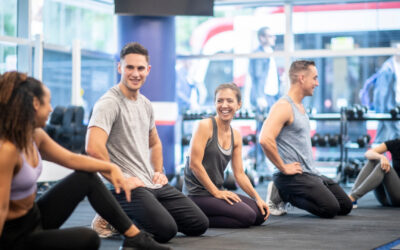
5 Ways to Bust Out of a Coaching Rut
Even the most experienced fitness professionals can get stuck in a rut. You know the feeling. You walk into class, teach the same format, use the same cues, reach for the same exercises, and suddenly realize you could probably teach the entire session on autopilot....