
If you have ever noticed clients leaving your high-intensity classes exhausted but not stronger, you are not alone. This pattern is showing up across group fitness, and it is rarely the result of lack of effort. More often, programming fails for predictable, human reasons. Energy fluctuates. Stress accumulates. Recovery is neglected. What once felt motivating can quickly become overwhelming.
The problem is not intensity. The problem is design.

Group fitness isn’t just about keeping the heart rate high. It’s about designing classes that build strength, control, and resilience—for the body and the nervous system. Instructors who embrace this approach create sessions that are engaging, sustainable, and results-driven.
The strategies below reflect how professional instructors can structure group fitness classes that deliver impact without burnout.
1. Combine High-Intensity With Mindful Movement
Many instructors default to nonstop energy. But members are increasingly blending HIIT with Pilates, yoga, and recovery-focused exercises.
2. Prioritize Nervous System Balance
Energy is not unlimited. Pushing clients at peak intensity every session can lead to burnout. Professional instructors recognize the importance of nervous system recovery.
Techniques include:
- Breathwork cues between sets or rounds
- Short mobility breaks to reset posture and alignment
- Low-intensity “reset” blocks in the middle or end of class
By programming with the nervous system in mind, instructors maintain engagement and improve performance, even on lower-energy days.
3. Structure Classes With Intentional Sequencing
Strength, control, and recovery aren’t separate—they are interdependent. Strategic sequencing ensures clients get the benefits of each.
Consider starting your classes with activation and mobility before progressing into strength or HIIT segments. Finally, focus on ending with restorative or stability-focused work
Thoughtful sequencing transforms classes from chaotic to cohesive, making movement feel manageable, effective, and rewarding.
4. Normalize Variability in Energy and Performance
Consistency doesn’t require maximum effort every session. When instructors insist on nonstop intensity, members disengage during low-energy days.
Professional programming accounts for variability. High-intensity sessions should still challenge strength, posture and alignment, just as lower-intensity classes do.
This approach removes guilt, preserves momentum, and reinforces the principle that staying connected matters more than intensity alone.
5. Build Classes That Adapt to Real Life
Life interruptions are inevitable. Members may arrive tired, stressed, or distracted. Rigid programming fails; flexible programming thrives.
Adaptable classes:
- Include built-in recovery blocks
- Offer alternative movements for different energy levels
- Encourage clients to focus on effort and engagement, not perfection
Flexibility in class design allows instructors to deliver results in real-world conditions, keeping members motivated and retained.
Why This Approach Matters
These strategies prioritize sustainability over short-term intensity. They reduce cognitive load, protect energy, and make clients feel capable rather than overwhelmed.
Instructors who blend strength, control, and recovery are not just teaching exercises—they are building trust, consistency, and long-term adherence. Classes become more than workouts; they become experiences that support clients’ lives.
Expanding your skills with AAAI Fitness certifications and workshops in yoga, Pilates, and stress relief. These courses equip instructors to lead in this new era. These programs provide the knowledge and tools to design balanced, high-impact classes that meet members’ evolving needs, protect the body, and foster engagement.
The future of group fitness rewards instructors who program with intention, balance, and adaptability. Those who embrace this shift will keep clients coming back, improve outcomes, and thrive in a competitive industry.
Learn More
What Great Coaches Understand About Behavior Change
Personal training is about movement, but great coaching is about people. Clients rarely walk through the gym doors with a goal that is only about exercise. They may say they want to lose weight, build muscle, get stronger, or improve their fitness, but underneath that...

How to Ask for a Raise as a Group Fitness Instructor
You enjoy teaching group ex classes. You are reliable, show up on time, and members show up for your classes each week. And, you’ve gone the extra mile, taking on extra responsibilities and filling in for other instructors when they are sick or go on vacation. There...
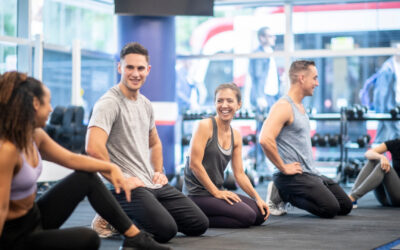
5 Ways to Bust Out of a Coaching Rut
Even the most experienced fitness professionals can get stuck in a rut. You know the feeling. You walk into class, teach the same format, use the same cues, reach for the same exercises, and suddenly realize you could probably teach the entire session on autopilot....