Who This Article Is For
This article is for:
-
New or aspiring personal trainers who are introverted or shy
-
Trainers who prefer one-on-one coaching over group classes
-
People considering personal training as a side job or weekend role
-
Trainers who want results without forcing a high-energy persona
Can a Shy or Introverted Person Be a Successful Personal Trainer?
Yes. Shy or introverted people can be successful personal trainers, especially in one-on-one settings.
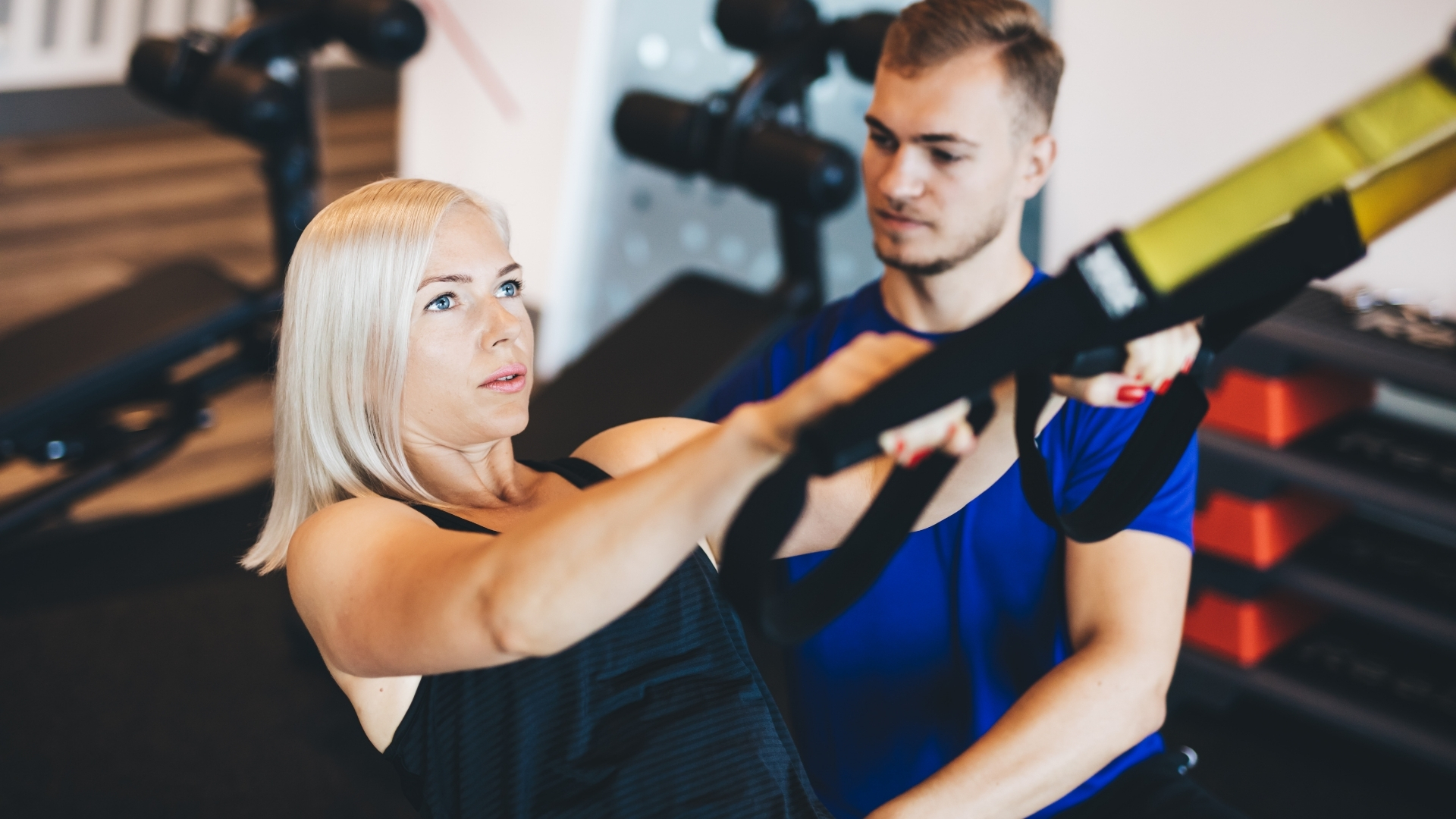
Personal training does not require being outgoing or talkative. It requires clear instruction, attention to detail, and the ability to help clients feel supported and safe. Many introverted trainers excel in one-on-one settings because they listen well, stay focused, and coach with intention rather than constant conversation.
This is exactly what many clients want.
What Personal Training Actually Requires (And What It Doesn’t)
Personal training requires:
It does not require:
Most clients care far more about whether they feel guided and supported than whether the trainer is talkative.
Why Introverts Often Struggle With the Wrong Part of the Fitness Job
Introverted trainers often assume they must “be more social” to succeed. That belief creates unnecessary pressure and anxiety.
The real issue is not introversion.
The issue is unstructured interaction.
When conversation has no purpose, it feels awkward. When interaction is structured, it feels professional.
How to Be a Personal Trainer Without Small Talk
Small talk is optional. Purposeful communication is not.
Clients hire trainers for guidance. That includes:
You are not required to fill silence. Rest periods exist for recovery, not conversation. Many clients prefer a trainer who allows quiet focus rather than forced chatter.
What Many Clients Prefer in a Personal Trainer
Many clients report that they prefer trainers who:
-
Do not talk excessively during workouts
-
Give clear, concise instructions
-
Allow rest periods without pressure to converse
-
Stay focused on form and progress
-
Are professional
-
Are sincerely invested in helping people achieve their fitness goals
For beginners, older adults, or clients returning after injury, a calm and attentive trainer often feels more professional and reassuring than a highly social one.
A Simple Fitness Training Session Structure That Reduces Social Anxiety
Structure removes uncertainty, which reduces anxiety for both trainer and client.
A simple session flow:
-
Brief check-in: “How did your body feel after the last session?”
-
Session goal: “Today we’re working on lower-body strength.”
-
Coaching during sets: Short cues and specific feedback
-
Rest periods: Silence is fine
-
Wrap-up: “Here’s what to expect at the next workout.”
This keeps communication professional, efficient, and predictable.
A Simple First-Session Script for Shy Personal Trainers
You do not need to improvise conversations. A simple script like this one works:
-
“Today I’ll walk you through each movement and explain what we’re doing as we go.”
-
“Let me know if anything feels uncomfortable.”
-
“We’ll keep things focused and adjust on the fly as needed.”
Giving clear expectations reduces anxiety for both the trainer and the client.
Actionable Tips for Shy or Introverted Personal Trainers
-
Use a consistent session template
-
Prepare coaching cues in advance
-
Ask purposeful, professional questions
-
Allow silence during rest periods
-
Focus on outcomes, not likability
-
Accept that not every client is a fit
Common Myths About Shy or Introverted Personal Trainers
Myth: You have to be outgoing to succeed as a personal trainer
Reality: Clients care more about results, safety, and trust than personality type.
Myth: Silence makes clients uncomfortable
Reality: Most clients are focused on breathing, effort, or recovery during rest periods.
Myth: Introverts are bad at motivating clients
Reality: Motivation comes from clarity, progress, and accountability, not volume.
Frequently Asked Questions
Can shy people be good personal trainers?
Yes. Many shy or introverted people are excellent personal trainers, especially in one-on-one settings where listening and attention matter more than being outgoing.
Is personal training hard for introverts?
It can be challenging if you believe you must be constantly social. With structure and clear communication, many introverts find personal training fits their strengths well.
Do personal trainers need to be outgoing?
No. Personal trainers need to be knowledgeable, attentive, and reliable. Being outgoing is optional, not required.
Final Thoughts
Introversion is not a weakness in personal training. Trying to hide it is.
If you are prepared, observant, and intentional, your personality becomes an asset rather than a barrier.
Written by Joe Cannon, MS, a fitness educator with 30 years of experience working one-on-one with clients, including many who prefer focused, low-chatter training environments.