
Master Phil Ross isn’t just a kettlebell coach—he’s a ninth-degree black belt, strength coach, and creator of the BodyBell Method. He’s trained everyone from special forces to clients in their 70s, and he’s seen a lot of mistakes and misconceptions about kettlebell training.
Here are five of his top tips, straight from our conversation.
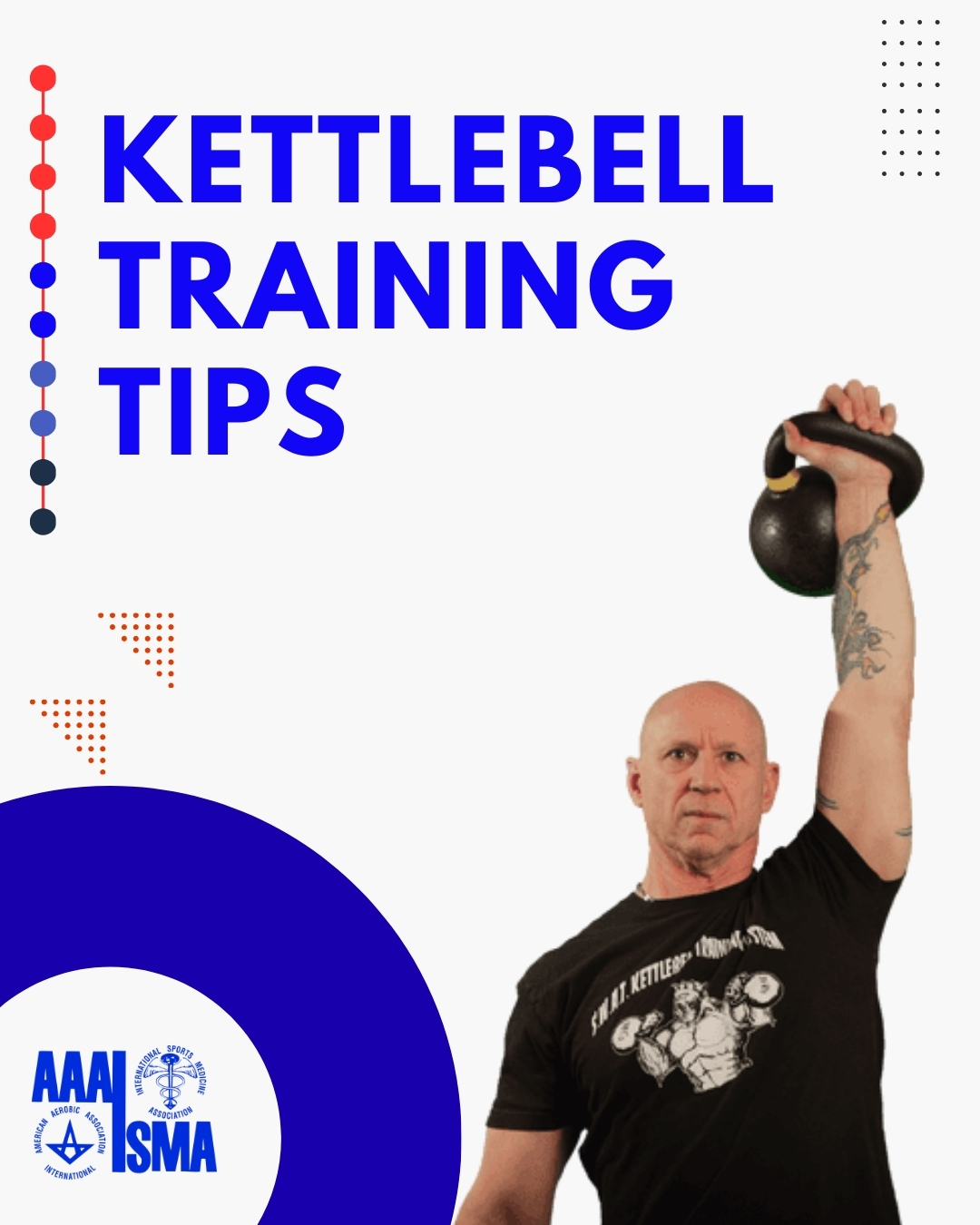
1. Invest in Quality Equipment
“Most kettlebells out there are made by fitness equipment manufacturers, not by people who actually use kettlebells. The Dragon Door bells are the ones I’ve had for 20-plus years—the balance, the handle feel, the finish—it all matters. Don’t go for the rubber-coated ones thinking they’ll save your floor. Don’t drop your bell in the first place.”
2. Learn Hardstyle for the Best All-Around Results
“In hardstyle training, you’re hitting all three types of muscular fitness—strength, explosive power, and muscular endurance. You also get mobility, flexibility, cardiovascular conditioning, and body composition benefits. Plus, there’s a neuromuscular component—you have to be mentally engaged.”
3. Don’t Trust Gimmicks
“You can put a handle on a dumbbell, but it’s not the same. The kettlebell’s center of gravity is offset, and that forces your body to recruit stabilizers in ways a dumbbell never will. Same thing with adjustable or sand-filled bells—if it’s held together by a pin and you’re swinging it around, I’m not trusting that.”
4. Fix Your Form and Train Barefoot
“I see a lot of people doing cleans wrong—they’re banging their arms and putting stress on their elbows. You have to understand the back swing is the most important part for hitting the posterior chain. And if a trainer has you in thick, cushioned shoes for kettlebell work—run for the door. You want to root to the floor. I train barefoot most of the time.”
5. Keep it Safe and Simple
“Always have your kettlebells in front of you—never behind. If you lose a rep, fail backward, don’t try to save it. You don’t need a room full of bells. Four kettlebells can last you a lifetime if you know how to use them. During COVID, I got stronger with just two bells and bodyweight work because I focused on movement, not equipment.”
If you want to learn more about Phil Ross’s training, you can find his videos, certifications, and workshops at PhilRoss.com and BodyBellMethod.com. Listen to more tips in the interview below.
Ready to Learn More?
What Great Coaches Understand About Behavior Change
Personal training is about movement, but great coaching is about people. Clients rarely walk through the gym doors with a goal that is only about exercise. They may say they want to lose weight, build muscle, get stronger, or improve their fitness, but underneath that...
How to Ask for a Raise as a Group Fitness Instructor
You enjoy teaching group ex classes. You are reliable, show up on time, and members show up for your classes each week. And, you’ve gone the extra mile, taking on extra responsibilities and filling in for other instructors when they are sick or go on vacation. There...
5 Ways to Bust Out of a Coaching Rut
Even the most experienced fitness professionals can get stuck in a rut. You know the feeling. You walk into class, teach the same format, use the same cues, reach for the same exercises, and suddenly realize you could probably teach the entire session on autopilot....